Executive Summary:
The U.S. Air Force has completed a key ground validation event supporting integration of the AGM-158C Long Range Anti-Ship Missile (LRASM) on the B-1B Lancer at Dyess Air Force Base. The effort verified updated pre-flight procedures, aircraft software, and maintenance processes that will accelerate future maritime strike capability and improve operational readiness across the bomber fleet.
U.S. Air Force Validates B-1B LRASM Integration Procedures
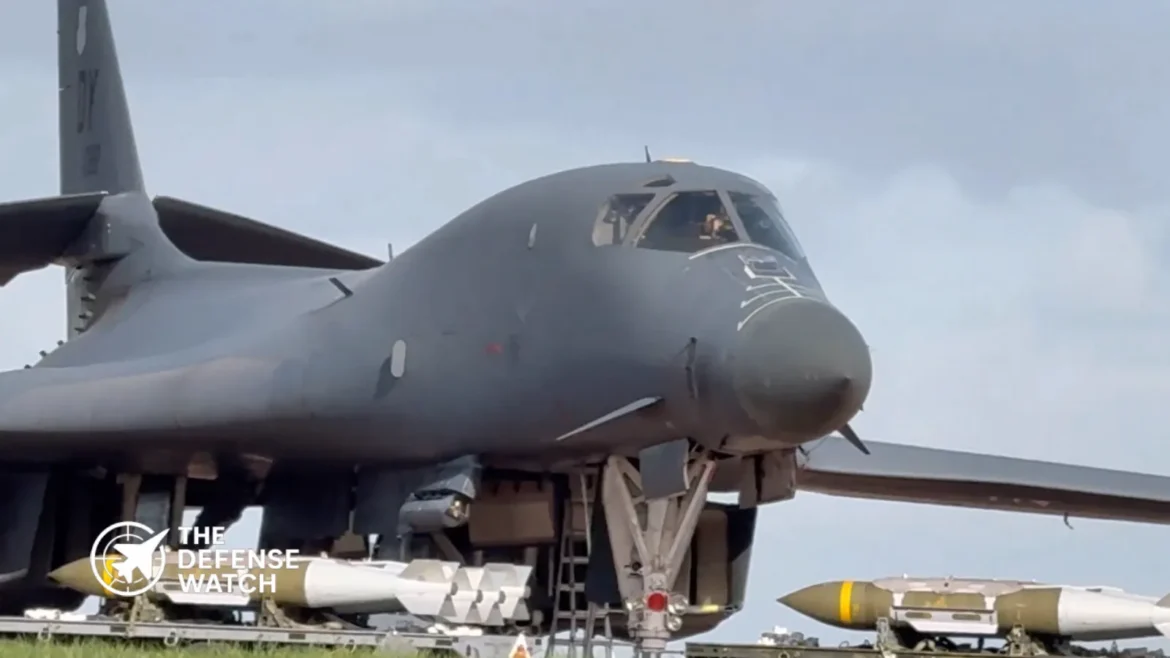
The U.S. Air Force has completed an important milestone in expanding the B-1B Lancer LRASM integration program after conducting a Long Range Anti-Ship Missile (LRASM) Event Zero at Dyess Air Force Base on June 2. According to the U.S. Air Force, the event successfully validated new ground procedures and software updates that will support faster fielding of advanced maritime strike capabilities for the bomber fleet.
The activity was led by the 7th Bomb Wing with participation from maintenance personnel, weapons specialists, evaluators, and aircrews. Rather than serving as a live firing exercise, Event Zero focused on validating critical pre-flight procedures, improving maintenance workflows, and verifying communication between the aircraft and the AGM-158C LRASM using updated hardware and software.
Ground Testing Improves Future Weapons Integration
One of the most notable achievements during the event was the successful connection of a live AGM-158C LRASM to a B-1B Lancer through a locally designed extension cable.
Airmen from the 7th Bomb Wing’s weapons backshop fabricated the specialized cable using U.S. Navy technical specifications. The modification allowed technicians to connect the missile without loading it into the aircraft’s internal weapons bay, simplifying verification work while collecting valuable engineering and operational data.
According to Air Force officials, locally developing the cable reduced dependence on external equipment while enabling more efficient testing. The process also demonstrated the growing technical expertise of maintenance personnel responsible for supporting rapid weapons integration.
Officials stated that the event successfully verified:
Validation Area Operational Benefit Updated aircraft software Supports new weapon compatibility LRASM software verification Improves integration reliability Pre-flight maintenance procedures Reduces preparation time Locally fabricated test equipment Accelerates future validation events Cross-service technical coordination Enhances Air Force and Navy interoperability LRASM Remains Central To Long Range Maritime Strike
The AGM-158C Long Range Anti-Ship Missile has become one of the U.S. military’s premier precision maritime strike weapons.
Derived from the AGM-158 Joint Air-to-Surface Standoff Missile Extended Range (JASSM-ER), LRASM combines low observable characteristics with autonomous target identification, passive sensors, electronic warfare resilience, and long-range precision guidance.
Unlike traditional anti-ship missiles that rely heavily on external targeting information, LRASM is designed to locate, identify, and prioritize hostile vessels even in GPS degraded or electronically contested environments.
Key characteristics include:
- Approximately 1,000-pound penetrating blast fragmentation warhead
- Long-range stand-off engagement capability
- Autonomous target recognition
- Low observable design
- Electronic warfare resistance
- Network-enabled mission capability
These features allow strike aircraft to engage high-value naval targets while remaining outside many enemy air defense envelopes.
Why The B-1B Continues To Play A Critical Role
Although originally designed as a strategic bomber during the Cold War, the B-1B Lancer has evolved into one of the U.S. Air Force’s most capable conventional strike aircraft.
The aircraft offers several advantages for maritime operations:
- High payload capacity
- Long operational range
- Supersonic dash capability
- Large internal weapons bays
- Ability to rapidly deploy across theaters
The B-1B became the first operational platform for the LRASM in 2018, giving U.S. Indo-Pacific planners a bomber capable of carrying multiple advanced anti-ship missiles over extended distances. Since then, the platform has remained central to the Air Force’s maritime strike mission while additional aircraft, including the B-2 Spirit, have begun integrating the weapon.
Strategic Significance Beyond Routine Testing
Although Event Zero was a ground validation exercise, its operational significance extends well beyond maintenance procedures.
Modern weapons integration is increasingly driven by software validation, digital interfaces, cybersecurity assurance, and rapid certification rather than solely by flight testing. Every improvement made during ground verification reduces the time required to field new weapons and minimizes risk before operational deployment.
The locally engineered testing solution also illustrates a broader shift within the Air Force toward empowering operational units to solve technical challenges without waiting for lengthy acquisition processes. This approach supports the Department of Defense’s wider emphasis on accelerating capability delivery in response to rapidly evolving threats.
The event further highlights the close cooperation between the U.S. Air Force and the U.S. Navy’s Precision Strike Weapons Program Office. Since LRASM serves both services, common integration standards help reduce duplication while ensuring compatible software, logistics, and maintenance procedures across multiple launch platforms.
Maritime Strike Becomes Increasingly Important
The timing of the validation reflects the growing emphasis on long-range maritime strike as the United States prepares for potential operations in highly contested regions, particularly across the Indo-Pacific.
Potential adversaries continue investing heavily in integrated air defenses, anti-access and area-denial systems, and increasingly capable surface fleets. Long-range stand-off weapons such as LRASM enable U.S. bombers to engage naval targets without entering the most heavily defended zones.
As the Air Force simultaneously modernizes its bomber force through continued B-21 Raider development while extending the operational relevance of legacy bombers, incremental improvements like LRASM integration ensure existing platforms remain credible contributors to future joint operations.
Ground validation events such as this one rarely attract the attention of live missile tests, yet they represent essential steps in delivering reliable combat capability. By refining procedures before operational use, the Air Force reduces technical risk and shortens the timeline for deploying updated weapons systems to frontline units.

Executive Summary:
The U.S. Air Force is continuing major sustainment and modernization efforts for the B-1B Lancer to ensure sufficient bomber capacity during the transition to the next-generation B-21 Raider. Upgrades, aircraft regeneration programs, and new weapons integration initiatives are intended to preserve long-range conventional strike capability while the B-21 gradually enters operational service.
U.S. Air Force Maintains B-1B Lancer Readiness During B-21 Transition
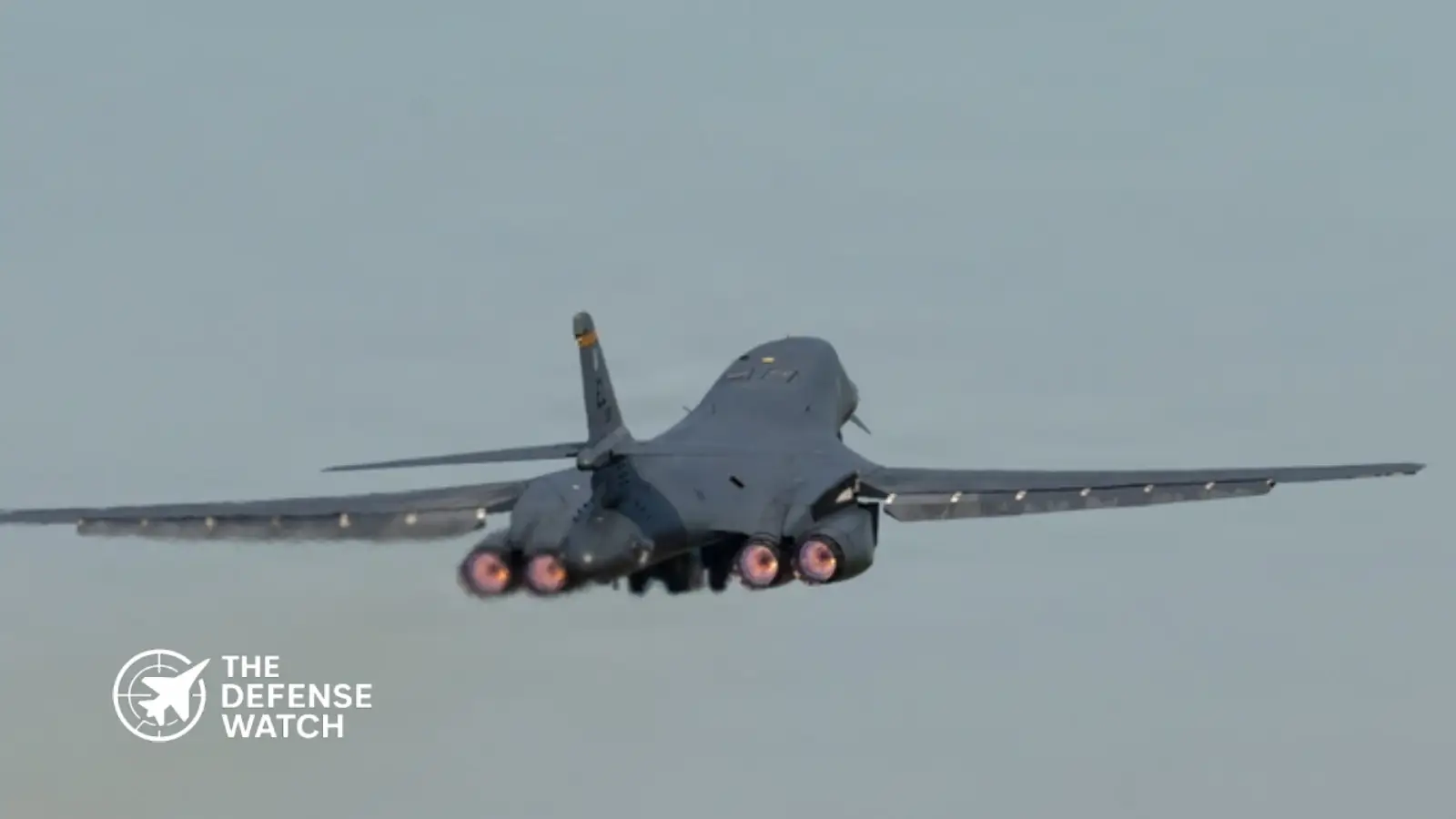
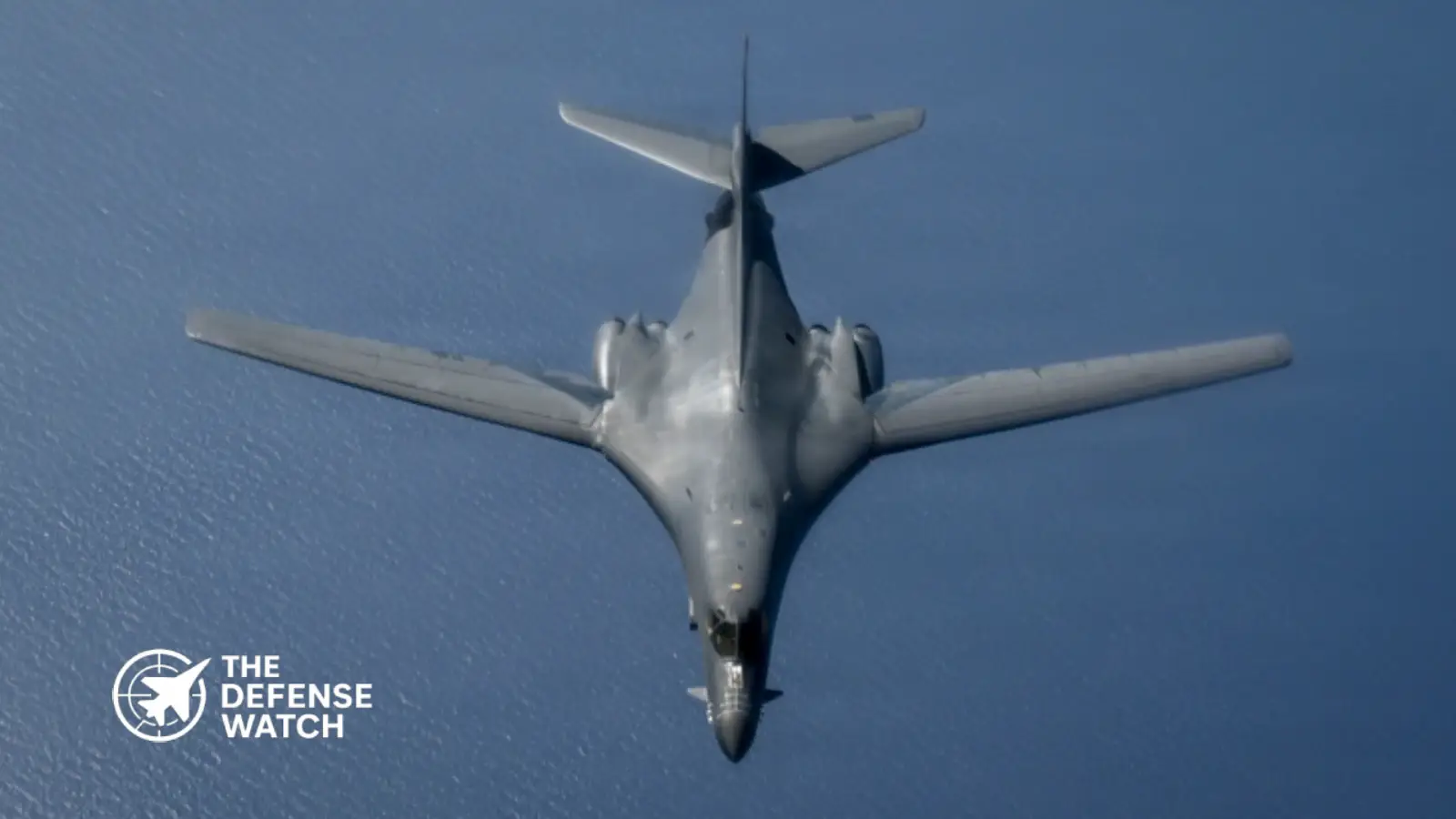
The B-1B Lancer remains a critical element of America’s long-range strike force as the U.S. Air Force manages the transition to the Northrop Grumman B-21 Raider. While the Raider represents the future of the U.S. bomber fleet, service leaders continue investing in the B-1B to prevent a capability gap during the coming decade.
Recent Air Force and industry efforts demonstrate a clear strategy: maintain operational bomber capacity while introducing a new generation of stealth aircraft. Rather than rapidly retiring legacy bombers, the service is extending the usefulness of the B-1B through structural restoration, sustainment programs, and expanded weapons integration.
The approach reflects broader concerns about maintaining sufficient bomber inventory amid increasing global security challenges and growing demands for long-range conventional strike options.
Why The B-1B Still Matters
Originally designed as a supersonic strategic bomber, the B-1B evolved into one of the Air Force’s primary conventional strike platforms after its nuclear mission ended.
(adsbygoogle = window.adsbygoogle || []).push({});Key B-1B characteristics include:
| Capability | B-1B Lancer |
|---|---|
| Maximum Payload | Approximately 75,000 pounds |
| Maximum Speed | Mach 1.2 |
| Combat Role | Long-range conventional strike |
| Crew | Four |
| Range | Intercontinental with aerial refueling |
| Weapons Carriage | Internal bays, expanding external carriage options |
The aircraft’s combination of speed, range, and payload capacity makes it particularly valuable for delivering large volumes of precision-guided weapons over long distances.
Although the B-21 will eventually assume many strategic strike missions, production and fielding timelines mean the Air Force must maintain existing bomber capacity for years to come.
Sustainment Efforts Extend Fleet Availability
One of the clearest examples of the Air Force’s commitment to the B-1B is the restoration of aircraft previously removed from operational service.
In May 2026, a B-1B known as “Rage,” later renamed “Apocalypse II,” returned to operational status after an extensive regeneration effort involving the Oklahoma City Air Logistics Complex. The aircraft had previously been retired and placed in long-term storage before undergoing a multi-year restoration program.
The restoration highlights the Air Force’s determination to preserve bomber numbers while awaiting the arrival of sufficient B-21 aircraft.
Such regeneration efforts are significant because bomber fleets are relatively small, making every operational aircraft important for maintaining global strike capacity.
Expanding The B-1B’s Future Weapons Capability
The Air Force is also working to enhance the B-1B’s combat relevance through new weapons integration initiatives.
A major development involves the Load Adaptable Modular (LAM) pylon program, which seeks to restore and modernize the aircraft’s external weapons carriage capability. Boeing completed a preliminary design review for the effort in 2026, advancing plans to enable the B-1B to carry larger standoff weapons externally.
The initiative could allow the bomber to employ:
- Future hypersonic weapons
- Long-range standoff missiles
- Large precision-guided strike systems
- Emerging conventional prompt-strike capabilities
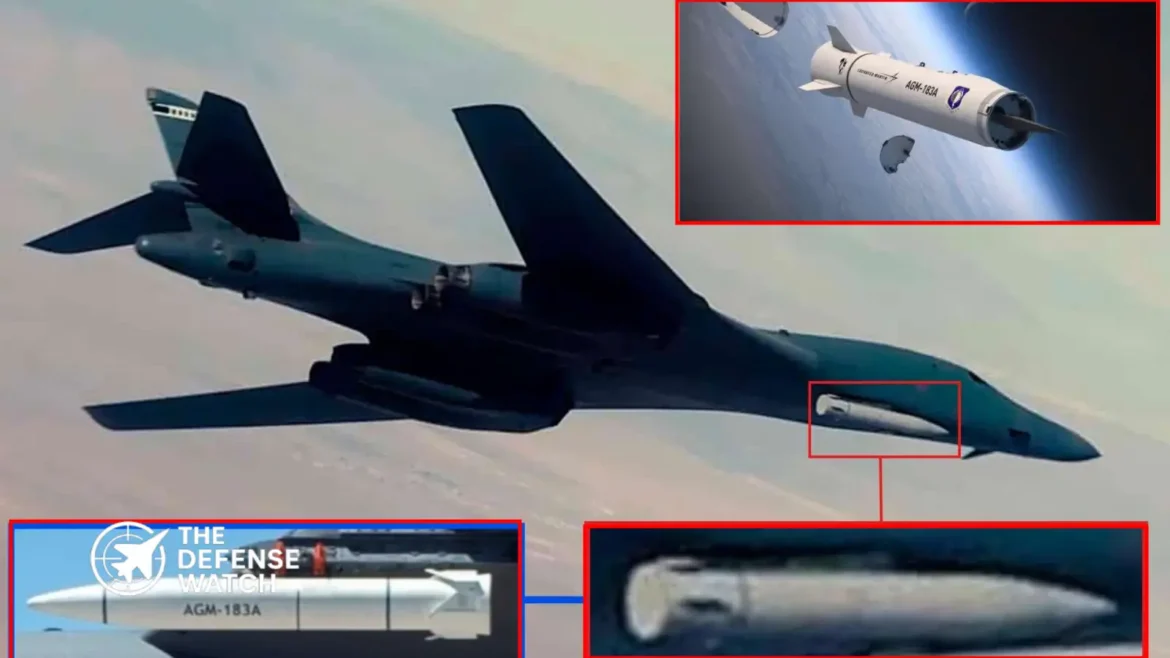
The Air Force has also publicly displayed a B-1B carrying the AGM-183A Air-Launched Rapid Response Weapon (ARRW), highlighting the aircraft’s potential role in future hypersonic strike operations.
These efforts indicate that the B-1B is being positioned not merely as a legacy platform, but as a viable launch platform for advanced weapons during the transition period.
(adsbygoogle = window.adsbygoogle || []).push({});Strategic Importance Of The Bomber Transition
The decision to sustain the B-1B reflects a broader challenge facing U.S. military planners.
The Air Force is simultaneously:
- Modernizing the nuclear triad
- Introducing the B-21 Raider
- Upgrading the B-52 fleet
- Maintaining global bomber deployments
- Developing hypersonic strike capabilities
Retiring large numbers of B-1Bs before sufficient B-21 aircraft become operational could reduce available bomber capacity at a time when strategic competition is increasing across multiple theaters.
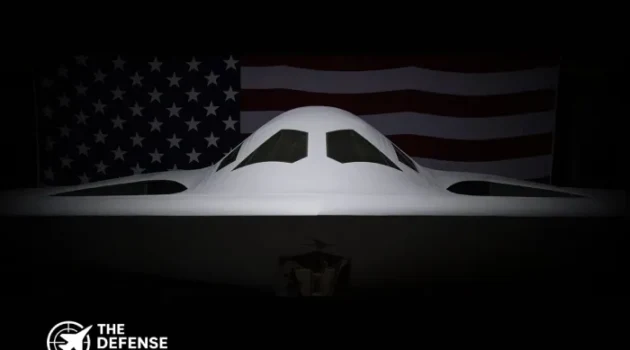
The B-21 is expected to provide significant advantages in survivability and penetration against advanced air defense systems. However, the aircraft remains in the testing and fielding phase, with operational expansion occurring gradually. Recent testing milestones show the Raider progressing into more advanced operational evaluation activities as the Air Force prepares for future deployment.
Until production reaches higher volumes, existing bomber fleets remain essential to maintaining credible deterrence and conventional strike options.
Analysis: Preserving Capacity While Modernizing Capability
The Air Force’s B-1B strategy demonstrates a practical approach to force modernization.
Historically, modernization programs often create temporary capability gaps when older systems retire before replacements are available in meaningful numbers. The bomber force appears determined to avoid that outcome.
Maintaining the B-1B provides several advantages:
First, it preserves operational mass. Long-range strike campaigns require sufficient aircraft numbers to generate sustained sortie rates.
Second, it allows the Air Force to distribute modernization risk. If B-21 production or integration timelines shift, the service retains an effective conventional strike platform.
Third, new weapons integration programs could significantly increase the B-1B’s value in future conflicts. External carriage upgrades and hypersonic weapon compatibility may allow the bomber to perform missions that complement stealth-focused B-21 operations.
This suggests the Air Force increasingly views bomber modernization as an overlapping transition rather than a simple replacement process.
Looking Ahead
The B-1B Lancer remains a cornerstone of U.S. conventional bomber capability despite its age. Through sustainment investments, aircraft regeneration efforts, and advanced weapons integration programs, the Air Force is ensuring the platform remains relevant during the transition to the B-21 Raider.
As the Raider gradually enters operational service, the B-1B is expected to continue providing critical long-range strike capacity, helping preserve the size and flexibility of America’s bomber force during one of the most significant modernization periods in its history.
(adsbygoogle = window.adsbygoogle || []).push({});Executive Summary:
Boeing has completed a major design milestone for a new external weapons carriage system intended for the U.S. Air Force’s B-1B Lancer bomber. The Load Adaptable Modular (LAM) pylon is designed to enable the aircraft to carry larger standoff weapons, including future hypersonic missiles, as the Air Force seeks to maintain long-range strike capacity during the transition to next-generation bomber fleets.
Boeing Advances B-1B Hypersonic Missile Integration Effort
Boeing has completed the preliminary design review for integrating its Load Adaptable Modular pylon onto the U.S. Air Force B-1B Lancer, marking an important step toward expanding the bomber’s ability to carry hypersonic weapons and future long-range standoff munitions.
The design review was conducted by Boeing’s bomber modernization team in Oklahoma City in coordination with Air Force Materiel Command and industry partners. According to Boeing, the upgrade is intended to increase mission flexibility by restoring and modernizing external carriage options that have remained largely unused for decades.
The development comes as the U.S. Air Force continues investing in legacy bomber modernization programs while fielding the next-generation B-21 Raider.
(adsbygoogle = window.adsbygoogle || []).push({});What Is The Load Adaptable Modular Pylon?
The Load Adaptable Modular, or LAM, pylon is an external weapons carriage system designed to mount beneath the B-1B using six existing hardpoints originally built for the AGM-86 Air-Launched Cruise Missile program.
Those external attachment points became inactive after the B-1’s nuclear mission was eliminated under Strategic Arms Reduction Treaty requirements. Boeing’s new approach repurposes that dormant infrastructure to support modern conventional strike missions.
According to company officials, the system was initially developed through Boeing-funded independent research and development efforts before transitioning into a more formal modernization program.
Key Characteristics Of The LAM System
Capability Details Mounting Points Six existing B-1B external hardpoints Primary Purpose External carriage of large weapons Target Payloads Hypersonic missiles, standoff weapons, cruise missiles Development Status Preliminary Design Review completed Next Phase Critical Design Review, aircraft modification and testing The approach allows the Air Force to add new weapon capacity without requiring a major structural redesign of the aircraft.
Why The Upgrade Matters
The B-1B remains one of the most capable conventional bombers in the U.S. inventory due to its combination of speed, range, and payload capacity.
(adsbygoogle = window.adsbygoogle || []).push({});While the aircraft’s internal weapons bays can already carry large quantities of precision-guided munitions, emerging hypersonic systems and next-generation standoff weapons are becoming larger and heavier. Some of these weapons cannot be carried efficiently within existing internal bays.
The LAM pylon directly addresses that limitation.
Operationally, the upgrade transforms the B-1B into a larger missile carrier capable of launching long-range weapons from outside heavily defended airspace. That approach aligns with evolving U.S. military doctrine emphasizing stand-off attacks against advanced integrated air defense systems.
Potential Hypersonic Missile Applications
Although Boeing has not publicly identified every weapon planned for integration, defense analysts and Air Force reporting have repeatedly linked the LAM concept to future hypersonic strike systems.
Potential candidates include:
- AGM-183 Air-Launched Rapid Response Weapon (ARRW)
- Hypersonic Attack Cruise Missile (HACM)
- Extended-range AGM-158 Joint Air-to-Surface Standoff Missile variants
- AGM-158C Long Range Anti-Ship Missile (LRASM)
- Future classified long-range strike weapons
Recent Air Force imagery has already shown B-1B aircraft operating with ARRW-related test configurations, highlighting the platform’s growing role in hypersonic weapons development. The bomber has increasingly become a testbed for advanced strike concepts because of its payload capacity and high-speed performance envelope.
Strategic Implications For The U.S. Bomber Force
(adsbygoogle = window.adsbygoogle || []).push({});The timing of the LAM program is significant.
The Air Force is currently managing one of the most complex bomber transitions in its history. The B-21 Raider is entering service while the B-52J modernization effort continues and the B-2 Spirit remains operational.
Despite those modernization programs, the Air Force still relies heavily on the B-1B fleet for conventional strike missions.
Rather than waiting for complete fleet replacement, the Pentagon appears focused on extracting additional combat value from existing platforms. The LAM program fits that strategy by delivering new capability through a relatively low-risk modification.
This approach offers several advantages:
- Faster fielding timelines compared with new aircraft procurement
- Lower development costs
- Increased weapon capacity
- Greater flexibility for Indo-Pacific operations
- Expanded options for maritime strike missions
For combatant commanders, additional external carriage capability means more weapons can be launched from a single aircraft during the opening stages of a conflict.
Indo-Pacific Relevance
The modernization effort carries particular importance for potential operations in the Indo-Pacific theater.
Long distances, limited forward basing options, and increasingly sophisticated Chinese air defense networks are forcing U.S. planners to emphasize long-range strike capabilities.
A B-1B carrying hypersonic missiles or long-range standoff weapons could launch attacks from significantly greater distances than aircraft relying on shorter-range munitions.
(adsbygoogle = window.adsbygoogle || []).push({});The concept also complicates adversary planning.
Instead of defending against a limited number of launch platforms, potential opponents must account for a larger force of aircraft capable of carrying advanced strike weapons across broad operational areas.
This is especially relevant as China continues expanding its anti-access and area-denial capabilities, including long-range missile systems designed to threaten U.S. bases and naval forces across the Western Pacific.
Technical And Operational Challenges Ahead
While the preliminary design review represents an important milestone, substantial work remains before the capability enters operational service.
The program must still complete:
- Critical Design Review
- Structural integration activities
- Ground testing
- Flight testing
- Weapons certification
- Operational evaluation
External carriage also introduces aerodynamic and performance considerations.
Large hypersonic weapons can affect drag, fuel efficiency, aircraft handling, and overall mission range. Engineers must ensure that new payloads do not compromise the aircraft’s operational effectiveness.
The B-1B’s variable-sweep wing design and high-speed flight profile create additional engineering challenges when integrating large external stores.
A Bridge To The Future Bomber Fleet
The broader significance of the LAM initiative extends beyond the B-1B itself.
The program demonstrates how the Air Force is pursuing incremental modernization to maintain credible long-range strike capability while next-generation systems mature.
Rather than viewing legacy bombers as temporary stopgaps, the Pentagon is increasingly treating them as adaptable launch platforms capable of carrying advanced weapons developed decades after the aircraft first entered service.
For the B-1B, the new pylon system could substantially extend operational relevance well into the next phase of U.S. bomber modernization.
As hypersonic weapons, long-range cruise missiles, and advanced maritime strike systems become central components of American deterrence strategy, the ability to rapidly field additional launch capacity may prove as important as developing the weapons themselves. The LAM pylon program positions the B-1B to play that role.

B-1B Lancer Hypersonic Loadout Signals Shift In U.S. Strike Capability
The B-1B Lancer hypersonic loadout revealed by the U.S. Air Force marks a notable step in integrating next-generation weapons into legacy bomber platforms. The configuration, featuring the AGM-183 ARRW, highlights a renewed focus on rapid, long-range strike options designed to penetrate advanced air defenses.
- Iran and Russia reportedly signed a secret 500 million missile deal in December 2025, according to the Financial Times.
- The pact covers delivery of 500 Verba man portable air defense launch units and 2,500 9M336 missiles through 2027 to 2029.
- The Verba systems are infrared guided MANPADS designed to target low altitude threats including drones and cruise missiles.
- The deal follows damage to Iran s air defense network during the 2025 conflict with Israel.
- The agreement reflects deepening military cooperation between Tehran and Moscow.
The updated loadout demonstrates how the B-1B Lancer could carry multiple hypersonic missiles externally, significantly expanding its operational flexibility. The ARRW is designed to reach speeds above Mach 5, enabling it to strike high-value targets with minimal warning.
From Conventional Bomber To Hypersonic Carrier
The B-1B has long served as a conventional strike bomber, optimized for carrying large payloads of guided and unguided munitions. This new B-1B Lancer hypersonic loadout represents a shift toward high-speed precision strike missions.
Unlike stealth bombers such as the B-2, the B-1B relies on speed, payload, and stand-off weapons. Integrating ARRW allows the aircraft to launch from outside heavily defended zones, reducing exposure to modern air defense systems.
This evolution aligns with broader U.S. efforts to adapt existing platforms for hypersonic warfare, rather than waiting for next-generation systems like the B-21 to fully mature.
AGM-183 ARRW: Capability And Challenges
The AGM-183 ARRW program has faced technical hurdles in recent years, including test inconsistencies. However, its core concept remains central to U.S. hypersonic strategy.
The missile uses a boost-glide vehicle, launched by a rocket booster before gliding at hypersonic speeds toward its target. This flight profile complicates interception by traditional missile defense systems.
The introduction of the B-1B Lancer hypersonic loadout suggests continued confidence in ARRW or at least in the broader concept of air-launched hypersonic weapons.
From an operational standpoint, pairing ARRW with the B-1B offers several advantages:
- Rapid deployment from forward bases
- Large payload capacity
- Flexibility in targeting across multiple theaters
Strategic Context: Why It Matters Now
The timing of this reveal is significant. The United States is accelerating efforts to counter hypersonic developments by near-peer competitors, particularly China and Russia.
Both countries have already fielded or tested hypersonic systems, raising concerns about gaps in U.S. strike and deterrence capabilities. The B-1B Lancer hypersonic loadout directly addresses this gap by providing a near-term delivery platform.
This approach reflects a broader Pentagon strategy of incremental modernization. Instead of relying solely on future platforms, the U.S. is upgrading existing assets to maintain operational readiness.
Operational Impact And Future Outlook
If fully operational, the B-1B Lancer hypersonic loadout could reshape how the U.S. conducts long-range strike missions. The ability to launch hypersonic weapons from a proven bomber platform adds a layer of unpredictability and speed to U.S. military planning.
However, several factors will determine its effectiveness:
- Successful maturation of ARRW technology
- Integration with targeting and command systems
- Availability of sufficient missile inventory
There is also the question of survivability. While the B-1B can launch from stand-off distances, it lacks stealth characteristics, which may limit its use in highly contested environments.
Analysis: Bridging The Capability Gap
The decision to equip the B-1B with hypersonic weapons is less about transforming the aircraft and more about bridging a capability gap.
It reflects a pragmatic approach. Instead of waiting for next-generation systems, the U.S. is leveraging what it already has. This reduces risk and accelerates deployment timelines.
At the same time, it underscores the urgency of the hypersonic race. The B-1B Lancer hypersonic loadout is not just a technical upgrade. It is a signal that the U.S. is adapting its force structure to keep pace with evolving threats.