U.S. Bombers Leave RAF Fairford Amid Security Concerns
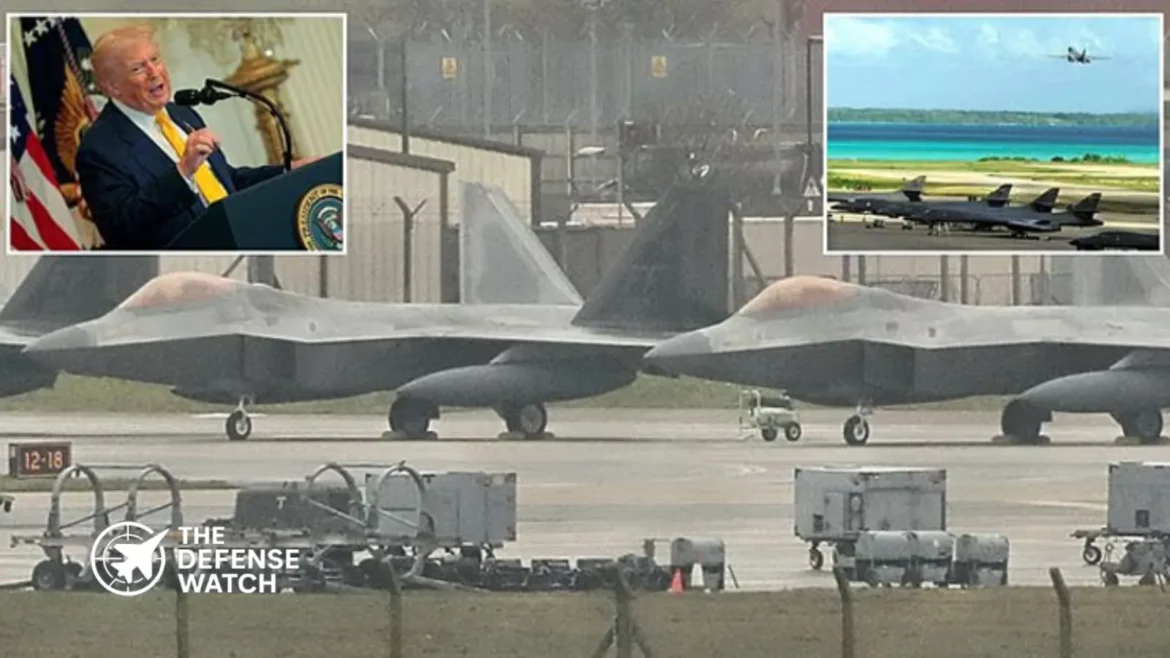
The U.S. Air Force has returned all bombers deployed to RAF Fairford in the United Kingdom to their home stations in the United States, ending the forward bomber presence at the British base after a security incident near the installation.
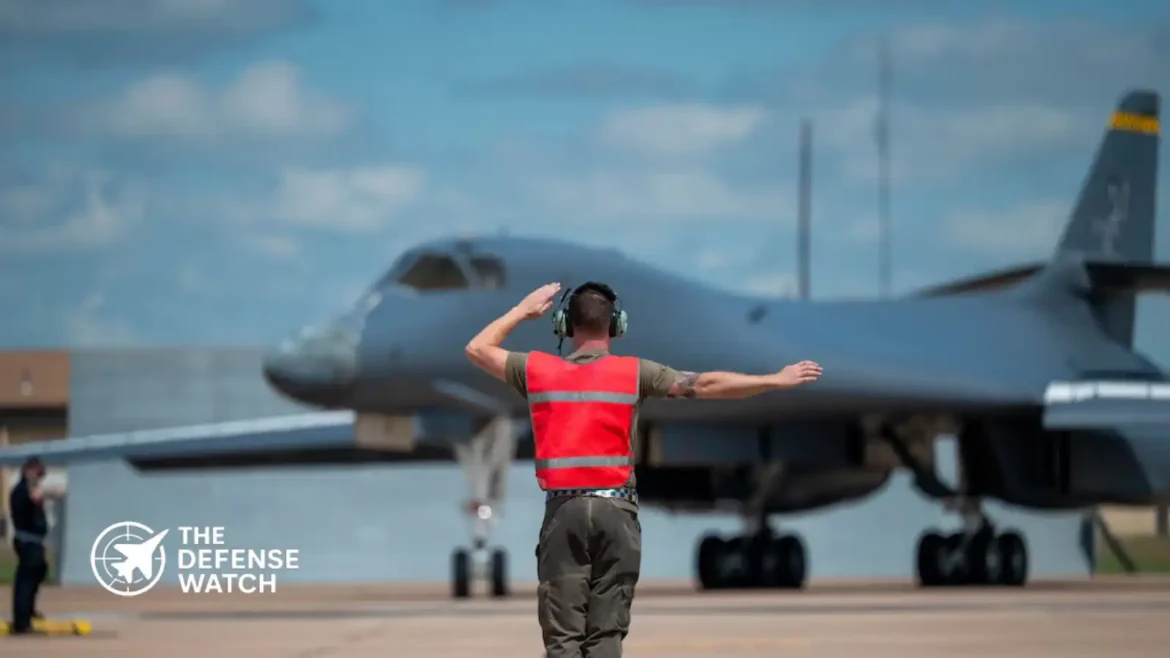
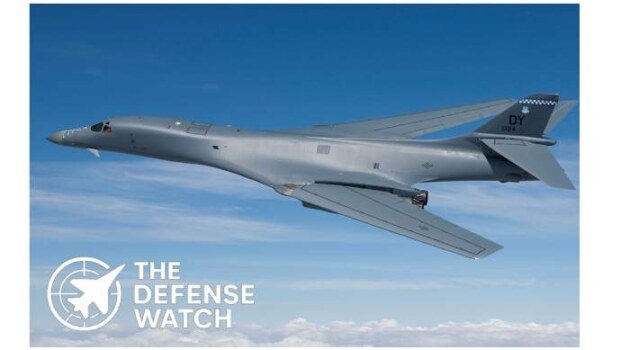
The Pentagon confirmed the redeployment on October 4, saying the movement had been withheld from real-time disclosure for operational security reasons. The statement did not identify the specific aircraft involved, but independent reporting and aircraft tracking indicate that approximately 12 B-1B Lancer bombers had been operating from Fairford.
The departure followed a counterterrorism investigation launched after suspicious vehicles were reported near the base on September 27. British authorities subsequently arrested five men and later detained a 25-year-old dual British-Iranian national in London in connection with the investigation. The second suspect was released on bail on October 3, while the five original suspects had already been placed on police bail.
The security investigation remains separate from the bomber decision
British counterterrorism authorities have confirmed that the September 27 incident involved three vehicles reported to be travelling toward RAF Fairford. Armed police responded, five men were arrested, and an exclusion zone was established while specialist teams examined the vehicles.
The investigation did not find improvised explosive devices. Police said a quantity of petrol was recovered, while the five suspects remained under investigation. Around 85 households were temporarily evacuated during the initial operation.
On October 1, Counter Terrorism Policing announced another arrest involving a 25-year-old dual UK-Iranian national. Authorities said they were examining multiple lines of inquiry, including possible foreign state involvement. The individual was subsequently released on bail.
That distinction is important. British authorities have not publicly established that Iran ordered or directed the activity near Fairford. Prime Minister Andy Burnham has reportedly referred to strong indications of Iranian involvement, while Iran has denied any connection to the alleged plot. The investigation remains active.
The Pentagon has also not publicly stated that the bomber redeployment was a direct response to the investigation. The timing strongly connects the two developments, but the available public evidence does not establish whether the aircraft were withdrawn specifically because of the incident or whether other operational factors were involved.
Why RAF Fairford mattered to the bomber force
RAF Fairford is not a permanent B-1B operating base. It is a U.S. forward operating location that can support bomber deployments, exercises and contingency operations in Europe.
The U.S. Air Force has repeatedly used the Gloucestershire installation for Bomber Task Force missions involving B-1B, B-2 and B-52 aircraft. Official Air Force material describes Fairford as a location capable of supporting large bomber deployments and integration with NATO allies and partners.
That forward position can reduce the distance between U.S. bomber crews and potential operating areas compared with launching every mission from the continental United States. It also provides opportunities for coordination with European allies and for maintaining a visible U.S. long-range strike presence.
The base has also been used extensively for training and readiness missions. In 2025, B-52H Stratofortress aircraft deployed from Barksdale Air Force Base to Fairford for Exercise Cobra Warrior, demonstrating that the installation remains an important part of the U.S. bomber deployment architecture in Europe.
The B-1B can operate without a permanent forward base
The withdrawal does not remove the B-1B from the U.S. long-range strike inventory or prevent the aircraft from conducting missions beyond North America.
The Air Force has demonstrated the ability to conduct long-range bomber operations directly from U.S. bases. During Operation Epic Fury in March 2026, B-1B aircraft conducted missions against targets in Iran and returned to the continental United States. U.S. Central Command publicly documented B-1B operations associated with the campaign.
That operating model provides flexibility, but it comes with a tradeoff. Forward basing can shorten transit requirements and simplify access to a theater, while continental U.S. operations reduce the exposure of aircraft and personnel at overseas locations but require longer-range missions and associated tanker, command-and-control and logistical support.
The Pentagon has emphasized that U.S. bomber crews remain capable of conducting precision global strike missions from the continental United States. That statement suggests Washington does not regard the departure from Fairford as a loss of the underlying bomber capability, although the forward positioning option has temporarily been removed.
A security problem for a high-value forward operating location
The Fairford episode illustrates a wider vulnerability associated with deploying high-value aircraft overseas during a conflict.
A bomber base does not need to be attacked successfully to impose an operational cost. Increased security measures, temporary evacuations, surveillance requirements and the possibility of hostile activity around access routes can affect how commanders assess the value of maintaining aircraft at a particular location.
For the United States, the decision also demonstrates the flexibility built into the bomber force. B-1B aircraft can relocate between operating locations, while the United States retains the ability to conduct long-range missions from its home bases.
For Britain, the incident highlights the security demands associated with hosting U.S. strike aircraft during an active conflict. RAF Fairford has historically supported U.S. bomber operations, but the concentration of high-value aircraft at a relatively small number of forward locations can make those facilities important targets for hostile intelligence collection, disruption or attack planning.
The available evidence does not establish the full intent behind the September 27 incident, and the British investigation remains ongoing. What is confirmed is narrower but significant: five men were arrested after suspicious vehicles were reported near the base, a sixth person was subsequently arrested and released on bail, and all U.S. bombers deployed at Fairford have now returned to the United States.
The immediate operational question is therefore not whether the United States still possesses a long-range bomber option. It does. The more relevant question is when and under what security conditions Washington will again use RAF Fairford or another European location as a forward bomber hub.

- The UK confirmed that US strikes from British bases are limited to defensive operations targeting Iranian missile infrastructure.
- Permissions for foreign military operations from UK bases are assessed case by case under legal and policy review.
- The policy reflects London’s effort to support allies while avoiding direct participation in offensive operations against Iran.
- Bases such as RAF Fairford and Diego Garcia remain key launch points for US long range strike aircraft in Middle East operations.
- The arrangement underscores both the depth and the limits of US UK military cooperation during the ongoing regional crisis.
UK Limits US Strikes From British Bases
UK limits on US strikes from British bases have been formally confirmed by the government, clarifying that American forces may use British military facilities only for narrowly defined defensive operations against Iranian missile infrastructure.
The clarification came through parliamentary responses from the UK Ministry of Defence, which stated that any foreign military use of British bases is assessed individually against legal and policy requirements.
British officials stressed that the current authorization allows US operations only to target missile launchers or storage facilities linked to Iranian attacks on regional partners.
The Big Picture
US access to British bases has long been a cornerstone of transatlantic defense cooperation. Facilities such as RAF Fairford in Gloucestershire and Diego Garcia in the Indian Ocean have supported US air campaigns across the Middle East, including operations in Iraq and Afghanistan.
The current policy emerges amid escalating tensions following US and Israeli strikes on Iranian targets and subsequent Iranian missile and drone attacks across the Gulf region.
For NATO allies, the issue highlights a persistent balancing act. Washington relies on forward basing in allied countries to project airpower into the Middle East. European governments must weigh alliance commitments against domestic political and legal constraints.
Britain’s decision illustrates how allied governments increasingly define the scope of cooperation in modern coalition operations.
What’s Happening
The UK Ministry of Defence confirmed that the United States may conduct limited defensive strikes from British territory under a specific authorization framework.
Defense Minister Al Carns told Parliament that permissions for foreign forces to use UK bases are evaluated on a case by case basis. Each decision must meet legal standards and policy considerations established by the British government.
The current agreement permits US strikes aimed at Iranian missile facilities linked to attacks on regional allies. Officials described the authorization as narrowly defined and limited in scope.
Carns declined to confirm whether London approves individual strike targets, citing operational security concerns. He also ruled out releasing a list of US strikes conducted from British bases.
The policy reflects the British government’s position that its support for allied operations must align with international law and the principle of collective self defense.
Why It Matters
Access to overseas bases remains critical to US global power projection. Long range bombers and strike aircraft operating from the United Kingdom can reach the Middle East without relying exclusively on regional basing.
RAF Fairford, in particular, frequently hosts deployments of US strategic bombers such as the B 1B Lancer and B 52 Stratofortress during major air campaigns.
By limiting US strikes from British bases to defensive missions, London signals political support for allied security operations while avoiding deeper involvement in offensive actions against Iran.
This distinction carries legal and diplomatic significance. British officials have emphasized that their role centers on protecting allies and preventing missile attacks rather than participating in regime change or broader military escalation.
Strategic Implications
The policy reflects a calibrated approach to alliance management.
Allowing US strikes from British bases maintains operational flexibility for American forces while preserving the United Kingdom’s ability to shape the scope of its involvement.
For the United States, forward basing in the UK provides several operational advantages.
First, it ensures secure and well protected infrastructure for bomber deployments and logistics. Second, it allows rapid reinforcement of operations across Europe, Africa, and the Middle East. Third, it reinforces the strategic credibility of NATO’s transatlantic defense posture.
For Britain, the policy demonstrates continued commitment to the US alliance while reinforcing the government’s authority over how its territory is used in military operations.
Competitor View
Iran is likely to interpret the use of British bases for US strikes as evidence of broader Western alignment against its regional military activities.
Tehran has historically viewed facilities such as Diego Garcia as central nodes in US power projection across the Middle East and Indian Ocean.
Russia and China may also analyze the situation through the lens of alliance cohesion. Both countries have long argued that US global basing networks allow Washington to conduct long range strike operations far from its own territory.
The UK’s decision to impose restrictions could be viewed by these states as evidence that allied governments still exercise independent control over how their territory supports US military operations.
What To Watch Next
Several factors will shape how the policy evolves.
First, the operational tempo of US strikes targeting Iranian missile infrastructure could influence political debate in Britain.
Second, additional Iranian missile or drone attacks in the region could increase pressure on Western governments to expand defensive measures.
Third, future parliamentary scrutiny may focus on transparency around how UK bases are used in allied military operations.
The broader trajectory of the Middle East conflict will ultimately determine whether the current authorization remains limited or expands.
Capability Gap
The policy directly addresses a regional security gap created by Iran’s expanding missile arsenal.
Iran has developed a wide range of short and medium range ballistic missiles capable of targeting US forces and allied states across the Gulf region.
Destroying missile launchers and storage depots before launch represents one of the few options available to limit large scale missile attacks.
However, such operations also face constraints. Missile launchers are mobile, dispersed, and often concealed within hardened facilities or civilian infrastructure.
As a result, defensive strikes alone may reduce but not eliminate the threat posed by Iran’s missile capabilities.
The Bottom Line
The UK has reaffirmed alliance support while maintaining strict limits on US strikes from British bases, balancing operational cooperation with legal and political oversight.
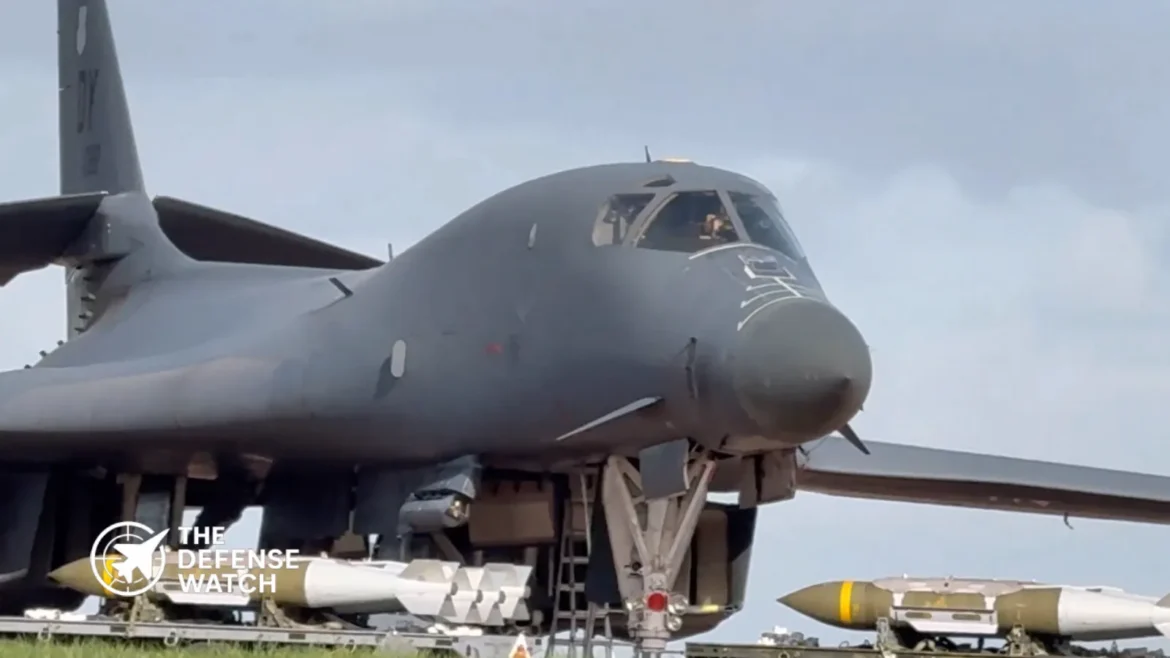
- The United States currently has about 15 strategic bombers deployed at RAF Fairford in the United Kingdom.
- Video footage shows B 1B bombers being loaded with bunker penetrating JDAM guided bombs.
- The shift suggests improved air superiority over parts of Iran, enabling direct bomber strikes on hardened facilities.
- The deployed force reportedly includes 12 B 1B bombers and 3 B 52 strategic bombers operating from the UK.
- Analysts view the development as a possible expansion of US targeting against underground infrastructure.
US B 1B Bombers At RAF Fairford Load Bunker Buster JDAMs For Iran Strike Missions
US B 1B bombers deployed at RAF Fairford are now being loaded with bunker buster JDAM guided bombs, according to newly released footage showing preparations for strike missions connected to operations against Iran. The images suggest that American forces may now be targeting hardened underground sites rather than relying only on stand off cruise missiles.
Video circulating from RAF Fairford shows US Air Force ground crews loading heavy precision guided bombs onto B 1B Lancer bombers. The activity signals a possible shift in operational conditions over Iran, where the ability to conduct direct bomber strikes would indicate improved control of contested airspace.
The Big Picture
The deployment of long range US bombers to the United Kingdom reflects a broader strategy of projecting global strike power while maintaining operational flexibility. RAF Fairford has long served as a key forward operating location for US bomber task forces supporting operations in Europe, the Middle East, and North Africa.
The current force presence is notable in scale. Reports indicate that around 15 strategic bombers are currently operating from the base. This includes 12 B 1B Lancer aircraft and three B 52 Stratofortress bombers.
Such deployments form part of the US Air Force bomber task force concept, which rotates strategic bombers through allied bases to demonstrate deterrence, maintain readiness, and provide rapid strike capability against emerging threats.
In the current context, the bomber presence also supports US military operations connected to escalating tensions and ongoing strikes involving Iran.
What Is Happening
Recent footage from RAF Fairford shows US B 1B bombers being loaded with bunker penetrating Joint Direct Attack Munition bombs. These weapons convert conventional gravity bombs into precision guided munitions using satellite guidance.
The bombs seen in the footage appear configured for attacks on hardened targets such as underground bunkers, fortified command posts, or weapons storage sites.
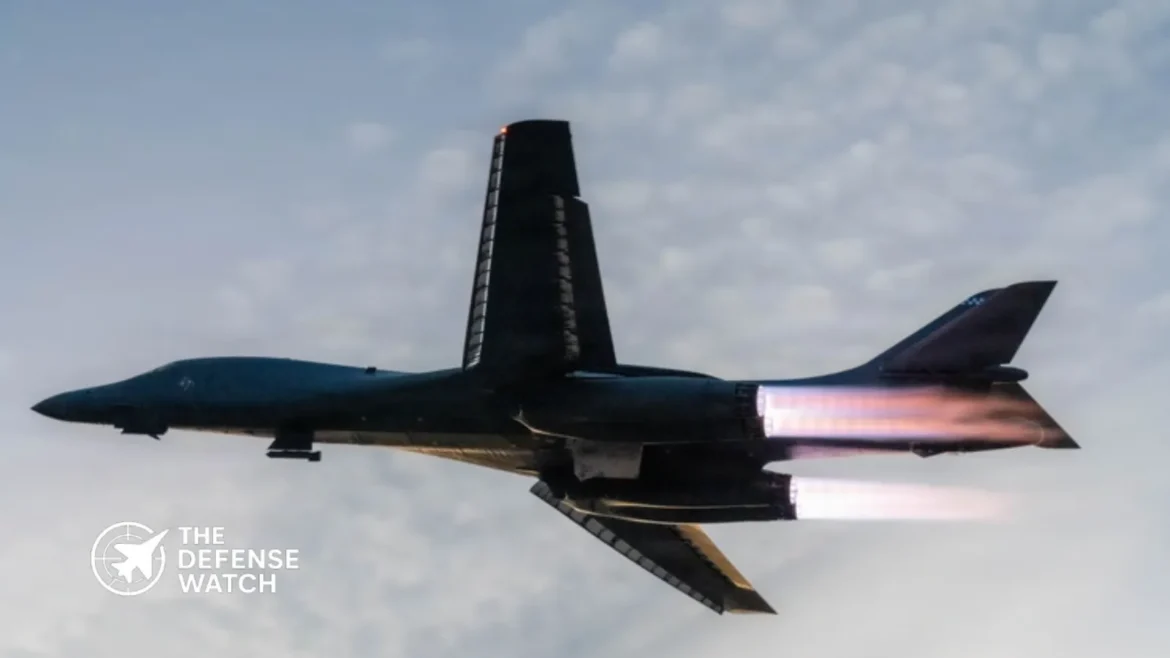
The B 1B Lancer is capable of carrying large payloads of precision weapons and can deliver them at high speed over long distances. Although the aircraft no longer carries nuclear weapons, it remains one of the most capable conventional strike platforms in the US Air Force inventory.
The presence of bunker buster JDAMs indicates that American planners may be preparing to strike infrastructure protected by reinforced concrete or buried facilities.
Previous phases of the campaign reportedly relied heavily on long range cruise missiles launched from aircraft or naval platforms. Those weapons allow strikes without entering contested airspace.
Direct bomber delivered weapons require greater air superiority.
Why It Matters
The appearance of bunker penetrating JDAMs on B 1B bombers suggests that operational conditions may have shifted in favor of US forces.
Cruise missiles are often used in the early stages of a campaign to destroy air defenses and command nodes. Once those systems are degraded, aircraft can move closer to targets and deliver heavier payloads more efficiently.
Direct bomber strikes also allow larger volumes of ordnance to reach a target area in a single sortie. A B 1B can carry dozens of precision guided bombs in one mission.
That capability significantly increases strike density against hardened infrastructure such as underground missile facilities, storage bunkers, and military headquarters.
For Iran, which has invested heavily in buried facilities and hardened sites, bunker penetrating weapons pose a serious threat.
Strategic Implications
The concentration of US bombers at RAF Fairford highlights Washington strategic emphasis on long range strike capability. Forward basing allows bombers to reach targets across the Middle East without relying solely on regional bases that may be politically sensitive or vulnerable to retaliation.
The deployment also reinforces the role of bomber task forces in modern US deterrence strategy. By positioning strategic bombers closer to conflict zones, the Pentagon can rapidly scale up strike operations while maintaining global reach.
Operationally, the use of bunker buster JDAMs suggests the United States may be attempting to degrade Iran military infrastructure more deeply than earlier phases of the campaign.
Underground facilities often house missile stockpiles, command centers, and nuclear related infrastructure.
Destroying those sites requires precision weapons capable of penetrating reinforced structures.
Competitor View
Iran has long built key military facilities underground specifically to survive air strikes. The use of bunker penetrating bombs signals that US planners are targeting these hardened assets.
From Tehran perspective, bomber operations launched from Europe expand the geographic scope of the conflict. The ability of US bombers to operate from distant bases complicates Iranian efforts to deter or disrupt the campaign.
Russia and China are also likely monitoring the operation closely. Both countries track US bomber deployments as indicators of American power projection capabilities and operational doctrine.
Large scale bomber deployments to forward bases demonstrate the flexibility of the US strategic strike network.
What To Watch Next
Several indicators will reveal whether the campaign is expanding further.
Additional bomber deployments to RAF Fairford or other allied bases could signal a prolonged air campaign. Satellite imagery may also reveal increased sortie rates or changes in aircraft weapons configurations.
Another key indicator will be whether other strike platforms join the effort. Carrier aviation, stealth aircraft, or long range strike drones could complement bomber operations.
Military analysts will also watch for signs of intensified targeting against hardened infrastructure inside Iran.
Capability Gap
Bunker penetrating weapons address a specific operational challenge. Many high value military assets today are located underground to protect them from air attack.
Traditional bombs often fail to destroy these facilities unless they achieve precise penetration before detonation.
JDAM equipped penetrator bombs provide greater accuracy and destructive effect against reinforced structures.
However, these weapons still require aircraft to operate close enough to the target area. That creates exposure to air defense systems if those defenses remain active.
Even with air superiority, hardened underground complexes can remain difficult to fully neutralize.
The Bottom Line
The loading of bunker buster JDAMs onto US B 1B bombers at RAF Fairford signals a possible shift toward deeper strikes against hardened Iranian military infrastructure.
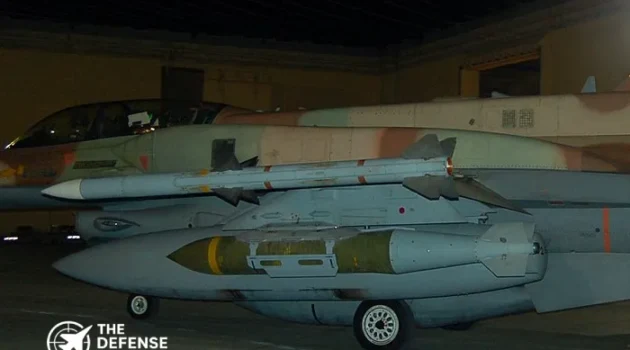
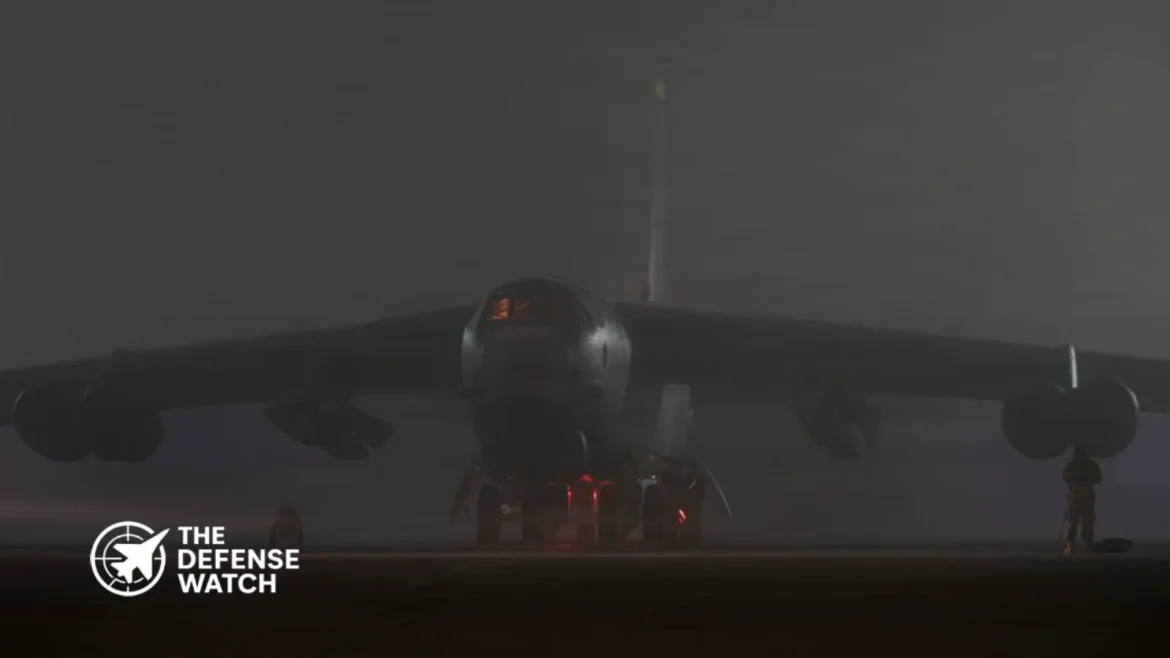
- U.S. Air Force deployed three B-52H Stratofortress bombers to RAF Fairford in the United Kingdom on March 9, 2026.
- The aircraft can carry large payloads including AGM-158 JASSM cruise missiles and precision guided bombs.
- Deployment strengthens the U.S. long-range strike posture as operations against Iranian military targets intensify.
- RAF Fairford now hosts a concentration of U.S. strategic bombers including B-1B and B-52H aircraft.
- Forward basing significantly reduces mission duration compared with bomber sorties launched from the continental United States.
U.S. Deploys B-52H Stratofortress Bombers To UK
The B-52H Stratofortress bomber deployment to the United Kingdom marks a significant expansion of U.S. long-range strike capability as Washington increases pressure on Iranian military infrastructure. Three U.S. Air Force B-52H bombers arrived at Royal Air Force Fairford on March 9, 2026, reinforcing a growing concentration of American strategic aircraft in Europe supporting ongoing operations targeting Iran.
(adsbygoogle = window.adsbygoogle || []).push({});The deployment follows earlier arrivals of B-1B Lancer bombers to the same base, creating one of the largest U.S. bomber task force groupings in Europe in recent years.
The Big Picture
The United States increasingly relies on forward-deployed strategic bombers to provide rapid long-range strike options during regional crises. Heavy bombers such as the B-52H, B-1B Lancer, and B-2 Spirit form the backbone of America’s conventional global strike capability.
Positioning these aircraft in Europe allows the United States to project power into the Middle East, Eastern Europe, and North Africa without relying solely on bases inside the immediate conflict zone.
RAF Fairford in the United Kingdom has long served as a key staging location for U.S. bomber operations in Europe. The base supports Bomber Task Force rotations and offers the infrastructure required for sustained heavy bomber deployments, including long runways, maintenance facilities, and access to aerial refueling support.
(adsbygoogle = window.adsbygoogle || []).push({});The current deployment underscores how NATO territory continues to play a critical role in enabling U.S. military operations beyond Europe.
What’s Happening
Three B-52H Stratofortress bombers arrived at RAF Fairford after flying from Minot Air Force Base in North Dakota. The aircraft were tracked crossing the Atlantic before landing at the Gloucestershire base on March 9.
Their arrival follows the earlier deployment of eight B-1B Lancer bombers, bringing the total number of U.S. strategic bombers at the base to roughly eleven aircraft.
These bombers form part of the expanding U.S. air campaign targeting Iranian ballistic missile infrastructure and command facilities as part of the ongoing operation known as Operation Epic Fury.
According to open-source imagery and flight tracking data, the B-52H bombers involved in the deployment are capable of carrying multiple AGM-158 Joint Air-to-Surface Standoff Missiles (JASSM). Each aircraft can reportedly carry up to twenty of these precision-guided cruise missiles when combining external pylons with internal rotary launchers.
This weapons configuration allows the aircraft to strike heavily defended targets from outside advanced air defense systems.
Why It Matters
Heavy bomber deployments provide the United States with several operational advantages during high-intensity conflicts.
First, the B-52H offers exceptional payload capacity. The aircraft can deliver large volumes of precision-guided munitions in a single sortie, making it well suited for sustained strike campaigns against infrastructure such as missile launch sites, command centers, and hardened facilities.
(adsbygoogle = window.adsbygoogle || []).push({});Second, the bomber’s long range allows it to operate from secure bases outside the immediate conflict zone. This reduces vulnerability to enemy missile attacks while still maintaining access to regional targets.
Forward basing in the United Kingdom significantly shortens flight times compared with launching missions from the continental United States. A round-trip strike from North America to the Middle East can exceed thirty hours, whereas operations from RAF Fairford are considerably shorter and allow faster sortie generation.
This improvement in operational tempo can become decisive during prolonged air campaigns.
Strategic Implications
The B-52H bomber deployment to the United Kingdom strengthens the United States’ deterrence posture while signaling the ability to sustain large-scale strike operations if necessary.
Concentrating multiple bomber types in Europe creates a flexible strike package. B-1B bombers provide high payload capacity for conventional precision weapons, B-2 aircraft offer stealth penetration against heavily defended targets, and B-52H bombers deliver high-volume standoff missile attacks.
Together, these aircraft form a layered strike architecture capable of targeting a wide range of objectives.
The deployment also highlights the growing role of NATO infrastructure in supporting U.S. operations beyond Europe. Allied bases provide logistical depth, secure basing, and access to critical aerial refueling networks that enable global strike missions.
For U.S. planners, maintaining this network remains essential for rapid crisis response.
(adsbygoogle = window.adsbygoogle || []).push({});Competitor View
Iran is likely to interpret the B-52H deployment as a signal that Washington is preparing to maintain a sustained strike capability rather than limited or symbolic operations.
Strategic bombers represent some of the most visible elemen
ts of American military power. Their deployment often serves both operational and signaling purposes.
From Tehran’s perspective, the presence of B-52H and B-1B bombers in Europe suggests that the United States can maintain continuous strike operations while rotating aircraft and crews to sustain pressure on Iranian military infrastructure.
Russia and China may also view the deployment as part of a broader demonstration of U.S. global strike capability. Both countries closely monitor bomber task force deployments because they reveal how quickly the United States can shift strategic assets between theaters.
What To Watch Next
Several developments will likely determine how the situation evolves in the coming weeks.
One factor will be whether additional bomber aircraft join the deployment. The United States frequently rotates bomber task force elements during active operations to maintain readiness and distribute operational load across multiple units.
Another indicator will be the type of weapons employed in upcoming missions. Long-range cruise missiles such as JASSM enable stand-off attacks, while heavier precision bombs may indicate operations against hardened facilities.
Satellite imagery, flight tracking data, and official military announcements will continue to provide clues about the scale and tempo of ongoing operations.
Capability Gap
The deployment addresses a key operational challenge facing long-range strike missions: distance.
Launching heavy bomber missions from the continental United States to targets in the Middle East requires complex aerial refueling chains and extremely long flight durations. Such missions place strain on aircraft crews and reduce the number of sorties that can be generated.
Forward basing bombers in Europe closes this gap. Aircraft can reach operational areas more quickly while maintaining high payload capacity and stand-off strike capability.
(adsbygoogle = window.adsbygoogle || []).push({});However, strategic bombers still rely heavily on aerial refueling, intelligence support, and secure airspace access to conduct sustained operations.
The Bottom Line
The B-52H Stratofortress bomber deployment to the United Kingdom significantly strengthens the United States’ ability to conduct sustained long-range strike operations against Iranian military targets.
 ■ KEY FACTS AT A GLANCE
- ► The United Kingdom declined U.S. requests to use British military bases for potential strikes on Iran.
- ► Bases affected include RAF Fairford in Gloucestershire and the joint UK-U.S. base on Diego Garcia.
- ► London cited legal concerns over participation in a strike without clear international mandate.
- ► President Donald Trump criticized the decision, linking it to broader defense cooperation issues.
- ► The move highlights growing legal and diplomatic limits within allied military planning.
UK Restricts U.S. Use Of Bases In Iran Context
The United Kingdom has refused to approve access for United States forces to use British military bases for potential air operations against Iran, according to multiple reports. That includes RAF Fairford in Gloucestershire, a key hub for U.S. heavy bombers in Europe, and the joint UK-U.S. facility on Diego Garcia in the Indian Ocean.
British government officials, speaking on condition of anonymity to press outlets, said London is withholding consent on legal grounds. They cited concern that participation in a pre-emptive strike without a clear international legal mandate could expose the UK to liability under international law. Under British policy, states that knowingly assist in operations later judged unlawful may share responsibility for those actions.
Diplomatic Fallout Between London And Washington
The denial has prompted public criticism from U.S. President Donald Trump, who has taken to social media and press statements to link his opposition to Britain’s decision with broader disputes over defence arrangements. That includes recent British proposals to transfer sovereignty of the Chagos Islands, which host the joint base at Diego Garcia, to Mauritius under a long-term leaseback agreement. Trump called the decision a strategic error, stating continued access may be needed to counter threats from Tehran.
The interplay between this base access issue and the Chagos deal reflects deeper frictions between allied strategic priorities and legal constraints. Washington sees Diego Garcia and RAF Fairford as critical assets for long-range operations, including contingency planning related to Iran’s nuclear program and potential escalation scenarios.
Strategic And Legal Considerations
RAF Fairford in south-west England has been a central node for U.S. heavy bombers including B-52 and strategic airlift operations in past Middle East campaigns. Diego Garcia’s geographic position in the Indian Ocean gives long-range aircraft operational reach across the Middle East without staging through intermediate bases.
However, reciprocal defence cooperation agreements generally require host-nation approval for wartime use of facilities. In this case the UK’s position appears rooted in legal advice that direct support for a U.S. offensive lacking a clear UN mandate could stretch international law norms.
Regional Context: Iran And U.S. Pressure
Tensions between the United States and Iran have been intensifying in recent weeks amid stalled talks over Tehran’s nuclear program and warnings from Washington of potential consequences. U.S. officials have extended deadlines and signalled an increase in military readiness in the region, including deployments of additional naval and air assets.
Iran continues to seek diplomatic avenues to defuse the situation, but hard-line rhetoric and reciprocal warnings have kept pressure high on Western capitals weighing their next moves. Military access disputes between allies add complexity to an already tense strategic picture in and around the Middle East.
What This Means For Defence Relations
The UK’s decision marks a notable instance in which a long-time military partner has constrained U.S. operational options. Analysts say it underscores the growing role that legal and diplomatic considerations play in coalition planning, even as geopolitical threats persist. Continued dialogue between London and Washington is expected as both governments balance alliance commitments with legal obligations and domestic political considerations.