U.S. Air Force Launches New Bomber Readiness Drive
The U.S. Air Force is pushing to increase U.S. bomber readiness by putting more B-52 Stratofortress and B-1B Lancer aircraft into mission-capable status under a new initiative called the North Star Readiness Campaign.
Air Force Global Strike Command launched the campaign with Air Force Materiel Command and the Defense Logistics Agency. The effort is focused on the practical factors that determine how many bombers can actually be generated for operations, including spare parts, engineering support, depot maintenance and supply-chain performance.
Takeaways
The U.S. Air Force has launched a focused campaign to increase the number of mission-capable B-52 and B-1 bombers by addressing parts shortages, maintenance delays and supply-chain problems.
The initiative comes as the Air Force manages an aging bomber fleet while simultaneously modernizing the B-52, sustaining the B-1 and preparing for the expanding B-21 Raider program.
The distinction is important. Buying or upgrading aircraft does not automatically translate into combat power if aircraft remain unavailable because of maintenance requirements or missing components.
Parts Availability Becomes A Central Readiness Issue
One of the clearest findings from the North Star campaign is the effect of supply-chain delays on bomber availability.
According to Air Force Global Strike Command, mission-impacting parts problems, known as Mission Impaired Capability Awaiting Parts, or MICAPs, have fallen from more than 450 to approximately 160 since the campaign began.
The campaign has also established daily aircraft-on-ground meetings involving DLA personnel, supply-chain specialists, base logistics organizations and flight-line maintainers.
The purpose is straightforward: identify the component preventing an aircraft from completing maintenance, locate the part and move it to the required location as quickly as possible.
Some lateral shipments that previously required more than a week can now be completed in approximately two to three days, according to the Air Force.
That improvement matters because bomber readiness is affected not only by major scheduled maintenance but also by comparatively small component shortages. A single unavailable part can prevent an otherwise serviceable aircraft from generating a mission.
B-1B Lancer Receives Particular Attention
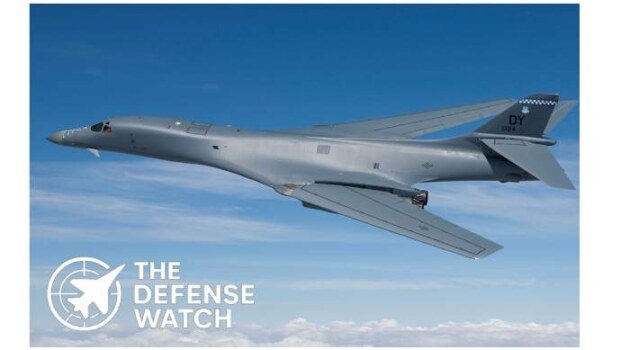
The B-1B Lancer is receiving specific attention under the campaign, particularly for structural and avionics components.
Air Force Global Strike Command said the B-1 sustainment effort is designed to improve parts availability while streamlining depot-level maintenance. The objective is to return aircraft to the operational fleet more quickly and reduce the likelihood that future component shortages become mission-stopping events.
The B-1 remains a significant conventional long-range strike platform. The aircraft can carry a large conventional weapons load and is designed for long-range operations, giving combatant commanders another option for delivering conventional strike effects over long distances.
The readiness problem is therefore not simply an issue of aircraft age. It is also a question of how effectively the Air Force can maintain a shrinking and increasingly specialized fleet while continuing to support aircraft that have undergone extensive modernization.
A recent example illustrates the challenge. In May 2026, the Air Force reported that a B-1B returned to operational status following almost two years of work after spending time in storage at the 309th Aerospace Maintenance and Regeneration Group at Davis-Monthan Air Force Base.
That case demonstrates the potential value of depot capacity and regeneration work, but it also shows why accelerating maintenance throughput can have a direct effect on available bomber capacity.
B-52 Modernization Adds Another Layer
The B-52H represents a different sustainment challenge.
The aircraft has been in U.S. service for decades, but the Air Force continues to invest in upgrades intended to keep the platform relevant for future long-range strike missions.
The B-52 is undergoing modernization that includes an upgraded radar and the Commercial Engine Replacement Program. The Air Force has also described the bomber as a platform expected to remain in service well into the future.
The upgraded radar is particularly significant from a sustainment perspective. The Air Force has said the new active electronically scanned array radar is replacing the aircraft’s aging legacy radar and is intended to improve navigation, targeting and maintainability.
At the same time, modernization introduces additional engineering and maintenance requirements.
This creates a delicate balance. The Air Force must keep aircraft flying while modifying systems that are themselves essential to the aircraft’s future operational usefulness.
Bomber Fleet Status
The current U.S. bomber force is built around three operational legacy types, with the B-21 entering the force as the next-generation platform.
Bomber Primary Role Current Position B-1B Lancer Conventional long-range strike Sustainment and readiness improvements B-2 Spirit Stealth penetrating strike Continued sustainment pending B-21 transition B-52H Stratofortress Long-range conventional and nuclear strike Extensive modernization B-21 Raider Next-generation penetrating strike Testing, production expansion and introduction Air Force Global Strike Command says the B-52 and B-1 are being upgraded to remain operational for decades, while the B-2 will continue to be sustained until the B-21 is fully operational.
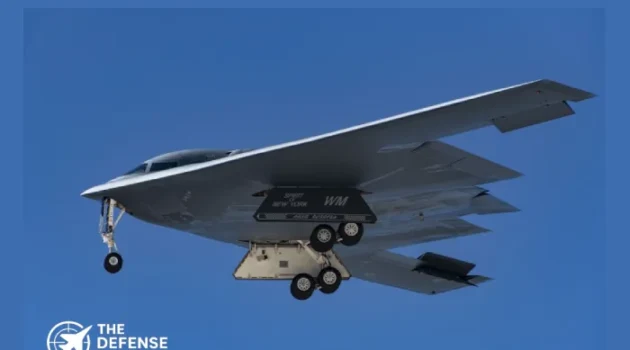
The B-2 also illustrates why aircraft availability can have outsized strategic importance.
In July 2026, a B-2 known as the Spirit of Ohio returned to the fleet after completing programmed depot maintenance. The Air Force said returning the aircraft directly increased the number of available bombers while providing additional flight hours for crew training and readiness.
The B-2 fleet currently consists of 20 aircraft, including one test aircraft, according to the Air Force’s May 2026 fact sheet.
That small fleet size makes the availability of individual aircraft particularly important.
Why Bomber Availability Matters
The immediate value of the North Star campaign is not the creation of additional bombers. It is the effort to increase the percentage of the existing fleet that can actually perform assigned missions.
For a global long-range strike force, that distinction is critical.
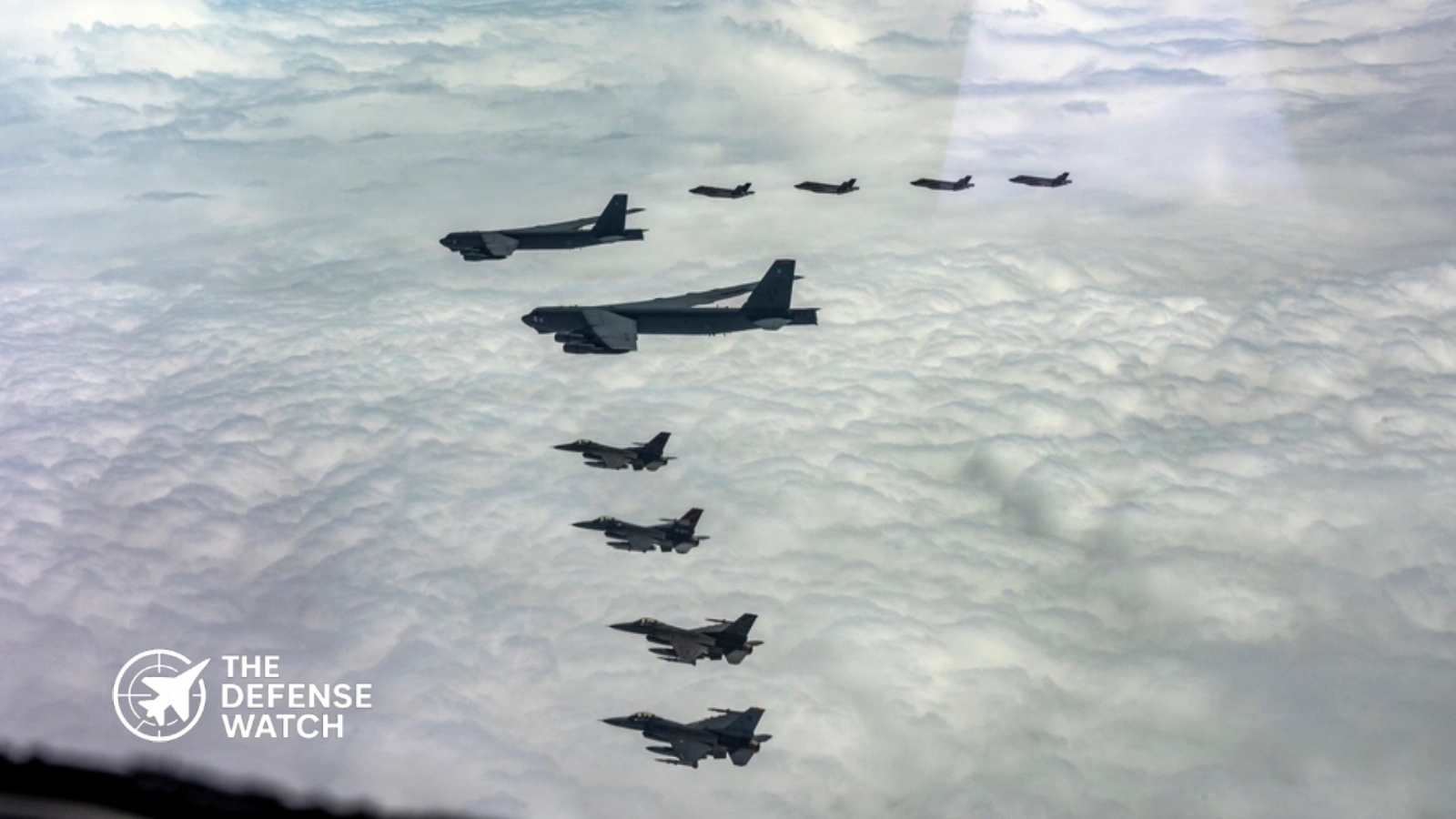
The United States uses bomber deployments to demonstrate the ability to move combat power over long distances and to support deterrence missions with allies and partners. Air Force Global Strike Command’s Bomber Task Force construct is designed to provide flexible deployments while assuring allies and deterring adversaries.
A larger mission-capable fleet gives commanders more flexibility to conduct training, deployments, exercises and contingency operations without consuming the entire available aircraft pool.
It also reduces the pressure created when scheduled maintenance, unscheduled repairs and operational taskings compete for the same aircraft.
From a force-generation perspective, improving logistics can therefore produce additional usable capacity without immediately requiring the purchase of another airframe.
The B-21 Is The Long-Term Answer, But Not The Immediate One
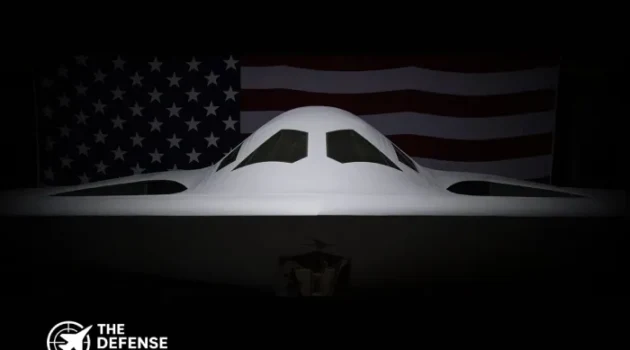
The North Star campaign also has to be viewed alongside the B-21 Raider transition.
The Air Force is accelerating B-21 production capacity. In February 2026, the Department of the Air Force and Northrop Grumman agreed to increase annual production capacity by 25 percent using $4.5 billion in previously authorized and appropriated funding.
The B-21 has also continued flight testing and systems maturation. In April 2026, the Air Force highlighted aerial refueling testing with a KC-135 as part of the program’s development of long-range penetrating strike capability.
In July, the Air Force announced that the B-21 will operate with a two-pilot crew configuration.
These developments point toward a future bomber force increasingly centered on the B-21, but the transition will take time.
That creates a near-term requirement to keep the B-1, B-2 and B-52 available while the new bomber enters operational service.
The Sustainment Problem Is As Important As The Aircraft
The North Star initiative highlights a broader issue facing advanced military aviation.
Aircraft availability depends on more than the number of airframes owned by a service. It depends on engines, avionics, structural components, technical expertise, depot capacity, supply-chain responsiveness and the ability to identify emerging failures before they ground aircraft.
For older platforms, those challenges can become more difficult because manufacturers may no longer produce certain components at scale and maintenance organizations may need to manage increasingly specialized parts.
The Air Force’s approach under North Star is therefore notable because it brings operational commanders, acquisition and sustainment organizations and logistics personnel into the same readiness effort.
That approach targets the complete maintenance chain rather than treating each delay as an isolated problem.
Readiness Improvements Support U.S. Global Strike Capacity
The United States continues to rely on long-range bombers for a combination of conventional strike, nuclear deterrence, force projection and allied assurance.
The B-52 provides substantial weapons capacity and long-range endurance. The B-1 supplies a large conventional weapons payload and high-speed long-range strike capability. The B-2 provides a penetrating stealth capability against heavily defended targets. The B-21 is being developed to provide the next generation of survivable long-range strike capability.
Keeping those aircraft available requires more than modernization programs.
The North Star Readiness Campaign shows that supply-chain performance and maintenance throughput can directly influence the amount of combat power available to U.S. commanders on any given day.
For the Air Force, the immediate objective is therefore straightforward: return more aircraft to service, keep them flying safely and prevent parts shortages from becoming avoidable barriers to operations.
The broader goal is to maintain sufficient bomber capacity during the transition from the legacy fleet to the B-21.