Canada Reviews Gripen Fighter Jets as Alternative to U.S. F-35 Program
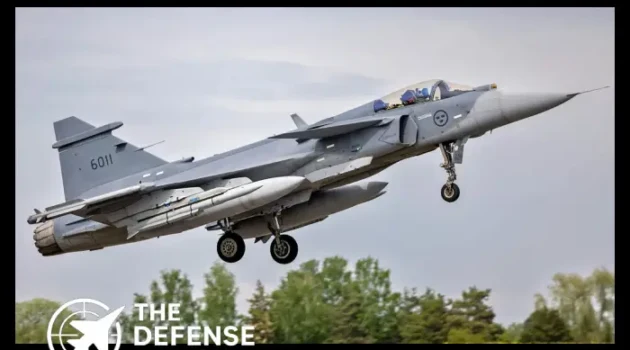
Canada is reassessing its long-term combat aircraft modernization path, with government sources indicating renewed interest in the Swedish-built Gripen fighter jets as an alternative to the U.S.-made F-35. The development surfaced this week following reporting from Newsweek, suggesting growing discussions within Ottawa regarding potential procurement diversification amid cost, operational suitability, and industrial partnership considerations.
The review comes as Canada continues to modernize its air capabilities under national defense commitments, including participation in NORAD and NATO missions. While Ottawa previously committed to acquiring F-35 aircraft to replace aging CF-18 Hornets, the emergence of Sweden’s Gripen fighter jets as a serious option marks a notable shift in the procurement narrative.
Background: Canada’s Search for a Next-Generation Fighter
Canada’s effort to replace its legacy fleet has spanned more than a decade, with multiple governments debating cost, industrial benefits, and strategic alignment. The F-35 program, led by the United States, attracted Canadian participation through interoperability advantages and alliance standardization.
However, Gripen fighter jets have continued to feature in comparative evaluations due to lower lifecycle costs, simplified maintenance, and suitability for harsh climate operations—attributes of interest for Royal Canadian Air Force basing in Arctic regions.
Saab, the Swedish manufacturer, has positioned Gripen as a flexible and cost-efficient platform for nations seeking advanced capability without the financial scale of fifth-generation fighter procurement.
Details and Emerging Policy Signals
According to Newsweek’s reporting, unnamed officials referenced renewed evaluation discussions, suggesting the government is examining procurement structures and defense industry implications. No formal announcement has been made, and Canadian defense authorities have not issued confirmation or public comment on the extent of the review.
The Gripen fighter jets offer several features relevant to Canada’s operational landscape, including:
- Short runway requirements
- Ease of serviceability in remote regions
- Modular avionics architecture
- Potential domestic industrial participation
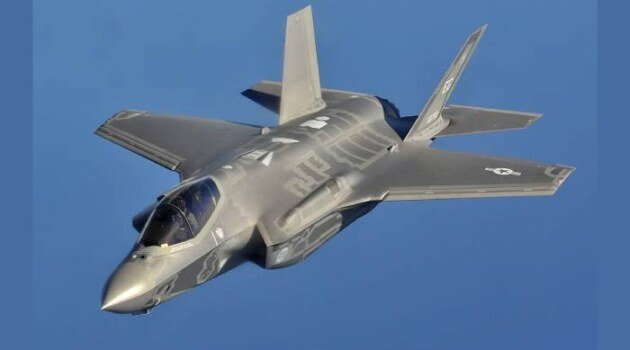
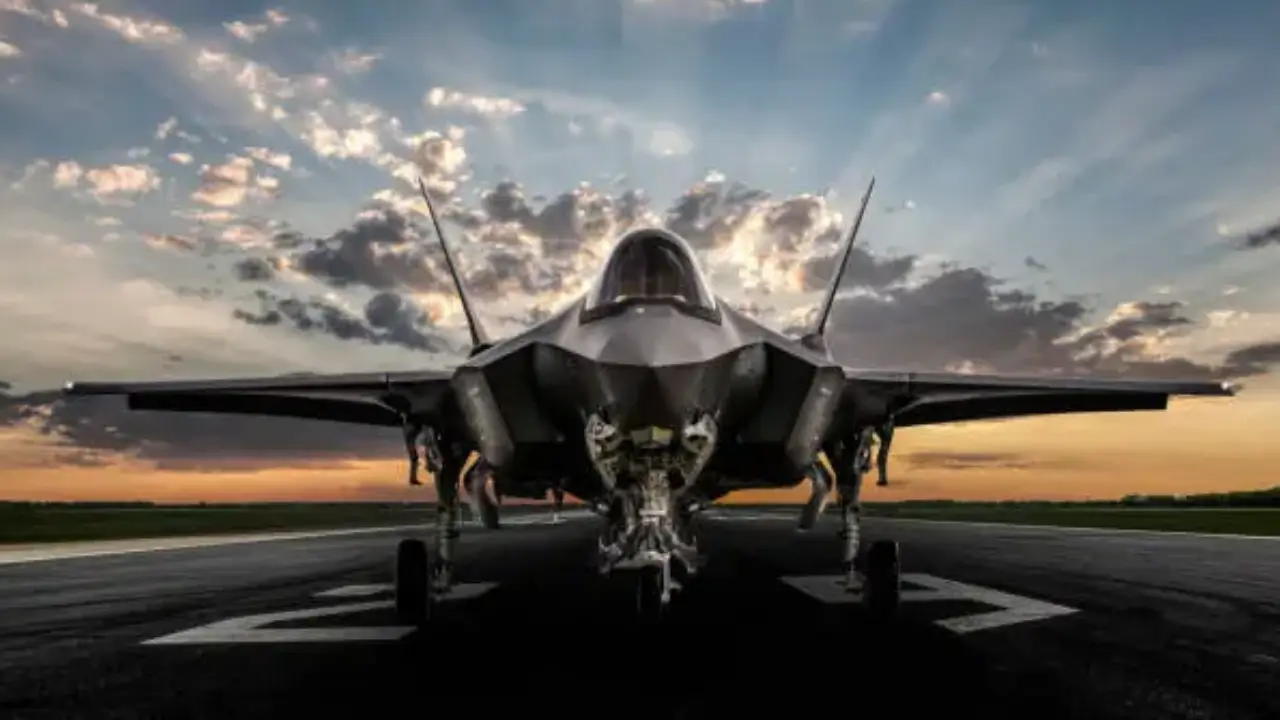
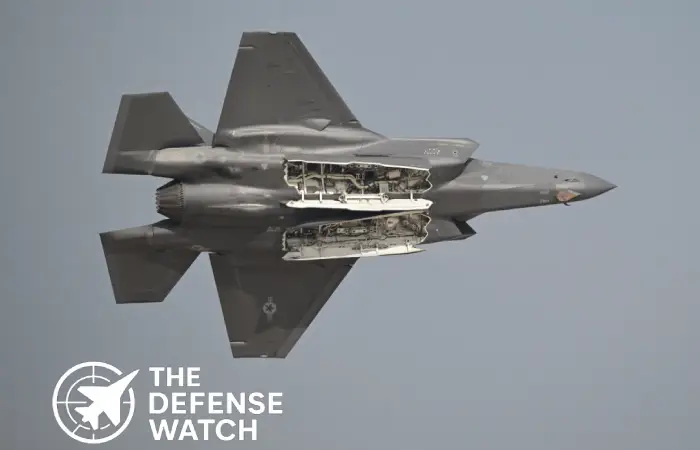
In contrast, the F-35 remains the standard platform within key Western defense alliances, offering stealth characteristics, integrated sensor fusion, and deep interoperability—factors particularly relevant to NATO joint operations.
Economic considerations also continue to influence deliberations. The cost of the F-35 program, including maintenance and sustainment pathways, has been a recurring topic in parliamentary discussions. Gripen fighter jets, by comparison, carry lower estimated lifecycle expenditures, making them a point of interest in national budget planning.
Expert and Policy Perspectives
Defense analysts note that a shift toward Gripen fighter jets would represent a geopolitical and strategic signal, potentially affecting U.S.–Canada defense alignment. Interoperability within NORAD, a core bilateral defense structure, remains a critical factor in aircraft selection.
Industry experts have also referenced potential domestic production offsets—a long-standing priority in Canadian defense procurement policy. Sweden has historically offered industrial cooperation packages as part of international Gripen proposals, a model attractive to nations seeking domestic aerospace development.
However, specialists emphasize that any transition away from the F-35 would require extensive evaluation, coordination across alliance frameworks, and renegotiation of existing procurement alignments.
What Comes Next
While no immediate policy shift has been announced, the emergence of Gripen fighter jets in Canada’s ongoing defense discussions suggests a period of continued evaluation. The government is expected to review cost analyses, capability assessments, and strategic partnership implications before issuing formal direction.
Future updates may align with upcoming defense budget cycles, NORAD modernization milestones, or parliamentary defense committee hearings. Observers expect increased attention on procurement transparency, industrial participation models, and operational suitability of aircraft platforms for Arctic sovereignty missions.