

Switzerland Patriot Missile System Deal Faces Uncertainty
The Switzerland Patriot missile system program is under renewed scrutiny after government officials confirmed that canceling the deal remains a viable option, reflecting growing pressure over defense spending and procurement priorities.
According to Reuters reporting, Swiss authorities are reassessing the purchase of the U.S.-made Patriot air defense system as part of a broader review of military modernization costs. The Patriot system had been selected as a cornerstone of Switzerland’s future ground based air defense architecture.
The development highlights a rare moment of uncertainty in a major European missile defense acquisition, especially at a time when many countries are accelerating air and missile defense investments in response to evolving security threats.
- Switzerland says canceling its Patriot missile system order remains an option amid budget concerns.
- The Patriot system was selected to modernize Switzerland’s ground based air defense network.
- Rising costs and procurement scrutiny have triggered political debate over the deal.
- The system is intended to counter aircraft, cruise missiles, and ballistic threats.
- Any cancellation could reshape Switzerland’s long term air defense strategy and partnerships.
Cost Pressures And Political Debate Intensify
The potential cancellation stems largely from rising costs tied to the Switzerland Patriot missile system deal. Swiss officials have signaled concern that overall program expenses may exceed initial projections, placing strain on the country’s defense budget.
This has triggered debate within Switzerland’s political landscape, where defense spending decisions are closely scrutinized. Lawmakers and stakeholders are weighing whether the Patriot system remains the most cost effective solution for national air defense.
While no final decision has been made, the willingness to consider cancellation suggests a shift toward more cautious procurement planning, even as regional security dynamics grow more complex.
From an analytical standpoint, this reflects a broader European trend where governments are balancing urgent defense needs against fiscal constraints. Unlike frontline NATO states, Switzerland maintains a neutral posture, which can influence how aggressively it pursues high end military systems.
Strategic Importance Of The Patriot System
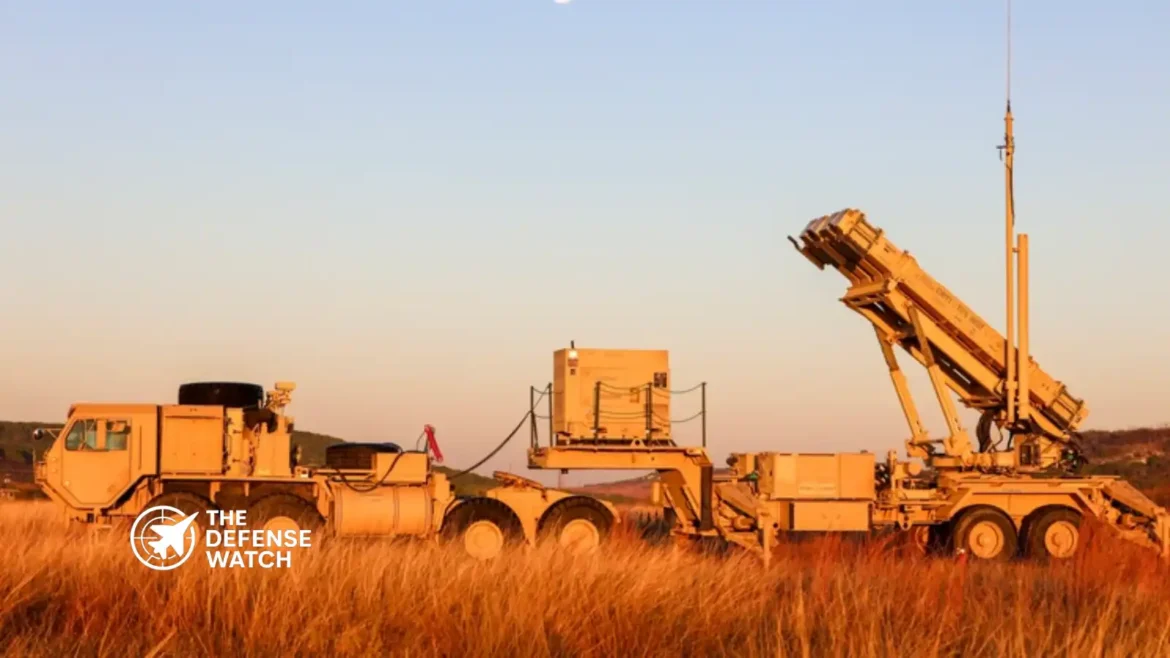
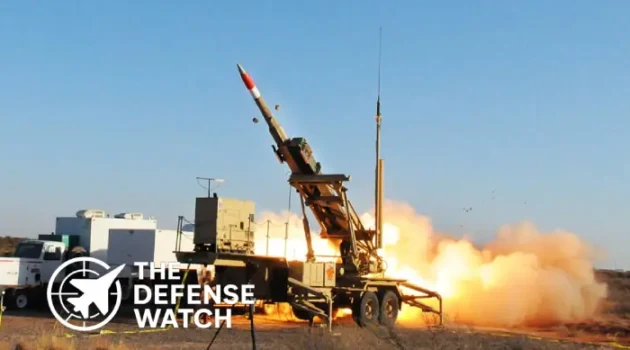
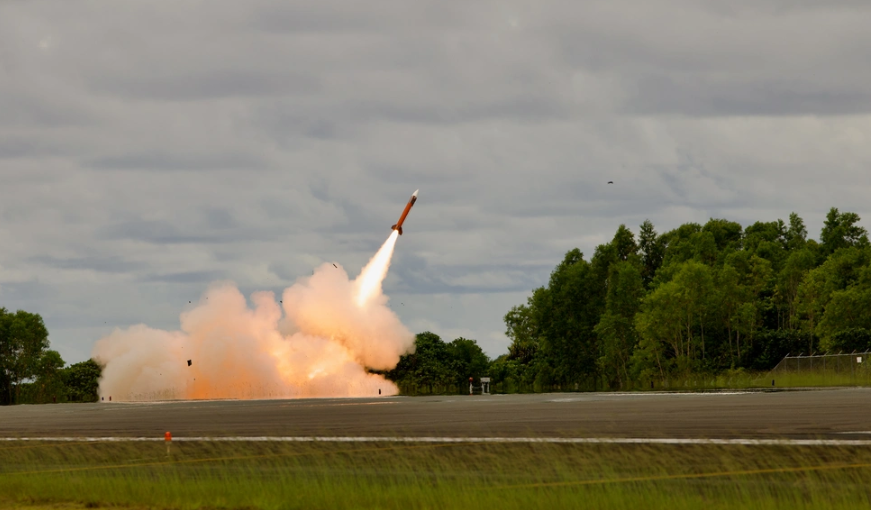
The Patriot air defense system, developed by the United States, is widely regarded as one of the most capable surface to air missile platforms in service today. It is designed to intercept a range of threats, including aircraft, cruise missiles, and certain ballistic missiles.

Image : U.S. Army For Switzerland, the Patriot system was intended to replace aging air defense assets and provide a modern, layered defense capability. Its integration would significantly enhance the country’s ability to detect and respond to advanced aerial threats.
Canceling the Switzerland Patriot missile system deal could create a capability gap, particularly in high altitude and long range interception. This would force Swiss defense planners to explore alternative solutions, potentially delaying modernization timelines.
Broader Implications For European Defense
The uncertainty surrounding the Switzerland Patriot missile system deal carries implications beyond national borders. European countries are increasingly prioritizing integrated air and missile defense networks, often relying on interoperable systems sourced from allied partners.
A cancellation could signal hesitation toward high cost U.S. defense systems, potentially opening the door for European alternatives or hybrid procurement strategies. It may also influence how other smaller nations approach large scale defense acquisitions.
At the same time, the move underscores the complexity of defense procurement in a rapidly changing threat environment. While systems like Patriot offer proven capabilities, their cost and lifecycle requirements remain significant factors in decision making.
What Comes Next
Swiss authorities have not announced a final decision, and the Switzerland Patriot missile system contract remains in place for now. Officials are expected to continue evaluating cost, capability, and strategic alignment before determining the program’s future.
If the deal proceeds, Switzerland will move forward with a major upgrade to its air defense network. If canceled, the country will need to reassess its approach, potentially delaying critical modernization efforts.
Either outcome will be closely watched across Europe, as nations navigate similar challenges in balancing defense readiness with financial sustainability.
Romania Otokar Armored Vehicle Dispute Escalates
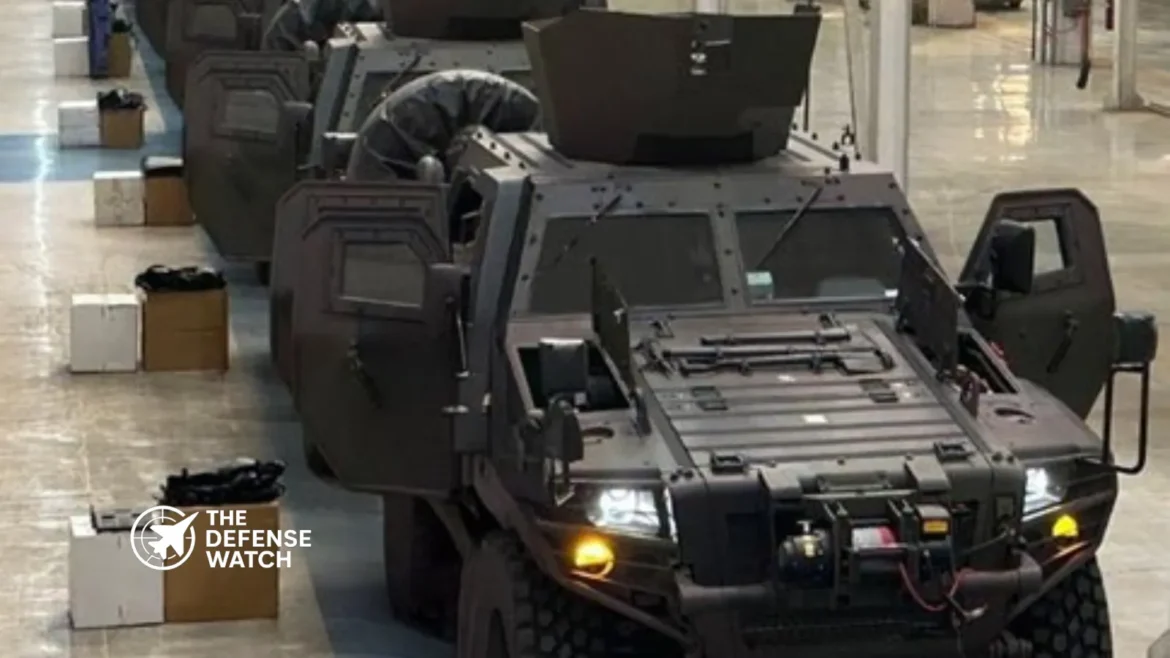
The Romania Otokar armored vehicle dispute has intensified after Romanian authorities demanded an additional 230.2 million Lei from Turkish defense contractor Otokar, citing delays in the project’s local production schedule.
(adsbygoogle = window.adsbygoogle || []).push({});The new payment request comes weeks after Romania imposed a separate penalty of 191.8 million Lei on January 16, increasing financial pressure on the company and raising questions about the future of the armored vehicle program.
According to statements released by Otokar and Romanian officials, negotiations remain ongoing as both sides seek a path forward for the contract.
Background Of The Contract
Otokar, a subsidiary of Turkey’s Koç Group, secured a contract with Romania to supply armored vehicles and establish local production capabilities. The agreement included provisions for domestic assembly and technology transfer, a key priority for Romania as it modernizes its land forces.
Romania, a NATO member on the alliance’s eastern flank, has accelerated defense procurement since 2022. The country has expanded acquisitions across air defense, artillery, and armored platforms in response to shifting regional security dynamics.
Under the terms of the armored vehicle agreement, Otokar committed to meeting defined production milestones within Romania. Authorities in Bucharest now argue those timelines were not met, triggering contractual penalty clauses.
Second Financial Claim Filed
The latest demand of 230.2 million Lei follows a previous penalty of 191.8 million Lei imposed earlier this year. Combined, the financial claims exceed 420 million Lei.
Romanian officials cited delays in the local production schedule as the basis for both penalties. The Ministry of National Defense has not publicly detailed the specific milestones in question but maintains that contractual obligations must be enforced.
(adsbygoogle = window.adsbygoogle || []).push({});Otokar confirmed it has made the requested payment while formally objecting to the decision. The company is preparing to file a lawsuit seeking annulment of the penalty, arguing that the claims lack sufficient contractual justification.
Otokar Moves To Stabilize Operations
Between the two penalty decisions, Otokar acquired its local Romanian partner, consolidating control over in-country operations. The move was seen as an effort to streamline management, accelerate production adjustments, and address compliance issues linked to the project.
Industry analysts note that acquiring a local partner can reduce coordination friction and allow faster decision making. However, such steps do not automatically resolve contractual disputes tied to prior timelines.
Otokar has stated that it remains committed to the Romanian program and to fulfilling its contractual obligations.
Legal And Contractual Implications
The Romania Otokar armored vehicle case now appears headed toward legal review. By filing a lawsuit for annulment, Otokar seeks to challenge the validity of the imposed penalties under Romanian and international contract law.
Defense procurement contracts often include strict milestone clauses tied to payments, delivery schedules, and local industrial participation requirements. Delays can trigger automatic penalties, particularly in government-to-industry agreements involving domestic production commitments.
(adsbygoogle = window.adsbygoogle || []).push({});Romania has increasingly emphasized local industrial participation in major defense acquisitions, aligning with broader European Union objectives to strengthen domestic defense manufacturing capacity.
If the court sides with Romanian authorities, Otokar may face sustained financial exposure. If the penalties are overturned, it could reset negotiations and ease tension around the project’s continuation.
Strategic Context For Romania
Romania has steadily increased its defense spending in recent years, meeting NATO’s two percent GDP target and committing to further increases. The country has invested in platforms such as the Patriot air defense system and advanced artillery systems as part of a broader modernization push.
Armored vehicles remain central to Romania’s ground force transformation strategy, particularly for mechanized infantry and rapid reaction units.
Delays in local production can affect readiness timelines and industrial planning, especially when projects are structured around technology transfer and workforce development.
Impact On Otokar
For Otokar, Romania represents a significant European market opportunity. The company has pursued expansion across NATO countries and Eastern Europe, positioning its armored vehicle platforms for international export.
The Romania Otokar armored vehicle dispute introduces both financial and reputational risk. While contractual disagreements are not uncommon in large defense programs, repeated penalty actions may complicate future bidding processes in European markets.
Otokar has emphasized its intent to continue negotiations and resolve the matter within legal frameworks. The company has not indicated any suspension of production activities.
What Happens Next
Negotiations between Otokar and Romanian authorities are ongoing. Legal proceedings, if formally initiated, could take months to resolve depending on the scope of judicial review.
(adsbygoogle = window.adsbygoogle || []).push({});Key factors to monitor include:
- Court acceptance of Otokar’s annulment request
- Potential restructuring of production milestones
- Revised delivery timelines
- Any amendment to penalty clauses
Neither side has announced termination of the contract, suggesting both remain interested in preserving the program despite current tensions.
Broader Lessons For Defense Contracts
The Romania Otokar armored vehicle case highlights several recurring themes in modern defense procurement:
- Strict enforcement of milestone-based payments
- Growing emphasis on local industrial participation
- Legal recourse as a standard dispute resolution tool
- Increased scrutiny on delivery timelines in high-priority programs
As NATO members expand military capabilities, defense contractors face tighter oversight and reduced tolerance for schedule deviations.
Conclusion
The Romania Otokar armored vehicle dispute has entered a critical phase following a second financial claim of 230.2 million Lei. With total penalties now exceeding 420 million Lei, Otokar’s legal challenge will play a central role in determining the program’s future trajectory.
(adsbygoogle = window.adsbygoogle || []).push({});Both sides continue negotiations, signaling that while tensions are high, the contract remains active.
The outcome will likely influence how future European defense contracts balance local production commitments with delivery timelines.
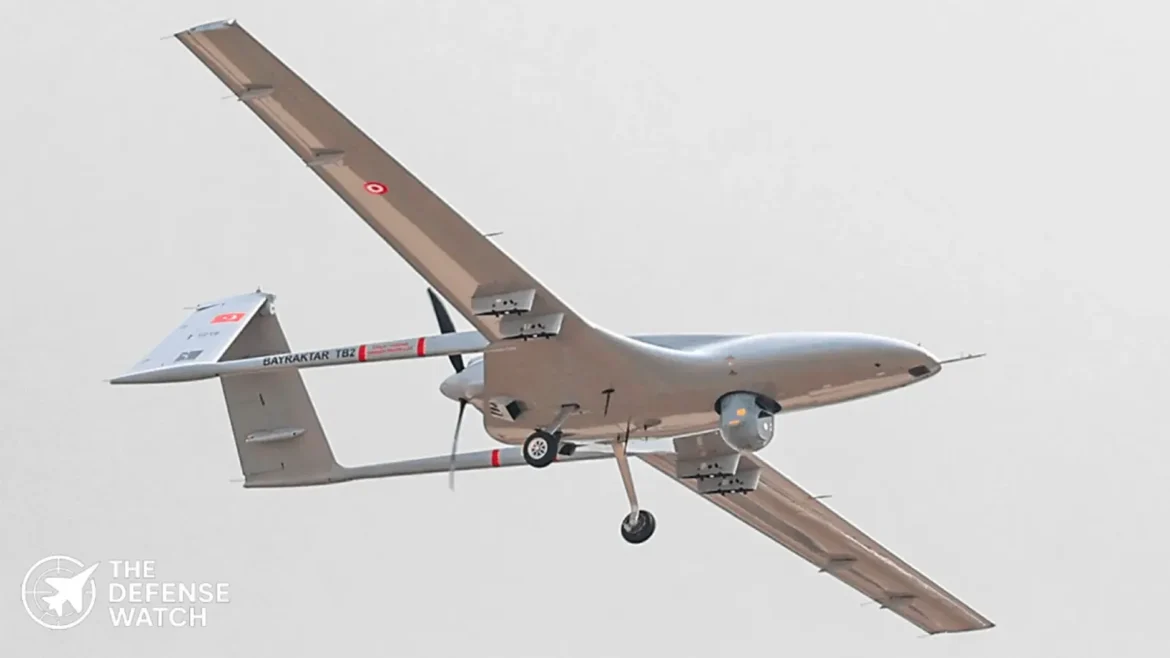
French Army Orders First Long-Range Kamikaze Drones
France has placed its first order for long-range kamikaze drones from domestic defense firms MBDA and Aviation Design, marking a key step in expanding its indigenous loitering munitions capability, according to Reuters.
The Direction General of Armaments (DGA) announced the contract in late December 2025. The drones, described by French officials as long-range remote-controlled munitions, are expected to begin delivery to the French armed forces by mid-2027. Details on the number of systems ordered and contract value were not released.
What the Order Covers
The procurement calls for loitering munitions, also known as kamikaze drones, which fly over an area to locate and strike targets by self-impact. These weapons have become a staple in modern conflicts, notably in Ukraine.
MBDA, a major European missile and drone developer, and Aviation Design, a French drone specialist, are partnering on this program to support France’s effort to build up sovereign production.
Strategic Context
France’s defense leadership has emphasized the need to strengthen domestic production of unmanned systems after witnessing the role of drones in recent conflicts. Loitering munitions have been highlighted as critical for precision strike and tactical flexibility.
The French decision comes amid broader European moves to boost drone and missile capabilities. Domestic loitering munitions programs have been progressing over the past year, including short and medium-range systems already entering service or under development.
Implications for Capability and Industry
The order is part of a broader effort by France to catch up in drone manufacturing, reducing reliance on foreign suppliers and strengthening local defense industrial capacity. French industry sources note that domestic loitering munitions programs have gained urgency given recent battlefield lessons.
Industry analysts expect this trend to support related French and European defense projects that push for autonomy in unmanned systems and precision strike capabilities.
What’s Next
First units of these long-range kamikaze drones are slated to arrive in French Army inventory around mid-2027, aligning with broader modernization timelines. Official statements indicate additional details on numbers and configuration will emerge as deployment approaches.
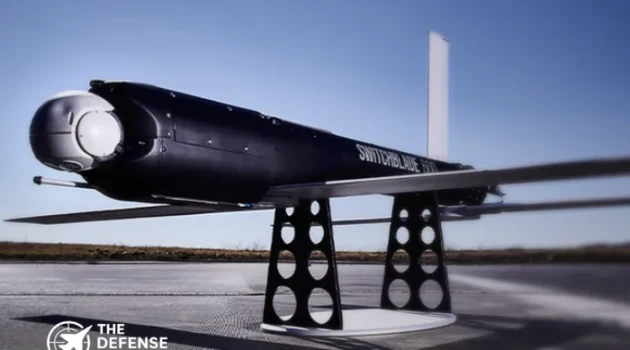
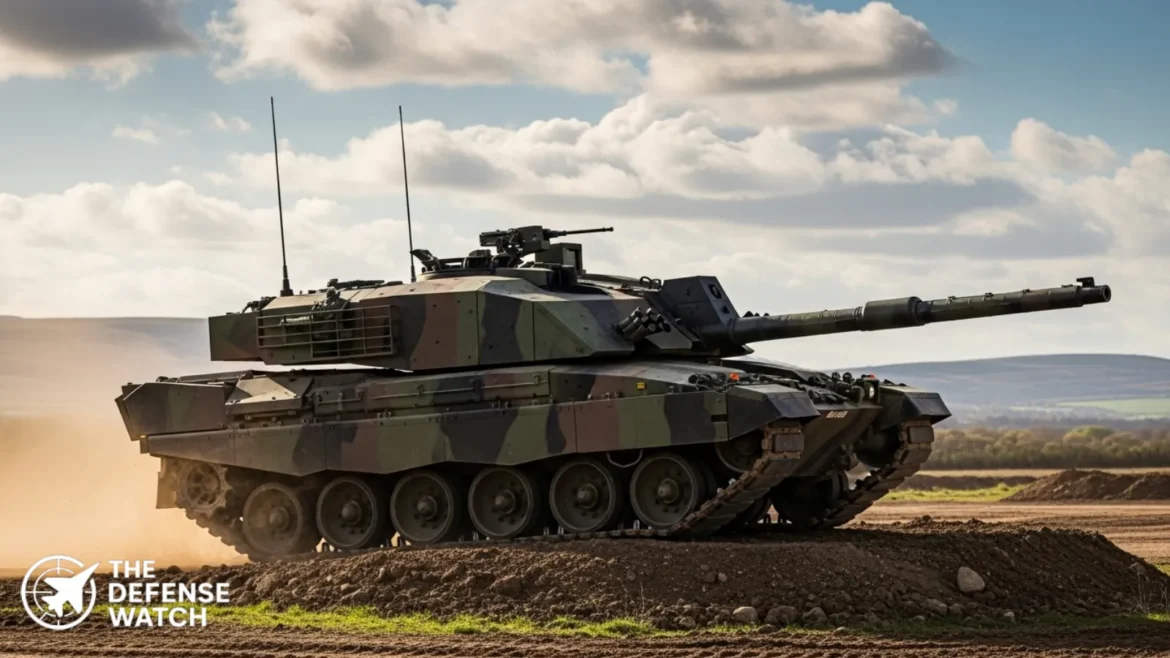
UK Defence Equipment Spending Focuses on British Industry
The United Kingdom Ministry of Defence confirmed that over 87% of its equipment procurement spending is placed with UK companies, highlighting the government’s focus on domestic industry. According to Defence Minister Luke Pollard, the MOD’s total direct expenditure with industry reached £35.4 billion in 2024–25, with £31.7 billion spent within the UK.
Of this, £11.9 billion was dedicated specifically to equipment procurement, of which £10.4 billion (87%) was spent with UK-based firms. Pollard emphasized that the government is allocating more of its rising defence budget to British companies, citing annual statistics on regional and industrial expenditure.
The MOD noted, however, that it does not centrally track the origin of all raw materials used in equipment production. This means while the spending largely benefits UK companies, some overseas content may be embedded in supply chains supporting domestic production.
The statement was made in response to questions from MP Lee Anderson, underlining the MOD’s commitment to supporting local defense capabilities while maintaining transparency about procurement practices.
Industry experts say this focus on domestic spending helps sustain the British defence industrial base, ensuring capacity for future military modernization programs and supporting thousands of jobs across the country.
The MOD regularly publishes data on industry expenditure, showing regional distribution of procurement and reinforcing the government’s strategic intent to maintain sovereign defence capabilities while leveraging UK-based expertise.
As the UK invests in modernization programs, including advanced armoured vehicles, naval vessels, and aerospace platforms, domestic procurement remains a cornerstone of policy. Ensuring that a significant share of spending stays within the UK helps stabilize long-term supply chains and reinforces industrial resilience.
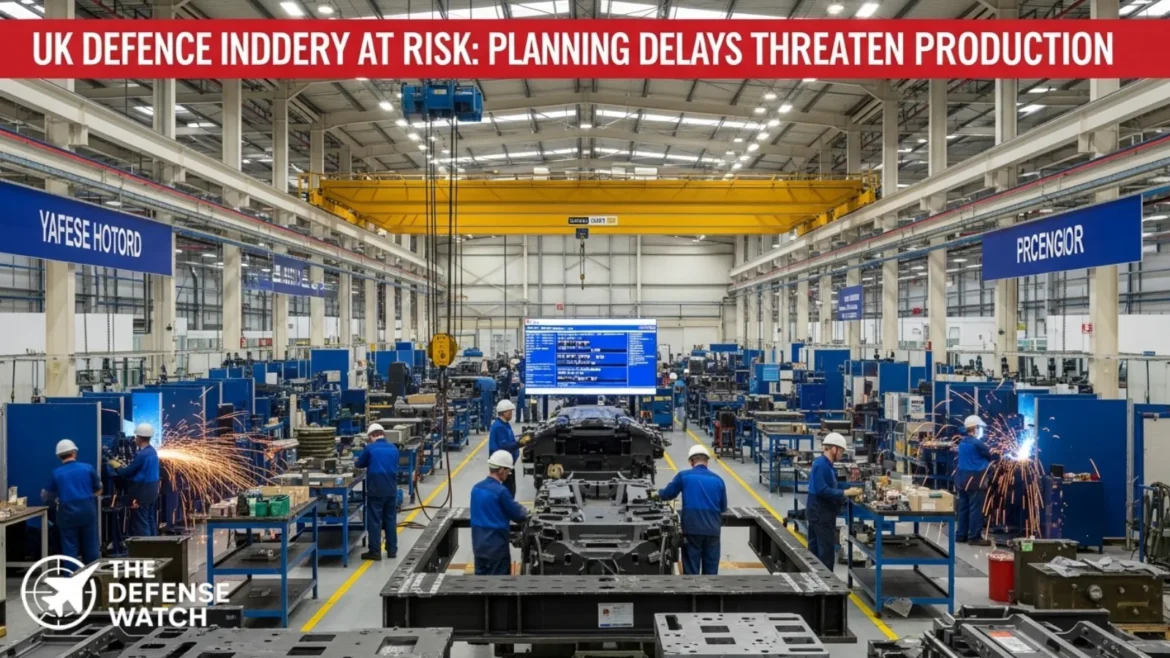
Delay in UK Defence Investment Plan Threatens Jobs, Skills
Trade union Unite has warned that further delays in the UK government’s Defence Investment Plan are putting thousands of defence jobs and specialised industrial skills at risk. The plan, originally expected last summer alongside the Strategic Defence Review, has been postponed multiple times and may now slip into March or later, according to union statements.
(adsbygoogle = window.adsbygoogle || []).push({});Unite represents a broad cross section of workers across the UK defence sector. The union says that uncertainty around defence spending commitments has made planning and investment difficult for employers and has increased the risk of job losses.
The group has also highlighted concerns that speculation about increased reliance on US-made equipment, rather than products built in the UK, is adding to industrial uncertainty and undermining domestic capability.
Union Urges Urgent Government Action
Unite general secretary Sharon Graham said the delay amounts to “an act of self-harm,” warning that businesses are “planning in the dark” and job losses may follow if the government does not act quickly. The union argues that previous pledges linking higher defence spending to jobs and innovation now need concrete follow-through.
In a letter to Prime Minister Keir Starmer, senior representatives from Leonardo and other major defence firms called for swift publication of the investment plan to safeguard jobs and industrial capabilities.
Risks to Industrial Skills and Sovereign Capability
Unite says that the continued uncertainty risks eroding highly specialised skills that are difficult to rebuild once lost. The union has called for confirmed commitments in several flagship programmes, including new Eurofighter Typhoon jets assembled in the UK with British engines and weapons, awarding the medium lift helicopter contract to Leonardo’s Yeovil facility, and retaining domestic production of the Skynet military satellite communications system.
Industry and political figures have also raised concerns over the broader impact of defence planning delays. Peers in the House of Lords recently criticised the slow progress of the investment plan and stressed that visible action is needed to maintain industry confidence.
(adsbygoogle = window.adsbygoogle || []).push({});Broader Defence Context
The UK defence investment plan is central to executing priorities set out in the Strategic Defence Review and to aligning future defence spending with industrial base renewal. Continued delay has been linked to internal government debates over affordability and procurement priorities. Independent sources have noted that the plan was expected before the end of 2025 but remains unpublished amid cost and policy reviews.
Industry concerns extend to specific programmes. For example, delays in contracts such as medium lift helicopters have put thousands of jobs at risk, with some firms warning of possible factory closures without confirmed orders.
Outlook
Unite is pressing for immediate publication of the Defence Investment Plan and for confirmed procurement decisions to give defence companies and workers the clarity they need. The union frames this as essential both for protecting jobs and for sustaining the UK’s sovereign defence capabilities.

BAE Systems Wins $184M Contract to Expand Amphibious Combat Vehicle Production
BAE Systems has received a $184 million full-rate production contract from the U.S. Marine Corps to produce 30 additional Amphibious Combat Vehicles (ACVs) as part of the ACV Lot 5/6 program, the company and government sources confirmed.
(adsbygoogle = window.adsbygoogle || []).push({});The award, designated FRP 6A, builds on earlier full-rate production efforts and increases the cumulative number of ACV-30 variants ordered by the Marine Corps to more than 100 vehicles.
What’s in the Contract
Under this latest contract:
- BAE Systems will produce 30 additional ACVs, including the ACV-30 variant capable of integrating a medium-caliber turret system.
- Work will be performed at multiple BAE Systems facilities, including sites in Pennsylvania and South Carolina, supporting government integration of the turret system procured separately.
- The award reflects continued investment in amphibious capability and marks a deepening of the Marine Corps’ commitment to the ACV family following earlier full-rate production lots.
ACV Program Overview
The Amphibious Combat Vehicle is an 8×8 wheeled platform designed to replace legacy amphibious assault assets with enhanced mobility, protection, and mission flexibility across littoral and inland environments. The ACV family includes personnel (ACV-P), command (ACV-C), recovery (ACV-R), and medium-caliber gun-armed (ACV-30) variants tailored to different operational roles.
The ACV-30 variant integrates a remotely operated 30 mm turret system, offering Marines direct-fire capability while retaining amphibious and land mobility attributes.
(adsbygoogle = window.adsbygoogle || []).push({});Strategic and Industrial Impact
This contract award:
- Sustains industrial momentum in the U.S. defense supply chain supporting amphibious vehicle production.
- Reinforces USMC investment in protected and mission-configured amphibious platforms capable of supporting expeditionary operations.
- Demonstrates continued transition of the ACV program from development to high-rate production, underpinning operational planning for Marine Corps amphibious modernization.

France Orders Counterdrone Systems After Surge in Drone Threats
France has ordered two counterdrone systems in response to a recent surge in unidentified unmanned aircraft near key military and industrial locations, the French Ministry of the Armed Forces said in late December 2025.
The French Ministry of the Armed Forces used an operational emergency process to notify support contracts to domestic firm TRUSTCOMS for Infodrone and DroneBlocker systems, aimed at immediate deployment to strengthen low-altitude airspace security.
Rising Drone Incursions Spur Action
Over recent weeks, French military intelligence and defense units recorded unidentified drones flying over:
- Mourmelon military training camp
- A rail convoy moving Leclerc tanks
- Propellant plant in Bergerac
- Île-Longue naval base, home to nuclear ballistic submarines
- Creil-Senlis interservice hub linked to intelligence operations
In several cases, forces on the ground attempted to stop these drones using handheld jamming rifles and even shotguns, measures that proved largely ineffective and highlighted capability gaps.
New Systems to Detect and Neutralize Drones
The Infodrone system is designed to detect and locate drones using mandatory Direct Remote Identification signals, which cover most commercially available UAVs. TRUSTCOMS says this method can detect nearly all drones in France’s airspace.
DroneBlocker adds a neutralization layer, using continuous radiofrequency jamming against control links and satellite navigation to disrupt drones in flight. The system can discriminate between hostile and friendly craft, a key requirement where authorized drones operate nearby.
Broader Context of French Counterdrone Efforts
France has already developed and fielded several counter-UAS capabilities, including:
- Army systems such as PROTEUS, built around a 20 mm anti-aircraft cannon with automated targeting for low-flying threats.
- Vehicle-mounted and radar-integrated solutions under testing and field evaluation.
- Longer-term programs like the Serval C-UAV variant of the Serval armored vehicle, set to enter service later this decade.
Despite these efforts, the recent overflights over high-value infrastructure appear to have accelerated procurement of complementary tools capable of rapid deployment.
What’s Next
The newly ordered counterdrone systems are intended to reinforce site protection while France continues to develop layered defenses against a growing class of low-altitude unmanned threats. The Ministry expects deployment at sensitive locations to improve detection and response time.

Lithuania Orders Saab RBS 70 Bolide Missiles to Expand Air Defense
Lithuania’s Ministry of National Defence has placed a SEK 3 billion ($270M) order with Swedish defense contractor Saab for RBS 70 Bolide missiles, marking a significant step in the Baltic state’s air defense modernization. The contract, executed under an existing framework agreement for Saab’s short-range air defense system, anticipates deliveries between 2028 and 2032.
Saab Secures Major Air Defense Contract
The order for RBS 70 Bolide missiles was formalized within a framework agreement between Saab, the Swedish Defence Materiel Administration (FMV), and the Lithuanian Ministry of National Defence. The procurement reinforces Lithuania’s longstanding use of Saab’s RBS 70 family of short-range air defense systems, which have been in service with Lithuanian forces since 2004.
Görgen Johansson, Head of Saab’s Business Area Dynamics, said the contract continues the company’s support for Lithuanian air defense and contributes to safeguarding the nation’s airspace.
RBS 70 Bolide: Proven Short-Range Missile
The RBS 70 Bolide is a third-generation, laser beam-riding short-range surface-to-air missile designed to counter a range of aerial threats, from fixed-wing and rotary aircraft to unmanned aerial systems and cruise missiles. It is a key munition for Saab’s RBS 70 NG system, emphasizing mobility and resistance to electronic countermeasures.
Strategic Context: Baltic Air Defense
Lithuania’s acquisition occurs amid broader efforts by Baltic NATO members to reinforce air defense capabilities in response to evolving regional threats. The country has previously invested in Saab’s MSHORAD (Mobile Short Range Air Defence) systems, incorporating RBS 70 NG launchers and Giraffe 1X radar on mobile platforms such as Oshkosh JLTVs.
Enhanced integration of short-range defense assets strengthens layered defenses against low-altitude threats, including drones and cruise weapons, which have become increasingly prevalent in modern conflict environments.
What’s Next
Deliveries of the RBS 70 Bolide missiles are scheduled through 2032, with integration expected across Lithuania’s existing ground-based air defense units. This procurement underscores the continued role of Saab’s air defense solutions in supporting NATO allies on the alliance’s eastern flank.

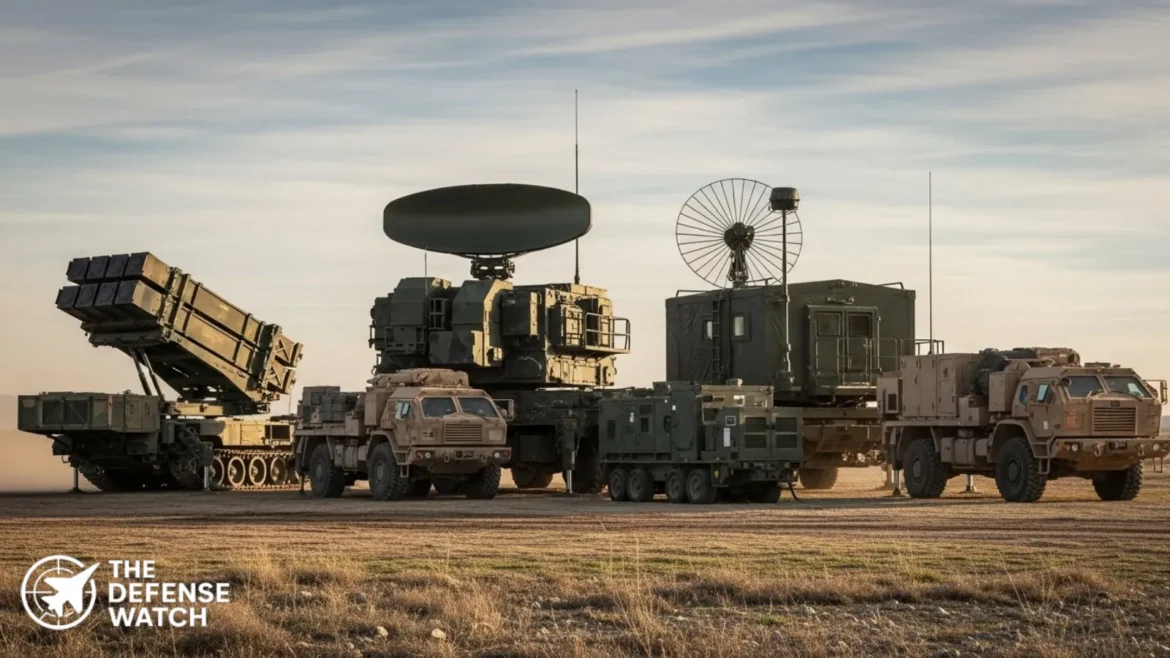
Spain has agreed to a Spain Patriot air defense deal with Raytheon for 1.7 billion to buy four Patriot air and missile defense systems under a foreign military sales contract announced December 23 2025. The announcement was made by Raytheon an RTX business based in Andover Massachusetts and is the largest Patriot order Spain has placed to date.
Scope of the Spain Patriot Air Defense Deal
The Spain Patriot air defense deal covers complete fire units that include radars launchers command and control stations and training equipment for the Spanish Armed Forces. The systems are designed to detect track and intercept long range cruise missiles tactical ballistic missiles and other aerial threats.
Under the terms Raytheon will work with local Spanish defense companies including Sener which will provide electro mechanical control systems for Patriot interceptors.
Context of the Purchase
Patriot is a combat proven ground based air and missile defense system used by the U.S and allied armed forces around the world. It has been deployed in multiple regions to counter a range of airborne risks.
Spain has operated Patriot systems purchased from other NATO partners and maintains a long term interest in modernizing its air defense. The new systems will expand its existing capability and help address evolving aerial threats.
Other European nations including Germany the Netherlands and Romania have also placed orders for Patriot systems in 2025 reflecting a wider push to strengthen air defense.
What Comes Next
Spain will take delivery of the Patriot systems and begin integration and training with support from Raytheon and Spanish partners. The deal signals a deepening of defense ties and Spain Patriot air defense deal implementation is expected to enhance national and alliance level protection against high end threats.

Belgium is increasing its investment in counter-drone defenses after a recent rise in unidentified drone flights near civilian airports, military installations, and sensitive sites. The move follows multiple incidents that have led to airspace closures, flight cancellations, and heightened concern over national airspace security.
Growing Drone Activity in Belgian Airspace
In late 2025, authorities recorded a notable increase in reports of unmanned aerial vehicles flying above or near key infrastructure. Several civilian airports, including Brussels, Liège, and Charleroi, faced temporary airspace shutdowns after drones were sighted within controlled zones. Flight operations were halted as a precaution, leading to cancellations and diversions.
Beyond civilian airspace, drones were detected over military sites, such as the Kleine-Brogel and Florennes air bases, prompting security reviews and investigations. In early October, as many as fifteen drones were observed over the Elsenborn military training area, though the origin and operators of these UAVs remain unclear.
Reports from the Belgian aviation authority, Skeyes, indicate that nearly 90 percent of drone flights over sensitive areas last year did not have official authorization. Operators of larger or heavier drones are subject to registration rules, but many flights detected lacked any approved flight plan.
Government Response and Procurement Decisions
Belgian Defense Minister Theo Francken announced a stepped-up national response, part of a broader €50 million anti-drone plan. This includes procurement of new counter-drone equipment and reinforcement of detection networks.
The government has recently signed contracts to acquire Saab’s Giraffe 1X surveillance radar systems. These radars are designed to track aerial targets and supply target data to air defense systems, enhancing early detection and tracking of unidentified drones. The systems will be deployed around the Brussels area, with a reported contract value of €9.2 million.
In addition, Belgium has purchased portable drone jammer guns from Australian firm DroneShield, valued at about €2.8 million. These handheld systems can detect and disrupt hostile unmanned aerial systems using artificial intelligence technologies. Similar systems are already in use in other conflict zones.
Broader Security Measures and Policy Moves
The government has also moved to tighten regulations and consider forceful responses to unauthorized drones. In emergency security meetings, Belgian officials discussed stricter enforcement measures, including clear directives that hostile drones, when detected, may be shot down if necessary.
A National Airspace Security Centre, based at the Beauvechain air force base, is scheduled to become fully operational soon. The centre will centralize drone detection and coordination across civil and military agencies.
Belgian security services have reportedly expressed suspicion that a state actor, possibly Russia, could be behind some of the drone activity, though investigations are ongoing. This concern was discussed at a National Security Council meeting with senior government officials.
International and Regional Context
Belgium is not alone in facing drone incursions. European countries have reported similar incidents leading to airport disruptions and calls for improved defensive measures. Collaborative efforts, including NATO exercises and evaluation of scalable drone defenses, are underway to help member states respond more effectively.
Neighboring states, including Germany, have offered support to Belgium by sending specialized Luftwaffe units to assist with detection and defense against small unmanned aerial vehicles. This support is part of wider cooperative security efforts within NATO to address hybrid threats.
Operational Impact and Next Steps
The increased drone activity has already had practical effects on air travel and military readiness. Temporary airport closures disrupted flight schedules, requiring diversions and affecting passenger traffic. Continued incursions near military bases have also underscored the need for rapid detection and response capabilities.
Belgium’s accelerated procurement program and expanded regulatory approach aim to reduce the risk posed by unauthorized drones. Authorities plan to integrate new detection systems with existing air defense networks and improve communication between civil and military agencies. Upcoming deployments of advanced surface-to-air systems, scheduled for the later 2020s, are expected to further strengthen national airspace security.
As the situation evolves, Belgium is likely to focus on both immediate defensive upgrades and longer-term strategies to protect critical infrastructure and air corridors. Ongoing investigations will seek to clarify the nature and source of the drone flights, shaping future policy and security investments.