Hungary Gripen Fighters Delivery Strengthens Air Force Fleet
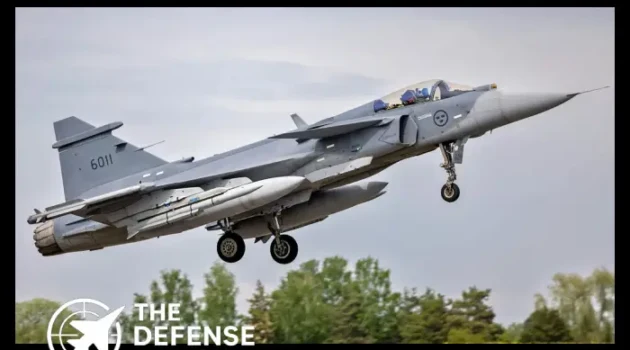
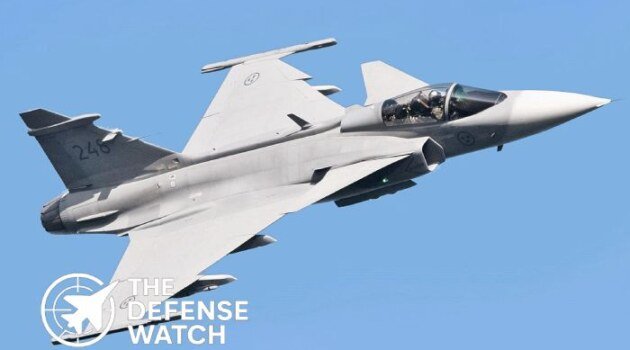
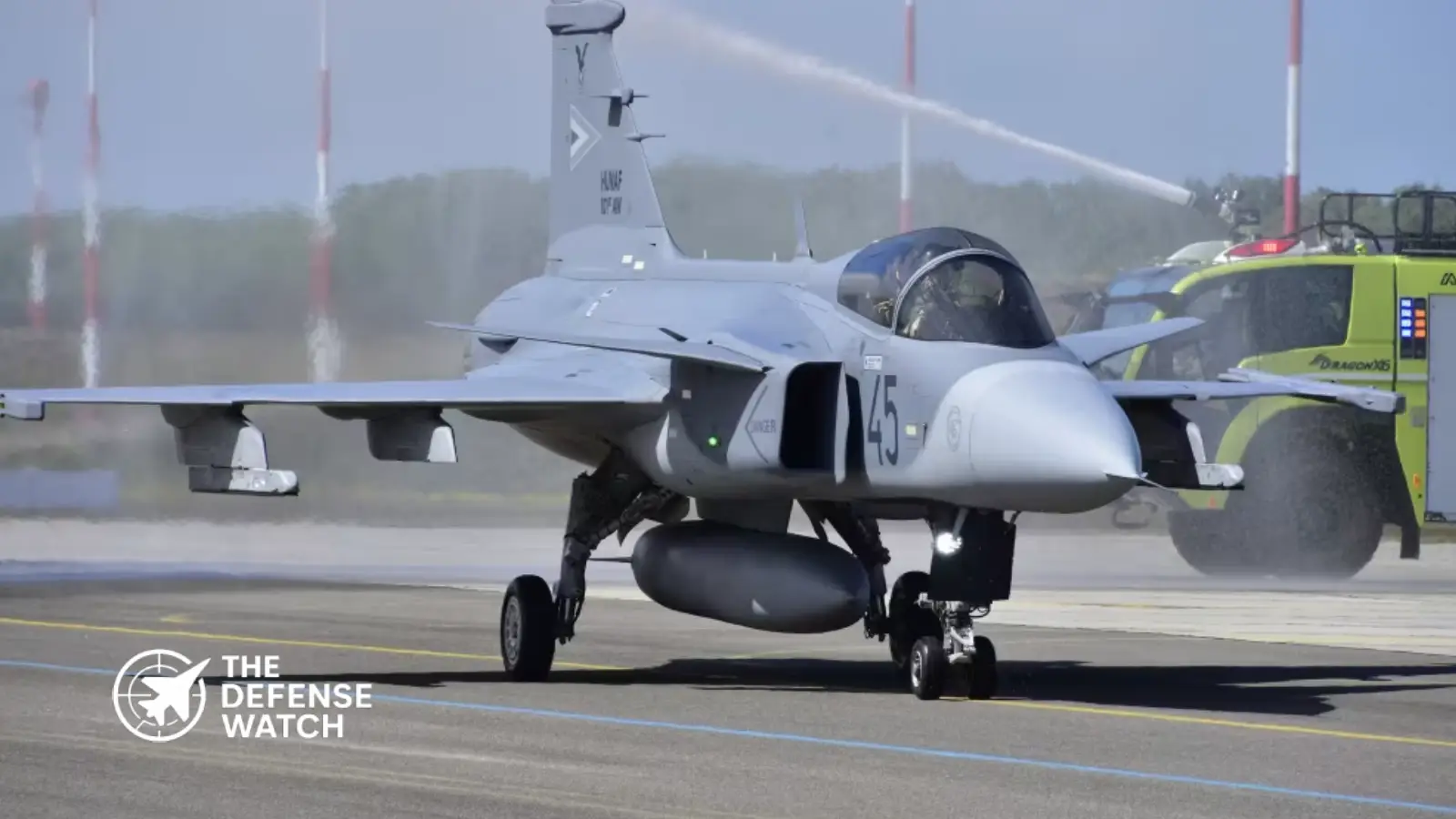
The Hungary Gripen fighters delivery marks a key step in Budapest’s ongoing air force modernization, as two new Gripen C aircraft formally entered service with the Hungarian Defence Forces.
The jets will be operated by the 101st Aviation Wing based at Kecskemét Air Base, reinforcing Hungary’s ability to maintain air policing and NATO interoperability missions across Central Europe.
The delivery follows a contract signed in February 2024 between Hungary’s Ministry of Defence and Swedish Defence Materiel Administration, covering four additional aircraft. The two newly delivered fighters represent the first tranche of that agreement.
- Hungary received two new Gripen C fighter jets for the 101st Aviation Wing at Kecskemét Air Base.
- The delivery follows a February 2024 contract between Hungary’s Ministry of Defence and Sweden’s FMV.
- These are the first two of four additional aircraft ordered under the agreement.
- Hungary will expand its fleet to 18 Gripen C D fighters with upgraded capabilities.
- Saab reaffirmed its commitment to delivery timelines and long term partnership with Hungary.
According to Saab, the timeline underscores its ability to meet customer delivery commitments while supporting long term capability development.
Fleet Expansion And Capability Upgrades
Hungary has operated the Gripen platform since 2006, making it one of the early European adopters of the Swedish-built multirole fighter. With this latest expansion, the country will field a total of 18 Gripen C/D aircraft, all expected to receive incremental upgrades.
The Gripen C/D variant is designed for multirole missions, including air defense, ground attack, and reconnaissance. It is optimized for high sortie rates, dispersed operations, and relatively low lifecycle costs compared to heavier Western fighters.
While the current delivery focuses on fleet size, the broader program includes system upgrades aimed at improving avionics, communications, and weapons integration. These enhancements are critical for maintaining compatibility with NATO standards and evolving operational requirements.
Saab has also indicated plans to invest in an Aviation Development Centre in Hungary. This initiative is expected to deepen local industrial participation and allow Hungary to play a more active role in future Gripen system development.
Strategic Context: NATO Readiness And Regional Security
The Hungary Gripen fighters delivery comes amid heightened focus on air defense readiness across Europe, particularly following Russia’s ongoing military activity in Eastern Europe.
For Hungary, expanding its Gripen fleet is less about numerical advantage and more about ensuring sustained operational availability. A larger fleet allows for better rotation cycles, maintenance flexibility, and readiness for both national and NATO missions.
Hungary contributes to NATO’s Integrated Air and Missile Defence System, including Baltic Air Policing rotations in the past. Maintaining a modern and reliable fighter fleet is central to fulfilling these commitments.
Compared to larger air forces in the alliance, Hungary’s approach emphasizes efficiency and interoperability. The Gripen platform supports this model by offering advanced capabilities without the logistical burden associated with heavier aircraft such as the F-35 or Eurofighter Typhoon.
Saab Partnership And Long Term Industrial Cooperation
The agreement highlights the deepening defense relationship between Hungary and Sweden. Beyond aircraft delivery, the partnership includes training, logistics support, and technology collaboration.
Lars Tossman, head of Saab’s Aeronautics business area, emphasized that Hungary’s long term modernization program and Saab’s local investment plans will enable the country to influence future Gripen development.
This level of industrial cooperation reflects a broader trend in European defense procurement, where countries seek not only platforms but also participation in development and sustainment ecosystems.
For Saab, Hungary remains a key Gripen operator alongside countries such as the Czech Republic and Brazil, reinforcing the platform’s global footprint.
Operational Impact And Future Outlook
The Hungary Gripen fighters delivery will enhance operational resilience for the Hungarian Air Force, particularly in maintaining continuous air policing coverage.
Looking ahead, the remaining two aircraft under the 2024 contract are expected to be delivered on schedule, completing the planned fleet expansion.
While the Gripen C/D remains a capable platform, future decisions may involve transitioning to more advanced variants or integrating next generation systems. For now, Hungary’s focus remains on maximizing the effectiveness of its existing fleet through upgrades and partnerships.
In a European security environment defined by rapid change, incremental capability improvements such as this delivery play a crucial role in sustaining readiness and alliance cohesion.