

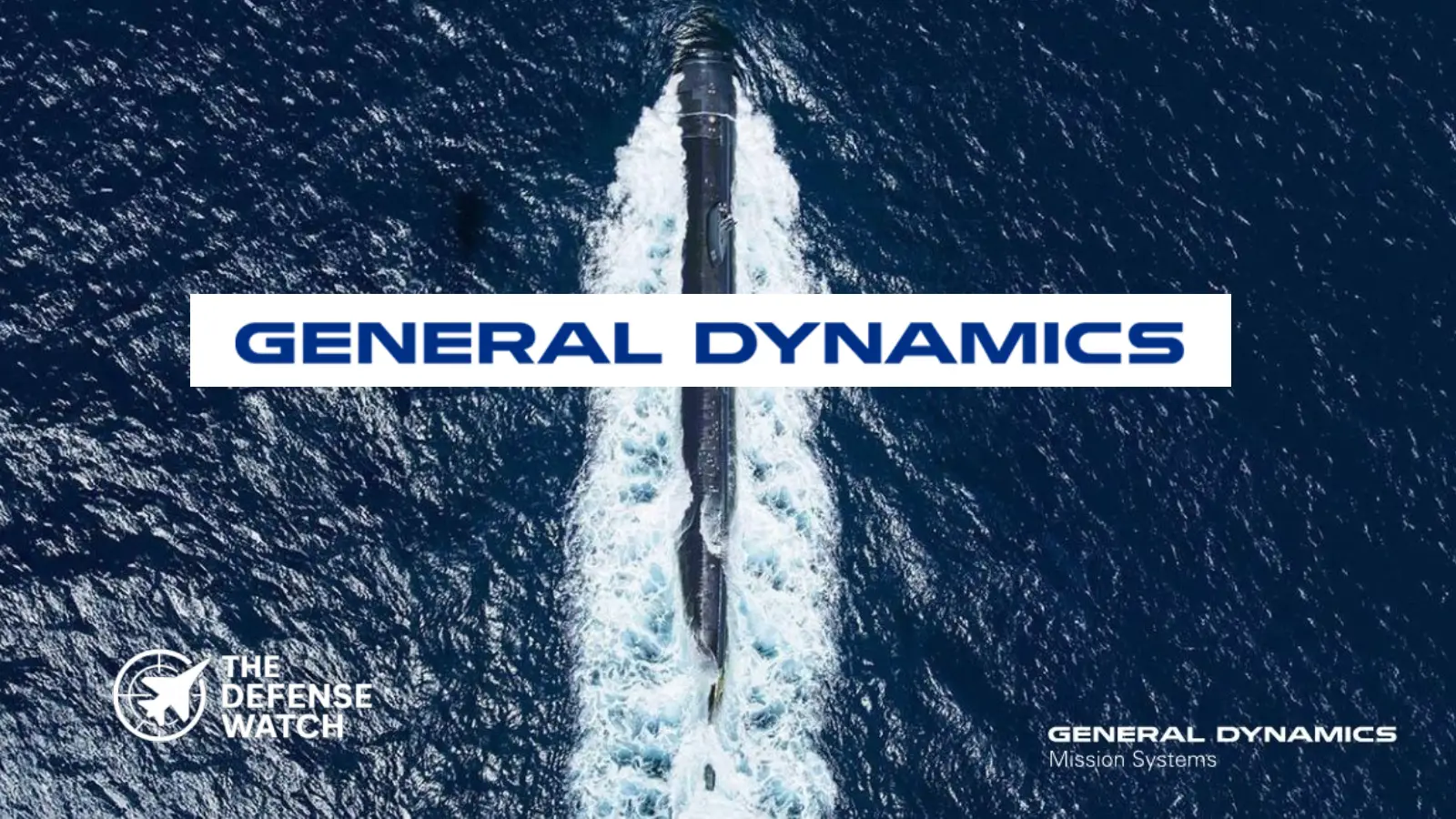
General Dynamics Quarterly Profit Growth Signals Strong Defense Demand
General Dynamics quarterly profit growth highlights continued strength in U.S. defense spending, with combat systems and marine programs driving higher earnings in the latest reporting period.
- General Dynamics reported higher quarterly profit driven by defense demand.
- Growth led by combat systems and marine segments, including submarine programs.
- U.S. military modernization and naval expansion underpin sustained demand.
- Results reflect ongoing production for armored vehicles and nuclear submarines.
- Strong earnings signal continued resilience in the U.S. defense industrial base.
The Big Picture
U.S. defense contractors are benefiting from sustained budget priorities focused on modernization, readiness, and great power competition. Washington continues to prioritize investments in armored platforms, naval forces, and advanced weapons systems to counter near-peer threats.
Naval expansion remains a central pillar of U.S. military strategy. The U.S. Navy’s long-term shipbuilding plans, particularly for nuclear-powered submarines, are fueling steady demand for industrial capacity. At the same time, land warfare modernization, including armored vehicles and support systems, continues to receive funding amid lessons learned from recent conflicts.
This broader environment has created favorable conditions for major contractors, especially those with diversified portfolios across land, sea, and aerospace domains.
What’s Happening
General Dynamics reported a rise in quarterly profit, supported by strong performance in its combat systems and marine segments, according to Reuters.
The company’s marine systems division, which builds nuclear-powered submarines, played a key role in driving earnings. Ongoing production for programs such as the Virginia-class and Columbia-class submarines continues to generate stable revenue streams.
The combat systems segment also contributed significantly. Demand for armored vehicles, weapons systems, and related platforms remained strong, reflecting both U.S. Army requirements and international orders.
The results align with broader trends across the U.S. defense sector, where increased procurement and modernization efforts are translating into higher revenues for prime contractors.
Why It Matters
General Dynamics quarterly profit growth underscores the durability of defense spending even amid economic uncertainty. Unlike commercial sectors, defense programs operate on long-term funding cycles, providing predictable revenue for contractors.
Submarine production is particularly critical. Nuclear submarines represent one of the most complex and strategically important capabilities in the U.S. arsenal. Their role in deterrence, intelligence gathering, and strike operations makes them a priority for sustained investment.
Similarly, combat systems remain essential for ground force readiness. Armored vehicles and support platforms are central to both conventional warfare and rapid deployment operations.
The company’s performance reflects how these core capabilities continue to anchor U.S. military modernization efforts.
Strategic Implications
Strong earnings from marine and combat systems reinforce the U.S. military’s focus on multi-domain readiness. Submarine production supports undersea dominance, a key factor in maintaining strategic deterrence against peer competitors.
At the same time, robust demand for land systems highlights ongoing concerns about large-scale ground conflict scenarios. The U.S. Army’s modernization programs aim to improve survivability, mobility, and lethality in contested environments.
The financial health of companies like General Dynamics also has broader implications for the defense industrial base. Consistent profitability enables continued investment in workforce, infrastructure, and innovation, all of which are essential for maintaining production capacity.
Competitor View
China and Russia closely monitor U.S. defense industrial output, particularly in submarine construction and armored vehicle production.
China continues to expand its naval capabilities, including its own submarine fleet, as part of its strategy to challenge U.S. presence in the Indo-Pacific. Sustained U.S. investment in undersea warfare signals a commitment to maintaining a technological and operational edge.
Russia, despite economic constraints, remains focused on modernizing its ground forces and strategic deterrent. U.S. investments in combat systems and submarines reinforce deterrence by demonstrating industrial capacity and readiness.
These dynamics contribute to an ongoing cycle of capability development among major powers.
What To Watch Next
Upcoming earnings reports from other major defense contractors will provide further insight into industry-wide trends. Analysts will focus on whether demand remains consistent across all segments or becomes concentrated in specific areas such as naval systems.
Production timelines for submarine programs will also be critical. Any delays or cost overruns could impact future financial performance and operational readiness.
Additionally, U.S. defense budget decisions in the coming fiscal cycles will shape long-term demand. Continued emphasis on naval expansion and ground force modernization would sustain current growth trends.
Capability Gap
General Dynamics’ performance reflects efforts to address key capability gaps in both naval and ground domains.
In the undersea domain, the U.S. aims to maintain a sufficient number of advanced submarines to counter growing threats. Production capacity remains a limiting factor, and scaling output continues to be a challenge.
On land, modernization programs seek to replace aging platforms and improve operational effectiveness. However, integration of new technologies and supply chain constraints can slow progress.
These limitations highlight the importance of sustained investment and industrial coordination.
The Bottom Line
General Dynamics’ rising profits confirm that strong demand for submarines and combat systems continues to anchor U.S. defense modernization and industrial strength.
