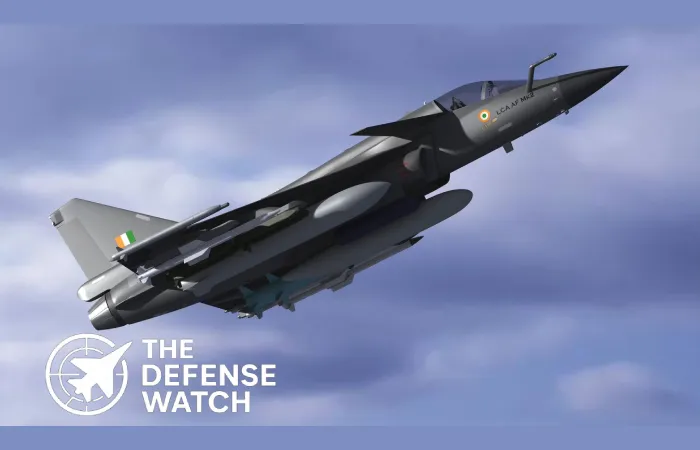
Tejas Mk‑2 Medium Weight Fighter
The Tejas Mk‑2, also known as the Medium Weight Fighter (MWF), is India’s next-generation combat aircraft — a bold leap ahead in capability over its predecessor. Developed by the Aeronautical Development Agency (ADA) together with Hindustan Aeronautics Limited (HAL), this 4.5‑generation multirole jet is tailor‑made to address the Indian Air Force’s future fleet requirements while also offering global appeal.
Origin, Manufacturer & Purpose
Manufactured by HAL in collaboration with ADA/DRDO, the Tejas Mk‑2 is designed to replace aging platforms like the MiG‑29, Mirage-2000, and Jaguar in the IAF. It represents India’s push for indigenous, high-performance aerospace hardware, aligning with the “Make in India” vision.
Performance & Capabilities
At its core is a powerful GE F414-INS6 turbofan engine, producing around 98 kN of thrust, granting the Mk-2 a top speed of Mach 1.8 and a service ceiling of approximately 50,000 feet. Its elongated fuselage, coupled with close-coupled canards, improves agility and lift while providing greater internal fuel capacity — delivering a combat radius reportedly up to around 1,000 km and an endurance of 120 minutes per mission.
Armament & Payload
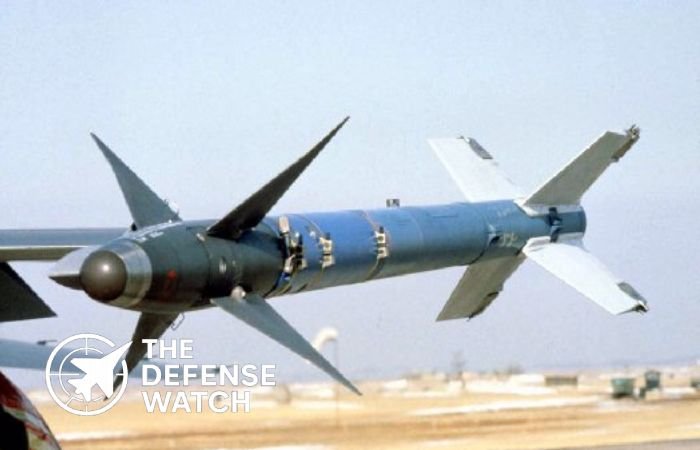
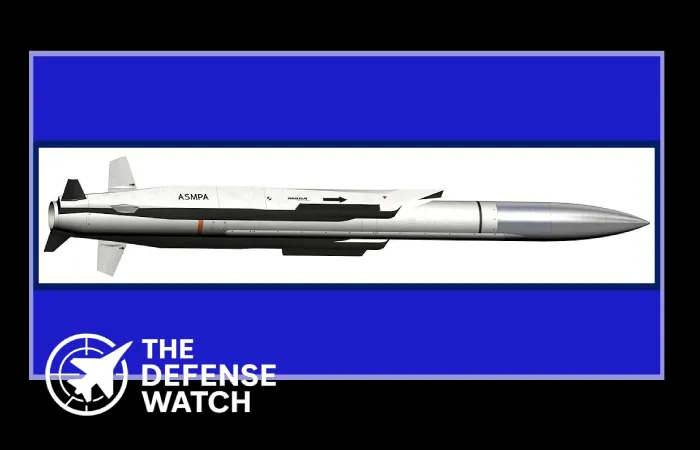
With 11 external hardpoints and a 6.5‑tonne payload capacity, the Mk‑2 can carry a versatile mix of weapons: air-to-air missiles (e.g., Astra), precision ground-attack munitions (such as Indian-developed Spice and SCALP-style weapons), anti-radiation missiles, and bombs.
Avionics & Systems
Its avionics suite is built around a Uttam AESA radar, an indigenous active electronically scanned array radar capable of electronic warfare resilience. Additional sensors include an Infrared Search & Track (IRST) system, a missile approach warning system (MAWS), and advanced electronic warfare capabilities. The cockpit features a large-area touchscreen display, side-stick controls, and a modern digital flight control computer. An onboard oxygen generating system (OBOGS) ensures pilot sustainability at high altitudes.
Operational Outlook
Prototyping is well underway, with HAL projecting a first flight by late 2025 or early 2026, and mass production beginning around 2029 for induction into IAF service. Designed with modular architecture for future upgrades, the Tejas Mk‑2 aims for more than 70–80% indigenous content, making it a strategic asset both for India’s defense autonomy and potential export.
FAQs: Tejas Mk‑2 Fighter Jet
The Tejas Mk‑2 is a 4.5‑generation multirole fighter designed for the Indian Air Force, while the F‑16 is a 4th‑generation lightweight fighter. In terms of avionics and modern design, Tejas Mk‑2 features an indigenous AESA radar, advanced electronic warfare, and a more modern cockpit. However, the F‑16 has decades of operational experience, a proven combat record, and a larger global support network. Performance-wise, the F‑16 generally has a slightly higher thrust-to-weight ratio and combat-proven versatility. So, Tejas Mk‑2 is highly capable for its class but not yet fully comparable in operational maturity to the F‑16.
As of now, Tejas Mk‑2 is still in the prototype and development stage. India has not yet inducted operational Tejas Mk‑2 aircraft into the Indian Air Force. The first flight is projected around 2025–2026, with production beginning post-2028.
Yes. Tejas Mk‑2 offers advanced avionics, 4.5‑generation capabilities, a high payload capacity (6.5 tonnes), and modern multirole versatility. Its indigenous design emphasizes maneuverability, modular upgrades, and electronic warfare resilience. While not fully stealth, it provides a cost-effective, modern alternative for air dominance and precision strike missions.
The Rafale is a twin-engine, 4.5‑generation fighter with higher payload, longer range, and proven combat performance. Tejas Mk‑2, while modern and indigenous, is lighter, single-engine, and designed to complement the IAF’s existing fleet. Rafale remains superior in raw performance and combat experience, but Tejas Mk‑2 is more cost-effective and easier to maintain domestically.
Tejas Mk‑2 is a 4.5‑generation fighter jet, featuring AESA radar, digital flight controls, sensor fusion, and modern electronic warfare systems.
The Tejas fighter series, including Mk‑2, is made in India by Hindustan Aeronautics Limited (HAL) in collaboration with the Aeronautical Development Agency (ADA) and DRDO.
The unit cost of Tejas Mk‑2 is not officially disclosed, but estimates suggest it is significantly lower than imported 4.5‑generation jets like Rafale, with the aim of providing a cost-effective, indigenous solution for the Indian Air Force.