MQ-25 Stingray: U.S. Navy’s Carrier-Based Refueling Drone
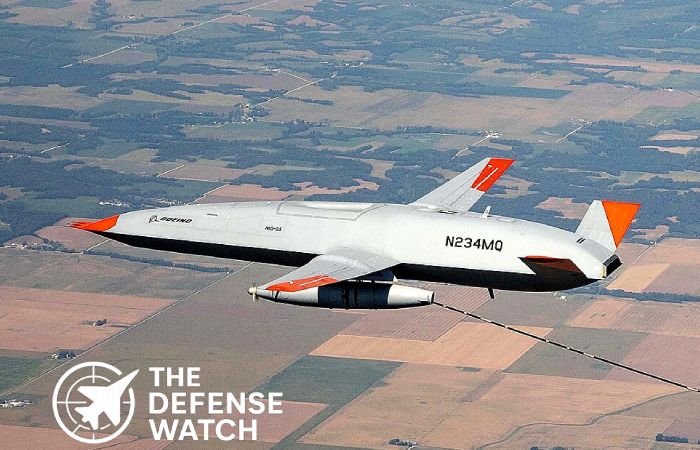
The MQ-25 Stingray represents the next generation of unmanned aerial vehicles (UAVs) in U.S. naval aviation. Developed by Boeing in partnership with the U.S. Navy, the MQ-25 is designed to extend the operational range of carrier-based aircraft by performing aerial refueling missions while providing intelligence, surveillance, and reconnaissance (ISR) capabilities.
Manufacturer & Origin
Produced by Boeing, the MQ-25 Drone originates from the United States and is specifically engineered to integrate seamlessly with aircraft carriers. Its primary purpose is to reduce the burden on manned fighter aircraft, allowing them to focus on combat roles while the MQ-25 handles refueling and ISR operations.
Capabilities & Technology
The MQ-25 Drone features state-of-the-art autonomous flight controls and satellite communication links, enabling long-range missions beyond line-of-sight. With a maximum takeoff weight of 14,000 kg and an operational range exceeding 1,000 nautical miles, the MQ-25 can support multiple aircraft in a single sortie. Its airframe and stealth design reduce radar signature, enhancing survivability in contested environments.
Operational Use
The UAV is optimized for carrier operations, capable of catapult launches and arrested recoveries. It carries fuel for refueling strike fighters mid-air, significantly extending their combat radius. Additionally, the MQ-25 is equipped with advanced sensors, including EO/IR cameras and radar, providing ISR capabilities to fleet commanders.
Performance
Powered by a Rolls-Royce AE 3007N turbofan engine, the MQ-25 reaches speeds up to 600 km/h with an endurance of 8–12 hours, ensuring flexible operational coverage across maritime theaters. Its autonomous systems allow for precision navigation, in-flight refueling, and secure communication with carrier networks.
The MQ-25 Stingray embodies the U.S. Navy’s vision of combining unmanned systems with manned aircraft for enhanced strike capability, operational efficiency, and tactical reach in modern naval warfare.
FAQs
The U.S. Navy plans to acquire at least 76 MQ-25 Stingray UAVs over the coming years to fully support carrier air wings and extend the operational range of manned aircraft. Production numbers may increase depending on future mission requirements and budget allocations.
Yes, the MQ-25 Stingray is operational. It completed its first carrier-based refueling test in 2022 and has been gradually integrated into U.S. Navy operations, primarily supporting aerial refueling and intelligence, surveillance, and reconnaissance (ISR) missions.
Each MQ-25 unit is estimated to cost approximately $150 million, including development, production, and integration with carrier systems. The program emphasizes long-term cost efficiency by reducing operational demands on manned aircraft.
The MQ-25 is not a fully stealth aircraft, but it incorporates low-observable design features to reduce radar cross-section and enhance survivability in contested maritime environments. Its primary focus is aerial refueling rather than combat operations, so stealth is limited compared to dedicated stealth fighters.