- Home
- Catalog
- Defense Systems
- Arrow 3 Missile Defense System
Arrow 3 Missile Defense System
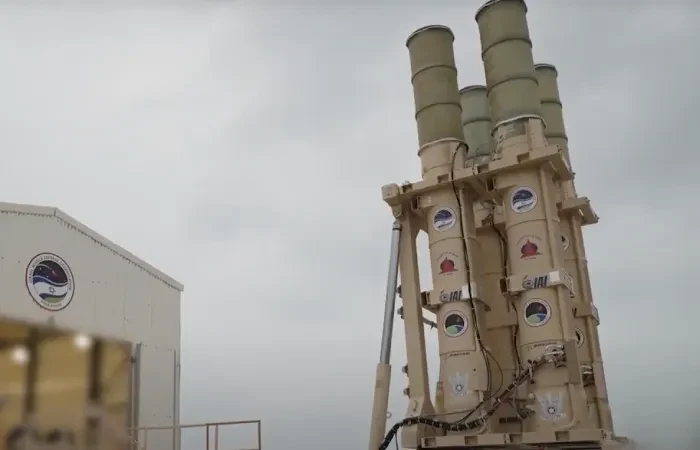
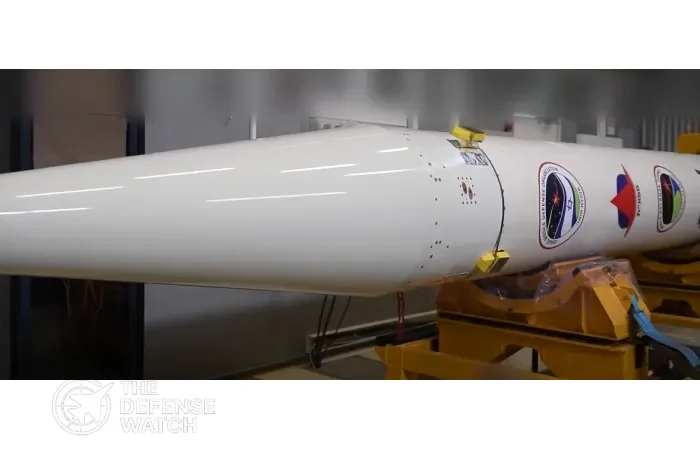
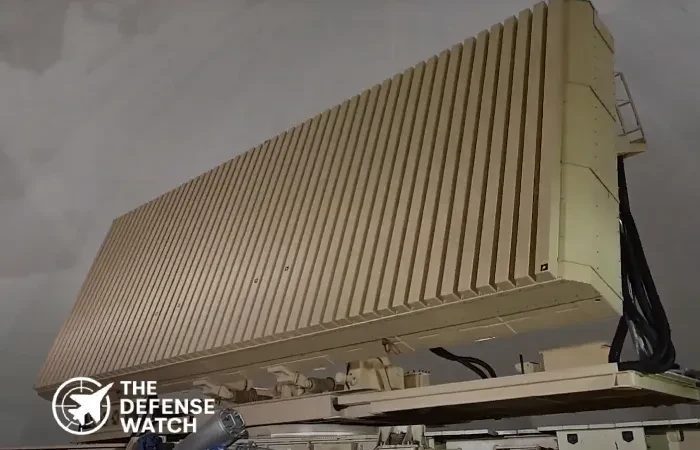
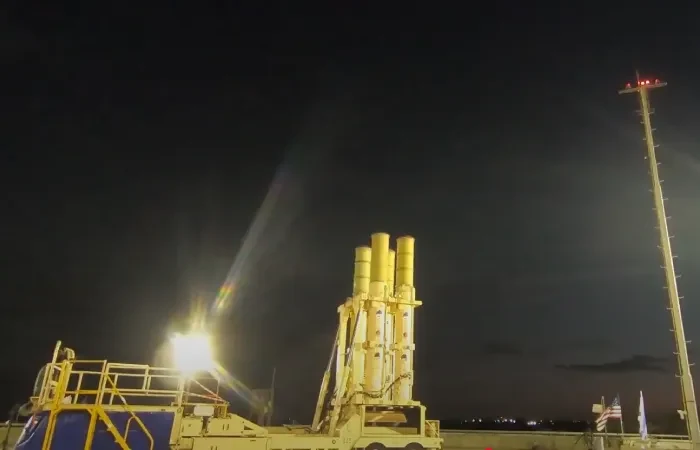
Full Specifications
1. General Information
| System Name | Arrow 3 Missile Defense System |
| Manufacturer | Israel Aerospace Industries (IAI) |
| Country of Origin | Israel / United States Collaboration |
| Type / Role | Exo-Atmospheric Ballistic Interceptor |
| In Service | Yes |
| Year Introduced | 2017 |
| Unit Cost | USD 2–3 Billion (Estimated per Battery) |
2. Performance & Capabilities
| Maximum Engagement Range | 2,000+ km (Estimated) |
| Maximum Engagement Altitude | 100+ km |
| Target Types | IRBM, SRBM, MRBM, strategic threats |
| Interception Probability | Classified / High (Reported) |
| Reaction Time | Seconds (Exact Classified) |
| Radar Detection Range | 800–1,000 km (Paired Radar Systems) |
3. Missile Specifications
| Missile Type | Hit-to-Kill Interceptor |
| Missile Length | 7.5–8.0 m |
| Missile Weight | Approx. 1,300 kg |
| Warhead Type | Kinetic Impact (No Fuse) |
| Warhead Weight | N/A |
| Speed | Estimated Mach 9+ |
4. Radar & Fire Control
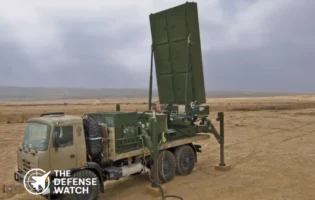
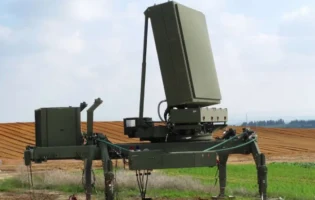
| Radar Type | AESA Long-Range Radar |
| Radar Name | Green Pine / Super Green Pine Variant |
| Detection Range | 800–1,000 km |
| Tracking Capacity | Dozens of Simultaneous Ballistic Targets |
| Guidance System | Exo-Atmospheric Infrared + Inertial |
| Fire Control System | Networked Battle Management System |
5. Launcher & Mobility
| Launcher Type | Mobile / Trailer-Based |
| No. of Missiles per Launcher | 4 |
| Reload Time | Classified |
| Mobility Platform | Heavy Tactical Transport |
| Crew Required | 4–6 personnel |
6. Command & Control
| C2 System | Integrated Air & Missile Defense Net |
| Connectivity | Secure Data Link / Satellite Support |
| Network Capability | Yes – Multi-Layer Integration |
| Operation Mode | Autonomous / Networked |
7. Operational Use
| Primary Operator | Israel |
| Combat Proven | Limited / Strategic Standby |
| Conflict History | Active Readiness Deployments |
| Notable Feature | Highest-Tier Defense Layer |
PROS
- Intercepts ballistic missiles outside the atmosphere
- U.S.–Israel co-developed technology
- Hit-to-kill kinetic impact reduces debris risk
- Strategic, long-range defense coverage
- Integrates into layered missile defense networks
CONS
- Extremely high acquisition cost
- Limited operational operators
- Not effective against aircraft or cruise missiles
- Requires advanced radar and C2 infrastructure
- Deployment and training complexity
Arrow 3 Missile Defense System – Exo-Atmospheric Interceptor Shield
The Arrow 3 Missile Defense System stands as one of the world’s most advanced exo-atmospheric missile interception platforms, engineered to counter long-range ballistic threats before they reenter the Earth’s atmosphere. Developed jointly by Israel Aerospace Industries (IAI) and the U.S. Missile Defense Agency, Arrow 3 enhances strategic missile defense capability and strengthens layered protection against emerging hypersonic and IRBM-class threats. For U.S. defense observers, the system represents a critical benchmark in cooperative missile shield architecture.
Design, Purpose, and Capabilities
Arrow 3 is built to neutralize ballistic missiles at extreme altitudes—well beyond the operational ceiling of lower-tier systems like Patriot PAC-3 or Israel’s Iron Dome. Operating at altitudes above 100 km, it relies on kinetic hit-to-kill interception rather than explosive detonation, reducing debris and preventing atmospheric contamination.
The missile features lightweight construction, advanced divert thrusters, infrared seekers, and rapid mid-course maneuver capability. With estimated engagement ranges exceeding 2,000 km, Arrow 3 offers strategic defense coverage suited for national and continental protection frameworks.
Operational Use and Strategic Impact
Currently fielded by Israel, Arrow 3 forms the top layer of Israel’s multi-tier air defense network, complementing Arrow 2, David’s Sling, and Iron Dome. The U.S. has supported funding, technology transfer, and system testing, making it of significant interest to American defense analysts and missile defense researchers. Recent agreements signal potential European acquisition, positioning Arrow 3 as a developing component of NATO-aligned defense capability.
Arrow 3 Missile Defense System Price
While Arrow 3 is not commercially sold on an open market, estimates suggest system procurement costs exceeding USD 2–3 billion per battery, depending on radar suite integration, interceptor quantity, command network configuration, and operational support packages.
Get real time update about this post category directly on your device, subscribe now.
Reviews
Disclaimer Note
The information provided on TheDefenseWatch.com is for general informational purposes only. While we strive to ensure the accuracy, completeness, and timeliness of our content regarding defense and aerospace products, technologies, and specifications, we cannot guarantee that all information is 100% accurate or up-to-date due to the evolving nature of military technology and classified data.TheDefenseWatch.com does not warrant the reliability, suitability, or availability of the information for any specific purpose. Users are advised to consult official sources, such as manufacturers, government publications, or defense agencies, for precise and verified data before making decisions based on our content.We are not affiliated with any defense manufacturers, governments, or military organizations mentioned. Opinions, reviews, and ratings reflect expert analysis but are subjective and should not be considered endorsements. TheDefenseWatch.com is not responsible for any errors, omissions, or consequences arising from the use of this website’s content.External links are provided for convenience and do not imply endorsement. TheDefenseWatch.com reserves the right to update or modify content without prior notice. By using this website, you agree to our Privacy & Cookies Policy.
New Arrivals


Popular Comparisons
-
 SIG XM7 Rifle vs M4: Key Differences and Performance Comparison
View Comparison →
SIG XM7 Rifle vs M4: Key Differences and Performance Comparison
View Comparison → -
Eurofighter Typhoon vs Rafale vs F-35: Fighter Jet Comparison
View Comparison →
-
J-20 vs F-22: Stealth Fighter Showdown Explained
View Comparison →
-
F-14 Tomcat vs Su-57: Can a Legend Challenge Russia’s Stealth Fighter?
View Comparison →
-
Su-35 vs Su-57: Russia’s Top Fighter Jets Compared
View Comparison →
-
Eurofighter Typhoon vs Su-57: Ultimate Fighter Jet Comparison
View Comparison →
-
Rafale vs Su-57: 4.5 Gen vs 5th Gen Fighter Jet Comparison
View Comparison →
-
Su-57 vs F-16 Fighting Falcon: Stealth vs Speed
View Comparison →
-
China vs Russia: J-20 Mighty Dragon vs Su-57 Felon Comparison
View Comparison →
-
Su-57 Felon vs F-22 Raptor: Stealth Air Superiority Face-Off
View Comparison →


- Pentagon Considers Second B-21 Raider Production Line To Accelerate U.S. Stealth Bomber Expansion

- France Unveils 78,000-Ton Nuclear Aircraft Carrier France Libre With 40-Aircraft Capacity
- L3Harris Wins $77.8M U.S. Navy Contract for Kineto Tracking Mount Sustainment
- US Navy Awards $15.38B Columbia-Class Submarine Contract To Strengthen Nuclear Deterrent
- China Surges Production Capacity For J-20 And J-35 Stealth Fighters As Beijing Expands Fifth-Generation Fleet
- Netanyahu Announces Elimination Of Senior Iranian Figures In Air Campaign
- US Bombers Avoid European Airspace On Iran Bombing Runs In Strategic Route Shift
- Japan’s EC-2 Electronic Warfare Jet Completes First Flight, Expanding Standoff Jamming Capabilities
- NASA’s X-59 Quiet Supersonic Jet Gears Up for Second Flight — A Giant Leap Toward Silent Boom AviationNASA X-59 Second Flight: Supersonic Aviation Reborn
- US Weapons Shipments to Taiwan Unaffected by Iran War, Officials Confirm