DRS 3GEN FLIR Contract Expands U.S. Army Sensor Modernization
The 3GEN FLIR contract awarded to DRS Network & Imaging Systems LLC marks a significant step in upgrading thermal sensing capabilities across the U.S. Army’s next generation combat platforms. The $150 million modification increases the total contract value to $213.1 million and underscores the Pentagon’s continued push toward advanced battlefield awareness systems.
The award covers the production and delivery of Third Generation Forward Looking Infrared (3GEN FLIR) Low-Rate Initial Production Dewar Cooler Benches. These components are central to high-performance thermal imaging systems used in modern armored vehicles and sensor networks.
- :contentReference[oaicite:0]{index=0} awarded $150 million contract modification for 3GEN FLIR systems.
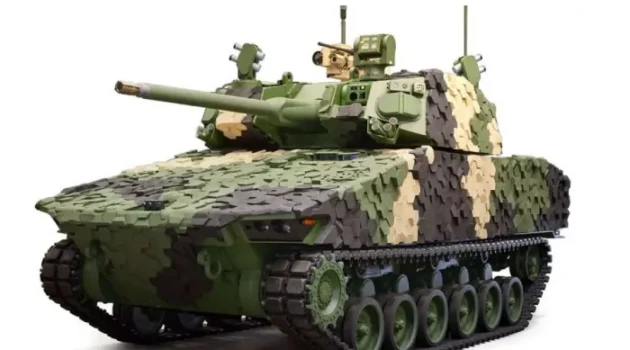
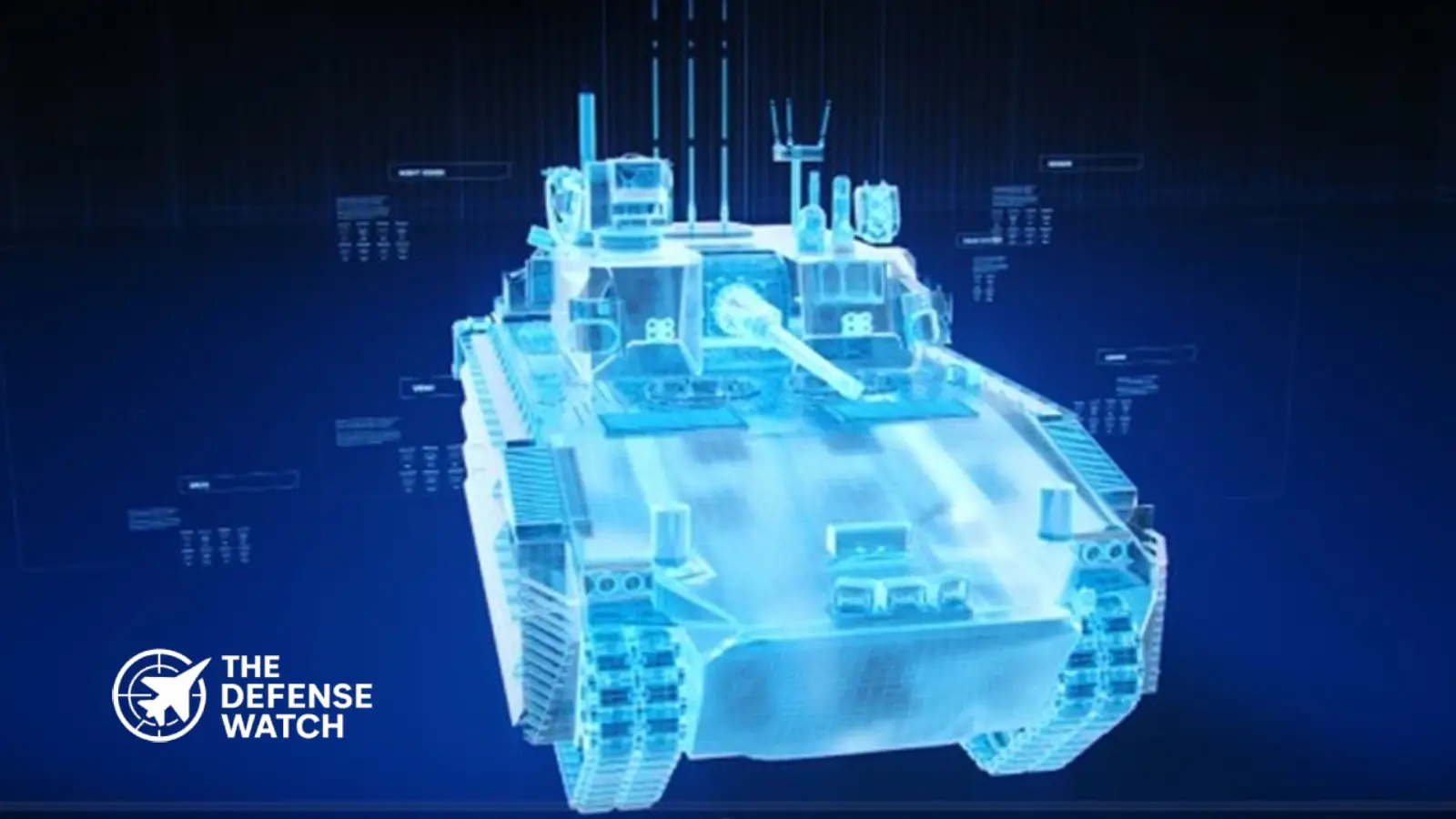
- Contract supports XM30 combat vehicle, Abrams M1E3 tank, and advanced long-range sensor programs.
- Total contract value rises to over $213 million following latest modification.
- Production focuses on Dewar Cooler Benches critical for thermal imaging performance.
- Work will continue through January 2029 in Melbourne, Florida.
According to the U.S. Army Contracting Command at Aberdeen Proving Ground, work will be carried out in Melbourne, Florida, through January 31, 2029.
Supporting XM30, Abrams M1E3, And Future Sensor Networks
The 3GEN FLIR contract directly supports three key U.S. Army modernization programs:
- XM30 Mechanized Infantry Combat Vehicle
- Future Advanced Long-range Common Optical / Netted-fires Sensor (FALCONS)
- Abrams M1E3 Main Battle Tank
Each platform depends on next-generation thermal imaging to detect, identify, and track threats in degraded visual environments, including night operations, smoke, and adverse weather.
The inclusion of multiple programs under a single contract reflects a broader effort to standardize sensor technology across platforms. This approach reduces lifecycle costs while improving interoperability between ground vehicles and long-range targeting systems.
Why Dewar Cooler Benches Matter
At the core of the 3GEN FLIR contract are Dewar Cooler Benches, a critical subsystem that maintains infrared sensors at extremely low temperatures. Cooling is essential for improving sensitivity and resolution in thermal imaging systems.
Without effective cooling, infrared detectors lose accuracy and range. With advanced Dewar systems, 3GEN FLIR sensors can:
- Detect targets at longer distances
- Provide clearer thermal images
- Operate reliably in high-temperature combat zones
This enhancement is particularly relevant for future conflicts where detection range and first-shot advantage are decisive factors.
Strategic Shift Toward Sensor Dominance
The 3GEN FLIR contract highlights a broader shift in U.S. Army doctrine, where sensing and targeting are becoming as important as firepower. Modern battlefields increasingly rely on who sees first, not just who shoots first.
Compared to earlier FLIR generations, 3GEN systems offer improved resolution and multi-spectral capabilities. This allows operators to distinguish between targets and decoys more effectively, a growing concern in environments saturated with drones and electronic countermeasures.
Programs like the XM30 and Abrams M1E3 are being designed with these sensor upgrades in mind from the outset, rather than as retrofits. That shift reduces integration challenges and ensures full performance from day one.
Funding And Contract Details
The Army obligated $20.19 million in fiscal 2025 procurement funds at the time of the award. The contract modification falls under agreement W909MY-22-C-0023, managed by Army Contracting Command, Belvoir Division.
Low-Rate Initial Production suggests the systems are transitioning from development into scalable manufacturing, a key milestone for any defense technology.
Industry Context And Competitive Landscape
Leonardo DRS, the parent company of DRS Network & Imaging Systems, has been a long-standing supplier of advanced electro-optical and infrared systems to the U.S. military. The 3GEN FLIR contract strengthens its position in a competitive market that includes major players focused on sensor fusion, AI-assisted targeting, and multi-domain integration.
Thermal imaging systems are also becoming central to counter-drone operations and long-range precision fires. As a result, investments in FLIR technology are no longer limited to armored vehicles but extend to broader sensor networks and battlefield architectures.
Operational Impact Across Future Combat Systems
The 3GEN FLIR contract will have a direct operational impact on how U.S. forces conduct reconnaissance, targeting, and maneuver warfare. Improved thermal imaging enhances:
- Survivability in contested environments
- Target acquisition speed
- Coordination between platforms
For systems like the Abrams M1E3, which is expected to incorporate advanced digital architecture and reduced weight, improved sensors will play a critical role in maintaining battlefield dominance without relying solely on heavier armor.
Similarly, the XM30 program aims to replace the Bradley Fighting Vehicle with a more networked and survivable platform, where sensor integration is a core design requirement.