

Executive Summary:
BWX Technologies has secured more than $1.4 billion in contracts from the U.S. Navy to support nuclear propulsion programs for submarines and aircraft carriers. The agreements reinforce the Pentagon’s long-term naval modernization strategy and expand industrial capacity supporting America’s nuclear-powered fleet.
BWX Technologies Expands Role In U.S. Navy Nuclear Propulsion Programs
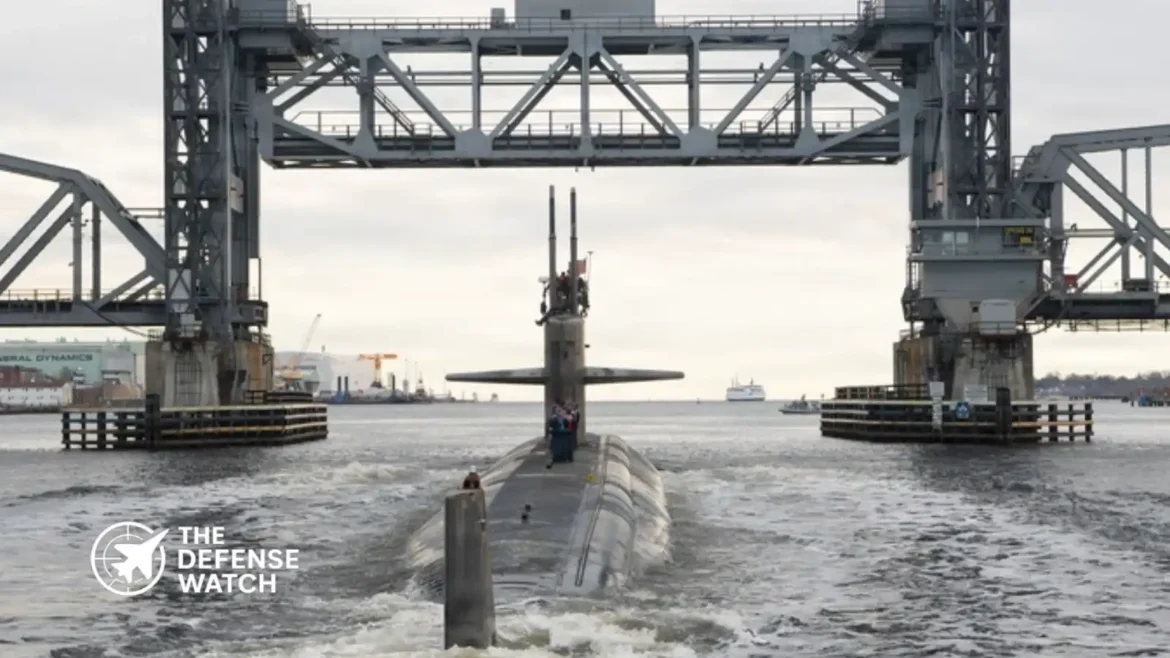
BWX Technologies has secured contracts worth more than $1.4 billion from the U.S. Navy to manufacture critical nuclear propulsion components for submarines and aircraft carriers, according to company and industry reports.
The awards support ongoing production and modernization efforts tied to the Navy’s nuclear fleet, including the Virginia class fast attack submarines and Ford class aircraft carriers. The contracts were issued through the Naval Nuclear Propulsion Program, one of the Pentagon’s most strategically sensitive defense initiatives.
The new agreements highlight continued U.S. investment in undersea warfare and long-term maritime deterrence capabilities amid rising geopolitical competition in the Indo-Pacific and other contested regions.
Contracts Support Strategic Naval Modernization
The U.S. Navy’s nuclear propulsion enterprise remains central to American power projection and strategic deterrence. Nuclear-powered submarines and carriers provide extended operational endurance, reduced logistical dependence, and global deployment flexibility that conventional platforms cannot match.
BWX Technologies will manufacture reactor components, pressure vessels, and precision nuclear systems used across multiple naval platforms. The company has long served as a critical supplier to the U.S. Navy’s nuclear propulsion ecosystem.
According to the company, the contracts include work tied to both new vessel construction and sustainment programs. Production activities will occur across several U.S. manufacturing facilities specializing in nuclear-grade materials and precision engineering.
The awards come as the Navy pushes to expand submarine production capacity while sustaining aging fleet assets. The Pentagon has repeatedly identified the submarine industrial base as a national security priority due to increasing operational demand and production bottlenecks.
Growing Pressure On America’s Submarine Industrial Base
The U.S. Navy has faced mounting challenges in maintaining desired submarine production rates, particularly for the Virginia class program. Delays in supply chains, workforce shortages, and limited manufacturing throughput have affected delivery schedules across the defense sector.
The latest BWX Technologies contracts signal continued federal efforts to stabilize and expand the industrial base supporting nuclear-powered vessels.

The United States is also balancing several overlapping naval priorities, including:
- Virginia class submarine production
- Columbia class ballistic missile submarine development
- Ford class aircraft carrier construction
- Nuclear fleet sustainment and reactor refueling
These programs collectively require a highly specialized workforce and tightly regulated manufacturing infrastructure.
Defense analysts increasingly view industrial capacity as a strategic factor in great power competition. The ability to sustain submarine production at scale is now considered essential for maintaining U.S. naval superiority against peer competitors such as China and Russia.
Nuclear Propulsion Remains Core To U.S. Maritime Strategy
The U.S. Navy operates the world’s largest fleet of nuclear-powered warships. Nuclear propulsion allows submarines to remain submerged for extended periods while enabling carriers to conduct long-duration operations without frequent refueling requirements.
Programs supported under the new contracts directly contribute to U.S. force readiness and long-term deterrence posture.
The contracts also align with broader U.S. defense priorities focused on Indo-Pacific security, maritime freedom of navigation, and allied force integration. Washington has increased emphasis on undersea warfare capabilities as regional naval competition intensifies.
In recent years, the Pentagon has prioritized investments in shipbuilding, advanced propulsion systems, and industrial resilience as part of broader defense modernization initiatives.
Defense Industry Impact And Economic Significance
The contracts are expected to support thousands of high-skilled manufacturing and engineering jobs across the United States. Nuclear propulsion work requires extensive certification standards, precision metallurgy expertise, and secure production environments.
BWX Technologies remains one of a limited number of American firms capable of producing naval nuclear reactor components at scale.
The agreements also demonstrate continued Pentagon reliance on established defense contractors with specialized nuclear engineering capabilities. Maintaining these industrial competencies is viewed as critical to sustaining future submarine and aircraft carrier programs.
As global maritime competition expands, the U.S. Navy’s nuclear propulsion infrastructure will likely remain a cornerstone of American defense planning for decades.
Original Analysis: Why These Contracts Matter Beyond Shipbuilding
While the headline value of the contracts is significant, the larger strategic story centers on industrial readiness. The U.S. Navy is not simply buying reactor parts, it is reinforcing the manufacturing network required to sustain long-term naval competition.
The submarine industrial base has become a major national security concern in Washington. Production delays affect not only fleet expansion goals but also alliance commitments, including the AUKUS security partnership involving Australia, the United Kingdom, and the United States.
These contracts also underscore how defense manufacturing capacity increasingly influences military strategy. In a prolonged geopolitical crisis, the ability to replace, maintain, and modernize naval assets could prove as important as frontline platform capabilities themselves.
The Navy’s continued investment in nuclear propulsion infrastructure suggests Pentagon planners are preparing for sustained maritime competition rather than short-term regional contingencies.

General Dynamics Quarterly Profit Growth Signals Strong Defense Demand
General Dynamics quarterly profit growth highlights continued strength in U.S. defense spending, with combat systems and marine programs driving higher earnings in the latest reporting period.
- General Dynamics reported higher quarterly profit driven by defense demand.
- Growth led by combat systems and marine segments, including submarine programs.
- U.S. military modernization and naval expansion underpin sustained demand.
- Results reflect ongoing production for armored vehicles and nuclear submarines.
- Strong earnings signal continued resilience in the U.S. defense industrial base.
The Big Picture
U.S. defense contractors are benefiting from sustained budget priorities focused on modernization, readiness, and great power competition. Washington continues to prioritize investments in armored platforms, naval forces, and advanced weapons systems to counter near-peer threats.
Naval expansion remains a central pillar of U.S. military strategy. The U.S. Navy’s long-term shipbuilding plans, particularly for nuclear-powered submarines, are fueling steady demand for industrial capacity. At the same time, land warfare modernization, including armored vehicles and support systems, continues to receive funding amid lessons learned from recent conflicts.
This broader environment has created favorable conditions for major contractors, especially those with diversified portfolios across land, sea, and aerospace domains.
What’s Happening
General Dynamics reported a rise in quarterly profit, supported by strong performance in its combat systems and marine segments, according to Reuters.
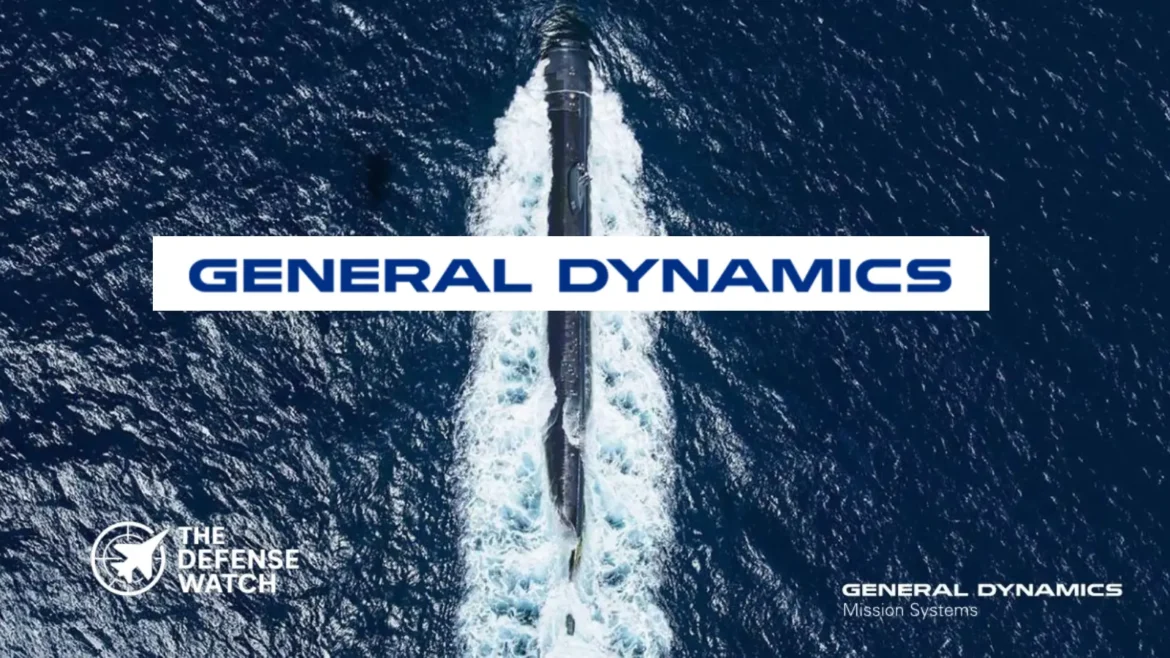
The company’s marine systems division, which builds nuclear-powered submarines, played a key role in driving earnings. Ongoing production for programs such as the Virginia-class and Columbia-class submarines continues to generate stable revenue streams.
The combat systems segment also contributed significantly. Demand for armored vehicles, weapons systems, and related platforms remained strong, reflecting both U.S. Army requirements and international orders.
The results align with broader trends across the U.S. defense sector, where increased procurement and modernization efforts are translating into higher revenues for prime contractors.
Why It Matters
General Dynamics quarterly profit growth underscores the durability of defense spending even amid economic uncertainty. Unlike commercial sectors, defense programs operate on long-term funding cycles, providing predictable revenue for contractors.
Submarine production is particularly critical. Nuclear submarines represent one of the most complex and strategically important capabilities in the U.S. arsenal. Their role in deterrence, intelligence gathering, and strike operations makes them a priority for sustained investment.
Similarly, combat systems remain essential for ground force readiness. Armored vehicles and support platforms are central to both conventional warfare and rapid deployment operations.
The company’s performance reflects how these core capabilities continue to anchor U.S. military modernization efforts.
Strategic Implications
Strong earnings from marine and combat systems reinforce the U.S. military’s focus on multi-domain readiness. Submarine production supports undersea dominance, a key factor in maintaining strategic deterrence against peer competitors.
At the same time, robust demand for land systems highlights ongoing concerns about large-scale ground conflict scenarios. The U.S. Army’s modernization programs aim to improve survivability, mobility, and lethality in contested environments.
The financial health of companies like General Dynamics also has broader implications for the defense industrial base. Consistent profitability enables continued investment in workforce, infrastructure, and innovation, all of which are essential for maintaining production capacity.
Competitor View
China and Russia closely monitor U.S. defense industrial output, particularly in submarine construction and armored vehicle production.
China continues to expand its naval capabilities, including its own submarine fleet, as part of its strategy to challenge U.S. presence in the Indo-Pacific. Sustained U.S. investment in undersea warfare signals a commitment to maintaining a technological and operational edge.
Russia, despite economic constraints, remains focused on modernizing its ground forces and strategic deterrent. U.S. investments in combat systems and submarines reinforce deterrence by demonstrating industrial capacity and readiness.
These dynamics contribute to an ongoing cycle of capability development among major powers.
What To Watch Next
Upcoming earnings reports from other major defense contractors will provide further insight into industry-wide trends. Analysts will focus on whether demand remains consistent across all segments or becomes concentrated in specific areas such as naval systems.
Production timelines for submarine programs will also be critical. Any delays or cost overruns could impact future financial performance and operational readiness.
Additionally, U.S. defense budget decisions in the coming fiscal cycles will shape long-term demand. Continued emphasis on naval expansion and ground force modernization would sustain current growth trends.
Capability Gap
General Dynamics’ performance reflects efforts to address key capability gaps in both naval and ground domains.
In the undersea domain, the U.S. aims to maintain a sufficient number of advanced submarines to counter growing threats. Production capacity remains a limiting factor, and scaling output continues to be a challenge.
On land, modernization programs seek to replace aging platforms and improve operational effectiveness. However, integration of new technologies and supply chain constraints can slow progress.
These limitations highlight the importance of sustained investment and industrial coordination.
The Bottom Line
General Dynamics’ rising profits confirm that strong demand for submarines and combat systems continues to anchor U.S. defense modernization and industrial strength.