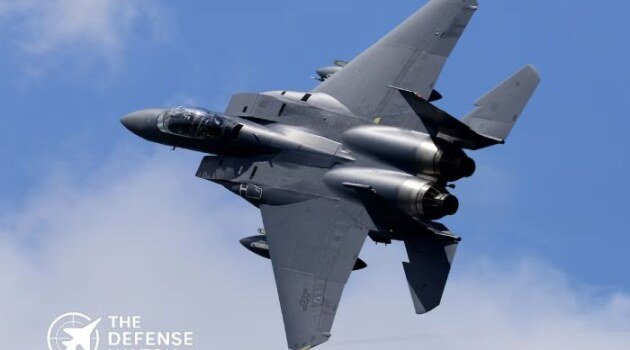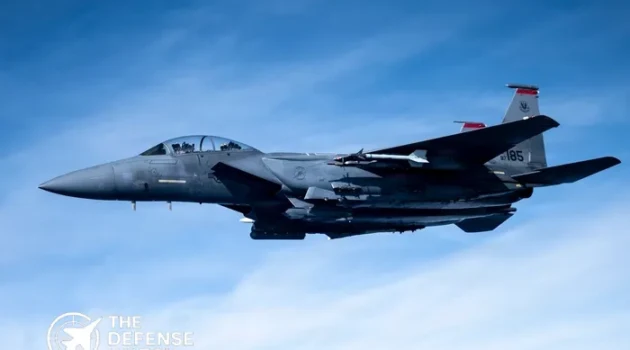
- ► Three US Air Force F-15E Strike Eagles were downed over Kuwait in an apparent friendly fire incident, according to US Central Command.
- ► The incident occurred late March 1 during active combat operations involving Iranian aircraft, missiles, and drones.
- ► All six aircrew members ejected safely and were recovered in stable condition.
- ► Kuwaiti authorities acknowledged the engagement error and launched a joint investigation with US officials.
- ► The incident underscores the complexity of air defense identification during high-tempo coalition operations in the Gulf.
Friendly Fire Downing of US F-15s Over Kuwait
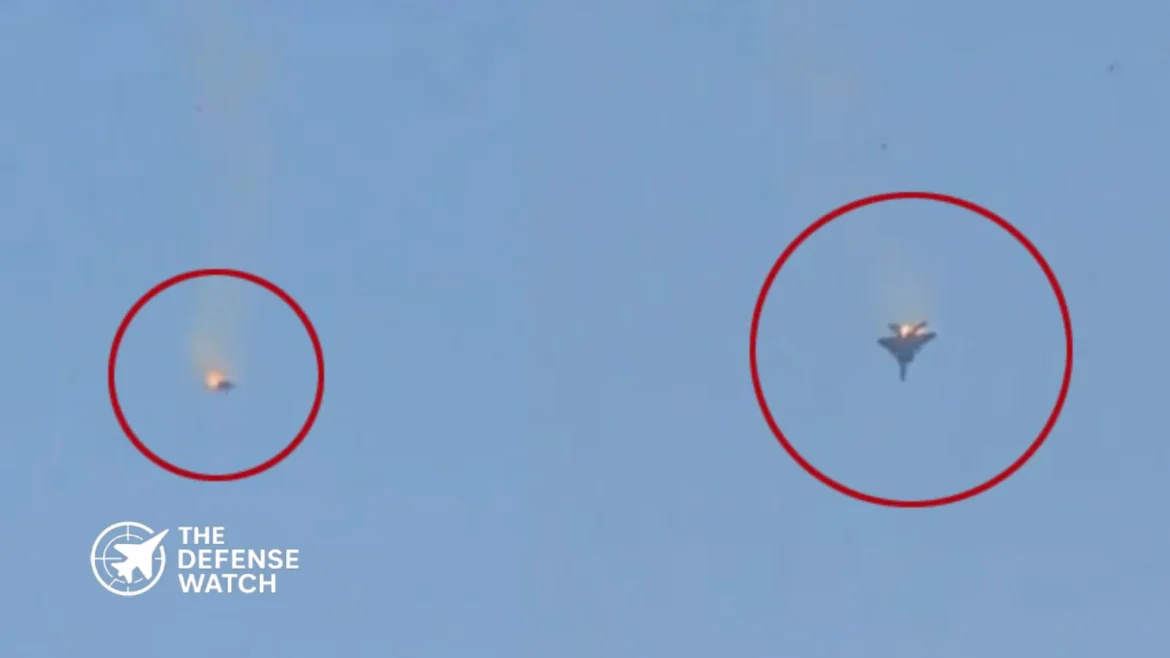
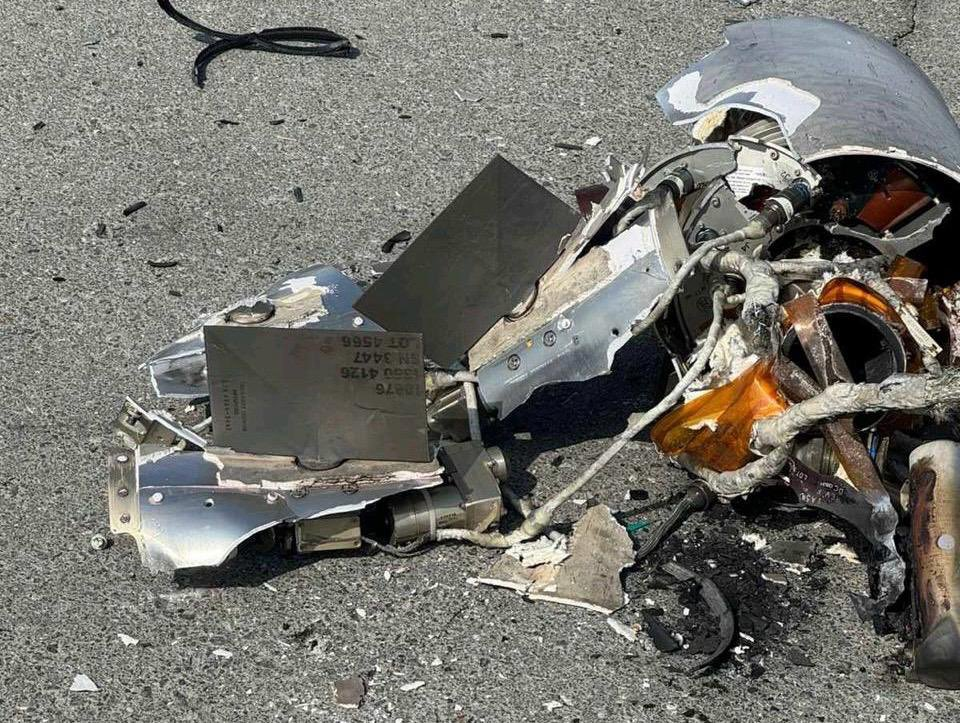
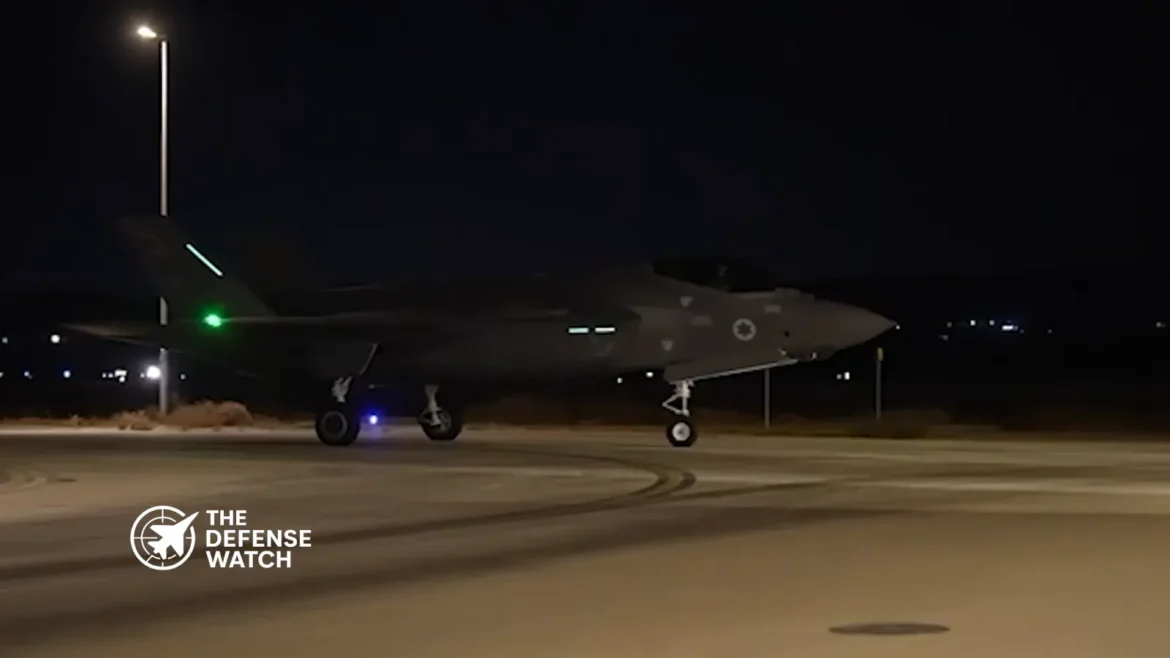
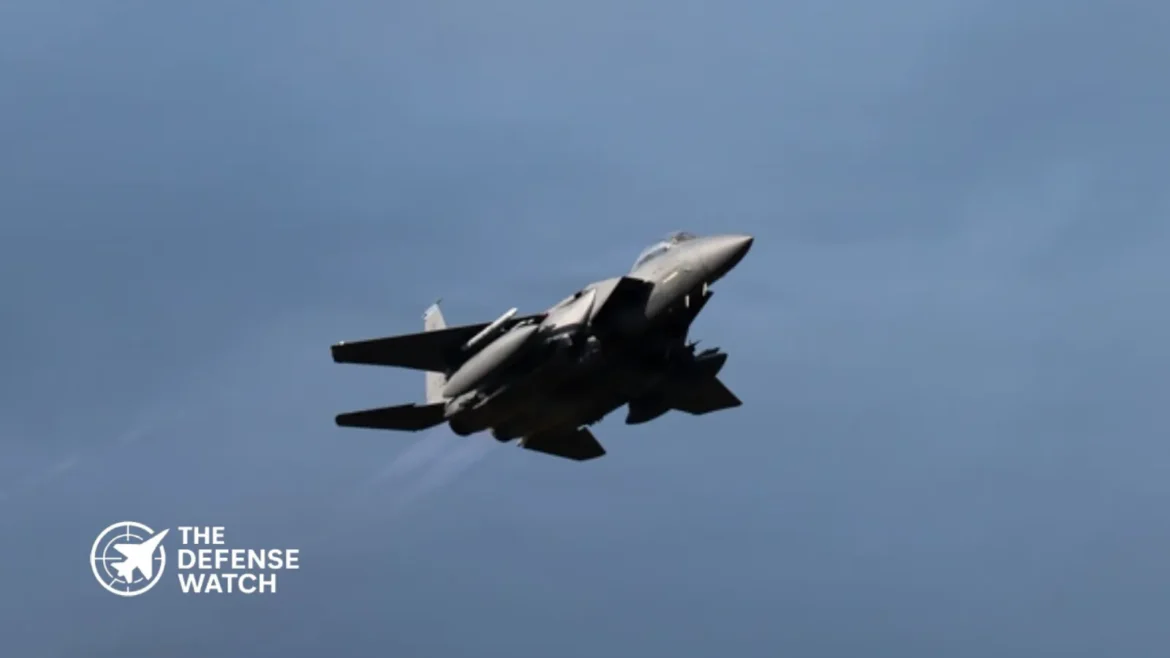
US Central Command has confirmed that three US Air Force F-15E Strike Eagle fighter jets were destroyed by Kuwaiti air defense systems in what officials describe as an apparent friendly fire incident. The jets were operating over Kuwait late on March 1 during active combat tied to ongoing Middle East hostilities when they were mistakenly engaged by allied air defenses, CENTCOM said.
The aircraft were part of combat operations linked with efforts against Iranian aircraft, ballistic missiles, and unmanned aerial threats. All six aircrew members successfully ejected from their jets and were recovered in stable condition, the US military added.
Operational Context
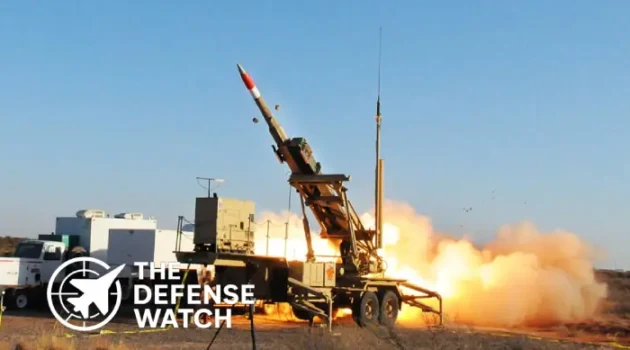
The incident occurred amid intense regional fighting that has seen missile and drone barrages across Gulf states and active US military support for allied operations. Kuwait’s Patriot and other surface-to-air systems have been actively intercepting hostile threats, complicating the air picture and putting stress on identification systems.
CENTCOM officials said Kuwait acknowledged the engagement error and is working with US counterparts on an investigation to determine root causes. The allied response aims to refine identification friend-foe procedures and avoid similar incidents in a high-tempo environment.
Air Defense Challenges in Combat
Military experts note that layered threats from ballistic missiles, attack drones, and fast jets can strain air defense networks, especially when multiple allied air forces operate in close proximity. Detailed after-action reviews will likely focus on IFF protocols, common data links, and real-time coordination between coalition partners.
This rare case of friendly fire loss underscores the dangers inherent in complex combat environments where rapid decisions are made under stress. It also highlights the need for robust integration of allied air defense and identification systems.
Mapping the Incident Within Regional Conflict
The shoot-downs come amid broader tensions in the Gulf tied to Iranian aerial campaigns and allied counter-operations. Recent reports indicate heightened missile and drone activity across multiple Gulf states, prompting increased alert levels among coalition forces.
No further details have been released on specific locations of the engagements beyond general Kuwaiti airspace. Additional official briefings are expected as investigations proceed.
 .key-facts-container { max-width: 760px; margin: 2rem auto; font-family: system-ui, -apple-system, BlinkMacSystemFont, ‘Segoe UI’, Roboto, sans-serif; }.key-facts-box { background-color: #003366; color: #e8f0ff; border-left: 5px solid #cc0000; border-radius: 4px; padding: 1.5rem 1.8rem; box-shadow: 0 4px 12px rgba(0, 0, 0, 0.3); }.key-facts-header { display: flex; align-items: center; margin-bottom: 1.1rem; font-weight: bold; font-size: 1.1rem; letter-spacing: 0.5px; color: #ffdddd; }.header-icon { margin-right: 0.6rem; font-size: 1.3rem; }.key-facts-list { list-style: none; padding: 0; margin: 0; font-size: 1.02rem; line-height: 1.68; }.key-facts-list li { margin-bottom: 1.1rem; position: relative; padding-left: 2.2rem; }.key-facts-list li:last-child { margin-bottom: 0.4rem; }.bullet { position: absolute; left: 0; color: #ff4444; font-size: 1.4rem; line-height: 1; }/* Mobile responsiveness */ @media (max-width: 600px) { .key-facts-box { padding: 1.2rem 1.4rem; margin: 1.5rem 1rem; }.key-facts-header { font-size: 1rem; }.key-facts-list { font-size: 0.98rem; line-height: 1.6; } }KEY FACTS AT A GLANCE
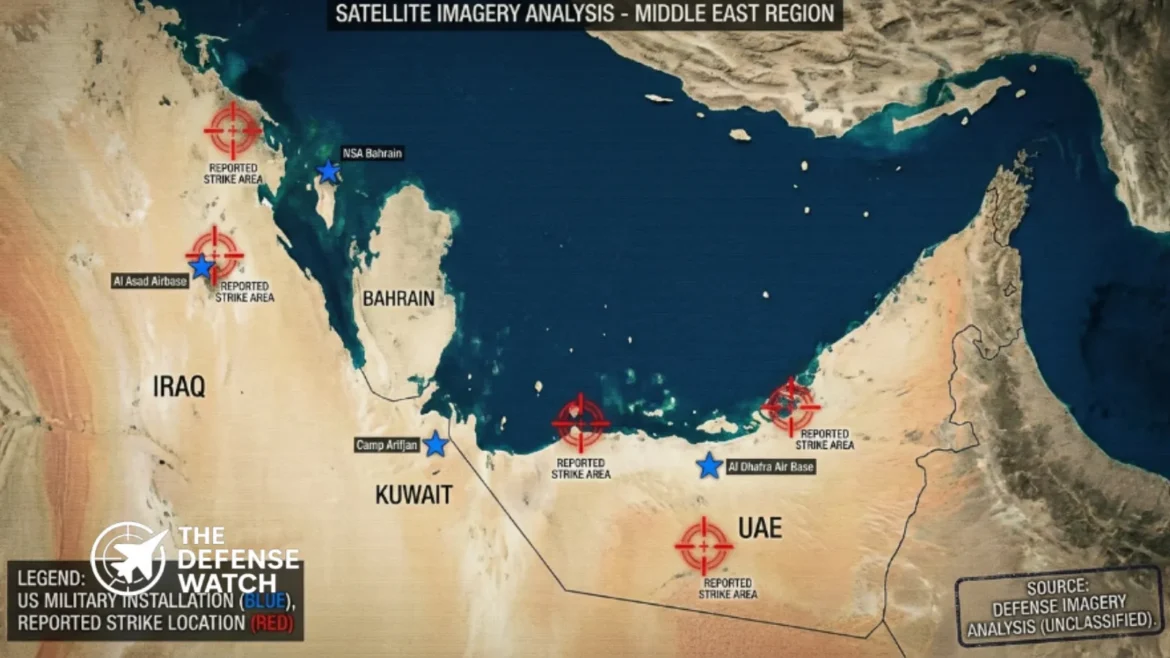
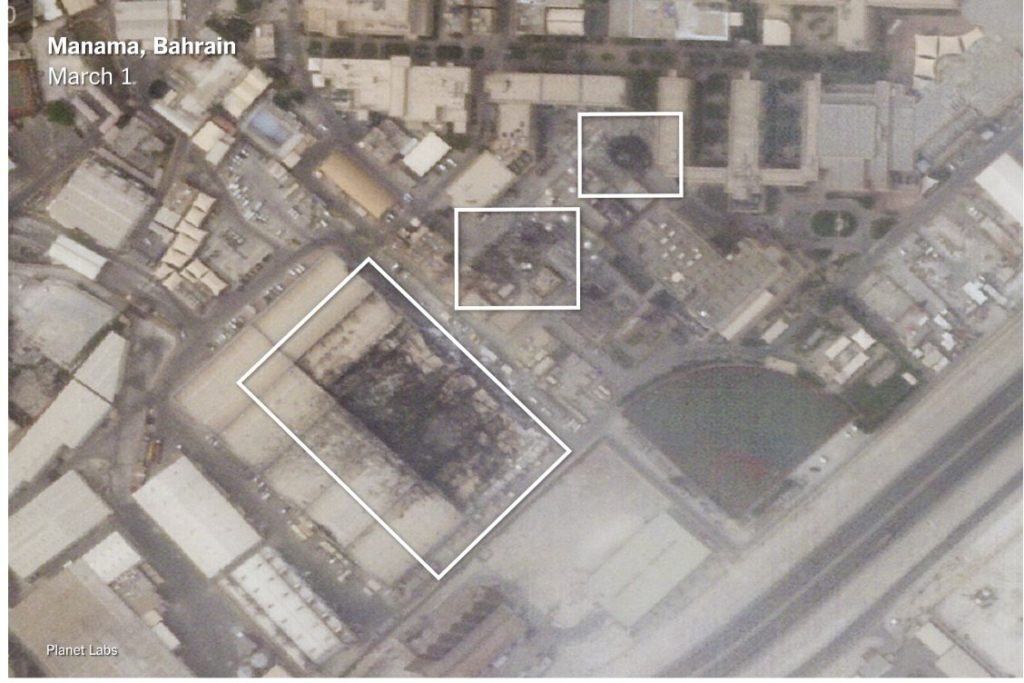
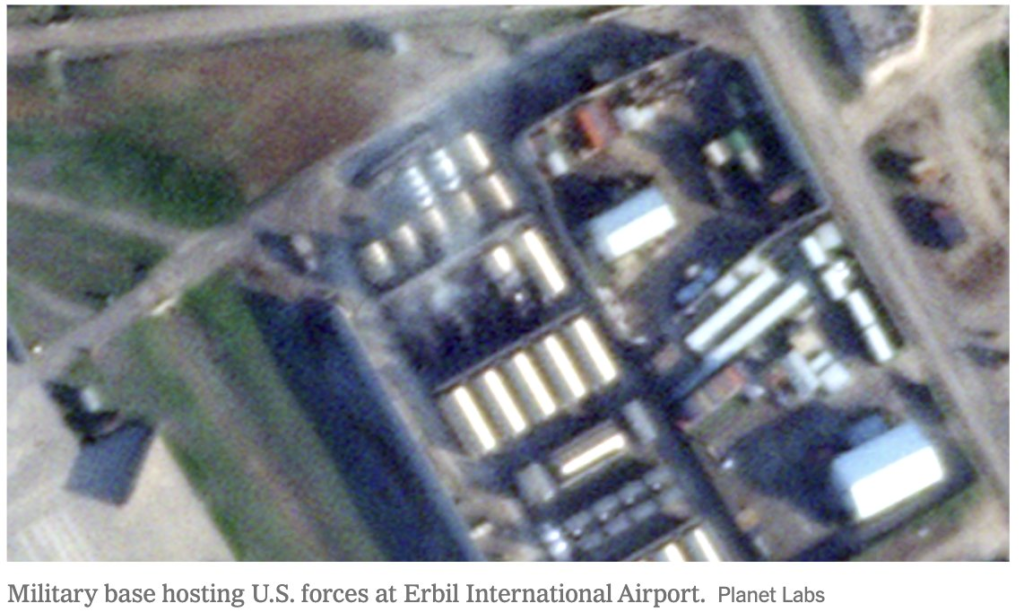
- ► Iran launched retaliatory strikes on at least six U.S. military facilities across the Middle East, according to The New York Times analysis of satellite imagery, videos, and U.S. statements (March 1–2, 2026).
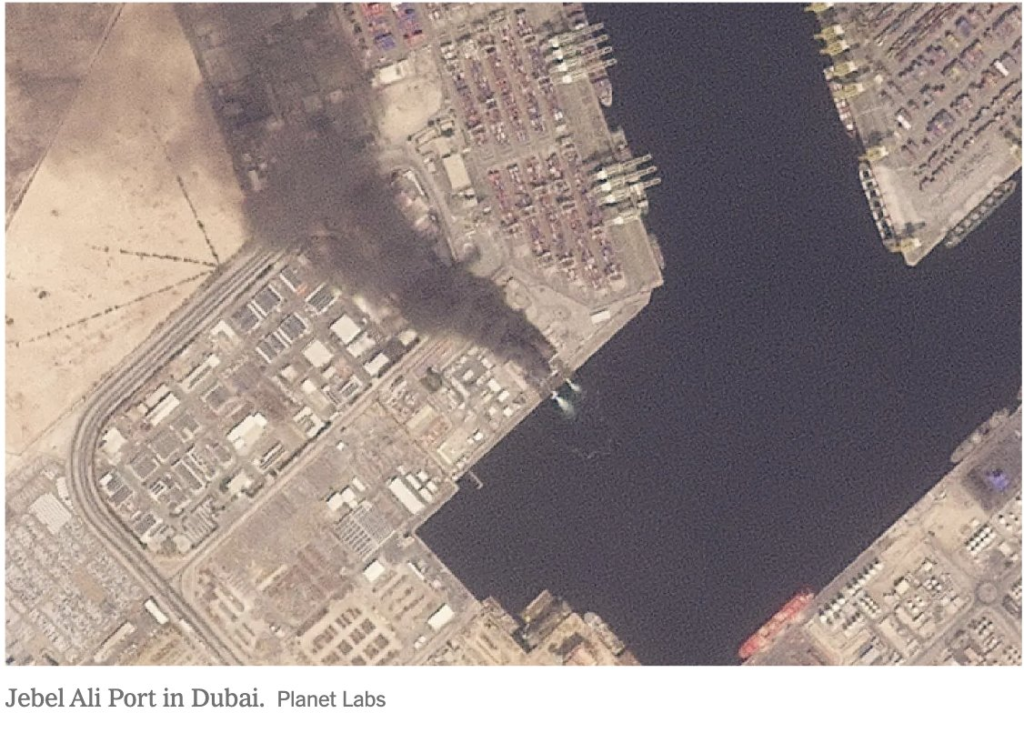
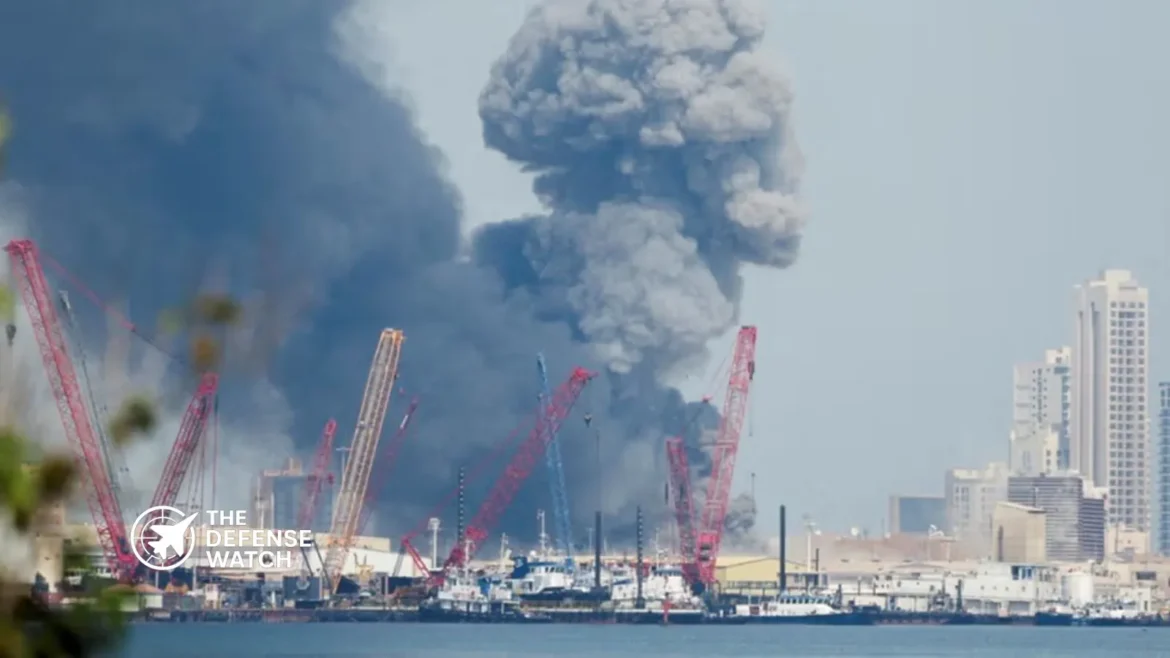
- ► Targeted locations include Bahrain (U.S. Navy Fifth Fleet HQ in Manama), multiple sites in Iraq, Kuwait (including Camp Arifjan and Ali al-Salem Air Base), and the UAE (facilities and Dubai port area used by U.S. forces).
- ► Strikes involved missiles and drones; confirmed damage to buildings, satellite communications equipment, and other infrastructure — thick smoke and explosions reported in several locations.
- ► U.S. Central Command confirmed three service members killed and five seriously wounded in Kuwait; no additional casualties reported from other sites as of March 2, 2026.
- ► Retaliation follows joint U.S.-Israeli strikes on Iran beginning February 28, 2026, which killed Supreme Leader Ali Khamenei and other senior figures — escalating the conflict across the Gulf region.
Escalating Conflict: Iran Targets US Bases in Retaliation
The reported Iranian attacks on US military installations mark a significant escalation in the ongoing Middle East crisis, directly responding to the US-Israeli strikes that began February 28, 2026. According to The New York Times, satellite imagery and video evidence confirm impacts on at least six sites, with severe structural damage observed.
Iran’s Islamic Revolutionary Guard Corps (IRGC) has framed these actions as part of a broader retaliatory campaign, dubbed stages of “Operation True Promise-2,” involving hypersonic missiles, drones, and other munitions. Iranian officials, including Foreign Minister Abbas Araghchi, have condemned the killing of Supreme Leader Ali Khamenei as a “grave breach” of international norms and a “declaration of war on Muslims worldwide,” per statements from President Masoud Pezeshkian.

The US-Israeli operation targeted Iranian cities and infrastructure, justified by Washington as necessary to counter alleged missile and nuclear threats from Tehran. US President Trump has stated the campaign is proceeding “ahead of schedule” and emphasized that the US “cannot allow” Iran to possess long-range missiles. Reports indicate the strikes resulted in the deaths of Khamenei and other key figures, including IRGC leadership, prompting leadership transitions and mourning periods in Iran and allied nations like Iraq.
Scope of Iranian Strikes
The affected locations span multiple Gulf states hosting US forces:
- Bahrain: Headquarters of the US Navy’s Fifth Fleet in Manama sustained damage.
- Iraq and Kuwait: Multiple military bases hit, with claims of destroyed facilities.
- UAE: Sites including a Dubai port utilized by US military logistics.
Iranian sources claim additional impacts across ten countries, including strikes on facilities in Qatar, Jordan, Saudi Arabia, and Oman, though independent verification remains limited. The IRGC has asserted significant US casualties (up to 200 in some claims) and destruction of assets, including disabling UAE air defense radars and targeting naval vessels.
US authorities have confirmed earlier deaths of three servicemen but provided no updated casualty figures from these specific Iranian strikes. The USS Abraham Lincoln carrier was reportedly in the vicinity but avoided direct hits.
Geopolitical Ramifications
This tit-for-tat exchange underscores deepening regional tensions and the potential for wider involvement. Russia has condemned the US-Israeli actions, with President Putin calling Khamenei’s killing a “cynical violation” of norms. Foreign Minister Sergey Lavrov and Chinese counterpart Wang Yi expressed readiness to promote stabilization. Russian officials warn that continued aggression risks escalation beyond the Middle East.

Oil markets have reacted sharply, with Brent crude rising amid threats to the Strait of Hormuz—though Iranian diplomats clarified no permanent closure is planned. Analysts note that prolonged disruption could drive prices higher and trigger global energy concerns.
Iran maintains openness to de-escalation efforts, with Araghchi stating Tehran is in contact with partners like Russia and China. However, the killing of senior leaders complicates internal dynamics and any near-term negotiations.

The conflict highlights vulnerabilities in forward-deployed US forces and the challenges of deterring asymmetric responses involving missiles and drones. As operations continue, the focus remains on containing spillover while addressing underlying missile and nuclear issues.
■ KEY FACTS AT A GLANCE- ► Joint U.S.-Israeli strikes on Iran began February 28, 2026, killing Supreme Leader Ayatollah Ali Khamenei and targeting missile sites, air defenses, and military HQ.
- ► Iran retaliated with multiple waves of ballistic missiles and drones targeting Israel, including Tel Aviv, Haifa, and other areas; claims of hits on military complexes reported by IRGC.
- ► No authoritative sources confirm Iranian use of thermobaric weapons; strikes described as conventional ballistic missiles.
- ► Casualties reported in Israel from impacts and shrapnel; Israeli defenses intercepted many projectiles amid ongoing barrages.
- ► Conflict widens with Hezbollah involvement from Lebanon and Iranian strikes on U.S. bases in Gulf states.
Ongoing Iran-Israel Escalation: Missile Exchanges Intensify After Khamenei Killing
Iran’s Islamic Revolutionary Guard Corps (IRGC) has conducted multiple waves of ballistic missile and drone attacks on Israel since late February 2026, targeting areas including Tel Aviv, Haifa, and Jerusalem, as part of retaliation for a major U.S.-Israeli military operation against Iran.
The joint U.S.-Israeli campaign, which Israeli officials codenamed Operation Roaring Lion, commenced on February 28 with extensive airstrikes on Iranian targets. These included missile production facilities, air defense networks, naval assets, and command structures. Israeli and U.S. officials confirmed the operation resulted in the death of Supreme Leader Ayatollah Ali Khamenei, along with other senior figures, marking a significant escalation in long-standing tensions.
Iranian state media and IRGC statements described the response as “Truthful Promise” operations or similar, claiming strikes on Israeli military headquarters, airbases like Tel Nof, and defense industry sites in Tel Aviv. Reports indicate over 60 waves of attacks on Israel in the initial 24-48 hours, involving hundreds of ballistic missiles and drones. Israeli military sources reported interceptions of many incoming threats, though some caused damage and casualties in central and northern Israel.
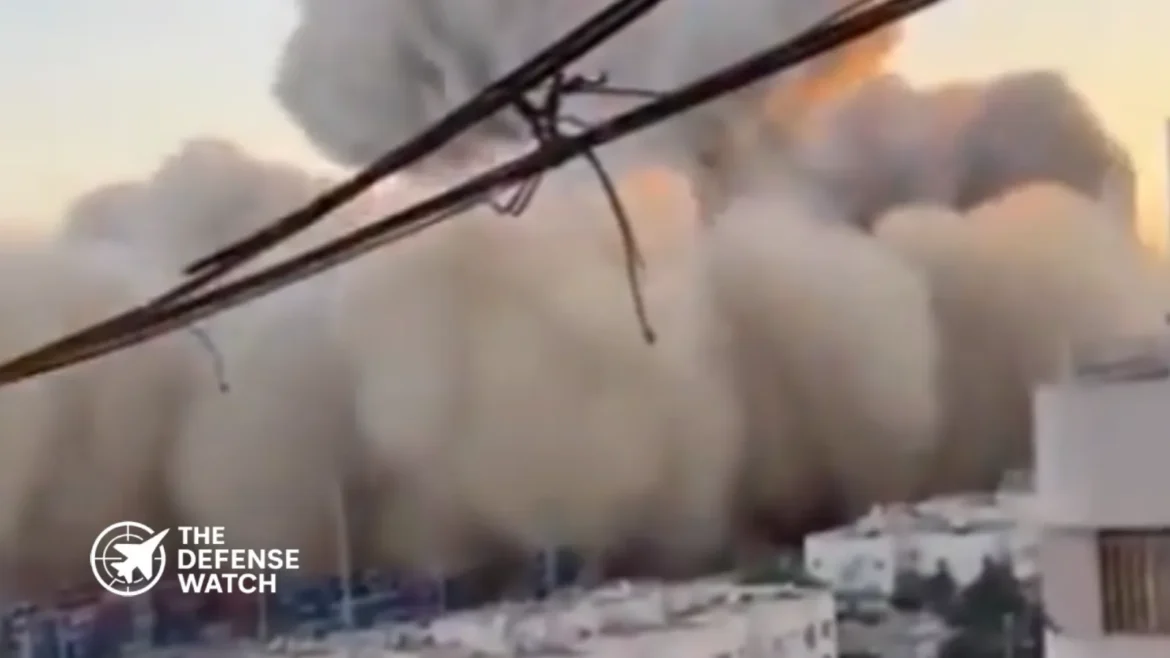
Social media claims specifically alleging thermobaric bomb deployment by Iran—describing effects up to 100 meters and rapid impact using “newly made weapons”—stem largely from unverified posts on X (formerly Twitter). These often feature similar video clips or images without geolocation or timestamp verification tying them to current events. Established defense analysts and outlets have not corroborated thermobaric use; Iran’s arsenal relies heavily on conventional high-explosive warheads in missiles like the Kheibar series for such barrages.
Thermobaric weapons, which disperse fuel to create prolonged blast waves, have been discussed in regional conflicts but remain unconfirmed here. Prior uses in the Middle East (e.g., reported in Gaza contexts by some investigations) highlight their devastating effects, but application requires specific delivery systems not prominently featured in Iranian missile inventories for long-range strikes.
Israeli defenses, including multi-layered systems, have mitigated much of the threat, though penetrations have led to civilian impacts. The conflict’s expansion includes Hezbollah rocket fire from Lebanon, prompting Israeli counterstrikes, and Iranian attacks on U.S. positions in the Gulf, resulting in American casualties.
This marks a critical phase in Middle East security dynamics, with risks of broader involvement. Diplomatic efforts, including UN Security Council discussions, emphasize de-escalation, though military actions continue.
■ KEY FACTS AT A GLANCE- ► Defense Ministry confirmed several U.S. military aircraft crash incidents this morning.
- ► All crews were evacuated through immediate search and rescue operations.
- ► Personnel transferred to hospital for medical checks and reported in stable condition.
- ► Direct coordination conducted with U.S. forces following the incident.
- ► Authorities investigating causes and urging reliance on official sources.
U.S. Military Aircraft Crash Confirmed, Crews Reported Safe
A U.S. military aircraft crash involving several aircraft was confirmed this morning by the Ministry of Defense, which stated that all crew members were safely evacuated and are in stable condition.
According to the official spokesperson, emergency response protocols were activated immediately after the incidents occurred. Search and rescue teams reached the crash sites, evacuated the crews, and transferred them to hospital facilities for precautionary medical evaluation.
Authorities said the personnel are stable and receiving appropriate care.
Immediate Search and Rescue Response
The Defense Ministry emphasized that relevant agencies initiated coordinated search and rescue operations without delay. While the number and type of aircraft involved were not specified, officials described the response as rapid and in line with established military aviation safety procedures.
Standard protocol in U.S. and partner force aviation incidents typically includes:
- Immediate site security
- Medical evacuation and triage
- Initial technical assessment
- Coordination between host nation and U.S. command authorities
Such procedures are consistent with safety frameworks outlined by the U.S. Department of Defense and implemented across forward deployed units.
Direct Coordination With U.S. Forces
The spokesperson confirmed direct coordination with friendly U.S. forces regarding the circumstances of the U.S. military aircraft crash. Joint technical measures were initiated to assess the situation and preserve investigative integrity.
In multinational operating environments, aircraft mishaps involving U.S. forces typically trigger cooperation between host nation defense authorities and U.S. commands such as regional combatant headquarters. Investigations are generally conducted under strict aviation safety standards, often guided by U.S. military service specific safety centers.
While no details were provided about operational status, mission profile, or location specifics, officials stressed that communication channels between both sides remain active.
Investigation Underway
Authorities confirmed that investigations are ongoing to determine the causes of the U.S. military aircraft crash. The Defense Ministry urged media outlets and the public to rely exclusively on official statements to avoid misinformation.
In military aviation, incident investigations typically examine:
- Mechanical or systems failure
- Weather and environmental conditions
- Human factors
- Air traffic control coordination
- Operational tempo and mission complexity
The findings can take days or weeks depending on the complexity of the incident and the condition of flight data recorders, if equipped.
Operational Context and Safety Considerations
Military aviation operations, particularly in forward deployed theaters, often involve high sortie rates, complex airspace management, and mixed force integration. These factors can increase operational risk, even when safety procedures are rigorously applied.
The confirmation that crews survived and are stable is significant. In comparable incidents involving fast jets, transport aircraft, or rotary platforms, survivability often depends on ejection systems, structural integrity, and the speed of medical evacuation.
The absence of reported fatalities suggests either successful emergency egress procedures or relatively controlled crash dynamics. However, officials have not released further technical detail.
Information Discipline and Official Sources
The Defense Ministry concluded its statement by calling on the public to obtain information from official sources. In high tempo security environments, early reports on aircraft crashes frequently circulate on social media before verification.
For professional defense reporting, confirmation from official defense channels remains critical before assessing operational or geopolitical implications.
At this stage, there is no indication of hostile action, mechanical failure, or operational error. Authorities have not attributed the U.S. military aircraft crash to any specific cause.
Further updates are expected as the investigation progresses.
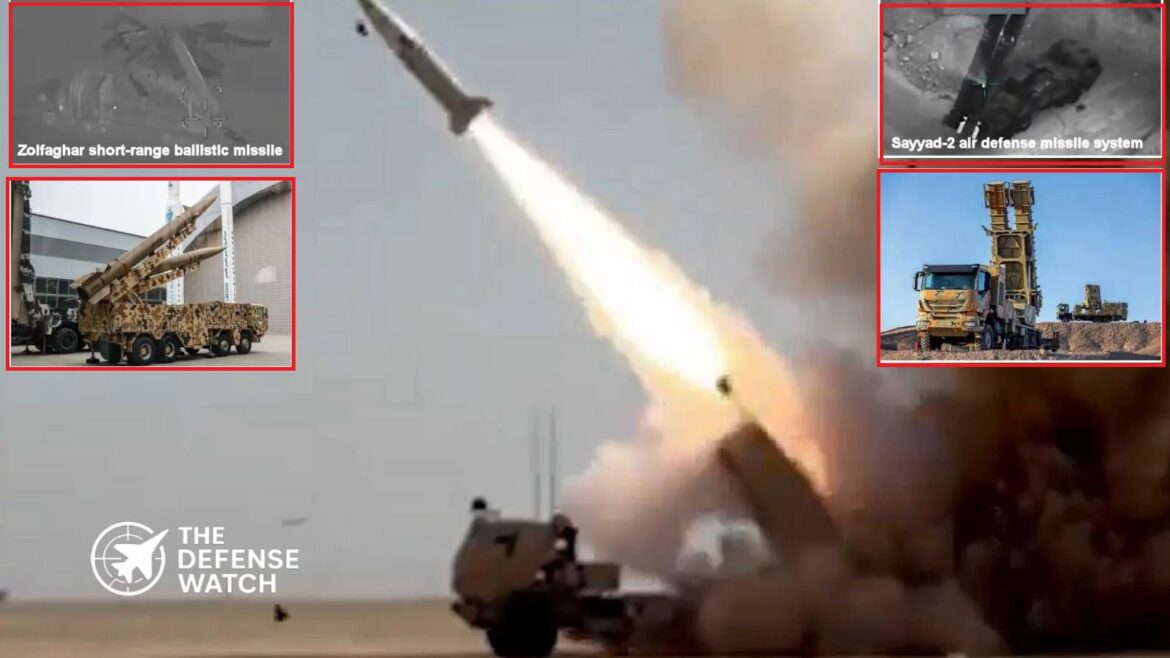
■ KEY FACTS AT A GLANCE- ► A US ATACMS missile strike reportedly destroyed a Shahed-129 drone and a Sayyad-2 air defense system.
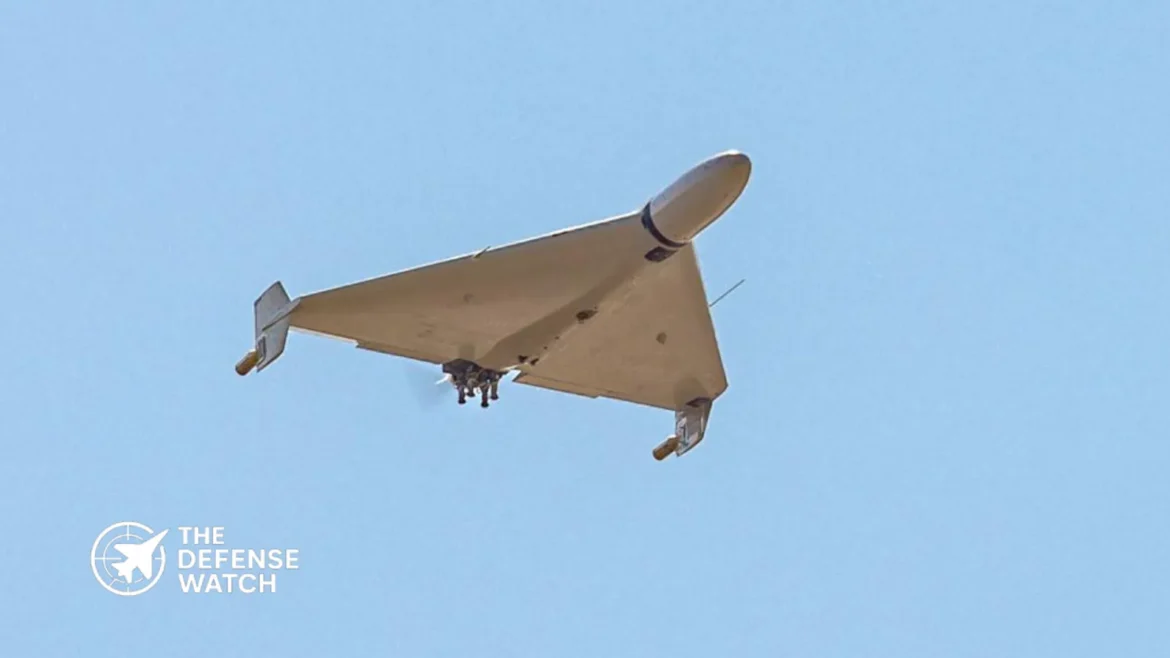
- ► The Shahed-129 is a medium altitude long endurance UAV used for surveillance and strike missions.
- ► The Sayyad-2 is part of Iran’s medium range surface to air missile architecture.
- ► ATACMS provides deep strike capability beyond 300 kilometers depending on variant.
- ► The strike highlights the vulnerability of fixed air defense nodes to precision guided ballistic missiles.
US ATACMS Missile Strike Destroys Iran Shahed-129 Drone And Sayyad-2 Air Defense System
The US ATACMS missile strike destroyed an Iranian Shahed-129 drone and a Sayyad-2 air defense system, according to a reports. The strike reportedly targeted high value Iranian unmanned and surface to air missile assets amid heightened regional tensions.
The report states that a US Army Tactical Missile System, known as ATACMS, was used to engage and eliminate both systems in a precision strike. If confirmed, the engagement marks a significant operational use of long range ground launched munitions against layered air defense infrastructure.
What Was Targeted
The Shahed-129 is one of Iran’s most capable unmanned aerial vehicles. Developed by Iran’s defense industry, it is designed for intelligence, surveillance, reconnaissance, and limited strike missions. The drone has been widely assessed by defense analysts as comparable in role to the US MQ-1 Predator class, though with different avionics and payload configurations.
The Sayyad-2 missile forms part of Iran’s indigenous surface to air missile network. It is associated with medium range air defense systems intended to counter aircraft, cruise missiles, and unmanned systems. Open source defense analysis has linked the missile to variants deployed within the Talash and other Iranian air defense batteries.
A US ATACMS missile strike against both a UAV platform and an air defense launcher suggests deliberate targeting of surveillance and protective layers within a broader network.
ATACMS Capability In Focus
The US ATACMS missile strike underscores the operational value of the Army Tactical Missile System. Developed by Lockheed Martin, ATACMS is a solid fueled, surface to surface ballistic missile launched from the M270 MLRS or HIMARS platforms.
Depending on the variant, ATACMS can reach ranges exceeding 300 kilometers. Its guidance system combines inertial navigation with GPS updates, enabling precision strikes against fixed and semi fixed targets.
In recent conflicts, ATACMS has been used to target airfields, logistics depots, and air defense assets. A strike against a Sayyad-2 battery aligns with established doctrine, which prioritizes suppression and destruction of enemy air defenses before expanding air or missile operations.
From an operational standpoint, destroying a medium range air defense system reduces coverage gaps and complicates adversary attempts to contest airspace.
Strategic Implications For Iran’s Air Defense Network
Iran’s air defense architecture is layered, combining legacy systems, domestically produced missiles, and limited imported technologies. The Sayyad series represents an effort to modernize that network with improved range and engagement capability.
If the reported US ATACMS missile strike eliminated an operational Sayyad-2 unit, it would signal that even medium range batteries are vulnerable to precision ballistic threats.
This carries broader implications.
Fixed radar and launcher sites are inherently exposed once detected. Ballistic missile trajectories reduce reaction time for defenders. Unless supported by mobile relocation, camouflage, and hardened shelters, such systems can be neutralized early in a campaign.
At the same time, the loss of a Shahed-129 drone reduces Iran’s ability to conduct persistent surveillance. UAVs often provide targeting data for missile and artillery units. Removing that asset affects situational awareness.
Operational Lessons
Several lessons emerge from the reported US ATACMS missile strike.
First, deep strike systems remain central to modern conflict. Ground launched ballistic missiles allow engagement without exposing aircraft to contested airspace.
Second, unmanned systems and air defense nodes are priority targets. Disrupting ISR and missile shields can shape the operational environment quickly.
Third, survivability depends on mobility. Static systems face growing risks from precision guided munitions.
These dynamics have been observed in multiple theaters in recent years. Western military doctrine increasingly emphasizes long range fires as a decisive tool in high intensity conflict.
What Comes Next
While the report from Army Recognition details the destruction of the Shahed-129 and Sayyad-2 system, independent confirmation from US or Iranian official sources has not been publicly released at the time of writing.
Defense analysts will closely monitor satellite imagery and official statements for further validation. The incident may also influence procurement decisions across the region, particularly regarding counter ballistic missile defenses and hardened infrastructure.
For now, the US ATACMS missile strike serves as a case study in the effectiveness of precision long range fires against integrated air defense components.
■ KEY FACTS AT A GLANCE- ► A suspected Iranian drone impacted RAF Akrotiri in Cyprus late March 1, 2026, according to the UK Ministry of Defence.
- ► RAF Akrotiri is a key British air operations hub in the eastern Mediterranean supporting Middle East missions.
- ► No casualties were reported and only limited damage has been confirmed.
- ► UK forces raised force protection levels and remain on heightened alert.
- ► The incident follows escalating regional tensions involving Iranian retaliatory drone and missile activity.
Suspected Iranian Drone Strike Hits RAF Akrotiri In Cyprus
A suspected Iranian drone strike at RAF Akrotiri in Cyprus is being investigated by British authorities after an unmanned aerial vehicle appeared to impact the airfield on March 1 2026, officials said.
The UK Ministry of Defence (MoD) confirmed its armed forces are responding to the suspected drone strike and have heightened force protection measures at the base. The MoD described the situation as ongoing and said further details will be provided as they become available.
RAF Akrotiri, located near Limassol, is a sovereign UK base used as a forward operating location for missions across the eastern Mediterranean and Middle East. The installation routinely supports intelligence, surveillance, air defense, and logistical operations.
No Casualties, Minor Damage Reported
Initial MoD statements and local media reports indicate that no British personnel or civilians were injured in the incident. Damage at the base appears to be limited, centered around the airfield area where the drone reportedly made impact.
Personnel at the base were ordered to shelter in place as a security threat was declared late Sunday before the incident. Officials told service members and families to stay indoors and away from windows until the alert was lifted.
Regional Context And Broader Conflict
The suspected drone attack comes amid a sharp escalation in hostilities after coordinated strikes by United States and Israeli forces against Iran earlier in the weekend. These operations reportedly targeted Iranian leadership and military infrastructure, prompting a wave of retaliatory action by Tehran.
In the days leading up to the incident, British Defence Secretary John Healey acknowledged that UK forces have engaged Iranian drones over the region and have intercepted threats aimed at coalition partners. The UK also reported missile fire in the direction of Cyprus, though it was unclear if the bases were intentionally targeted.
UK Military Response And Force Protection
British forces have elevated security postures at overseas bases, including Akrotiri, as part of broader defensive operations. RAF Typhoon and F-35 aircraft deployed in the region have been tasked with intercepting aerial threats.
British leadership has emphasized that while the UK did not participate in the initial strikes on Iran, support to US defensive efforts includes allowing limited use of British bases for protective operations against Iranian attacks.
What Happens Next
UK authorities continue to assess the suspected incident at RAF Akrotiri while maintaining heightened alert levels at key installations. Any confirmed evidence of deliberate targeting would have implications for British and allied force postures in the eastern Mediterranean and Middle East. Further official briefings are expected in coming hours.
■ KEY FACTS AT A GLANCE- ► Reports claim a US Air Force F-15 crashed in northern Kuwait near the Iraqi border.
- ► The aircraft reportedly went down close to the Khor Abdullah waterway.
- ► Initial accounts suggest the pilot ejected safely before impact.
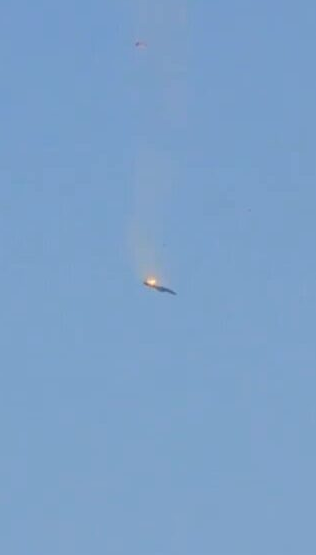
- ► Video circulating online appears to show an F-15 descending while trailing smoke.
- ► US officials have not confirmed the crash or identified the variant involved.
US Air Force F-15 Jet Reportedly Crashes In Kuwait
A US Air Force F-15 crash in Kuwait is being widely reported across regional media and social platforms, though American authorities have not yet confirmed the incident.
According to early accounts circulating online, a United States Air Force F-15 fighter jet went down in northern Kuwait near the Iraqi border, close to the Khor Abdullah waterway. The area is described as sparsely populated.
Initial reporting attributed to Iraqi and Kuwaiti sources claims the pilot ejected safely before impact. Some local accounts state residents assisted the pilot after landing. These reports remain unverified.
At the time of publication, neither the US Department of Defense nor the US Air Force has issued an official statement confirming the loss of an aircraft or detailing the circumstances.
Online Footage And Local Reports
Several short video clips circulating online appear to show what is described as an F-15E Strike Eagle descending rapidly while trailing smoke, with flames visible from one engine before the aircraft drops below the horizon.

The authenticity, timing, and exact location of the footage have not been independently verified. No official imagery or confirmation has been released.
Residents in parts of Kuwait reportedly described hearing explosions and air raid sirens around the same timeframe. Increased military activity was also reported in areas including Jahra and the Tenth District. These claims remain unconfirmed by official sources.
Given the current regional tensions, unverified footage and claims can spread rapidly. Defense analysts caution against drawing conclusions before formal confirmation from US or Kuwaiti authorities.
What Variant Could Be Involved?
One widely cited report referred to an F-15 Eagle operated by the United States Air Force. Some social media posts specifically mentioned the F-15E Strike Eagle variant.
The F-15E Strike Eagle is a dual role platform capable of both air superiority and deep strike missions. According to the US Air Force, it is designed for long range interdiction missions and carries advanced targeting and avionics systems.
The broader F-15 Eagle family, first introduced in the 1970s, remains a key component of US tactical airpower. With a high thrust to weight ratio and twin engine configuration, the aircraft is known for strong performance and survivability.
However, without official confirmation, it remains unclear whether the reported US Air Force F-15 crash in Kuwait involved a single seat F-15C, a two seat F-15D, or the strike optimized F-15E.
Operational Context In Kuwait
Kuwait hosts US military forces and serves as a strategic logistics and operational hub in the Gulf region. The country has supported coalition operations for decades and provides basing access for US aircraft.
In periods of heightened regional tension, US fighter aircraft operate from forward deployed locations across the Gulf to support deterrence, air defense, and strike missions.
If confirmed, a US Air Force F-15 crash in Kuwait would likely trigger a formal safety investigation under established US Air Force procedures. Such investigations typically assess mechanical performance, flight data, maintenance history, weather conditions, and human factors.
Until official findings are released, attributing a cause would be premature.
No Official Confirmation Yet
As of this writing, there has been no public confirmation from the US Department of Defense, US Central Command, or the US Air Force regarding the reported F-15 crash in Kuwait.
In previous aviation incidents, official confirmation has sometimes followed several hours after initial reports, particularly when information is still being verified on the ground.
The absence of confirmation does not validate or dismiss the reports. It simply reflects the current information gap.
Why Verification Matters
In high tension environments, claims of aircraft losses can carry strategic implications. False or misinterpreted reports may influence public perception and regional narratives.
For that reason, professional military reporting relies on official statements, corroborated imagery, and multiple independent sources before confirming an aircraft loss.
At present, the reported US Air Force F-15 crash in Kuwait remains unverified.
TheDefenseWatch will update this story if and when US or Kuwaiti authorities release official information.
 ■ KEY FACTS AT A GLANCE
- ► France, Germany and the UK urged Iran to resume negotiations amid rising regional tensions.
- ► Appeal follows active military exchanges involving Iran, the United States and Israel.
- ► Iranian ballistic missiles and drones triggered air defense responses across Gulf states.
- ► European powers warned that continued escalation risks wider regional instability.
- ► Diplomatic efforts aim to prevent broader conflict across the Middle East.
Iran Negotiations Amid Escalating Regional War
France Germany and the United Kingdom urged Iran on February 28 to return to diplomatic talks and seek a negotiated solution to the spiraling conflict with the United States and Israel. The appeal came as military actions between Tehran and Western allied forces intensified across the Middle East.
Western officials framed their call for negotiations as critical to preventing wider instability. The intervention of France Germany and the UK underscores concerns over the rapid escalation of hostilities that began with joint strikes by Israeli and US forces on Iranian territory.
Shortly after those strikes, Iran responded with a broad set of ballistic missile and drone attacks on military bases and allied infrastructure in the region. Iranian statements asserted the right to self-defense under international law.
Iranian missile launches caused air defense alerts and interceptions in multiple Gulf states, including the United Arab Emirates, Bahrain, Qatar and Kuwait. United Arab Emirates authorities reported one fatality in Abu Dhabi linked to debris from intercepted missiles.
Diplomatic Pressure From Europe
The public call from France Germany and the UK highlighted efforts by Western European powers to revive some form of dialogue. Diplomats emphasized that military escalation threatens regional security, global energy markets and broader international stability.
Officials from the three countries emphasised that a negotiated outcome would reduce the risk of miscalculation and wider confrontation. Their joint statement appeared against the backdrop of stalled talks earlier in the year aimed at limiting Iran’s nuclear program and curbing regional military tensions.
European foreign ministries positioned diplomacy as the only viable path forward, even as battlefield conditions deteriorated across the Middle East.
Military Escalation Dynamics
The recent military exchanges represent a significant escalation in tensions that have been building for years over Iran’s nuclear ambitions, ballistic missile programs, and support for regional militia groups opposing Israel and US allies.
U.S. and Israeli air assets conducted coordinated strikes on Iranian military and nuclear infrastructure early on February 28. Iranian armed forces followed with widespread missile and drone barrages aimed at U.S. bases and allied facilities in the Gulf region.
Ballistic missiles launched by Iran posed significant risks to U.S. bases in Bahrain Qatar Kuwait and other host nations, prompting defensive operations across multiple countries.
Regional and Strategic Implications
The clash has prompted diplomatic reactions beyond Europe. Russia condemned the U.S. and Israeli strikes as unprovoked acts of aggression and offered support to Tehran.
Gulf Cooperation Council members activated air defenses and condemned attacks that violated national sovereignty. The conflict has triggered disruptions in civil aviation and heightened alert statuses in capitals throughout the region.
Outlook
The push by France Germany and the UK for resumed negotiations reflects growing concern that continued military escalation could draw in external powers and destabilize key strategic corridors. Whether diplomatic channels can offset the ongoing kinetic clashes between Iran and U.S. Israel forces remains a central question for policymakers in Washington London and European capitals.
■ KEY FACTS AT A GLANCE- ► Operation Roar Of The Lion launched with large-scale IDF airstrikes in western Iran.
- ► Hundreds of military targets, including missile launchers, were reportedly struck.
- ► Israeli air defenses engaged threats launched from Iran toward Israeli territory.
- ► The operation signals a significant expansion in direct Israel Iran military confrontation.
- ► Regional escalation risks increase amid ongoing missile and air defense exchanges.
Operation Roar Of The Lion Targets Western Iran
Operation Roar Of The Lion began with large-scale Israeli Defense Forces strikes on hundreds of military targets in western Iran, according to official statements released by the IDF.
The operation, described as a coordinated air campaign, focused on what Israel characterized as launchers and other infrastructure linked to the Iranian regime. Israeli officials said the targets were concentrated in western Iran, though precise locations were not disclosed for operational security reasons.
At the same time, Israel’s air defense network was activated to intercept threats launched from Iran toward Israeli territory.
The information was released through official IDF channels. As of publication, Iranian state media had not provided detailed confirmation of the scale of damage.
Scope And Military Objectives
Operation Roar Of The Lion appears designed to degrade Iranian strike capabilities in western Iran, particularly missile launchers and related infrastructure.
Israeli officials have long identified western Iran as a key staging area for ballistic missile forces capable of reaching Israeli territory. By targeting launch systems and support nodes, the IDF may be seeking to reduce immediate retaliatory capacity while signaling deterrence.
The Israeli Air Force has developed long-range strike capabilities over the past decade, integrating precision-guided munitions, advanced electronic warfare suites, and aerial refueling assets. While the IDF has not detailed the platforms used in Operation Roar Of The Lion, its fleet includes F 35I Adir stealth fighters, F 15 variants, and F 16 aircraft configured for deep strike missions.
Simultaneous activation of Israel’s multi-layered air defense network underscores the expectation of counterstrikes. Israel fields systems such as Iron Dome, David’s Sling, and the Arrow series for intercepting short, medium, and long-range threats, according to publicly available data from Israel’s Ministry of Defense and U.S. defense reporting.
Air Defense Engagements
The IDF confirmed that air defense units were operating to intercept threats launched from Iran toward Israeli territory. No immediate casualty figures or impact assessments were released.
Israel’s layered missile defense architecture has been tested repeatedly in recent years against rockets, cruise missiles, and ballistic threats. Engagement doctrine typically prioritizes intercepting projectiles assessed to threaten populated areas or critical infrastructure.
If Iranian launchers were struck early in Operation Roar Of The Lion, the effectiveness of any follow-on launches may be limited. However, without independent verification, the scale of both outgoing and incoming strikes remains difficult to confirm.
Strategic Implications
Operation Roar Of The Lion marks one of the most overt direct strike campaigns publicly acknowledged between Israel and Iran.
For years, the confrontation has largely played out through proxy actors, cyber activity, and limited covert operations. A large-scale, declared air campaign against hundreds of targets in western Iran represents a more direct military phase.
From a strategic standpoint, the operation serves several functions:
First, it reinforces Israeli red lines regarding missile threats.
Second, it tests regional air defense readiness under live conditions.
Third, it signals to regional actors, including Hezbollah and other Iran-aligned groups, that Israel is prepared to conduct deep strikes.
At the same time, escalation risks are substantial. Direct exchanges between Israel and Iran could draw in regional partners or trigger multi-front scenarios involving Lebanon, Syria, or maritime domains in the Gulf.
Regional And International Context
The United States has consistently supported Israel’s right to self-defense while urging de-escalation in periods of heightened tension. U.S. defense officials have previously emphasized coordination on missile defense and intelligence sharing with Israel.
Regional actors will closely watch whether Operation Roar Of The Lion remains limited in scope or expands beyond western Iran. Energy markets and maritime security routes could also be affected if hostilities widen.
As of now, official information remains limited to IDF statements. Independent confirmation from international monitoring bodies or satellite imagery providers may clarify damage assessments in the coming days.
What Comes Next
The immediate trajectory of Operation Roar Of The Lion will depend on the scale of Iranian retaliation and Israel’s assessment of mission objectives achieved.
If Israel concludes that key missile launch capabilities in western Iran have been significantly degraded, the operation may remain limited. If retaliatory fire intensifies, further waves of strikes are possible.
For defense planners and regional security analysts, the current exchange highlights the evolving nature of direct state-on-state confrontation in the Middle East, increasingly shaped by precision strike, air defense integration, and rapid information release.
The coming 24 to 72 hours will likely determine whether Operation Roar Of The Lion remains a contained strike campaign or becomes the opening phase of a broader regional conflict.
■ KEY FACTS AT A GLANCE- ► Iran’s Islamic Revolutionary Guard Corps confirmed missile strikes targeting US military bases across Gulf states.
- ► Reported targets included Al Udeid in Qatar, Al Salem in Kuwait, Al Dhafra in UAE, and the US Navy Fifth Fleet headquarters in Bahrain.
- ► Gulf states activated air defense systems and reported intercepts during the missile barrage.
- ► The strikes followed earlier joint US Israeli military operations against Iranian targets.
- ► The exchange marks one of the most serious direct US Iran confrontations in recent years.
Iran’s Islamic Revolutionary Guard Corps (IRGC) confirmed missile strikes on multiple United States military bases in the Persian Gulf region on February 28, 2026, in direct retaliation for earlier joint US-Israeli military operations against Iranian targets. The strikes mark a significant escalation in Middle East tensions, drawing Gulf host nations into renewed conflict dynamics and prompting regional airspace closures.
Overview of the Attacks
Iranian state-aligned outlets reported that the IRGC launched coordinated missile attacks against at least five key US military installations in the Gulf region. These included:
- Al-Udeid Air Base (Qatar), home to a large United States Air Force hub for operations in the Middle East.
- Al-Salem Air Base (Kuwait), a logistic and support node for US Central Command forces.
- Al-Dhafra Air Base (United Arab Emirates), co-used by US and UAE air forces.
- US Navy Fifth Fleet Headquarters (Bahrain), the nerve center for US naval operations in the Gulf.
- A base in Jordan was also cited in some reports though not yet confirmed by official US statements.
Gulf state authorities reported that air defense systems were activated in Qatar, Kuwait, Bahrain and the UAE in response to the barrage. Qatar’s interior ministry confirmed intercepting incoming missiles at Al-Udeid with minimal impact, while Bahrain acknowledged that at least one strike affected the Fifth Fleet area. Emirati forces intercepted multiple missiles near Abu Dhabi; debris from intercepts reportedly caused one civilian fatality.
Regional and Strategic Context
The Iranian strikes followed what Tehran described as coordinated military operations by the United States and Israel targeting Iranian cities and military infrastructure earlier on the same day. Officials in Tehran framed the retaliation as a response to what they termed “aggression against Iranian sovereignty.”
Gulf governments including Qatar, Kuwait and the UAE closed their airspace as a precaution amid the rapidly unfolding situation, disrupting commercial air traffic across several major routes. Airlines also suspended flights in and out of the affected region.
No comprehensive casualty figures from the attacks on US bases have been released by either Washington or host countries at the time of reporting. US officials have acknowledged the developments but have not yet provided a detailed assessment of damage or personnel impact.
Implications and Analysis
This exchange represents one of the most serious direct confrontations between Iran and US military assets in the Gulf since the broader Middle East tensions flared in early 2026. The choice of bases targeted reflects Tehran’s emphasis on striking prominent US logistical and operational hubs, potentially complicating Pentagon planning and regional force posture.
For Gulf host states, whose security frameworks are tightly linked to US defense commitments, the incidents underscore the risks of their territories becoming focal points in external power conflicts. The civilian casualty in Abu Dhabi also highlights the growing danger to noncombatants as regional militaries engage sophisticated strike and defense systems.
The longer-term impact on Middle East stability will depend on subsequent diplomatic moves, US military responses, and actions by other regional actors including Saudi Arabia and Qatar. Continued escalation could draw in NATO partners and alter defense alignments in the broader West Asia theatre.