U.S. Air Power Plan Signals New Focus On Deep Strike
The U.S. air power plan worth roughly $102 billion highlights Washington’s push to strengthen deep strike capacity and maintain air superiority against rising challenges from China and Russia. The spending profile, aligns with broader Pentagon modernization priorities focused on stealth aircraft, long range weapons, survivable networks, and next generation combat aviation.
- U.S. funding package centers on long range strike and future air superiority programs.
- Major priorities include stealth bombers, advanced fighters, weapons, and support networks.
- Strategy reflects rising concern over Chinese force growth and Russian combat aviation threats.
- Investment scale signals multi year modernization rather than a one year surge.
- The central goal is to preserve U.S. ability to strike first, survive, and sustain operations.
The Big Picture
Airpower remains central to U.S. military strategy. It enables rapid response, precision strike, intelligence collection, airlift, and deterrence across Europe, the Indo Pacific, and the Middle East.
That advantage is no longer uncontested. China has expanded fighter production, long range missile forces, airborne sensors, and integrated air defenses. Russia, despite combat losses in Ukraine, still fields a capable tactical aviation force and layered air defense architecture. For U.S. planners, the era of automatic air dominance is over.
The result is a shift from counterinsurgency era fleets toward systems built for heavily defended battlespace.
What’s Happening
The reported U.S. air power plan allocates major resources toward several categories:
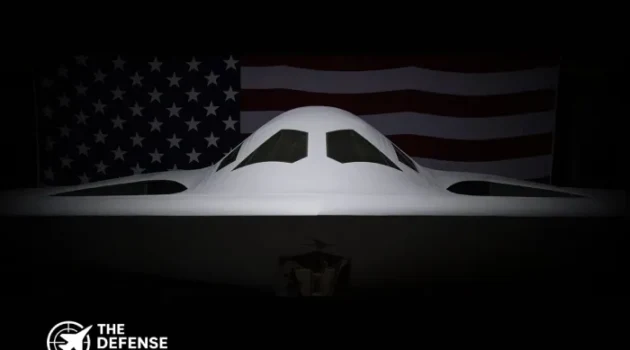
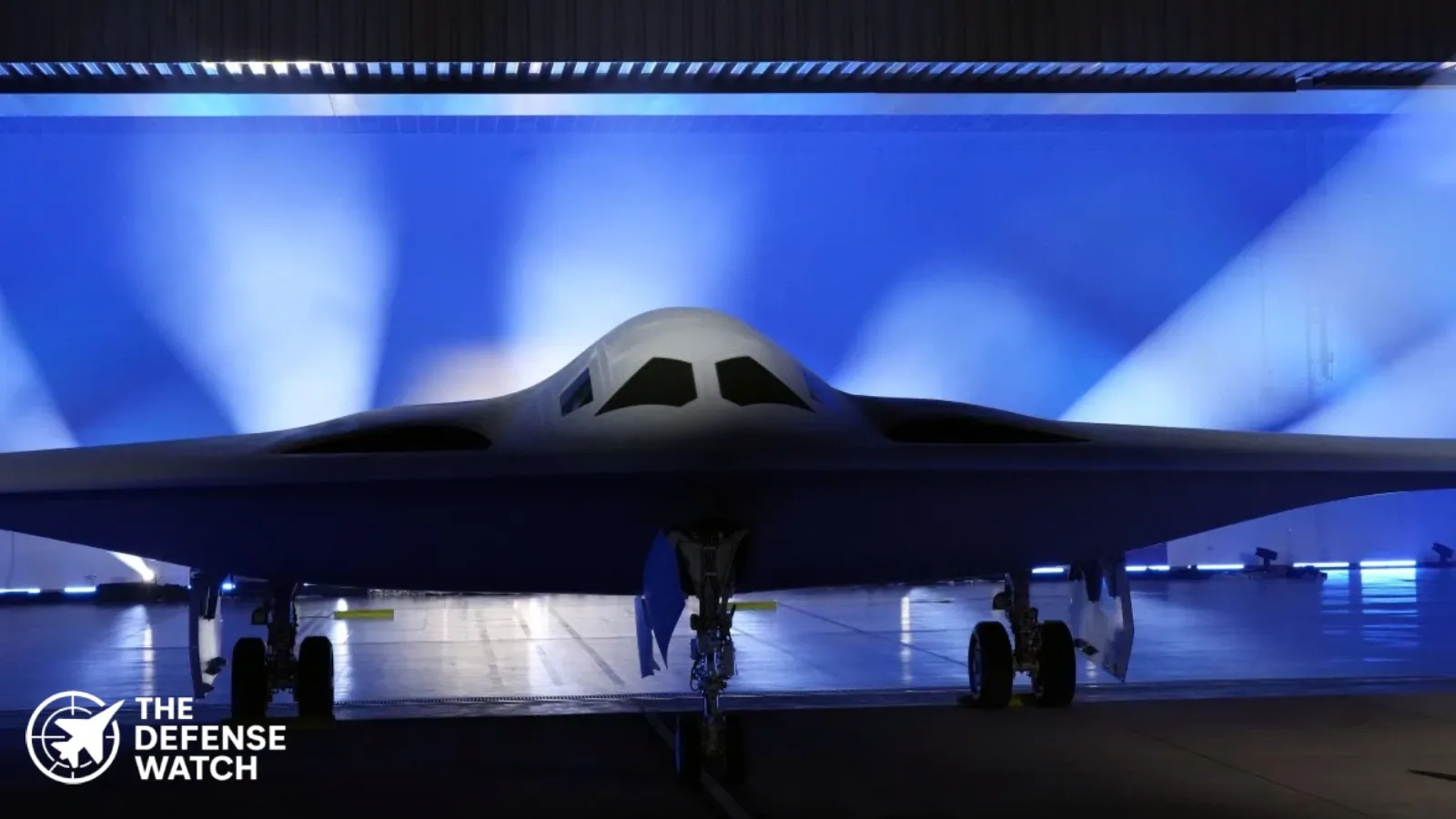
- Stealth bomber procurement, led by the B-21 Raider
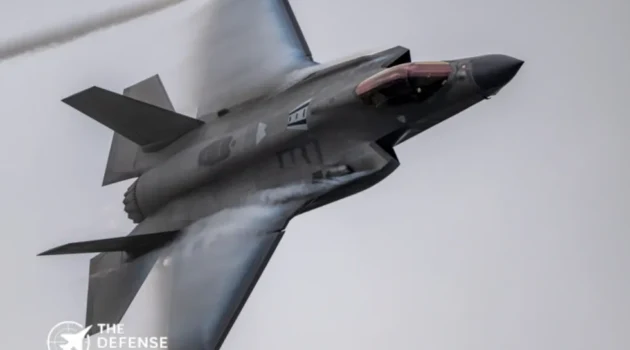
- Tactical fighter modernization, including F-35A Lightning II fleets
- Future air dominance programs, including sixth generation concepts
- Precision munitions and stand off strike weapons
- Tankers, command and control, and support infrastructure
- Research into collaborative autonomous aircraft and networked warfare systems
This reflects a force design built for penetrating defended airspace and sustaining long range campaigns rather than short duration permissive operations.
Why It Matters
Modern air warfare depends on more than fighters. Aircraft need tankers, electronic warfare support, resilient communications, munitions stockpiles, and distributed bases.
That is why the U.S. air power plan matters. It suggests Washington understands that advanced adversaries will target airfields, satellites, fuel logistics, and command networks early in any conflict.
Buying aircraft without fixing those enablers would leave gaps. Funding both strike platforms and supporting architecture is strategically more credible.
Strategic Implications
For the Indo Pacific, range is the defining challenge. Distances are vast, bases are exposed, and resupply could be contested. Long range bombers and survivable tankers become essential.
For Europe, readiness and mass matter more. NATO would need rapid sortie generation, missile defense integration, and sustained combat power if facing Russian escalation.
In both theaters, airpower is tied directly to deterrence. If adversaries believe U.S. forces can penetrate defenses and keep fighting after initial attacks, the threshold for aggression rises.
Competitor View
China is likely to read this investment as confirmation that the U.S. intends to preserve power projection inside the first and second island chains. That may reinforce Beijing’s own spending on missiles, sensors, fighters, and counter space tools.
Russia will likely view the plan through a NATO lens, especially if paired with more rotational deployments and precision strike capacity in Europe.
Neither competitor is standing still, which means procurement speed may matter as much as total dollars.
Capability Gap The Plan Aims To Close
The most serious U.S. weakness is not pilot skill or technology quality. It is the combination of aging fleets, limited production rates, fragile logistics chains, and insufficient munition depth for a prolonged high end war.
The U.S. air power plan appears designed to close four gaps:
- Range against distant targets
- Survivability in contested airspace
- Mass after early attrition
- Sustainment over long campaigns
A realistic limitation remains industrial capacity. Even large budgets cannot instantly produce engines, airframes, chips, or trained maintainers.
What To Watch Next
Watch these indicators over the next 12 to 24 months:
- Annual procurement numbers for bombers and fighters
- Progress on next generation air dominance programs
- Missile stockpile expansion
- New tanker and dispersal basing concepts
- Defense industry production timelines
- Congressional support during budget negotiations
If funding turns into timely deliveries, the plan gains real weight. If programs slip, strategic value falls quickly.
The Bottom Line
The $102 billion push shows the United States is investing not just in aircraft, but in restoring credible air dominance for a more contested era.