

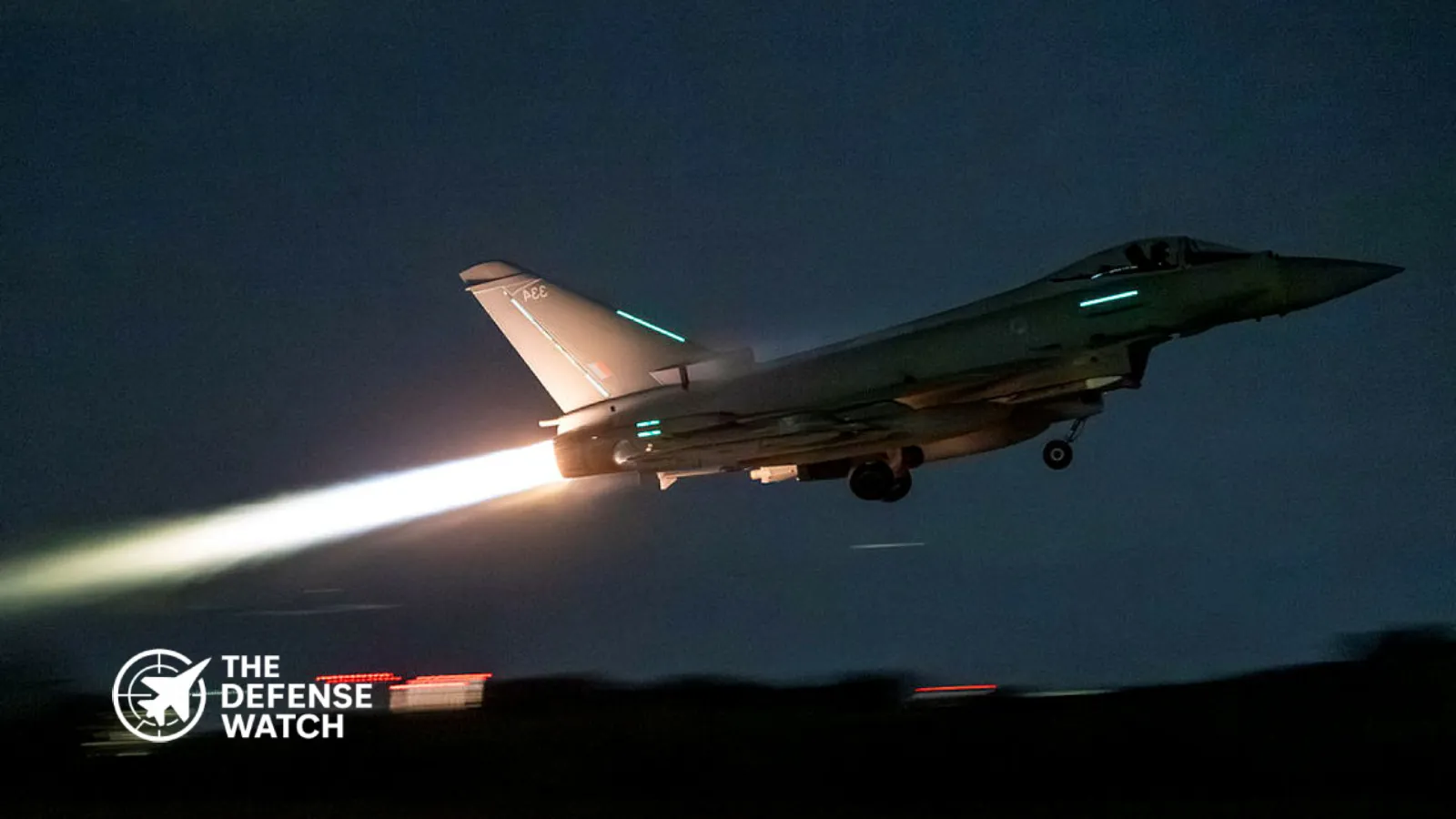
- UK deploys its largest number of combat aircraft to the Middle East in 15 years.
- Deployment includes advanced RAF fighter jets and support aircraft for sustained operations.
- Move aims to strengthen deterrence and support allied operations in a volatile region.
- Deployment reflects ongoing UK military commitments and rapid response capability.
- Marks a significant expansion of British air power projection beyond Europe.
UK Deploys Most Jets To Middle East In 15 Years
The UK deploys most jets to Middle East in 15 years, significantly expanding Royal Air Force operations in the region as part of a broader effort to reinforce allied presence and maintain regional stability.
The Big Picture
Britain’s latest air deployment reflects a wider shift in NATO and allied force posture toward persistent presence in strategically critical regions. The Middle East remains central to global energy flows, maritime security, and counterterrorism operations.
The United Kingdom has steadily reoriented its military strategy toward expeditionary operations since the release of its Integrated Review. Forward basing, rapid deployment, and coalition interoperability now define British defense planning.
This surge in aircraft deployment also aligns with broader Western efforts to maintain operational flexibility across multiple theaters, including Eastern Europe and the Indo-Pacific, without overcommitting ground forces.
What’s Happening
The Royal Air Force has deployed its largest contingent of jets to the Middle East in over 15 years, according to official reporting. The deployment includes frontline combat aircraft supported by tanker and surveillance platforms, enabling sustained air operations across extended distances.
The aircraft are operating from established UK and allied bases in the region. These locations provide strategic reach across key operational zones, including the Persian Gulf and surrounding airspace.
The deployment comes amid heightened regional tensions and ongoing military operations involving coalition forces. British aircraft are expected to support a mix of missions, including air policing, deterrence patrols, and potential strike operations if required.
Why It Matters
The decision to deploy the largest RAF air package in 15 years signals a clear intent to reinforce deterrence without escalating to large-scale ground deployments.
Air power offers flexibility. Fighter jets can conduct surveillance, intercept hostile aircraft, and deliver precision strikes with minimal footprint. This makes them a preferred tool in politically sensitive environments where escalation risks must remain controlled.
The presence of advanced aircraft also enhances interoperability with US and allied forces already operating in the region. Joint operations rely heavily on shared air assets, data links, and coordinated command structures.
Strategic Implications
The expanded RAF presence strengthens coalition air dominance in the Middle East. It ensures rapid response capability against emerging threats, including missile attacks, drone incursions, and maritime security challenges.
The deployment also reinforces the UK’s role as a key security partner in the region. By committing high-end air assets, London signals reliability to allies while maintaining influence in regional security discussions.
From a deterrence standpoint, the visible presence of combat aircraft complicates adversary planning. It reduces the likelihood of opportunistic actions by signaling readiness and capability.
Competitor View
Regional actors such as Iran are likely to interpret the increased air presence as part of a broader Western effort to contain and monitor its military activities. Increased air patrols and surveillance flights can directly impact operational freedom in contested airspace.
Russia, which maintains a military footprint in parts of the Middle East, may view the deployment through the lens of NATO expansion of influence. However, the RAF’s presence remains aligned with coalition operations rather than unilateral action.
China, while not a direct military actor in the region, continues to monitor Western force deployments closely as part of its global strategic assessment.
What To Watch Next
Operational tempo will provide the clearest indicator of the deployment’s intent. Increased sortie rates, joint exercises, or expanded mission sets could signal a longer-term commitment.
Future rotations of aircraft and personnel will also reveal whether this surge represents a temporary response or a sustained posture shift.
Defense planners will watch for integration with US-led command structures, particularly in areas such as air defense coordination and intelligence sharing.
Capability Gap
The deployment addresses a key gap in rapid-response air power availability in the Middle East. While the UK maintains a global presence, sustained high-tempo operations require forward-deployed assets.
However, limitations remain. Air power alone cannot secure territory or address underlying political instability. It must operate as part of a broader strategy that includes diplomacy and regional partnerships.
Logistical constraints also shape the deployment. Sustaining large numbers of aircraft overseas requires significant tanker support, maintenance capacity, and secure basing arrangements.
The Bottom Line
The UK’s largest jet deployment to the Middle East in 15 years underscores a renewed focus on air power as a flexible and credible tool for deterrence and regional stability.
