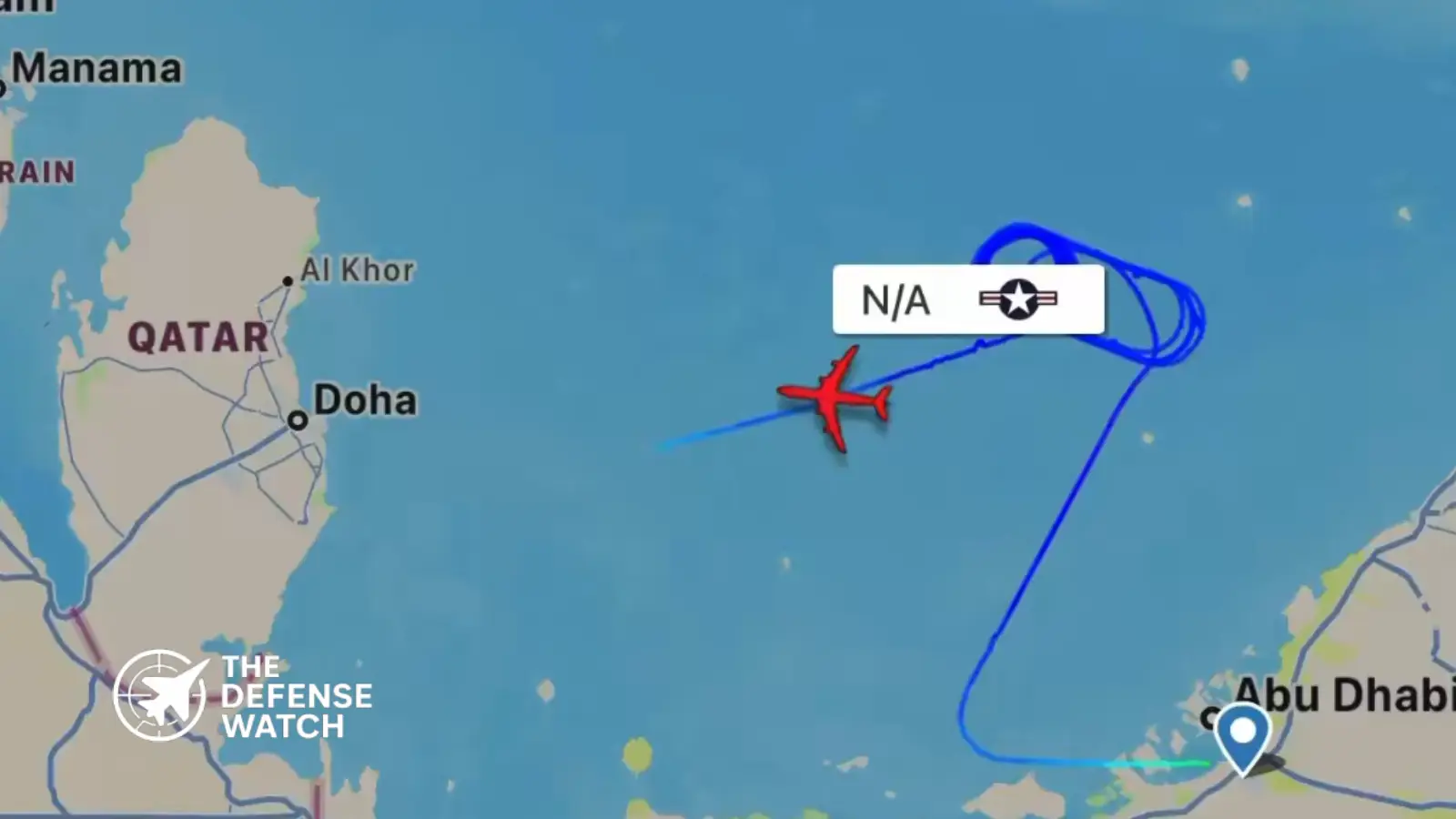
Executive Summary: A U.S. Air Force KC-135R Stratotanker issued a Transponder Code 7700 (General Emergency) while transiting the Strait of Hormuz before disappearing from flight tracking radar. The incident occurred amidst intense regional GPS spoofing and jamming, with the aircraft last seen descending toward Qatari airspace.
U.S. KC-135R Stratotanker Declares Emergency Amid Regional Electronic Interference
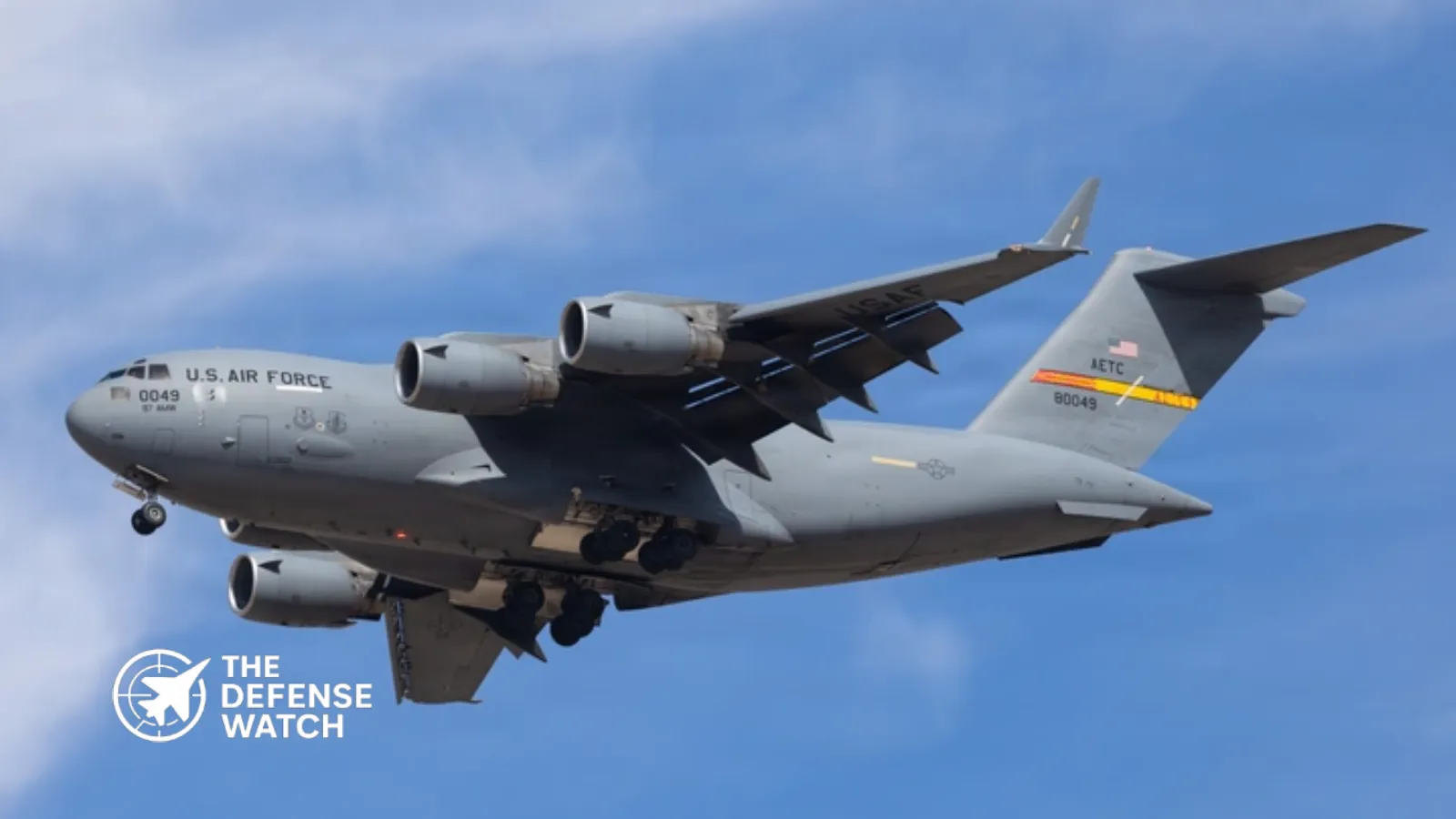
A U.S. Air Force KC-135R Stratotanker reportedly encountered a critical inflight emergency earlier today while operating over the Strait of Hormuz, a vital maritime chokepoint currently experiencing a surge in electronic warfare activity. Flight tracking data indicated the aircraft began a rapid descent while “squawking” a 7700 emergency code—the international signal for an immediate distress situation—before its signal was lost to open-source intelligence (OSINT) monitors.
The aircraft, a cornerstone of U.S. power projection in the Middle East, appeared to be banking toward Al Udeid Air Base in Qatar. However, the loss of ADS-B (Automatic Dependent Surveillance-Broadcast) telemetry has left the current status of the airframe—whether it performed a successful emergency landing or suffered a hull loss—unconfirmed by official Department of Defense (DoD) channels.
The Impact of Regional GPS Spoofing
The disappearance of the KC-135R Stratotanker coincides with high-level reports of sophisticated AIS (Automatic Identification System) and GPS jamming across the Persian Gulf. For the past several hours, regional monitors have noted significant “spoofing” incidents, where false location data is injected into navigation systems, causing aircraft and maritime vessels to appear miles away from their actual positions.
In the Strait of Hormuz, these electronic disruptions are often attributed to regional state actors seeking to complicate U.S. and allied transit. While it remains unclear if electronic interference directly caused the Stratotanker’s emergency, such an environment significantly increases the “fog of war” for flight crews managing mechanical or hydraulic failures.
Technical Analysis: The Vulnerability of Legacy Platforms
The KC-135R Stratotanker, while extensively modernized, remains a legacy platform based on the 1950s-era Boeing 707 design. As the backbone of U.S. Air Force refueling operations, these aircraft are essential for maintaining combat air patrols over the Central Command (CENTCOM) area of responsibility.
Emergency Protocols and Signal Loss
When a pilot sets the transponder to 7700, it notifies all air traffic control (ATC) units in the vicinity that the aircraft requires priority handling. The subsequent signal loss observed in this incident could stem from several factors:
- Terrain Masking: As the aircraft descended toward Qatar, it may have dropped below the line-of-sight required for ground-based ADS-B receivers.
- Intentional Shutdown: In an emergency involving electrical fires or specific electronic warfare protocols, crews may disable non-essential transponders.
- System Failure: A total loss of electrical power would result in an immediate cessation of all broadcast signals.
Analysis of the Electronic Warfare Environment
The Strait of Hormuz has become a premier laboratory for Electronic Warfare (EW). The “spoofing” seen today is a step beyond simple jamming; it is a deceptive measure designed to trick navigation suites into calculating incorrect flight paths. For a heavy tanker carrying thousands of pounds of volatile aviation fuel, a loss of primary navigation in one of the world’s most congested airspaces is a worst-case scenario.
Strategic Implications for CENTCOM
This incident highlights the precarious nature of U.S. operations in the Middle East Defense & Security sector. If the KC-135R Stratotanker was indeed forced down due to external interference, it marks a significant escalation in the use of non-kinetic effects against U.S. manned assets.
Maintaining the Air Bridge
The loss or grounding of even a single Stratotanker can ripple through the theater. These aircraft enable the long-endurance missions of F-15E Strike Eagles and F-16 Fighting Falcons that currently patrol regional flashpoints. Without reliable “gas stations in the sky,” the U.S. footprint becomes restricted to short-range sorties based on immediate proximity to runways.
Verification of Safety
As of the time of publication, there have been no reports of wreckage or distress flares from the surface of the Strait. Military aviation experts suggest that the heading toward Qatar indicates a controlled attempt to reach the massive runway infrastructure at Al Udeid.
Conclusion: Awaiting Official Confirmation
The U.S. Air Force has not yet issued a formal “Condition of Aircraft” report. In previous instances of signal loss in this region, aircraft have often “gone dark” for operational security reasons while managing mechanical issues. However, the combination of a 7700 squawk and verified GPS jamming makes this a high-priority event for defense analysts.
TheDefenseWatch.com will continue to monitor the situation as more data becomes available from CENTCOM and regional ATC.
Trump Iran Ceasefire Extended As Talks Continue
The Trump Iran ceasefire entered a new phase after President Donald Trump announced the United States would extend the current truce indefinitely to allow more time for negotiations. The statement came as Pakistani officials continued mediation efforts in Islamabad.
Trump said Washington agreed to delay renewed attacks until Iranian representatives produce a unified proposal and talks are concluded. However, it remained unclear whether Iran or Israel formally agreed to the extension.
- President Donald Trump said the United States will extend its ceasefire with Iran indefinitely.
- The extension was announced after a request from Pakistani mediators hosting talks in Islamabad.
- Iran had not formally accepted the move at the time of publication.
- The U.S. Navy blockade on Iranian maritime trade remains in place.
- Oil markets and global investors are watching the Strait of Hormuz closely.
That uncertainty matters. A ceasefire announced by one side, without reciprocal confirmation, can reduce immediate pressure but does not guarantee durable de-escalation.
U.S. Pressure Continues Despite Pause
While extending the ceasefire, Trump also said the U.S. Navy would continue enforcing a blockade on Iranian trade by sea. Iranian officials have previously described such measures as acts of war.
This creates a mixed signal. Military strikes may be paused, but economic and maritime pressure remains active. In practice, that means tensions can stay elevated even without direct combat.
For defense planners, maritime pressure campaigns often aim to restrict logistics, constrain revenue, and shape negotiations without launching new kinetic operations. Yet they also carry escalation risk, especially in narrow waterways.
Why The Strait Of Hormuz Still Matters
The Strait of Hormuz remains central to the crisis. The waterway is one of the world’s most important energy chokepoints, and recent disruption has pushed oil prices higher while adding pressure to shipping markets.
Even with the ceasefire extension, any renewed confrontation at sea could quickly affect tanker traffic, insurance rates, and global fuel prices.
That is why markets reacted positively to the truce news, with stock futures rising and oil easing modestly after the announcement.
Pakistan’s Growing Diplomatic Role
Pakistan has emerged as a key intermediary by hosting talks and urging both sides to preserve negotiating space. For Islamabad, successful mediation could strengthen its diplomatic standing with Washington, Gulf states, and regional powers.
Pakistan’s involvement also reflects a broader trend: middle powers increasingly acting as crisis brokers when direct U.S.-Iran channels remain politically difficult.
What Comes Next
The next test is whether Iranian negotiators return with a formal proposal and whether both sides can move beyond temporary pauses toward a structured agreement.
Likely discussion points include:
- Nuclear enrichment limits
- Maritime security in the Gulf
- Sanctions relief mechanisms
- Verification measures
- Rules preventing future strikes
Without progress on those issues, the ceasefire may remain fragile.
DefenseWatch Assessment
The Trump Iran ceasefire extension lowers the near-term risk of immediate strikes, but it does not remove the drivers of conflict. With naval pressure still active and Tehran withholding clear endorsement, this remains a pause in hostilities rather than a final settlement.
Israel Lebanon Ceasefire Talks Could Mark A Regional Turning Point
Israel Lebanon ceasefire talks gained momentum as Israeli leaders discussed a potential halt to fighting in Lebanon, while U.S. officials expressed optimism that broader Middle East diplomacy may be nearing a breakthrough. Reuters reported that Israel’s cabinet met to consider ceasefire options after more than six weeks of conflict with Iran-backed Hezbollah.
The negotiations matter well beyond the Israel-Lebanon border. The Lebanon front has become one of the most dangerous spillover arenas of the wider regional crisis, increasing pressure on Washington and its partners to contain escalation.
- Israel’s cabinet met to discuss a possible ceasefire in Lebanon after more than six weeks of fighting with Hezbollah.
- U.S. officials said a temporary 10-day ceasefire framework was under discussion to enable broader negotiations.
- Lebanon’s government would be expected to prevent attacks from armed groups under reported terms.
- The Lebanon front has complicated parallel diplomacy tied to Iran and regional security.
- Markets are closely watching the Strait of Hormuz and wider energy supply risks.
Why The Lebanon Front Matters Strategically
A ceasefire in Lebanon would reduce immediate missile and drone threats along Israel’s northern border and could lower the risk of a larger regional war. Hezbollah remains one of the most heavily armed non-state forces in the region, with significant rocket, missile, and unmanned system capabilities.
From a defense perspective, a pause in fighting would also allow both sides to reassess force posture, replenish interceptors, and reposition surveillance assets. Israel has relied heavily on layered air defense systems during repeated cross-border attacks, while Hezbollah has attempted to stretch those defenses through volume and timing.
That makes any ceasefire more than a political gesture. It would create an operational reset.
U.S. Diplomacy And The Reported 10-Day Truce
According to Reuters, U.S. officials said a 10-day Israel-Lebanon ceasefire could begin with the option of extension by mutual agreement. The framework is reportedly intended to create space for talks on a lasting peace and border security arrangement.
President Donald Trump also said Israeli Prime Minister Benjamin Netanyahu and Lebanese President Joseph Aoun had agreed to begin a temporary ceasefire, according to Reuters reporting.
If implemented, even a short truce would be notable because direct Israeli-Lebanese engagement has historically been rare and politically difficult.
Obstacles Remain
Despite the diplomatic momentum, Hezbollah signaled that any arrangement must not permit Israeli freedom of movement inside Lebanon. Reuters reported the group said Israeli forces operating in Lebanese territory would justify continued resistance.
That highlights the central problem. A ceasefire can pause strikes, but unresolved issues such as troop positions, border monitoring, Hezbollah’s military role, and enforcement mechanisms can quickly reopen conflict.
What To Watch Next
Analysts will focus on five near-term indicators:
- Whether both governments publicly confirm terms
- Whether Hezbollah accepts or tolerates the arrangement
- Border strike activity in the first 48 hours
- U.S. follow-on diplomacy after the pause begins
- Oil market reaction tied to Hormuz shipping risks
If these indicators hold positive, the ceasefire could become the first building block of wider de-escalation.
Defense And Geopolitical Assessment
For military planners, a Lebanon ceasefire would free Israeli resources currently tied to the northern front. For Washington, it could reduce pressure on regional deployments and maritime security operations. For Lebanon, it may create urgently needed humanitarian and economic breathing room.
Still, temporary truces often fail when political aims remain unresolved. The next phase depends less on headlines and more on enforcement.
US F-15 Pilot Rescue After Iran Shootdown Incident
US F-15 pilot rescue operations successfully recovered an American airman after his fighter jet was shot down over Iran, according to US officials. The incident marks a significant escalation in operational risk in the Middle East theater and underscores the importance of rapid combat search and rescue capabilities.
- US forces successfully rescued a downed F-15 pilot after an aircraft loss over Iran.
- The aircraft was reportedly shot down during a high-risk operational mission.
- The incident underscores rising tensions between the United States and Iran.
- Combat search and rescue assets were rapidly deployed to recover the pilot.
- The event highlights both operational risks and US recovery capabilities in contested airspace.
The Big Picture
US air operations in the Middle East continue to operate in increasingly contested environments, particularly in proximity to Iranian air defense networks. The US military has maintained a persistent presence in the region to support deterrence, protect maritime routes, and counter regional threats.
Iran has invested heavily in layered air defense systems, including domestically developed and imported platforms, aimed at denying access to adversary aircraft. This evolving threat environment has forced US forces to adapt tactics, improve survivability, and maintain rapid recovery capabilities.
The F-15 platform, while highly capable, operates within this contested airspace where advanced surface-to-air missile systems pose a credible threat.
What’s Happening
US officials confirmed that an F-15 aircraft was shot down during a mission over or near Iranian territory. The pilot ejected safely and was subsequently recovered by US forces.
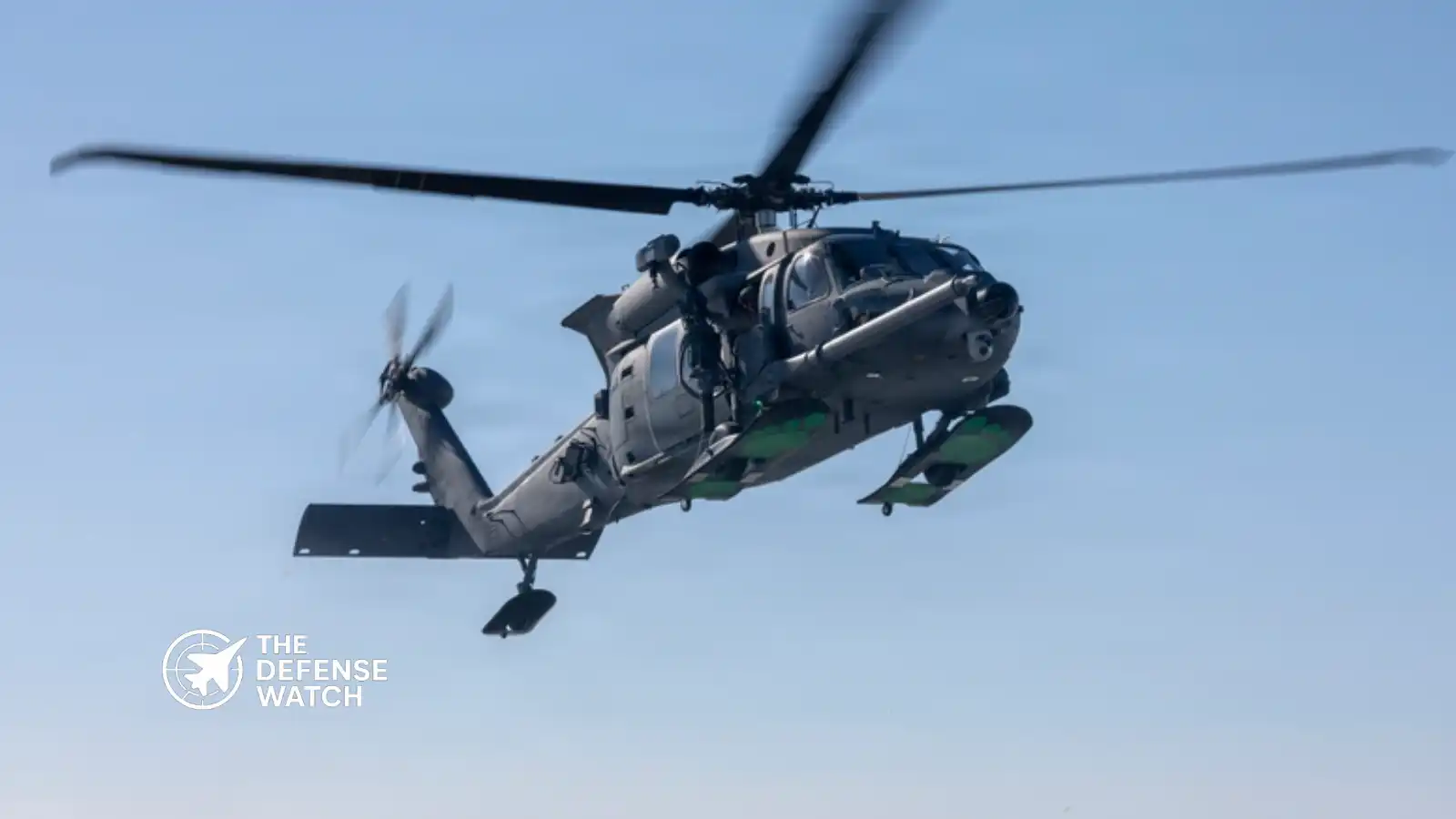
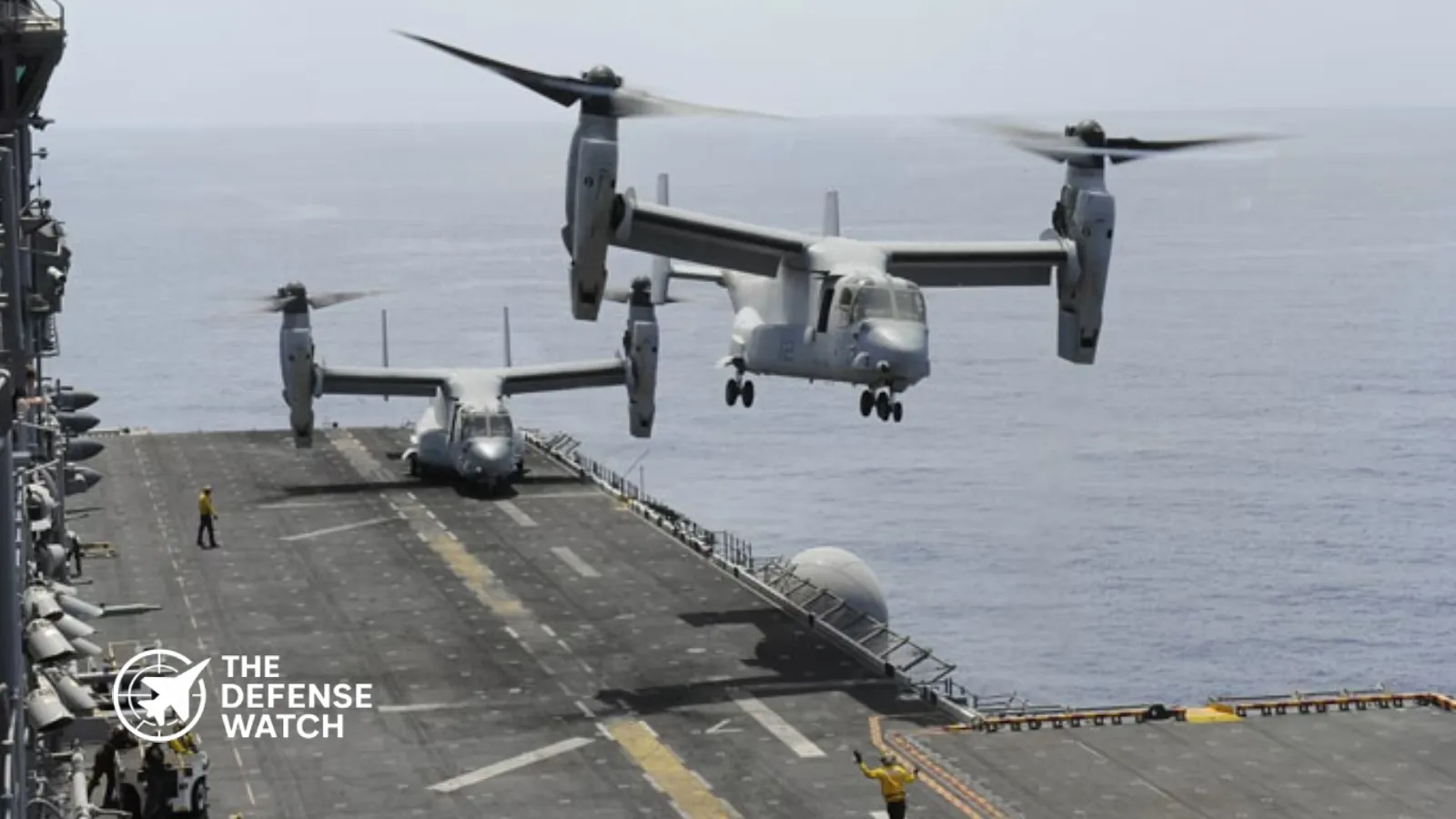
The recovery operation involved combat search and rescue assets, likely including helicopters, special operations forces, and airborne support elements. These missions are designed to retrieve isolated personnel under hostile conditions.
The timeline suggests a rapid response, indicating pre-positioned assets and established contingency planning for such scenarios.
Officials have not publicly detailed the exact circumstances of the shootdown, including the type of Iranian air defense system involved or the mission profile of the aircraft.
Why It Matters
The successful US F-15 pilot rescue demonstrates the operational readiness and effectiveness of US combat search and rescue doctrine. Recovering personnel quickly reduces the risk of capture, exploitation, or escalation.
The incident also highlights the vulnerability of even advanced fourth-generation aircraft when operating in heavily defended airspace. This reinforces the growing importance of stealth platforms, electronic warfare, and stand-off capabilities.
From a force protection perspective, the ability to recover downed aircrew remains a critical component of maintaining pilot confidence and sustaining operational tempo.
Strategic Implications
The shootdown and subsequent rescue could influence US operational planning in the region. Commanders may adjust flight profiles, increase reliance on stand-off weapons, or expand escort and suppression of enemy air defenses missions.
The event may also reinforce the case for deploying fifth-generation aircraft such as the F-35, which offer improved survivability against integrated air defense systems.
At a strategic level, the incident adds pressure to an already tense US-Iran relationship. Even without escalation, such encounters increase the risk of miscalculation.
Competitor View
Iran is likely to view the shootdown as validation of its air defense investments and a demonstration of its ability to challenge US air operations.
From Tehran’s perspective, denying access to its airspace is a core element of its deterrence strategy. Successfully engaging a US aircraft reinforces that narrative domestically and regionally.
Other competitors, including Russia and China, will likely study the incident for insights into US tactics, vulnerabilities, and recovery operations. Both countries prioritize anti-access and area denial strategies similar to Iran’s approach.
What To Watch Next
US officials may release additional details regarding the engagement, including the system used to down the aircraft and the mission context.
Military planners will likely assess whether changes to rules of engagement or operational procedures are required.
Future deployments may include increased electronic warfare support, additional escort aircraft, or expanded use of unmanned systems in high-risk zones.
Congressional oversight could also focus on force protection measures and readiness in contested environments.
Capability Gap
The incident exposes a persistent challenge for non-stealth aircraft operating against modern air defense systems. While the F-15 remains highly capable, it lacks the low observable features that reduce detection and engagement risk.
Combat search and rescue mitigates the consequences of aircraft losses, but it does not eliminate the underlying vulnerability.
The gap lies in survivability within dense air defense networks, an area the US is addressing through stealth aircraft, stand-off weapons, and electronic warfare integration.
The Bottom Line
The US F-15 pilot rescue underscores both the risks of operating in contested airspace and the critical importance of rapid recovery capabilities in maintaining combat effectiveness.
¦ KEY FACTS AT A GLANCE- Italy has denied stopovers for some US military aircraft transiting through Sicily toward the Middle East.
- The decision affects operations at Naval Air Station Sigonella, a key NATO logistics hub.
- The move reflects political sensitivity over escalating Middle East military activity.
- US airlift and refueling routes may require adjustments or alternative basing options.
- The development signals friction within allied coordination despite ongoing NATO commitments.
Italy US Military Aircraft Stopover Restrictions Highlight Operational Friction
Italy US military aircraft stopover restrictions are reshaping air mobility planning as Rome declines to support certain US flights transiting through Sicily en route to the Middle East. The decision affects operations at Naval Air Station Sigonella, a critical hub for US and NATO logistics in the Mediterranean.
The Big Picture
US military air mobility depends on a network of allied bases across Europe to sustain operations in the Middle East. Italy plays a central role in that network, particularly through Sigonella, which supports surveillance aircraft, tankers, and strategic airlift platforms.
Rising tensions and sustained US air operations in the Middle East have increased the tempo of flights passing through Southern Europe. This places political and operational pressure on host nations that must balance alliance commitments with domestic and regional concerns.
Italy’s decision reflects a broader trend where European allies exercise tighter control over how their territory supports expeditionary military operations.
What’s Happening
Italian authorities recently denied permission for certain US military aircraft to stop over in Sicily while en route to the Middle East. The restriction specifically impacts flights that would typically use Sigonella for refueling, crew rest, or logistical staging.
The move does not represent a full closure of the base to US forces. Instead, it introduces case by case limitations tied to mission type and political considerations.
US officials continue to operate from Sigonella, but the denial of select stopovers forces planners to reroute or adjust flight profiles.
Defense News first reported the development, citing officials familiar with the situation.
Why It Matters
Air mobility underpins US global military reach. Even limited restrictions at key nodes can disrupt efficiency, increase flight times, and strain tanker support.
Sigonella serves as a forward logistics platform for intelligence, surveillance, reconnaissance missions, as well as transport aircraft supporting operations across the Middle East and North Africa.
Restricting stopovers creates friction in an already complex air bridge. Aircraft may need to divert to alternative bases in Spain, Greece, or other NATO locations, adding operational cost and reducing responsiveness.
The decision also highlights how political considerations can directly affect military logistics, even among close allies.
Strategic Implications
Italy’s move introduces uncertainty into NATO’s southern logistics corridor. While the alliance remains cohesive, operational flexibility depends on predictable access to infrastructure.
Reduced access to Sigonella could slow surge operations or complicate sustained air campaigns. It also places greater reliance on fewer alternative bases, which may face capacity constraints.
From a deterrence perspective, any perceived friction in allied coordination could be noted by adversaries. However, the limited scope of the restriction suggests Italy aims to signal political caution without undermining NATO commitments.
The development underscores the importance of distributed basing strategies. The US has increasingly emphasized flexible basing and dispersed logistics to mitigate such risks.
Competitor View
Russia and Iran are likely to interpret the restrictions as evidence of political sensitivity within NATO regarding Middle East operations.
Moscow has long highlighted divisions within Western alliances. Even limited constraints on US operations can reinforce that narrative.
Tehran may view the decision as a sign that sustained US air campaigns carry political costs for regional partners. This could factor into its assessment of US operational endurance.
China, while less directly involved in the region, continues to study alliance cohesion as part of its broader strategic analysis.
What To Watch Next
US planners will likely adjust routing for aircraft supporting Middle East operations. Increased use of alternative bases in Southern Europe is expected.
Diplomatic engagement between Washington and Rome may clarify the scope of restrictions. Future decisions will indicate whether this is a temporary measure or part of a longer term policy shift.
Monitoring flight patterns and tanker deployments will provide insight into how the US adapts its air mobility network.
Any expansion of restrictions to other NATO bases would signal a broader shift in alliance dynamics.
Capability Gap
The Italy US military aircraft stopover issue highlights a vulnerability in reliance on fixed allied infrastructure.
US forces depend heavily on predictable access to overseas bases. When access becomes conditional, operational tempo and flexibility can suffer.
The situation reinforces the need for greater investment in long range airlift, aerial refueling capacity, and expeditionary basing concepts.
However, alternatives are not without limits. Longer routes increase fuel consumption and reduce payload efficiency. Dispersed basing requires additional logistical coordination and infrastructure investment.
The Bottom Line
Italy’s restriction on US military aircraft stopovers introduces operational friction in a critical logistics corridor, underscoring the strategic importance of allied access in sustaining global air operations.
¦ KEY FACTS AT A GLANCE- Iran’s Islamic Revolutionary Guard Corps shared footage claiming to have shot down a US F-18 fighter jet near Chabahar, Iran.
- US Central Command responded on social media saying the Iranian claim is false, asserting no US fighter aircraft was shot down.
- The video shared by Iranian outlets shows an aircraft and explosion but has not been verified by independent or US military sources.
- The claim comes amid heavy conflict in the Middle East involving Iranian forces, US and coalition air operations.
- CENTCOM’s fact check follows similar Iranian claims about downing US aircraft that were denied days earlier.
Iran F-18 Claim Debunked, CENTCOM Says No US Fighter Downed
Iran’s claim that it shot down a US F-18 fighter jet near Chabahar in southeastern Iran was denied by US Central Command on March 26, 2026. According to media reports, Iranian state-affiliated channels shared video and statements asserting a successful hit on an American aircraft. CENTCOM officials responded on social media saying no US fighter aircraft has been shot down by Iranian forces.
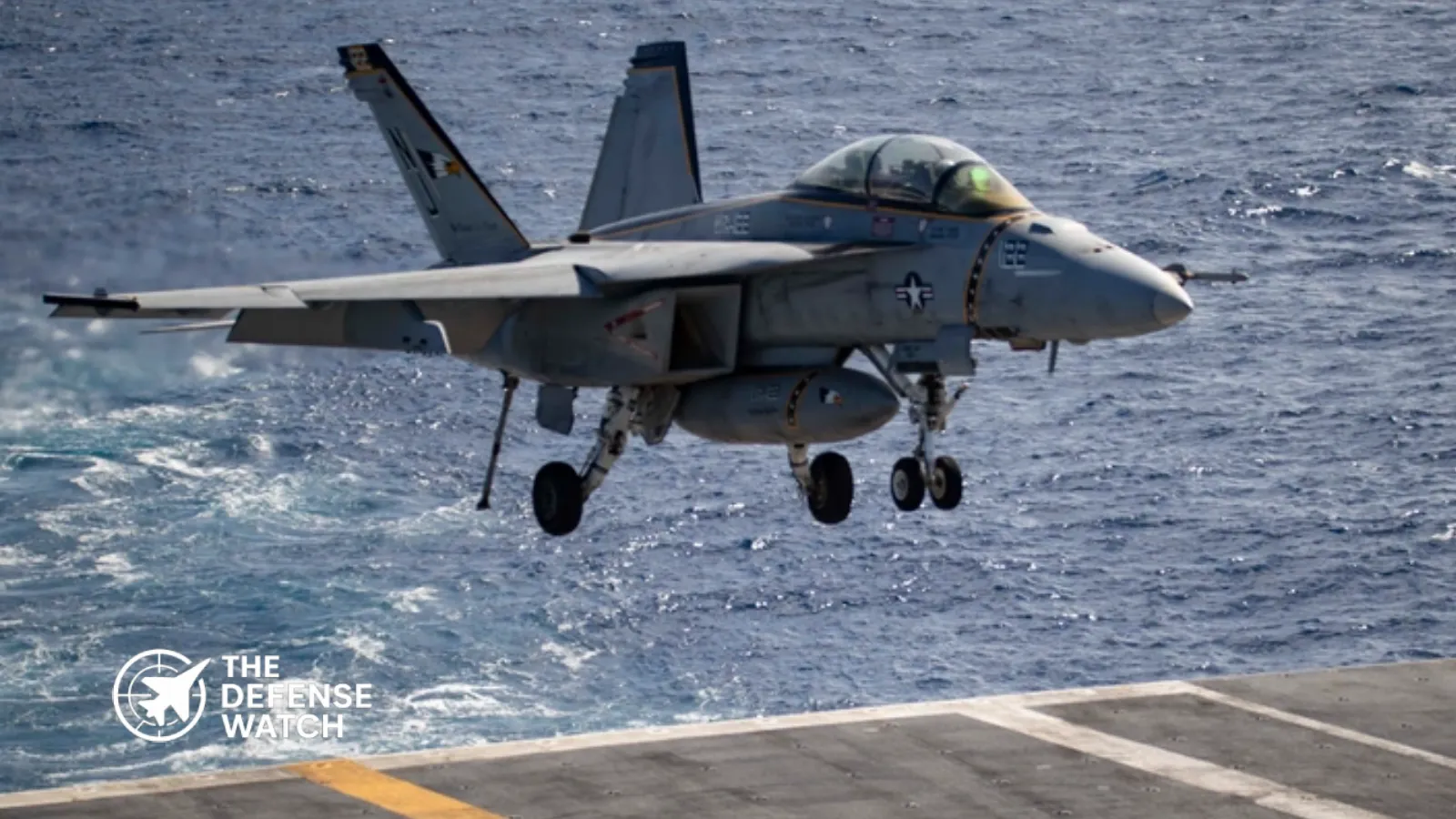
The Islamic Revolutionary Guard Corps (IRGC) asserted the strike in social media posts accompanied by video footage. Iran’s Press TV and other state outlets described the visuals as proof of the hit on a Boeing F/A-18 fighter operating over Chabahar. The context of the claim is the wider set of hostilities between Iranian forces and US-led activities in the region.
CENTCOM’s denial was direct and unambiguous, stating that no F-18 or any US fighter had been lost to hostile fire. The fact check by the US military was posted on its official social media channels as videos of the alleged incident circulated widely online.
Analysis Of The Footage And Claims
The video shared by Iranian outlets has not been independently verified by international observers or Western defense analysts. Visuals circulating on social platforms show an aircraft and an explosion sequence, but they do not conclusively demonstrate a downed US fighter. Without clear geolocation, verifiable metadata, and corroboration from neutral sources, the footage remains unconfirmed.
This is not the first time such claims have been made. Similar Iranian assertions about damaging or downing US aircraft earlier in March 2026 were met with official denials. Independent trackers of Middle East conflict incidents list other aviation losses tied to the ongoing Iran-Israel war, including unmanned systems and allied aircraft accidents.
Strategic And Geopolitical Context
The dispute over the F-18 report emerged against the backdrop of intense military operations in the Middle East. Iran has been confronting coalition air activity while also launching its own missile and drone strikes. US forces and their allies have conducted extensive air and missile operations targeting Iranian and proxy assets.
In conflict zones, information can be weaponized for domestic morale and international positioning. Tehran’s broadcast of the claim may serve internal messaging purposes and aims to project capability. Conversely, CENTCOM’s rapid fact check seeks to prevent escalatory misinterpretations and reassure audiences that no pilot losses or aircraft attrition have occurred.
What Is Known And Not Known
At this stage, there is no independent confirmation that an F/A-18 or other US fighter was struck and destroyed by Iranian forces. US Central Command’s official statement remains the most authoritative source on the matter, saying no such shootdown took place.
Without access to verified radar tracks, operational logs, or eyewitness accounts from coalition forces, definitive assessment beyond the official denial is not possible. Analysts will continue to monitor both open-source intelligence and official communiques as the conflict develops.
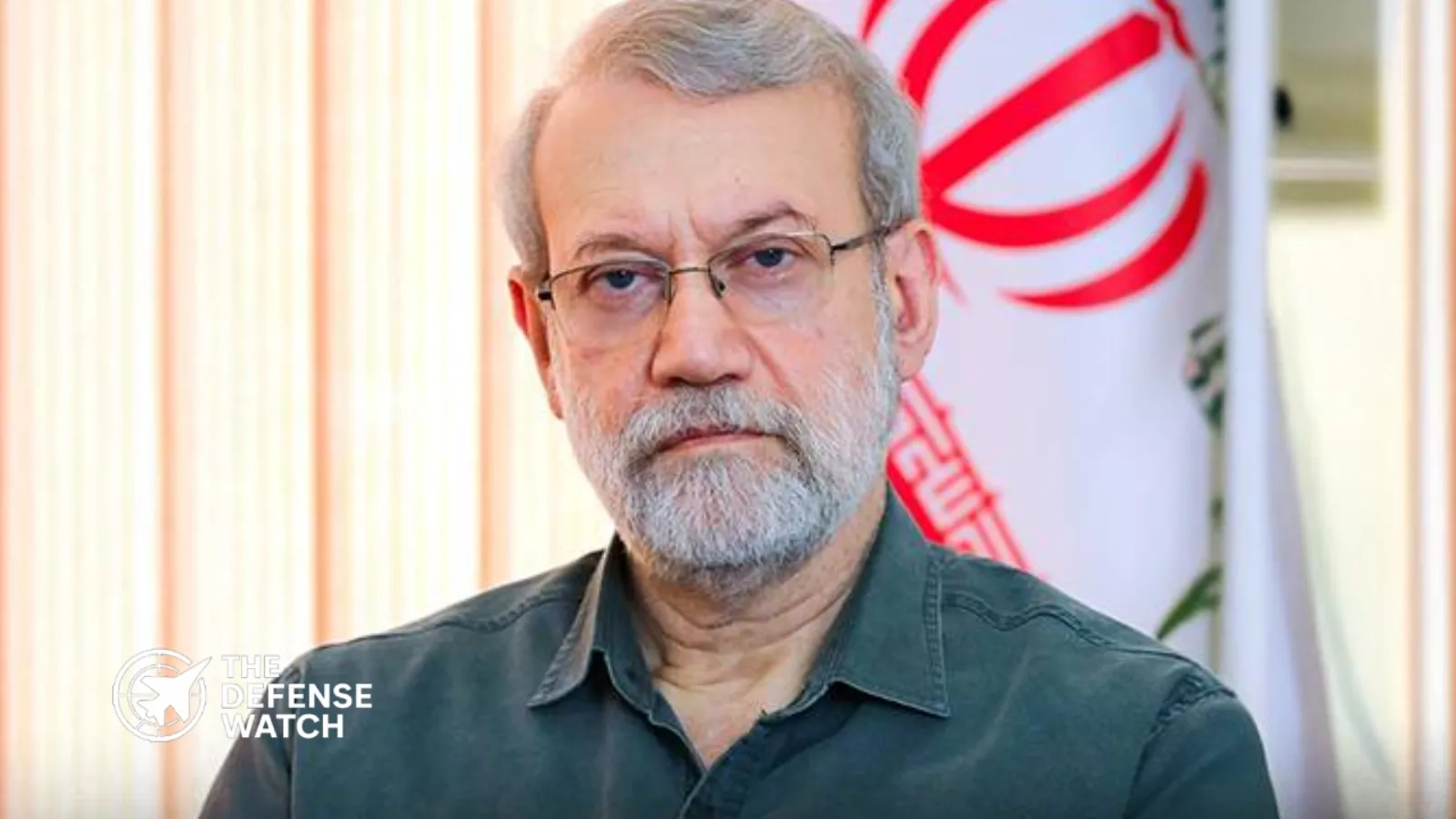
¦ KEY FACTS AT A GLANCE- Iran confirms death of senior security figure Ali Larijani.
- Larijani held key roles across Iran’s political and security apparatus.
- Development comes amid heightened regional military tensions involving Iran.
- Timing coincides with ongoing conflict dynamics affecting Iranian strategic posture.
- Leadership transition may impact Iran’s security coordination and decision making.
Iran Confirms Death Of Ali Larijani
Iran security chief Ali Larijani has died, according to official confirmation from Tehran, marking a significant development within the country’s political and security leadership structure.
The announcement comes at a time of heightened regional tensions, with Iran actively engaged in a complex security environment shaped by military operations, geopolitical rivalries, and internal coordination demands.
The Big Picture
Iran’s security architecture relies on a tightly interconnected network of political leaders, military commanders, and intelligence officials. Figures like Larijani often bridge civilian governance and national security decision making.
The loss of a senior figure at this level is not just symbolic. It affects institutional continuity at a time when Iran faces sustained external pressure, particularly from the United States and regional adversaries.
Iran’s strategic posture in the Middle East has become more assertive in recent years, combining conventional military capabilities with proxy networks and asymmetric warfare strategies. Leadership stability plays a key role in maintaining that posture.
What’s Happening
Iranian authorities confirmed the death of Ali Larijani, a prominent political figure who previously held senior roles including parliamentary leadership and advisory positions tied to national security.
Reports indicate that Larijani served in influential capacities connected to Iran’s broader security and political framework. His experience and access to leadership circles made him a key figure in policy coordination.
The announcement was made on March 18, 2026, though details surrounding the cause and circumstances of his death remain limited in public reporting.
Why It Matters
Leadership continuity is critical in states facing sustained external pressure. Iran’s decision making system depends on experienced figures who understand both domestic politics and strategic military considerations.
Larijani’s death removes a figure with deep institutional knowledge and long standing relationships across Iran’s political and security elite. That creates a potential gap in coordination, especially in crisis conditions.
The development also comes as Iran continues to manage military tensions in the region, including air operations, proxy engagements, and deterrence signaling. Leadership disruptions during such periods can affect response speed and policy alignment.
Strategic Implications
Iran’s military readiness depends on synchronized coordination between political leadership and organizations such as the Islamic Revolutionary Guard Corps. Senior political figures often play a quiet but critical role in aligning strategic objectives.
A leadership loss at this level may temporarily slow decision cycles or shift influence among competing factions within Iran’s power structure. That could affect how Iran calibrates its military posture in the near term.
Regional stability may also feel indirect effects. Allies and adversaries alike monitor leadership changes in Tehran closely, as these shifts can signal changes in policy direction or internal priorities.
Competitor View
The United States and its regional partners will likely assess this development through the lens of Iranian command resilience. Leadership turnover during periods of tension may be viewed as a potential vulnerability.
Russia and China, both of which maintain strategic ties with Iran, may interpret the event as a need for continuity in diplomatic and security coordination with Tehran.
Regional rivals such as Israel and Gulf states will focus on whether the leadership shift alters Iran’s operational tempo or strategic messaging.
What To Watch Next
Iran is expected to move quickly to ensure continuity in advisory and coordination roles tied to national security.
Key indicators to monitor include:
Appointments of replacement figures within Iran’s leadership structure
Changes in public messaging from Iranian officials
Any shifts in military activity or regional engagement patterns
Statements from senior leadership including Ali KhameneiCapability Gap
Iran’s system is designed to absorb leadership losses through institutional redundancy, but individual experience still matters. Larijani’s long tenure gave him a unique understanding of both domestic politics and international strategy.
The immediate gap is not in military capability but in strategic coordination and advisory depth. Replacing that level of experience takes time, particularly during periods of active tension.
The Bottom Line
Iran confirms the death of Ali Larijani at a sensitive moment, introducing a leadership variable that could influence how Tehran manages regional security challenges.
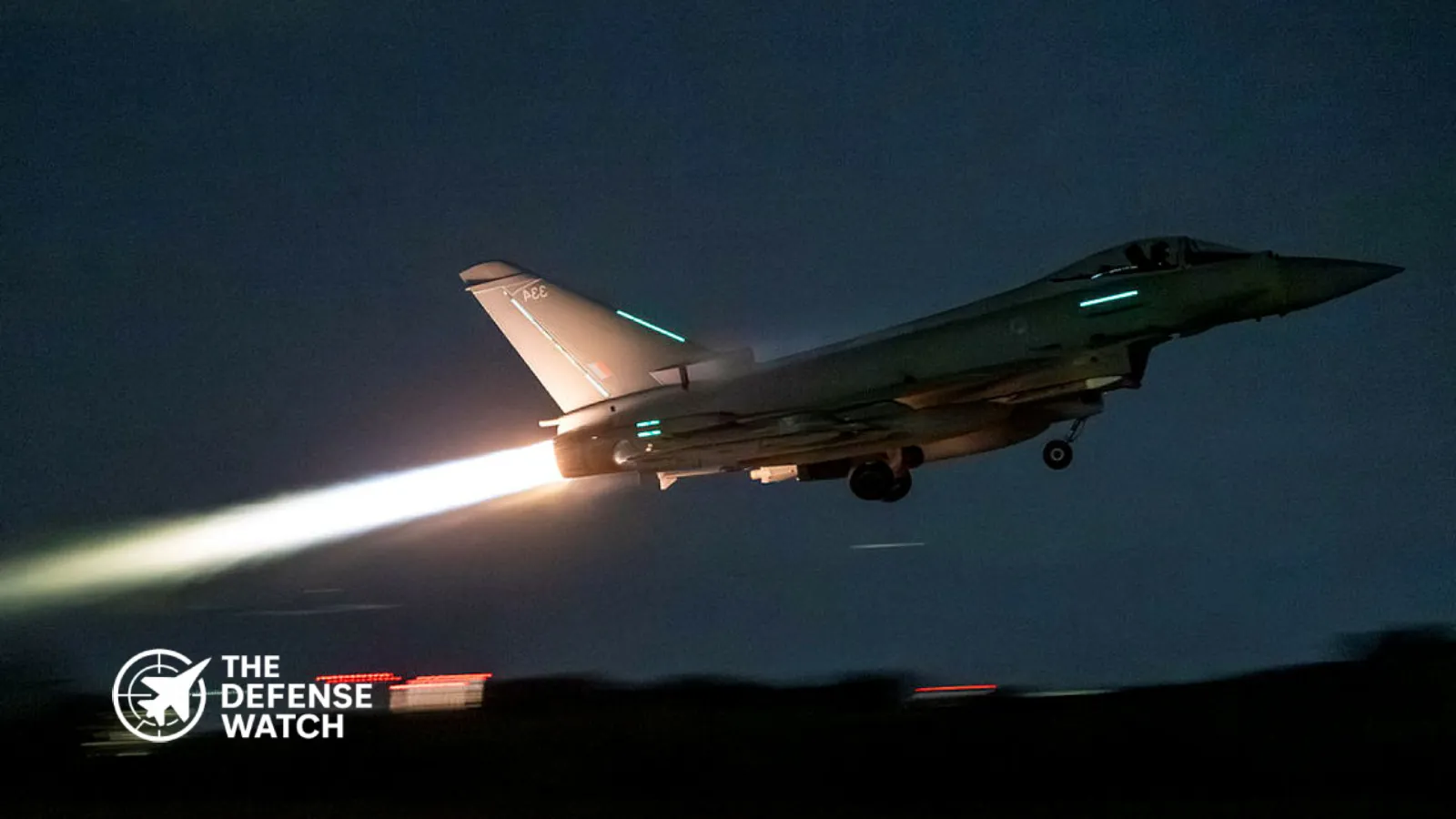
¦ KEY FACTS AT A GLANCE- UK deploys its largest number of combat aircraft to the Middle East in 15 years.
- Deployment includes advanced RAF fighter jets and support aircraft for sustained operations.
- Move aims to strengthen deterrence and support allied operations in a volatile region.
- Deployment reflects ongoing UK military commitments and rapid response capability.
- Marks a significant expansion of British air power projection beyond Europe.
UK Deploys Most Jets To Middle East In 15 Years
The UK deploys most jets to Middle East in 15 years, significantly expanding Royal Air Force operations in the region as part of a broader effort to reinforce allied presence and maintain regional stability.
The Big Picture
Britain’s latest air deployment reflects a wider shift in NATO and allied force posture toward persistent presence in strategically critical regions. The Middle East remains central to global energy flows, maritime security, and counterterrorism operations.
The United Kingdom has steadily reoriented its military strategy toward expeditionary operations since the release of its Integrated Review. Forward basing, rapid deployment, and coalition interoperability now define British defense planning.
This surge in aircraft deployment also aligns with broader Western efforts to maintain operational flexibility across multiple theaters, including Eastern Europe and the Indo-Pacific, without overcommitting ground forces.
What’s Happening
The Royal Air Force has deployed its largest contingent of jets to the Middle East in over 15 years, according to official reporting. The deployment includes frontline combat aircraft supported by tanker and surveillance platforms, enabling sustained air operations across extended distances.
The aircraft are operating from established UK and allied bases in the region. These locations provide strategic reach across key operational zones, including the Persian Gulf and surrounding airspace.
The deployment comes amid heightened regional tensions and ongoing military operations involving coalition forces. British aircraft are expected to support a mix of missions, including air policing, deterrence patrols, and potential strike operations if required.
Why It Matters
The decision to deploy the largest RAF air package in 15 years signals a clear intent to reinforce deterrence without escalating to large-scale ground deployments.
Air power offers flexibility. Fighter jets can conduct surveillance, intercept hostile aircraft, and deliver precision strikes with minimal footprint. This makes them a preferred tool in politically sensitive environments where escalation risks must remain controlled.
The presence of advanced aircraft also enhances interoperability with US and allied forces already operating in the region. Joint operations rely heavily on shared air assets, data links, and coordinated command structures.
Strategic Implications
The expanded RAF presence strengthens coalition air dominance in the Middle East. It ensures rapid response capability against emerging threats, including missile attacks, drone incursions, and maritime security challenges.
The deployment also reinforces the UK’s role as a key security partner in the region. By committing high-end air assets, London signals reliability to allies while maintaining influence in regional security discussions.
From a deterrence standpoint, the visible presence of combat aircraft complicates adversary planning. It reduces the likelihood of opportunistic actions by signaling readiness and capability.
Competitor View
Regional actors such as Iran are likely to interpret the increased air presence as part of a broader Western effort to contain and monitor its military activities. Increased air patrols and surveillance flights can directly impact operational freedom in contested airspace.
Russia, which maintains a military footprint in parts of the Middle East, may view the deployment through the lens of NATO expansion of influence. However, the RAF’s presence remains aligned with coalition operations rather than unilateral action.
China, while not a direct military actor in the region, continues to monitor Western force deployments closely as part of its global strategic assessment.
What To Watch Next
Operational tempo will provide the clearest indicator of the deployment’s intent. Increased sortie rates, joint exercises, or expanded mission sets could signal a longer-term commitment.
Future rotations of aircraft and personnel will also reveal whether this surge represents a temporary response or a sustained posture shift.
Defense planners will watch for integration with US-led command structures, particularly in areas such as air defense coordination and intelligence sharing.
Capability Gap
The deployment addresses a key gap in rapid-response air power availability in the Middle East. While the UK maintains a global presence, sustained high-tempo operations require forward-deployed assets.
However, limitations remain. Air power alone cannot secure territory or address underlying political instability. It must operate as part of a broader strategy that includes diplomacy and regional partnerships.
Logistical constraints also shape the deployment. Sustaining large numbers of aircraft overseas requires significant tanker support, maintenance capacity, and secure basing arrangements.
The Bottom Line
The UK’s largest jet deployment to the Middle East in 15 years underscores a renewed focus on air power as a flexible and credible tool for deterrence and regional stability.
■KEY FACTS AT A GLANCE- ► US President Donald Trump says US-led strikes have degraded Iran’s navy, radar and air defenses.
- â–º Trump said Iranian leaders, including the supreme leader and 49 others, were targeted.
- â–º Trump warned a third wave of attacks on Iran could be coming.
- â–º Trump said many Iranians are seeking exemptions and US relations with Spain and UK are strained.
- â–º He linked regional attacks to Iran hitting Gulf states and said oil prices may swing.
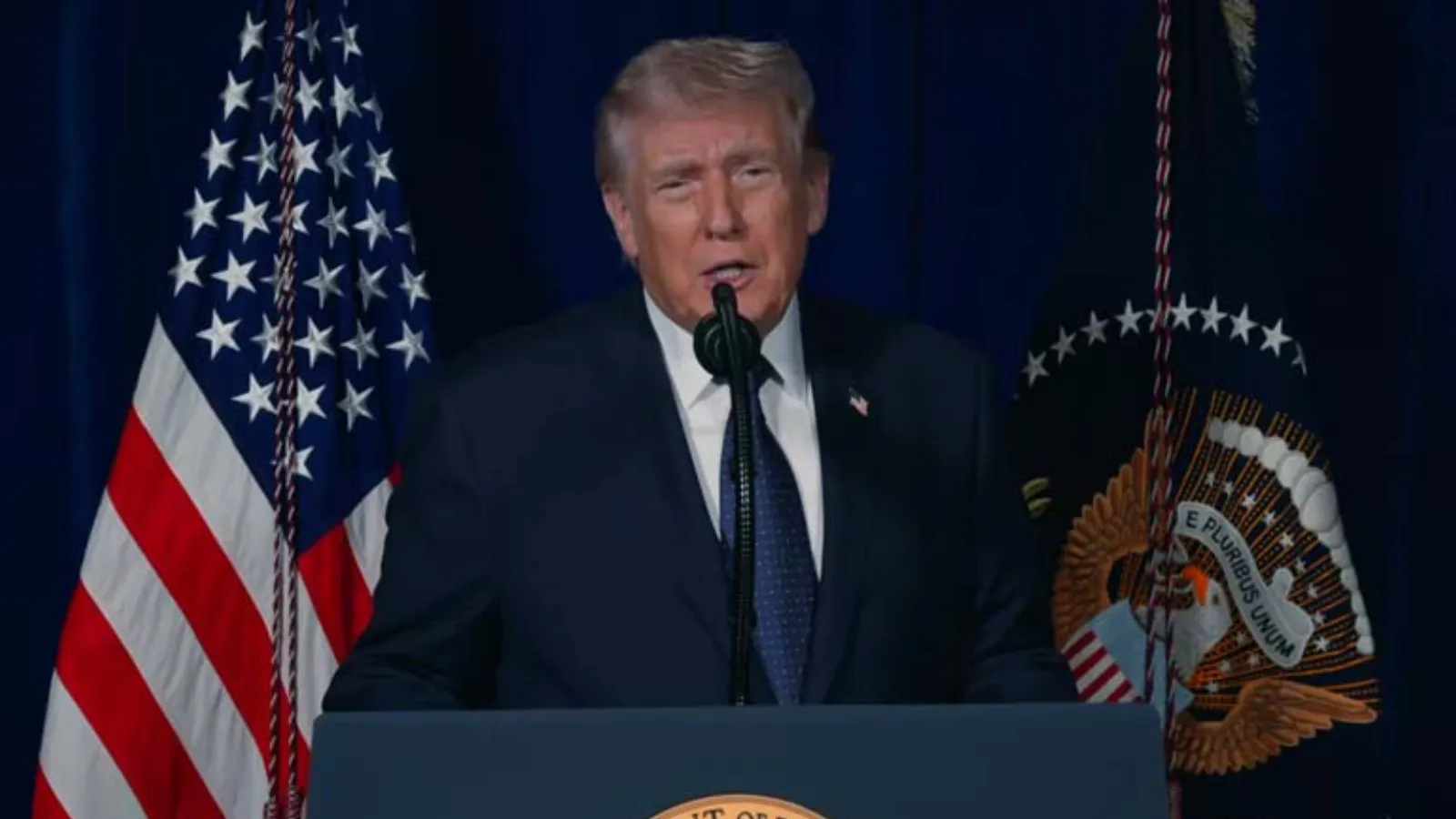
US President Says Third Wave Of Strikes On Iran Could Be Ahead
US President Donald Trump said the United States and partners have degraded Iranian military and surveillance capabilities and indicated a third wave of military action against Iran could be coming, according to comments at the White House. Trump also said a large number of Iranian figures were targeted and many Iranians were seeking exemptions from strikes after significant damage to air defense and radar systems.
Trump said Iran has attacked countries in the Gulf, including Saudi Arabia, Qatar, the United Arab Emirates, Kuwait and Oman, and that Tehran’s military posture has been weakened. He claimed US operations removed much of Iran’s navy and its monitoring infrastructure.
The president also criticized relations with Spain and the United Kingdom, saying he was not satisfied with ties to those governments. He stated that oil prices might rise temporarily as a result of the conflict.
Conflict Context In Broader Middle East
The US and Israel have been engaged in sustained military operations against Iranian targets, with regional violence spreading beyond Iran’s borders, including attacks on Gulf nations and infrastructure. Reports from nearby coverage indicate hundreds of casualties and expanded strikes across multiple fronts, illustrating a broader escalation.
Iranian forces have also been reported to target US facilities and Gulf partner states with drones and missiles, contributing to heightened tensions across strategic maritime routes and energy markets.
What Trump’s Comments Signal
Trump’s remarks reflect a US position that existing strikes have significantly degraded Iranian defensive capacity and that further military action may be intended. His comments suggest potential escalation rather than deescalation in the near term, with implications for Gulf security, global oil markets, and US alliances.
â– KEY FACTS AT A GLANCE- â–º U.S. President Donald Trump is considering a limited military strike on Iran to enforce nuclear deal compliance.
- â–º Proposed targets include Iranian military and government facilities, with risk of escalation if Tehran refuses compliance.
- â–º Trump emphasizes diplomacy as primary, but keeps military action as a potential option.
- â–º British officials declined U.S. access to RAF Fairford and Diego Garcia bases due to legal concerns.
- â–º Analysts warn even limited strikes could affect Middle East stability, energy markets, and global security.
- â–º Focused strikes are meant as leverage, not full-scale war, while diplomacy remains central.
Trump Considers Limited Military Action to Enforce Iran Nuclear Deal
U.S. President Donald Trump is reportedly considering a limited military strike on Iran to compel compliance with the nuclear deal, according to the Wall Street Journal. The proposed action would target Iranian military or government facilities and could escalate if Iran refuses the agreement.
While Trump has emphasized diplomacy as his preferred route, he has warned that military force remains an option if necessary. Recent remarks at the first session of the Gaza Board of Peace reinforced this stance, with Trump stating that the United States will not allow Iran to acquire nuclear weapons under any circumstances.
British officials have declined to provide U.S. forces access to their military bases for operations against Iran, citing potential violations of international law. This refusal could complicate any rapid military action and reflects broader international caution regarding escalation.
Trump’s administration faces a critical window, with the next ten days seen as pivotal in determining Iran’s response. If Tehran rejects the nuclear agreement, the U.S. may increase military pressure, potentially broadening conflict in the region.
Analysts note that any U.S. military strike, even limited, could significantly impact Middle East stability, energy markets, and global security dynamics. The administration emphasizes that the goal is enforcement, not full-scale war, but uncertainty remains over Iran’s next moves.
The focus on targeted strikes aligns with a strategic approach to pressure Iran while limiting wider regional escalation. Officials stress that diplomacy remains central, with military readiness serving as leverage rather than immediate action.
Newer Posts