

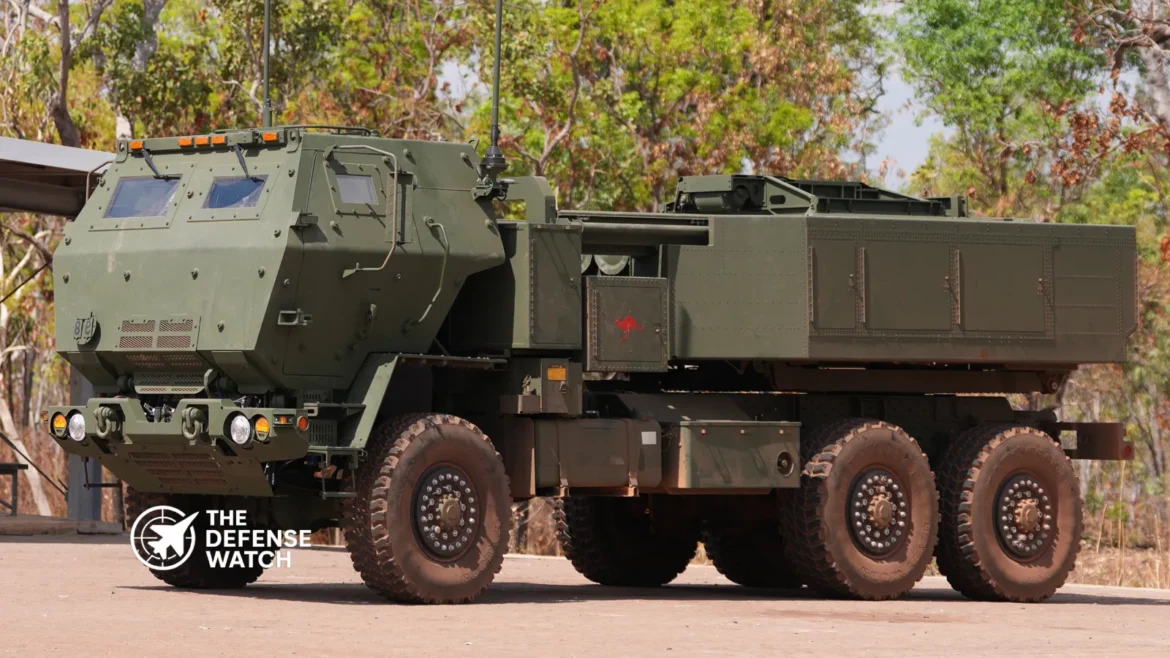
HIMARS Mobility Transforms Indo-Pacific Defense Posture
HIMARS mobility Indo-Pacific defense capabilities have emerged as a cornerstone of U.S. military strategy across the Pacific theater, where vast distances and dispersed island chains demand flexible, rapidly deployable fire support systems. Lockheed Martin’s recent analysis underscores how rocket artillery rapid deployment systems like the M142 High Mobility Artillery Rocket System (HIMARS) deliver unique advantages in a region where mobility equals survivability and strategic reach.
(adsbygoogle = window.adsbygoogle || []).push({});The Indo-Pacific’s geographic reality—spanning thousands of miles of ocean dotted with island territories—requires weapon systems that can deploy quickly, strike with precision, and relocate before adversaries can respond. HIMARS-class launchers meet these demands through a combination of strategic mobility, operational flexibility, and lethal firepower.
Strategic Mobility: The Foundation of Expeditionary Firepower
The expeditionary fire support capabilities inherent to HIMARS stem from its fundamental design philosophy: a wheeled launcher system compact enough for rapid airlift yet powerful enough to engage targets at extended ranges. Unlike tracked self-propelled artillery, HIMARS can be transported aboard C-130 aircraft, enabling deployment to austere airfields throughout the Pacific.
This strategic mobility matters in the Indo-Pacific context where U.S. forces must operate across an area larger than the continental United States. The ability to position precision strike assets on short notice—whether to reinforce allies, respond to emerging threats, or support distributed operations—provides commanders with options that heavier systems cannot match.
Lockheed Martin emphasizes that this mobility extends beyond simple transportation. HIMARS crews can conduct shoot-and-scoot operations, firing multiple rockets before relocating to alternate positions. This survivability through movement proves critical when operating within range of adversary counter-battery systems and intelligence, surveillance, and reconnaissance (ISR) platforms.
Reach and Precision: Engaging Targets Across Maritime Domains
The mobile launcher strategic advantage becomes most apparent when examining HIMARS’ engagement envelope. Armed with Guided Multiple Launch Rocket System (GMLRS) munitions, HIMARS can strike targets at ranges exceeding 70 kilometers with precision measured in meters. Future integration of the Precision Strike Missile (PrSM) will extend this reach beyond 500 kilometers.
In the Indo-Pacific’s maritime environment, this range enables HIMARS to engage naval vessels, conduct anti-access/area denial (A2/AD) operations, and support amphibious forces from positions on islands or coastal areas. The system’s precision reduces collateral damage concerns—critical when operating near civilian populations or in allied territory where political sensitivities demand restraint.
(adsbygoogle = window.adsbygoogle || []).push({});The launcher’s compatibility with multiple munition types provides commanders with scalable response options. From engaging individual high-value targets with single GMLRS rockets to conducting area saturation fires with traditional unguided munitions, HIMARS delivers tactical flexibility that adapts to mission requirements.
Operational Flexibility: Supporting Distributed Maritime Operations
U.S. Marine Corps and Army concepts for operating in contested environments increasingly emphasize distributed operations—spreading forces across multiple locations to complicate adversary targeting while maintaining the ability to mass fires when needed. Precision strike mobility platforms like HIMARS serve as enablers for these concepts.
Marine Littoral Regiments, designed specifically for operations in the Indo-Pacific’s island chains, incorporate HIMARS as organic fires capabilities. These units can establish temporary positions on islands within the first island chain, threaten adversary naval movements through key straits, and relocate before enemy forces can respond.
The U.S. Army’s Multi-Domain Operations concept similarly relies on mobile, long-range fires to create windows of opportunity for joint forces. HIMARS batteries positioned on allied territory or expeditionary locations can suppress enemy air defenses, engage command and control nodes, or provide counter-battery fires supporting broader operations.
Alliance Integration: Strengthening Partner Capabilities
Multiple Indo-Pacific allies and partners have acquired or expressed interest in HIMARS, recognizing how the system complements their defensive strategies. Japan, Singapore, and Australia operate HIMARS launchers, while other nations continue evaluating the platform.
This commonality strengthens interoperability during combined exercises and potential contingencies. Shared logistics, training standards, and tactical procedures enable U.S. forces to operate seamlessly alongside allied HIMARS units. The system’s relative ease of operation—requiring smaller crews than traditional artillery batteries—makes it accessible for nations with limited military manpower.

Lockheed Martin’s commercial approach includes training support, sustainment packages, and technology transfer agreements that help partners develop indigenous maintenance capabilities. This support structure proves essential for geographically isolated nations where logistics chains face inherent challenges.
Challenges and Considerations
Despite its advantages, HIMARS faces operational challenges in the Indo-Pacific. The system requires substantial ammunition stockpiles to sustain operations, and resupply across oceanic distances presents logistical hurdles. GMLRS and PrSM munitions represent significant investments, raising questions about magazine depth during extended conflicts.
Counter-battery threats continue evolving, with potential adversaries fielding sophisticated radar systems and long-range strike capabilities designed to eliminate mobile launchers. Survival requires robust tactical deception, electronic warfare support, and continuous movement—demanding highly trained crews and comprehensive support infrastructure.
(adsbygoogle = window.adsbygoogle || []).push({});The Indo-Pacific’s climate presents environmental challenges. Tropical heat and humidity affect both equipment reliability and crew endurance. Typhoon seasons can ground air transport assets critical for rapid deployment, while jungle and mountainous terrain limit road mobility on many islands.
Future Developments: Extended Range and Enhanced Capabilities
Lockheed Martin and the U.S. Army continue developing extended-range munitions and improved launcher variants. The PrSM program will provide HIMARS with strike ranges approaching 500 kilometers in its initial increment, with future versions potentially exceeding 1,000 kilometers.
Integration of anti-ship variants could transform HIMARS into a dedicated coastal defense system capable of threatening major surface combatants. Such capabilities would significantly enhance land-based A2/AD options for both U.S. forces and regional partners.
Emerging technologies including autonomous resupply systems, improved launcher survivability features, and advanced munitions with enhanced guidance packages promise to maintain HIMARS relevance against evolving threats. Digital fire control systems incorporating artificial intelligence may accelerate targeting cycles and improve first-round hit probabilities.
Strategic Implications for Indo-Pacific Security
The proliferation of HIMARS-class launchers across the Indo-Pacific reflects broader trends in military modernization. Nations increasingly prioritize mobile, survivable, long-range strike systems over traditional mass-armor approaches. This shift acknowledges how modern ISR capabilities and precision munitions have transformed conventional warfare.
For the United States, HIMARS represents a cost-effective capability that provides deterrent value disproportionate to its procurement and operating costs. The system’s presence signals commitment to regional defense while offering allies tangible security assurances. In crisis scenarios, rapid HIMARS deployment demonstrates resolve and provides immediate combat capability.
(adsbygoogle = window.adsbygoogle || []).push({});The platform’s success in Ukraine has validated core design concepts while providing operational lessons applicable to Indo-Pacific scenarios. Real-world performance data confirms HIMARS’ effectiveness against sophisticated adversaries employing advanced air defenses and counter-battery systems.
Conclusion
HIMARS mobility Indo-Pacific defense requirements align precisely with the system’s core capabilities: strategic deployability, operational flexibility, and lethal precision. As the United States and regional partners refine strategies for operating in the world’s largest theater, mobile launcher platforms provide essential capabilities for deterrence, crisis response, and warfighting.
The Indo-Pacific’s unique geography—combining vast distances, maritime chokepoints, and dispersed land masses—creates operational challenges that favor mobile, long-range strike systems. HIMARS-class launchers address these challenges through rapid deployment, survivable operations, and precision engagement capabilities that complement air and naval forces.
Continued investment in HIMARS modernization, munitions development, and allied integration will ensure these systems remain relevant against evolving threats. For nations committed to maintaining free and open access throughout the Indo-Pacific, mobile rocket artillery represents not merely a weapons system but a strategic enabler of broader defense concepts.





U.S. Accelerates Taiwan Arms Deliveries as HIMARS, Harpoon, MQ-9B Systems Target Defense Gaps
The United States is accelerating Taiwan arms deliveries, including HIMARS rocket launchers, Harpoon coastal missiles and MQ-9B drones as part of Taipei’s effort to strengthen its layered defense against growing pressure from China, Taiwan’s defense minister said.
(adsbygoogle = window.adsbygoogle || []).push({});Taipei Defense Minister Wellington Koo told reporters that Washington is moving to ease long delays in weapons shipments this year as U.S. defense production bottlenecks improve and administrative processes for Taiwan cases are streamlined.
Faster deliveries could help Taiwan close what Koo described as critical capability gaps in long-range precision fires, coastal defense and persistent surveillance, officials said.
What Taiwan Expects
Taipei anticipates phased shipments later this year will include:
- HIMARS multiple rocket launcher systems, capable of mobile long-range precision fires.
- Harpoon coastal defense missile systems, configured for over-the-horizon sea denial.
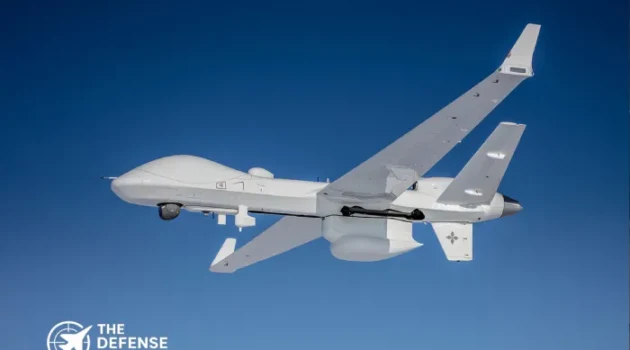
- MQ-9B drones for extended surveillance and targeting support.
- Javelin anti-armor missiles following plan schedules.
Officials said the aim of sped-up deliveries is to help Taiwan implement a denial strategy that disperses firepower and complicates any potential amphibious assault.
HIMARS launchers provide mobility, rapid fire and relocation options. The system can fire guided rockets and Army Tactical Missile System rounds, giving Taiwan the ability to strike at greater distances across likely approach corridors.
Harpoon coastal defense missiles, configured for mobile land launch, give Taiwan forces the ability to hold Chinese surface combatants and amphibious ships at risk as they move toward the island’s littoral zones.
MQ-9B drones extend Taipei’s surveillance reach, with high endurance enabling persistent monitoring of maritime approaches and early cueing for ground and coastal missile units.
Context and Strategic Drivers
The push to speed up deliveries comes after months of high-level discussions and policy changes in Washington that aim to ease procedural delays. Taiwan’s defense minister said improvements in U.S. defense industry production and streamlined export processes have reduced some bottlenecks.
(adsbygoogle = window.adsbygoogle || []).push({});Taipei is also navigating a domestic budget debate over a proposed supplementary defense budget worth about $40 billion that would fund advanced U.S. weapons packages and other systems. Delays in budget approval risk slowing or stalling planned acquisitions, officials warn.
In December 2025, the United States announced a record $11.1 billion set of proposed arms sales to Taiwan covering HIMARS, howitzers, drones and related equipment, reflecting growing U.S. support for Taipei’s asymmetric defense posture amid persistent cross-Strait tensions.
China regularly protests U.S. arms sales to Taiwan, calling them destabilizing, but Washington says these transfers support Taiwan’s right to self-defense under U.S. law and help maintain peace in the region.
Outlook
Officials in Taipei and Washington expect the improved delivery pace to continue, but stress that actual arrival dates will depend on a mix of industrial production capacity, export processing and Taiwan’s own funding decisions. Experts say the accelerated schedule aims to ensure key systems are fielded before potential crisis scenarios tighten timelines.

US Unveils Blackbeard GL Hypersonic Missile for HIMARS
The United States has unveiled the Blackbeard GL hypersonic missile for HIMARS, signaling a major step in long-range precision strike modernization. Designed for compatibility with the M142 HIMARS and M270 Multiple Launch Rocket System, the missile is intended to deliver affordable, mass-produced hypersonic capability to existing Army launchers.
(adsbygoogle = window.adsbygoogle || []).push({});The Blackbeard GL hypersonic missile is being developed by defense startup Castelion. According to program details released this week, the system is expected to reach operational maturity by 2027. The effort aligns with US Department of Defense priorities to field longer-range, survivable weapons that can be deployed quickly at scale.
Extending HIMARS Reach
Blackbeard GL is designed to reach targets at ranges of up to 1,000 kilometers, far beyond current HIMARS munitions. Unlike traditional ballistic rockets, the missile incorporates a guidance seeker, enabling it to engage moving targets. This feature reflects lessons learned from recent conflicts, where mobile and time-sensitive targets have proven difficult to strike.
Compatibility with both HIMARS and the tracked M270 launcher allows the US Army and allied forces to integrate the missile without new launch platforms. This approach reduces cost and accelerates fielding, while preserving the mobility that has made HIMARS a central element of US and partner force artillery doctrine.
Focus on Cost and Scale
Castelion has positioned Blackbeard GL as a lower-cost hypersonic weapon, emphasizing manufacturability and volume production. US defense planners have repeatedly highlighted the need to move beyond small numbers of expensive hypersonic systems toward weapons that can be fielded in meaningful quantities.
(adsbygoogle = window.adsbygoogle || []).push({});While detailed performance data remains limited, the Blackbeard GL hypersonic missile reflects a broader shift toward practical hypersonic strike options rather than niche capabilities. The program complements other US hypersonic efforts focused on strategic and theater-level missions.
Strategic Context
The introduction of a hypersonic missile for HIMARS would significantly expand US and allied deep-strike options, particularly in contested environments across the Indo-Pacific and Europe. By pairing long range with mobile launchers, Blackbeard GL supports distributed operations and complicates adversary air and missile defense planning.
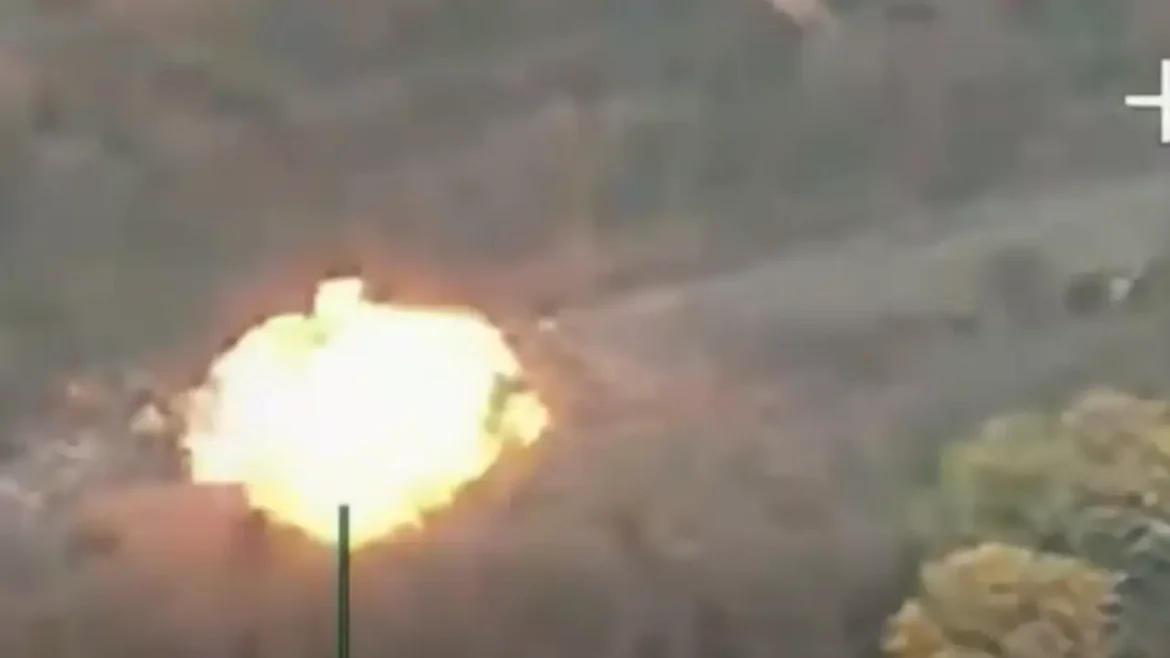
The Russian Ministry of Defense has released new footage alleging that its Iskander-M short-range ballistic missile system successfully struck and destroyed three Ukrainian missile launchers—including a U.S.-supplied HIMARS and two R-360 Neptune mobile coastal-defense launchers—in Ukraine’s Dnepropetrovsk Region. The claim comes amid Moscow’s intensified efforts to degrade Ukrainian long-range strike capabilities and disrupt Kyiv’s precision-fire operations.
According to the MOD statement, Russian reconnaissance drones first detected the Ukrainian launchers operating in an open field. The vehicles were reportedly preparing for—or had just completed—firing operations when they were targeted. The Iskander-M missile, which carries a warhead of up to 700 kg and has a range of roughly 500 km, was then launched to “neutralize the threat.”
The released aerial footage shows a high-altitude view of the impact site, followed by a significant explosion, shockwaves, and a rising fireball. Russia asserts that the strike resulted in the complete destruction of all three missile systems.
Details of the Alleged Strike
Reconnaissance and Target Acquisition
Russian MOD statements emphasize that unmanned aerial vehicles monitored the Ukrainian launchers before the strike, identifying their exact positions. The use of real-time UAV reconnaissance has become a core component of both Russian and Ukrainian strike workflows, enabling rapid sensor-to-shooter engagement cycles.
The Iskander-M Missile System
The 9K720 Iskander-M has remained one of Russia’s most frequently employed precision-strike weapons throughout the conflict. The missile’s quasi-ballistic flight path and maneuvering capability are designed to make interception challenging, even for advanced air defense systems.
Key specifications:
- Range: Approx. 500 km
- Warhead: 480–700 kg (various types, including HE fragmentation, penetrator, and submunitions)
- CEP: Estimated 5–7 meters
- Designed Role: High-value target elimination, command centers, air defense sites, missile systems, logistics hubs
While Russia has repeatedly used Iskander missiles during the war, Ukrainian officials often dispute claims regarding damage assessments, especially when Western-supplied systems like HIMARS are involved.
Targeted Systems: HIMARS and Neptune
The HIMARS (High Mobility Artillery Rocket System) has been one of the most impactful U.S.-supplied platforms for Ukraine, providing precision fires at ranges of up to 80 km with GMLRS rockets. Its mobility has made it difficult for Russian forces to target.
The Ukrainian R-360 Neptune, originally designed as an anti-ship missile and repurposed for land-attack roles, has gained attention since its use against Russian naval assets early in the conflict.
Russia’s claim of destroying both a HIMARS and Neptune launchers, if verified, would represent a meaningful tactical win for Moscow.
Context and Strategic Significance
Russia’s Campaign Against Ukrainian Long-Range Fires
Throughout 2024–2025, Russia has consistently prioritized the destruction of Ukrainian missile platforms, artillery positions, and Western-supplied long-range systems. Moscow views HIMARS, Storm Shadow/SCALP, and Neptune missiles as key enablers of Ukraine’s deep-strike capability—particularly against Russian logistics and command infrastructure.
Information Environment and Verification Challenges
Footage released by the Russian MOD shows the explosion but does not clearly confirm the identity of the systems destroyed. Independent verification remains difficult, a recurring challenge throughout the conflict. Ukraine has not yet commented on the Russian claim.
Western analysts note that both sides routinely publicize strike footage to shape narratives and demonstrate battlefield effectiveness.
Analysis: Implications for U.S. Defense and Global Security
If confirmed, the destruction of a HIMARS launcher would highlight the persistent risk faced by even highly mobile Western systems operating on the modern battlefield. For U.S. defense planners, the incident underscores several trends:
- Growing counter-battery and counter-strike competition driven by drones and precision targeting.
- Increased vulnerability of mobile missile systems, which rely on rapid relocation to survive.
- The accelerating integration of UAVs with ballistic missile operations, an area where Russia continues to refine its doctrine.
From a global security perspective, the incident reflects the shifting nature of modern warfare—where high-value assets can be detected and targeted in minutes, heavily influenced by drone reconnaissance and automated targeting systems. It also highlights the strategic importance of continued Western support to Ukraine, particularly for dispersed operations, survivability enhancements, and air defense coverage against ballistic threats.
Conclusion
The Russian MOD’s claim of destroying a HIMARS and two Neptune missile launchers with an Iskander-M strike, while not independently verified, illustrates the intensifying duel between long-range precision systems in the Ukraine conflict. As both sides continue adapting their tactics, survivability, mobility, and detection avoidance remain central to modern missile warfare.
The coming months will determine whether Ukraine can maintain its long-range strike capabilities—and how effectively Russia can continue targeting them amid an evolving battlefield shaped by drones, precision weapons, and rapid engagement cycles.

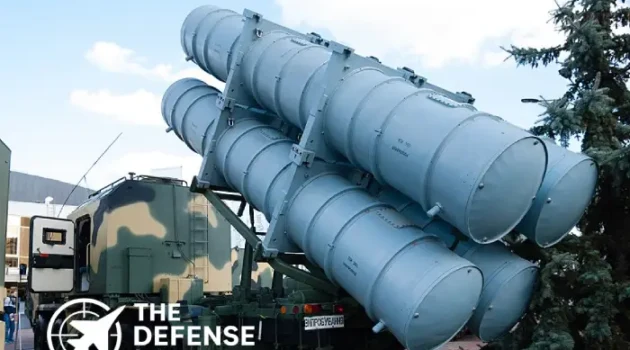

The comparison between HIMARS and the Kalibr cruise missile highlights two fundamentally different—but strategically influential—strike systems used on modern battlefields. The U.S.-made M142 HIMARS, operated by the U.S. Army and several allied nations, is a highly mobile precision rocket artillery platform known for its rapid deployment and battlefield flexibility. In contrast, Russia’s 3M-14 Kalibr cruise missile family represents long-range, sea- and air-launched precision strike capability designed for deep penetration into enemy territory.
This analysis matters because both systems have shaped recent conflicts, influenced global arms procurement trends, and demonstrated how modern warfare is shifting toward precision, mobility, and long-range standoff strikes. Understanding the strengths and limitations of each provides deeper insight into how the U.S. and Russia envision future combat operations.
Performance Verdict
When comparing HIMARS and the Kalibr cruise missile, the analysis ultimately reflects two different operational philosophies. HIMARS excels in tactical mobility, rapid shoot-and-scoot operations, and battlefield responsiveness. Its precision-guided rockets (such as GMLRS and ATACMS) allow commanders to strike high-value targets with minimal collateral damage. The system’s combat record in recent conflicts demonstrates unparalleled agility and survivability, making it a preferred asset for U.S. and allied forces seeking fast, flexible firepower.
The Kalibr, on the other hand, is engineered for long-range strategic strikes. With ranges exceeding 1,500 km in certain variants, it allows Russia to hit targets from deep within protected territory or from maritime platforms. Its terrain-hugging flight profile and complex guidance suite provide high survivability against modern air defenses.
In a direct “performance” comparison, HIMARS dominates in tactical utility and battlefield impact, while the Kalibr leads in strategic reach and stand-off strike capability. Each system performs exceptionally within its intended role, but they are not interchangeable. HIMARS shapes the battlefield; Kalibr shapes the theater.
HIMARS vs. Kalibr — Comparison Table
| Category | HIMARS (M142 High Mobility Artillery Rocket System) | Kalibr Cruise Missile (3M-14/3M-54 Family) |
|---|---|---|
| Origin | United States | Russia |
| Type | Mobile rocket artillery launcher | Long-range precision cruise missile |
| Primary Role | Tactical battlefield strike | Strategic deep-strike / stand-off attack |
| Launch Platform | Wheeled vehicle (FMTV chassis) | Ships, submarines, aircraft (some variants) |
| Range | 70–300 km (GMLRS/ATACMS), future ER GMLRS: 150+ km | 1,500–2,500+ km (depending on variant) |
| Warhead Type | Unitary HE, fragmentation, cluster (legacy), penetrator | HE, submunitions, anti-ship warheads |
| Accuracy | High precision (GPS/INS) | High precision (satellite + inertial + terrain-following) |
| Mobility | Extremely high — shoot-and-scoot | Low (missile only; depends on launch platform) |
| Speed | Subsonic rockets; ATACMS supersonic terminal phase | Subsonic (3M-14), Supersonic terminal (3M-54) |
| Notable Strengths | Mobility, survivability, rapid deployment, precision fires | Very long range, low-altitude penetration, strategic reach |
| Operational Use | Widely used in U.S. Army and allied forces | Used by Russian Navy and Aerospace Forces |
| Key Weakness | Limited to shorter tactical ranges | High cost per missile; reliant on naval platforms |
| Best For | Battlefield precision strikes | Long-range strategic or theater-level engagement |

Global Surge in Long-Range Precision Fires Efforts
Modern militaries are aggressively modernizing artillery and rocket systems, prioritizing long-range precision fires (LRPF) to meet evolving threats. The U.S. Army and its allies are deploying systems like GMARS, upgrading with HIMARS/PrSM, and experimenting with innovative procurement models.
GMARS Doubles Down on HIMARS Capabilities
Lockheed Martin’s Global Mobile Artillery Rocket System (GMARS) recently completed its first live-fire test at White Sands, New Mexico. Capable of firing 12 GMLRS rockets, four PrSMs, or two ATACMS missiles, GMARS delivers flexibility from 43 to as much as 310 miles—and the payload capacity is double that of traditional HIMARS. Built on Rheinmetall’s HX truck chassis, GMARS emphasizes modularity and compatibility across U.S. and allied systems—key to future multinational operations.
Australia Steps Up with First PrSM Launch
Australia marked a major modernization milestone with its first-ever Precision Strike Missile (PrSM) firing, launched from a HIMARS at Mount Bundey. The missile flew over 300 km, reached 60,000 ft altitude, and scored a direct hit—surpassing expectations by two years. This live test, part of Talisman Sabre 2025, highlights Australia’s drive to enhance long-range strike capability and aligns with the 2024 National Defence Strategyl.
HIMARS Becoming the New Norm in Indo-Pacific Artillery
In the Pacific theatre, the U.S. Army’s 25th Infantry Division has begun transitioning from traditional howitzers to agile HIMARS units. Replacing eight 105 mm and six 155 mm howitzers with 16 HIMARS systems, the move increases precision and lethality while reducing manpower by 119 soldiers. This shift reinforces the Army’s operational agility and firepower in the Free and Open Indo-Pacific region.
Innovation Through Open-Source Artillery Shells
Beyond hardware upgrades, new procurement strategies are emerging. Tiberius Aerospace introduced the Sceptre, an advanced 155 mm rocket-propelled artillery shell with up to 95 mile range and precision targeting—capable even in GPS-denied environments. Its unique “defense-as-a-service” model licenses design for local manufacture and continuous upgrades, offering agile, decentralized development.
Modernization Challenges and Strategy Insights
Developing Integrated Software for Precision Fires
At home, the U.S. Army’s Precision Fires team is laying the groundwork for software-driven artillery systems. Applying Dev*Ops, automation, AI-assisted code reviews, and continuous integration/deployment, the team has accelerated fielding of systems like PrSM and HIMARS, delivering 21 fielding events in 2025 alone.
Learning from Setbacks—GAO Highlights Need for Iterative Development
The Government Accountability Office (GAO) reviewed LRPF programs such as ERCA, PrSM, Mid-Range Capability, and Long-Range Hypersonic Weapon. It found mixed progress, with some programs canceled or delayed due to linear development methods. The GAO recommends adopting iterative development, digital twins, and continuous business-case evaluation for future modernization efforts.
Broader Context & Strategic Implications
The global shift toward LRPF reflects changing operational environments—great powers and regional conflicts underscore the need for precision, range, and interoperability. Systems like GMARS and PrSM offer scalable response; HIMARS units enhance mobility; and innovations like Sceptre challenge traditional acquisition paradigms. Yet, sustained success depends on modern software practices, iterative development, and cohesive alliance integration.
FAQs
GMARS (Global Mobile Artillery Rocket System) can carry double the munitions of HIMARS—12 GMLRS, four PrSMs, or two ATACMS—extending engagement ranges to 310 miles with modular interoperability.
It is Australia’s first PrSM firing, flown from HIMARS over 300 km, ahead of schedule, showcasing growing long-range strike capability and bilateral cooperation with the U.S.
The U.S. Army’s 25th Infantry Division has transitioned from traditional howitzers to more agile HIMARS units, improving long-range precision fires and reducing manpower requirements.
Sceptre introduces a “defense-as-a-service” open-source licensing approach, enabling local production and iterative upgrades—a departure from traditional centralized procurement.
The GAO advocates for iterative development, digital engineering, and continuous reassessment of business cases to improve outcomes in long-range fires programs.