Rheinmetall FV-014 Contract Signals Germany’s Drone Warfare Push
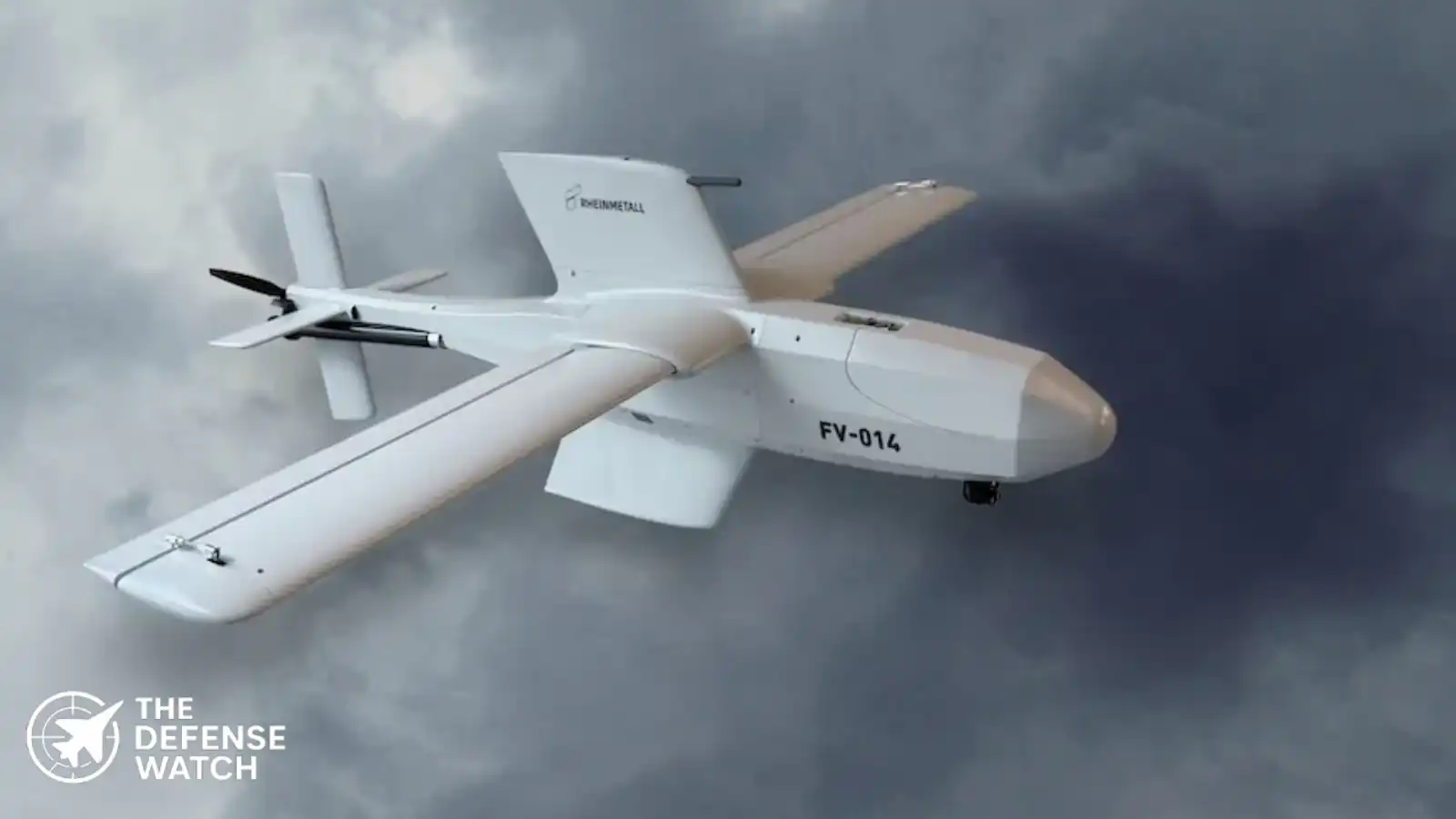
Rheinmetall has secured a multi-billion-euro Bundeswehr contract for its FV-014 loitering munition system, marking one of Germany’s most significant recent investments in autonomous battlefield strike drones. The agreement covers large-scale supply of the system to the German Army, with first deliveries planned for the first half of 2027.
The first confirmed order under the framework agreement is valued at approximately €300 million. Additional optional purchases could raise the total program into the multi-billion-euro range, according to company and media reporting.
- :contentReference[oaicite:0]{index=0} signed a framework agreement worth billions of euros to supply the German Army with FV-014 loitering munitions.
- Initial call-off value is about €300 million, with deliveries set to begin in the first half of 2027.
- The framework agreement reportedly includes options for a five-figure quantity of autonomous reconnaissance and strike drones.
- FV-014 has a range of up to 100 km, endurance of 70 minutes, and a 4 kg warhead.
- The system is being positioned as part of Germany’s rapid modernization of battlefield drone capabilities.
For Germany, the move reflects a broader shift in military procurement priorities. The war in Ukraine has highlighted the battlefield value of loitering munitions, systems that combine surveillance, target tracking, and precision strike functions at lower cost than many conventional missiles.
What Is The FV-014?
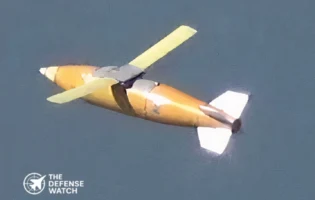
The FV-014 is a one-way autonomous strike drone designed to locate, observe, and attack targets after launch. Rheinmetall says the munition can remain airborne for up to 70 minutes, strike targets at ranges up to 100 kilometers, and carries a warhead of roughly 4 kilograms.
Unlike traditional artillery, loitering munitions can circle over a target area while operators confirm targets before impact. That gives commanders a flexible tool for engaging mobile vehicles, artillery, air defense radars, and command posts.
The system is also fully produced within the European Union, an important point as European governments seek secure domestic supply chains for ammunition, missiles, and drone systems.
Why This Deal Matters Now
Germany has faced pressure to strengthen both readiness and industrial capacity after years of underinvestment. Procurement of loitering munitions suggests Berlin is not only buying equipment, but adapting to how modern wars are being fought.
The Bundeswehr has increasingly emphasized rapid precision fires, survivable unmanned systems, and scalable stockpiles. The FV-014 fits all three needs.
This contract also boosts Rheinmetall’s position in Europe’s fast-growing drone weapons market. The company is already a major supplier of armored vehicles, artillery ammunition, and air defense systems. Expanding into strike drones broadens its role in future land warfare programs.
Competitive Landscape In Europe
Germany’s defense market has recently seen competition from newer drone-focused firms, including Helsing and Stark. Rheinmetall’s success with the FV-014 shows legacy defense primes can still compete if they can industrialize production quickly.
That may be the real strategic takeaway. Winning prototypes is one thing. Delivering thousands of systems on schedule is another. European militaries now need both innovation and factory scale.
Outlook For 2027 Deliveries
If qualification milestones proceed on time, deliveries beginning in 2027 could give frontline Bundeswehr units a significant new precision strike capability. It may also shape future NATO procurement decisions, especially among countries looking for European-made alternatives to imported loitering munitions.
As militaries race to field affordable autonomous weapons, the Rheinmetall FV-014 contract shows Germany intends to be both a buyer and producer in that market.