Loyal Wingman Drones Are Becoming a New Layer of Airpower
Loyal wingman drones are uncrewed combat aircraft designed to operate alongside crewed fighters, extending their sensors, weapons, electronic warfare capabilities and reach while reducing the risk to pilots. The concept has moved rapidly from experimental demonstrations toward operationally relevant testing, with the U.S. Collaborative Combat Aircraft program, Australia’s MQ-28 Ghost Bat and European and Chinese efforts all pursuing different versions of the same broad idea.
The most important change is that these aircraft are no longer being designed simply as remotely piloted drones. Instead, they are being developed as semi-autonomous or autonomous members of a larger combat formation.
That distinction matters.
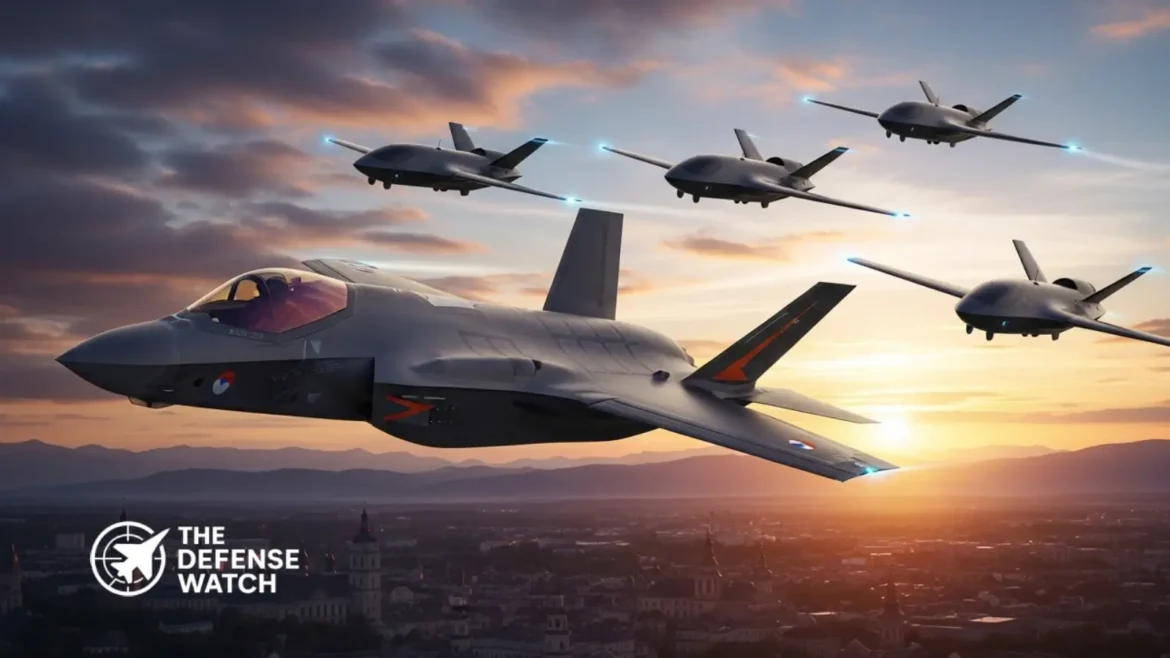
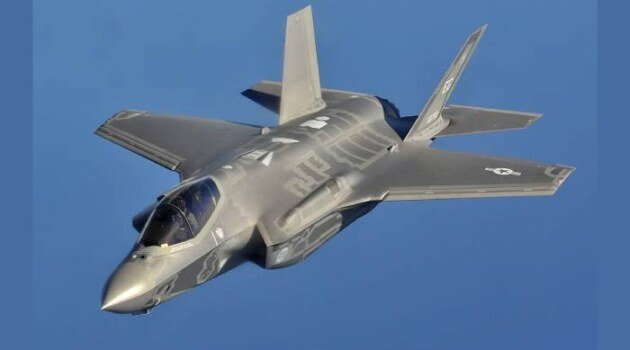
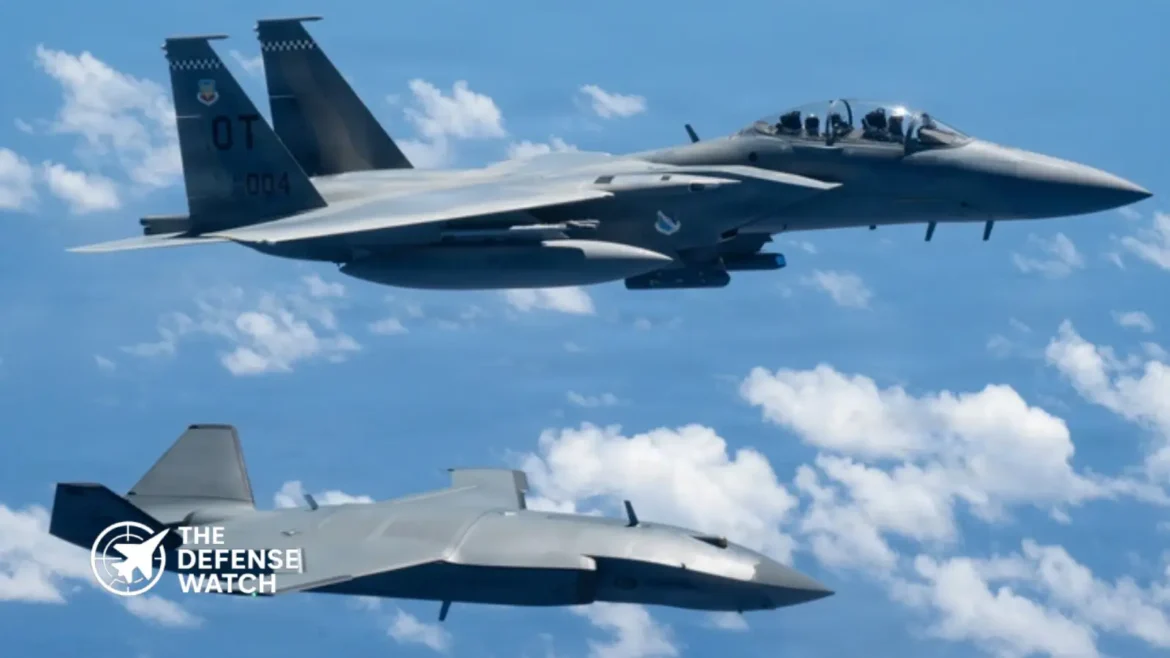
A future fighter formation may include a crewed F-35, F-47 or Eurofighter at the center of the mission, supported by several uncrewed aircraft performing sensing, jamming, communications relay, decoy, air-to-air or strike missions.
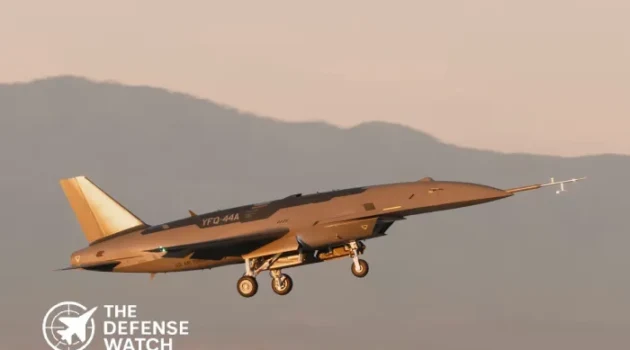
The U.S. Air Force’s CCA program is now one of the most advanced examples. The service designated the General Atomics YFQ-42A and Anduril YFQ-44A in 2025 and moved into increasingly demanding flight, autonomy and weapons testing during 2026. In July 2026, a YFQ-44A conducted a live-fire test involving an AIM-120 weapon against a digital target, marking an important step in weapons integration.
At the same time, Australia’s MQ-28 Ghost Bat has accumulated operationally relevant experience and demonstrated autonomous teaming with crewed aircraft.
The result is a rapidly expanding competition over what could become one of the defining technologies of sixth-generation air warfare.
Key Takeaways
Loyal wingman drones are evolving from experimental unmanned aircraft into networked combat systems intended to operate with crewed fighters in highly contested airspace.
What Is a Loyal Wingman Drone?
A loyal wingman is an uncrewed aircraft designed to cooperate with a crewed aircraft rather than operate as an isolated drone.
The term originally described the idea of an unmanned aircraft accompanying a fighter and following instructions from the human pilot. Modern Collaborative Combat Aircraft, however, go further.
A CCA is intended to receive high-level mission direction while autonomously handling many flight and tactical functions.
That could include:
- Navigation and formation management
- Sensor collection and fusion
- Threat detection
- Electronic warfare
- Target identification
- Communications relay
- Decoy operations
- Intelligence, surveillance and reconnaissance
- Air-to-air weapons employment
- Air-to-ground strike
- Battle damage assessment
The human pilot remains responsible for mission command and critical decisions, while the uncrewed aircraft handles tasks that would otherwise increase the workload of the crewed aircraft.
The U.S. Congressional Research Service has described CCA as semi-autonomous uncrewed aircraft intended to operate alongside crewed fighters, with potential missions including air combat, strike, electronic warfare, targeting and ISR. Earlier Air Force planning used an assumption of roughly 1,000 aircraft, based on two CCAs supporting each of 500 advanced fighters.
Why Militaries Want Loyal Wingman Drones
The underlying problem is straightforward.
Modern fighter aircraft have become extraordinarily capable, but also extraordinarily expensive and complex.
A fifth-generation fighter such as the F-35 can carry sophisticated sensors, electronic warfare equipment, communications systems and precision weapons. But there are limits to how many aircraft a nation can buy, how many pilots it can train and how much risk commanders can accept when placing crewed platforms against advanced air defenses.
Loyal wingman drones offer another option.
Instead of asking one fighter to perform every mission, commanders can distribute functions among several aircraft.
For example, a formation could theoretically include:
Crewed fighter: command, sensor fusion and mission control.
CCA 1: electronic attack.
CCA 2: forward sensing and targeting.
CCA 3: air-to-air weapons.
CCA 4: decoy or communications relay.
The exact allocation would depend on the aircraft and mission, but the broader principle is to create a distributed combat formation.
This makes the formation harder to defeat because an adversary cannot necessarily eliminate the mission by destroying one aircraft.
MQ-28 Ghost Bat: Australia’s Loyal Wingman
The MQ-28 Ghost Bat is one of the most mature loyal wingman programs in the world.
Developed by Boeing Australia for the Royal Australian Air Force, the aircraft began flight testing in 2021 and became the first military aircraft designed and manufactured in Australia in more than five decades.
Boeing describes the MQ-28 as an uncrewed collaborative combat aircraft designed to work with both crewed and uncrewed platforms. The company lists a range of more than 2,000 nautical miles, speeds up to Mach 0.9, a ceiling above 40,000 feet and a maximum takeoff weight of up to 12,000 pounds.
Those figures are important because they place the Ghost Bat in a different category from conventional small tactical drones.
It is intended to operate at fighter-like speeds and ranges rather than simply provide low-cost battlefield surveillance.
MQ-28 and Human-Machine Teaming
The Ghost Bat has also demonstrated increasingly sophisticated teaming.
In 2025, Boeing and the RAAF demonstrated a mission involving MQ-28 aircraft controlled through an E-7A Wedgetail, while the program has also progressed to autonomous weapons engagement testing. Boeing reported an air-to-air autonomous weapon engagement in December 2025 involving an MQ-28 teamed with an E-7A and F/A-18F Super Hornet.
The aircraft also completed international operational flight testing at Point Mugu, California, in 2026, giving the program experience operating from an allied location outside Australia.
That experience gives the MQ-28 an important advantage: it is not simply an airshow concept.
It has accumulated a growing body of flight, autonomy and integration experience.
XQ-58A Valkyrie: The US Experimental Path
The XQ-58A Valkyrie, developed by Kratos with the U.S. Air Force Research Laboratory, represents another major step in the development of attritable combat aircraft.
The Valkyrie was developed through AFRL’s Low Cost Attritable Aircraft Technology effort.
Unlike conventional fighter aircraft, the XQ-58A was designed around affordability and rapid production.
The U.S. National Museum of the U.S. Air Force lists a maximum speed of approximately 652 mph, a range of 3,500 miles, a ceiling approaching 45,000 feet and a maximum weight of 6,000 pounds.
The aircraft also demonstrated an important concept in 2021 when it released an ALTIUS-600 small unmanned aircraft from its internal weapons bay.
This demonstrated that an uncrewed aircraft could itself become a carrier for additional autonomous systems.
That concept is significant because future combat aircraft may not simply carry missiles and bombs. They may deploy smaller drones, decoys or sensors as part of a distributed attack package.
From XQ-58 to the US Collaborative Combat Aircraft
The XQ-58 helped demonstrate the technical feasibility of affordable, high-performance uncrewed aircraft.
The Air Force’s CCA program is taking the concept toward a more formal operational capability.
In March 2025, the Air Force officially designated the two Increment 1 prototypes as:
- YFQ-42A, developed by General Atomics
- YFQ-44A, developed by Anduril
The Y designation identifies a prototype, while F indicates fighter and Q identifies an unmanned aircraft. The Air Force said both aircraft are intended to support crewed-uncrewed teaming in contested environments.
The program has moved quickly.
The YFQ-42A began flight testing in 2025, while the Air Force continued weapons and autonomy testing across both platforms.
In February 2026, the service reported that it was implementing a government-owned Autonomy Government Reference Architecture across multiple CCA vendor platforms. The objective is to reduce dependence on a single proprietary software ecosystem and allow the government to insert new autonomy capabilities more rapidly.
That software architecture may ultimately prove as important as the aircraft itself.
YFQ-44A Live-Fire Test Marks a Major Milestone
The U.S. program crossed another important threshold in July 2026.
The Department of the Air Force conducted a live-fire test involving the YFQ-44A and an AIM-120 weapon over the Mojave Desert.
The test used a digital target and was designed to validate the aircraft’s ability to conduct a safe weapons engagement while retaining human oversight of weapon release.
This distinction is important.
The objective is not simply to create an autonomous aircraft capable of making independent lethal decisions.
The operational model being pursued involves human command authority combined with machine-level autonomy for navigation, sensing, coordination and other tactical functions.
That approach could allow a single pilot to manage several autonomous aircraft without manually flying each one.
How CCA Autonomy Works
A CCA does not need to be intelligent in the same way as a human pilot.
Instead, autonomy can be divided into different layers.
Flight Autonomy
The aircraft must maintain safe flight, avoid collisions and manage fuel and navigation.
Formation Autonomy
Multiple aircraft need to maintain formation geometry without requiring continuous pilot commands.
Mission Autonomy
The system needs to understand assigned objectives and adapt its route or behavior as conditions change.
Tactical Autonomy
The aircraft may detect threats, classify contacts and recommend or execute predefined responses within authorized rules.
Human Command
The human operator remains responsible for mission-level control and applicable weapons decisions.
This division of responsibility is central to the future CCA concept.
The pilot does not need to tell a loyal wingman every time to turn left, climb or adjust its formation position.
Instead, the pilot could issue a higher-level instruction, allowing the autonomous system to determine how best to execute it.
Open Architecture Could Decide the Winners
One of the most important aspects of the U.S. CCA program is not visible in photographs.
It is the software architecture.
Air forces traditionally purchase aircraft as tightly integrated systems. Upgrading them can require major hardware and software modifications.
CCA programs are attempting to break that model.
The Air Force’s government-owned autonomy architecture is intended to support modular software and allow capabilities from different suppliers to operate across multiple aircraft.
That approach could allow the service to improve autonomy much faster than it can redesign an aircraft.
It also creates an important industrial advantage.
If the airframe, sensors and autonomy system use open interfaces, new suppliers may be able to compete for individual components rather than requiring a single company to control the entire platform.
Europe Builds Its Own Loyal Wingman Ecosystem
The loyal wingman concept is not limited to the United States and Australia.
Europe is pursuing similar technologies through next-generation combat-air programs.
Airbus describes collaborative combat aircraft as autonomous armed platforms that can operate alongside crewed fighters such as the Eurofighter. The company highlights missions including sensing, electronic warfare, targeting and strike.
The broader European approach is connected to programs such as Future Combat Air System and associated remote carrier concepts.
The basic philosophy is similar to the U.S. model.
A crewed fighter acts as a command node while uncrewed systems extend its reach and provide additional capabilities.
The United Kingdom is also developing its own CCA technology.
In July 2026, BAE Systems unveiled Brontanax, described by the company as Britain’s first British-designed uncrewed autonomous CCA. BAE said the aircraft is intended to provide additional frontline capability and combat mass alongside crewed aircraft.
These programs show that Europe is not necessarily attempting to reproduce the U.S. CCA model exactly.
Instead, European countries are integrating uncrewed aircraft into their own sixth-generation combat-air architectures.
China’s Loyal Wingman Development
China is also pursuing multiple uncrewed combat aircraft concepts.
The FH-97A is one of the most frequently discussed Chinese loyal wingman designs. It has been associated with manned-unmanned teaming and has been presented as a platform capable of supporting missions such as electronic warfare, reconnaissance and strike.
Independent research has also identified the GJ-11 stealth UCAV as an important component of China’s broader uncrewed combat aircraft development. The International Institute for Strategic Studies and other defense analysts have tracked China’s increasing use of stealth UCAV and CCA-type concepts.
However, publicly available information about Chinese systems is much less complete than information available for U.S. and Australian programs.
This creates an important analytical limitation.
Aircraft displayed at Chinese air shows or military parades do not necessarily represent operational capability.
The distinction between a prototype, technology demonstrator, production aircraft and operational combat system must therefore be maintained.
Loyal Wingman Comparison
System Country Developer Role Approx. Range Approx. Speed Status MQ-28 Ghost Bat Australia Boeing Australia Collaborative combat aircraft 2,000+ nm Up to Mach 0.9 Advanced testing and operational development XQ-58A Valkyrie United States Kratos / AFRL Attritable combat aircraft / CCA technology demonstrator 3,500 miles 652 mph Mature demonstrator and technology platform YFQ-42A United States General Atomics CCA Not publicly disclosed Not publicly disclosed Flight testing YFQ-44A United States Anduril CCA Not publicly disclosed Not publicly disclosed Flight and weapons testing European Remote Carrier / CCA concepts Europe Airbus and industry partners Distributed combat, sensing and EW Program dependent Program dependent Development Brontanax United Kingdom BAE Systems Autonomous CCA Not publicly disclosed Not publicly disclosed Development FH-97A China Chinese aerospace industry Loyal wingman / UCAV concept Not reliably disclosed Not reliably disclosed Development / prototype GJ-11 China Chinese aerospace industry Stealth UCAV Not reliably disclosed Not reliably disclosed Development and testing Publicly available figures are not directly comparable because the aircraft have different design objectives and mission configurations. Chinese specifications in particular should be treated cautiously.
Loyal Wingman vs Traditional Combat Drones
A loyal wingman is different from a conventional remotely piloted drone.
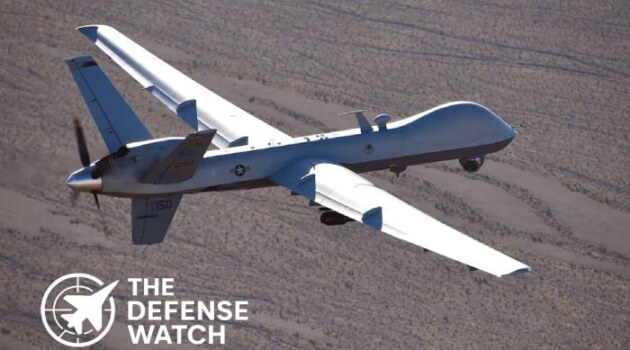
A system such as the MQ-9 Reaper is primarily operated through a human control architecture, although it includes automated flight functions.
A CCA is intended to operate much more independently.
The distinction can be summarized this way:
Conventional Combat Drone Loyal Wingman / CCA Usually remotely operated Designed for high levels of autonomy Human operator manages flight Human provides mission-level direction Often optimized for ISR or strike Designed for fighter support and contested airspace Typically operates as an independent asset Designed to work as part of a formation Ground control is central Airborne crewed aircraft can act as mission commanders Longer endurance often prioritized Speed, survivability and integration are emphasized This does not mean conventional drones are becoming obsolete.
Instead, military aviation is moving toward a broader ecosystem containing multiple types of autonomous aircraft.
What Missions Could Loyal Wingmen Perform?
The flexibility of CCA designs is one of their most important advantages.
Electronic Warfare
An uncrewed aircraft could move closer to hostile radar systems and conduct electronic attack while reducing the risk to a crewed fighter.
Forward Sensing
A CCA could operate ahead of the crewed formation and provide additional sensor coverage.
Air Combat
Some aircraft could carry air-to-air missiles and expand the number of weapons available to a formation.
Decoy Operations
A relatively inexpensive aircraft could force an adversary to reveal radar emissions or expend expensive interceptors.
Strike
CCA platforms could carry precision weapons or provide targeting information to other aircraft.
Communications Relay
A loyal wingman could extend communications between aircraft operating at different locations.
Swarm Support
Larger CCAs could potentially carry or coordinate smaller autonomous aircraft, creating multiple layers of distributed capability.
The Real Advantage: Combat Mass
The strongest argument for loyal wingman drones is not that they can replace fighters.
It is that they can make fighters more effective.
A formation containing one crewed aircraft and several CCAs can potentially generate more sensors, weapons and tactical options than a formation consisting only of crewed aircraft.
The economics are also important.
Boeing describes the MQ-28 as being designed around an affordability objective and says the platform is intended to cost roughly one-tenth of a crewed platform.
The exact acquisition cost of operational variants will depend on production quantities, sensors, engines, weapons, support equipment and software.
Nevertheless, the basic concept is clear.
A military can accept greater risk when the aircraft are cheaper and faster to replace.
That creates the possibility of affordable combat mass.
Survivability Is More Than Stealth
It would be a mistake to judge CCAs only by radar cross-section.
Survivability can come from several factors:
- Low observability
- Electronic warfare
- High speed
- Stand-off weapons
- Distributed formations
- Decoys
- Sensor networking
- Autonomous maneuver
- Communications resilience
- Large numbers
An aircraft does not necessarily have to be invisible if the adversary cannot determine which aircraft is the primary threat.
That is one reason distributed formations are attractive for operations against sophisticated integrated air defense systems.
The Communications Problem
The biggest weakness of a networked combat formation may also be its greatest strength.
If CCAs depend heavily on data links, an adversary will attempt to disrupt those links.
Electronic warfare could interfere with:
- Satellite communications
- Tactical data links
- GPS
- Navigation systems
- Aircraft-to-aircraft communications
- Sensor data
- Ground control networks
A serious CCA architecture therefore needs to continue operating when communications are degraded or denied.
This requires greater onboard autonomy.
An aircraft that cannot receive continuous instructions from its human controller cannot simply stop functioning.
It needs predefined mission logic, navigation resilience and the ability to make bounded tactical decisions without constant external input.
Cost, Maintenance and Attrition
The phrase attritable aircraft is important.
Attritable does not mean disposable.
A military still needs to recover value from each aircraft.
Engines, sensors, electronic warfare equipment, communications systems and software can be expensive even if the airframe is relatively inexpensive.
A fleet of hundreds or thousands of CCAs would also require:
- Engines and spare parts
- Maintenance personnel
- Distributed operating locations
- Secure software infrastructure
- Weapons stocks
- Ground support equipment
- Training systems
- Data management
- Cybersecurity
- Autonomy testing
The economic advantage therefore depends on the entire lifecycle cost, not simply the price of the aircraft.
Why the US CCA Program Matters for the Indo-Pacific
CCA is particularly relevant to the Indo-Pacific because geography places a premium on range, survivability and distributed operations.
Large distances between bases and contested airspace can make traditional assumptions about centralized air operations less practical.
Uncrewed aircraft could provide additional combat power without requiring an equivalent increase in pilot numbers.
They could also operate from dispersed locations, depending on their logistics and runway requirements.
The Air Force has explicitly connected CCA to future air superiority and the broader Next Generation Air Dominance family of systems.
That makes CCA more than a drone procurement program.
It is becoming part of the architecture for future U.S. airpower.
CCA and the F-35
The F-35 could be an important node in future loyal wingman operations.
Its sensors, communications architecture and low-observable design make it well suited to operating inside a distributed combat network.
A future formation could potentially use an F-35 as the human-controlled sensor and command platform while CCAs extend the formation’s weapons and sensing reach.
The exact operational architecture remains under development.
But the concept is straightforward.
The F-35 does not need to carry every sensor and weapon itself if it can coordinate with several autonomous aircraft.
CCA and Future Sixth-Generation Fighters
The long-term vision goes beyond today’s F-35.
The U.S. Air Force is developing CCA alongside the broader NGAD family of systems.
Europe is developing FCAS and GCAP-related technologies.
In these architectures, the crewed fighter becomes one part of a much larger network.
That network may include:
- Crewed fighters
- CCAs
- Tankers
- AEW&C aircraft
- Satellites
- Ground sensors
- Maritime platforms
- Electronic warfare systems
- Long-range missiles
- Smaller autonomous drones
This is why CCA should be viewed as a system-of-systems capability, rather than simply another aircraft.
Major Challenges Ahead
Despite rapid progress, loyal wingman drones remain an emerging capability.
1. Autonomous Decision-Making
The more responsibility given to software, the greater the requirement for testing, verification and reliable human control.
2. Electronic Warfare
CCA networks must function in environments where GPS and communications may be actively attacked.
3. Engine and Maintenance Costs
A supposedly inexpensive aircraft can become expensive if its engine, sensors and support system are difficult to maintain.
4. Weapons Integration
Carrying a missile is relatively straightforward compared with safely integrating targeting, fire control, communications and rules governing weapons release.
5. Production Capacity
The strategic value of affordable mass disappears if industry cannot produce aircraft quickly enough during a major conflict.
6. Training and Doctrine
Pilots and commanders must learn how to manage several autonomous aircraft without becoming overloaded by information.
7. Cybersecurity
A compromised autonomy system could create risks far more serious than the loss of a conventional remotely piloted aircraft.
The Future of Loyal Wingman Drones
The next stage of development will probably focus less on proving that an aircraft can fly autonomously and more on proving that it can operate reliably inside a contested combat network.
That means testing increasingly difficult combinations of:
Autonomy + sensors + electronic warfare + weapons + communications + human command.
The U.S. Air Force’s rapid progress from prototype development to flight and weapons testing demonstrates how quickly the CCA concept is advancing.
Australia’s MQ-28 provides another model, emphasizing operational experimentation and allied interoperability.
Europe is embedding similar capabilities into sixth-generation combat-air programs, while China is developing multiple UCAV and loyal wingman concepts.
The competition is therefore no longer about whether autonomous combat aircraft will exist.
It is increasingly about who can integrate them at scale, connect them securely and produce them quickly enough to matter in a major conflict.
Analytical Conclusion
Loyal wingman drones represent one of the most significant changes in fighter aviation since the introduction of stealth and networked warfare.
The MQ-28 Ghost Bat demonstrates how an uncrewed aircraft can progress from technology demonstrator toward operationally relevant teaming. The XQ-58A Valkyrie demonstrated the potential of affordable, high-performance attritable aircraft. The U.S. YFQ-42A and YFQ-44A now push the concept toward an operational Collaborative Combat Aircraft fleet.
The central objective is not to eliminate the fighter pilot.
It is to give the pilot more options.
A single crewed fighter supported by several autonomous aircraft could potentially see farther, carry more weapons, conduct electronic attack from multiple directions and force an adversary to divide its defensive resources.
That changes the economics of air combat.
The future air force may therefore not be measured simply by how many fighters it owns.
It may be measured by how effectively it can combine crewed aircraft, autonomous combat aircraft, sensors, weapons and software into one distributed combat system.
For the United States and its allies, the race to develop that architecture is already underway.
The decisive advantage will likely belong to the force that can combine autonomy with reliable human command, resilient communications, affordable production and large-scale operational deployment.
In that sense, the loyal wingman is not replacing the fighter.
It is becoming the fighter’s next layer.

Executive Summary: German defense technology company Helsing has partnered with Japan’s Rakuten to help finalize a potential military sale of its HX-2 strike drone to Japan’s Ground Self-Defense Force. The move comes as Tokyo accelerates investment in unmanned systems amid growing regional security concerns and places greater emphasis on autonomous capabilities.
Helsing HX-2 Drone Deal Moves Closer In Japan
The Helsing HX-2 drone Japan effort has gained momentum after German defense technology company Helsing enlisted Japanese conglomerate Rakuten to help broker a military deal, according to Reuters. The Japanese Ground Self-Defense Force is already testing Helsing’s HX-2 strike drone, while Rakuten is expected to help bridge the commercial and procurement requirements involved in completing a potential agreement.
Reuters reported that an initial agreement has already been reached, with Rakuten’s role focused on helping Helsing navigate Japan’s defense procurement process. The development is notable because Rakuten has extensive commercial and financial operations in Japan but comparatively limited experience as a traditional defense-sector intermediary.
For Helsing, the Japanese opportunity represents another step in the company’s expansion from European battlefield AI software into autonomous and unmanned weapons.
Japan Tests Helsing’s HX-2 Strike Drone
The HX-2 is an electrically powered strike drone designed around onboard artificial intelligence and software-defined functions. Helsing says the system has a range of up to 100 kilometers and is designed to operate in environments where satellite navigation and communications may be disrupted by electronic warfare.
The company also says the HX-2 can operate as part of a swarm and can be integrated with its Altra reconnaissance and strike software. The system is intended to allow multiple drones to be coordinated while keeping a human operator involved in critical actions.
That combination is relevant to Japan’s growing interest in unmanned capabilities. Tokyo’s defense planning identifies unmanned defense capabilities as one of seven priority areas for strengthening the country’s military posture. Japan’s Defense Ministry has also highlighted the ability of unmanned systems to operate in dangerous environments and remain airborne or deployed for extended periods.
Japan has already decided to introduce the MQ-9B SeaGuardian for long-endurance unmanned operations and is developing unmanned aircraft intended to support its next-generation fighter program.
Why Japan Is Looking At Autonomous Strike Drones
Japan’s interest in systems such as the HX-2 comes against a broader effort to strengthen its ability to operate across a large geographic area while dealing with increasingly complex air and maritime threats.
Japan’s Ministry of Defense has identified China’s expanding military capabilities and increased activity around the East China Sea and the western Pacific as major security concerns. The ministry’s latest defense white paper also points to China’s expanding use and development of unmanned aircraft, including reconnaissance and strike systems.
This environment increases the importance of systems that can provide persistent surveillance, precision effects and distributed operations without relying exclusively on traditional crewed aircraft.
The Helsing Japan military drone deal therefore fits into a wider Japanese effort to build a more diverse force structure in which unmanned platforms complement conventional aircraft, ships and ground forces.
The potential procurement also illustrates how the Ukraine war has influenced defense requirements. Helsing’s HX-2 has been developed with battlefield experience in Ukraine in mind, while the company says its AI and electronic-warfare-resistant functions have been tested through operational use.
Rakuten Takes An Unusual Role In Defense Procurement
Rakuten’s involvement is one of the more unusual elements of the deal.
The company has a large domestic business network and experience operating across Japanese commercial and financial markets. Reuters reported that Rakuten intends to use this network to assist defense startups seeking access to Japan’s procurement system.
The company has also previously supported a demonstration involving Ukrainian drone software company Swarmer and AI-controlled drone swarms. Rakuten founder Hiroshi Mikitani has been an outspoken supporter of Ukraine, adding another connection between the company’s technology interests and the rapidly evolving defense-drone sector.
For smaller defense technology companies, entering a major foreign military market can involve requirements that extend well beyond the technical performance of the equipment. Local partnerships, government relationships, regulatory compliance, sustainment and procurement procedures can all influence whether a system progresses from testing to an actual contract.
Rakuten’s involvement could therefore be important not because the company manufactures the drone, but because it can help Helsing navigate the Japanese market.
Helsing Expands Beyond Europe
The Helsing HX-2 drone Japan initiative comes as the Munich-based company rapidly expands its defense portfolio and financial base.
Founded in 2021, Helsing initially focused on artificial intelligence software for analyzing battlefield data before expanding into autonomous strike drones, underwater surveillance and military aircraft applications.
In July, Helsing announced a $1.8 billion Series E funding round that valued the company at approximately $18 billion. The funding included major U.S. and Canadian financial investors while Helsing emphasized that the company remained majority European-owned.
The company has also secured European government and defense-industry contracts and has supplied drones to Ukraine through German government-backed programs.
Its international expansion is significant because the defense-drone market is increasingly moving toward systems that combine relatively low-cost airframes with software, artificial intelligence, electronic-warfare resilience and networked operations.
What The Japan Deal Could Mean
The immediate question is whether the current Japanese testing and agreement will result in a formal procurement contract.
The Reuters report indicates that Rakuten’s involvement is intended to help finalize the deal rather than announce a completed large-scale purchase. That distinction is important. Testing and preliminary agreements can establish a pathway to procurement, but they do not necessarily represent a finalized operational order.
If completed, however, a Japanese procurement would give Helsing another major customer outside its European base and could provide a further demonstration of demand for AI-enabled strike drones.
It would also reinforce Japan’s broader move toward unmanned systems as a component of its defense modernization strategy. Tokyo is already investing in long-endurance UAVs, unmanned aircraft for future fighter operations and other autonomous capabilities.
From an industry perspective, the development also highlights a changing defense procurement model. Companies such as Helsing are bringing software-driven systems into markets traditionally dominated by large prime contractors. At the same time, local commercial companies can play an increasingly important role in connecting emerging defense firms with established government procurement structures.
For Japan, the HX-2 represents another potential tool for expanding unmanned strike capacity. For Helsing, the proposed agreement could mark an important entry into the Indo-Pacific defense market.
¦ Key Takeaways- France has ordered 5,000 military drones from domestic startup Harmattan AI, one of the country’s largest small UAV procurements to date.
- The purchase supports Paris’ effort to rapidly expand sovereign drone production and reduce dependence on foreign suppliers.
- Harmattan AI has emerged as one of Europe’s fastest-growing defense technology firms and is backed by Dassault Aviation.
- The order reflects lessons learned from Ukraine, where low-cost drones have become essential battlefield assets.
- The procurement strengthens France’s broader strategy of integrating AI-enabled autonomous systems across future military operations.
France has placed an order for 5,000 military drones from French defense technology startup Harmattan AI, marking one of the largest acquisitions of small unmanned aerial systems ever undertaken by the French armed forces. The announcement was made by France’s Armed Forces Ministry on June 23 as Paris accelerates efforts to expand domestic drone production capacity and strengthen battlefield readiness.
The procurement highlights the growing importance of low-cost tactical drones in modern warfare and further cements Harmattan AI’s position as a rapidly emerging player in Europe’s defense technology sector. The company, founded in 2024 and backed by Dassault Aviation, has become a central component of France’s push for sovereign defense technologies and AI-enabled military systems.
Deep Technical & Strategic Context Analysis
The French military’s latest drone order reflects a broader transformation underway across NATO armed forces. Since the outbreak of the Russia-Ukraine war, small reconnaissance and strike drones have evolved from niche assets into indispensable battlefield tools. Modern conflicts have demonstrated that inexpensive, rapidly deployable drones can provide real-time intelligence, surveillance, target acquisition, battle damage assessment, and even precision attack capabilities at a fraction of the cost of traditional aircraft or artillery systems.
For France, the procurement is about more than acquiring additional aircraft. It is part of a wider effort to establish resilient domestic production lines capable of generating thousands of drones annually. The move also aligns with French defense planning that increasingly emphasizes mass, attrition resilience, and autonomous systems. Military planners across Europe have concluded that future high-intensity conflicts will require large inventories of expendable and semi-expendable unmanned systems rather than small fleets of expensive platforms.
Harmattan AI’s rise is particularly significant because the company combines drone manufacturing with proprietary artificial intelligence software. Its technology portfolio extends beyond reconnaissance drones to include autonomous surveillance systems, electronic warfare applications, drone interception solutions, and AI-enabled command-and-control tools. Dassault Aviation’s strategic investment earlier this year underscored the perceived value of integrating autonomous systems into future combat aviation programs, including the Rafale F5 standard and future unmanned combat air systems.
Contract Breakdown & Details
Program Overview
- Customer: French Armed Forces Ministry
- Supplier: Harmattan AI
- Order Quantity: 5,000 military drones
- Program Type: Tactical small unmanned aerial systems
- Purpose: Intelligence, surveillance, reconnaissance, training, and operational deployment
- Industrial Objective: Expansion of sovereign French drone production capacity
- Announcement Date: June 23, 2026
About Harmattan AI
- Founded: 2024
- Headquarters: Paris, France
- Primary Focus: Autonomous defense systems and AI-enabled military platforms
- Strategic Investor: Dassault Aviation
- Valuation: Approximately $1.4 billion following a $200 million funding round led by Dassault Aviation in 2026
- International Customers: French Ministry of Armed Forces and UK Ministry of Defence programs among others
Previous French Drone Orders
The latest acquisition follows an earlier French procurement program awarded to Harmattan AI in 2025. That contract called for the delivery of 1,000 AI-enabled micro-drones designed and assembled in France. Those systems were intended to support operational training, intelligence missions, and preparation for major exercises including Orion 2026.
The company’s SORONA micro-drone platform reportedly weighs less than 1.8 kilograms, offers more than 40 minutes of endurance, and can be deployed in under a minute. The system incorporates electro-optical and infrared sensors for day and night operations.
Strategic Significance
Key implications of the order include:
- Expanded battlefield surveillance capacity for French land forces.
- Accelerated domestic manufacturing of military UAVs.
- Reduced dependence on foreign drone suppliers.
- Support for AI-enabled autonomous warfare concepts.
- Strengthened French and European defense industrial sovereignty.
- Preparation for future high-intensity conflicts where drone mass is critical.
Outlook
The 5,000-drone order demonstrates how rapidly defense procurement priorities are shifting across Europe. Rather than focusing exclusively on traditional high-end platforms, governments are increasingly investing in scalable autonomous systems that can be produced quickly and deployed in large numbers.
For Harmattan AI, the award represents another major milestone in a growth trajectory that has already attracted significant investment from France’s aerospace sector. For the French military, it signals a determination to incorporate lessons from contemporary conflicts and ensure that domestically produced unmanned systems become a core component of future operational doctrine.
(adsbygoogle = window.adsbygoogle || []).push({});Executive Summary:
The United Kingdom has announced a new military assistance package worth £752 million ($996 million) that will provide Ukraine with 150,000 drones by the end of 2026. The announcement was made during a Ukraine Defense Contact Group meeting in Brussels and reflects the growing importance of unmanned systems in modern warfare.
The package further reinforces Britain’s role as one of Kyiv’s leading defense supporters while highlighting the increasing shift toward drone-centric battlefield operations across Europe.
UK Announces Major Drone Package For Ukraine
The UK drones for Ukraine initiative received a significant boost on June 18, when British Defence Minister Dan Jarvis announced that London will provide 150,000 drones to Ukraine by the end of 2026 as part of a broader £752 million ($996 million) military support package. The announcement was made during a meeting of the Ukraine Defense Contact Group in Brussels.
The new commitment represents one of the largest single drone assistance packages announced by any Western partner since Russia’s full scale invasion of Ukraine began in 2022.
According to Reuters, the funding package is intended to strengthen Ukraine’s ability to sustain surveillance, reconnaissance, targeting, and strike operations across an increasingly technology driven battlefield.
(adsbygoogle = window.adsbygoogle || []).push({});How The New Package Fits Into Britain’s Existing Support
The latest announcement builds upon a series of major British drone commitments made over the past two years.
In June 2025, the UK pledged to supply 100,000 drones by April 2026 under a separate £350 million initiative designed to accelerate Ukrainian access to unmanned systems.
Earlier this year, the UK Ministry of Defence announced its largest drone package to date, committing at least 120,000 drones during 2026, including:
- Long range strike drones
- Intelligence, surveillance, and reconnaissance platforms
- Logistics drones
- Maritime unmanned systems
Deliveries under that program began during the spring of 2026.
The newly announced 150,000 drone package further expands Britain’s role in supplying unmanned capabilities to Ukrainian forces.
(adsbygoogle = window.adsbygoogle || []).push({});Key Figures From The New Assistance Package
Item Details Total Package Value £752 million ($996 million) Drones Included 150,000 Delivery Timeline Through end of 2026 Announced By UK Defence Minister Dan Jarvis Venue Ukraine Defense Contact Group, Brussels Primary Purpose Enhance Ukrainian battlefield capabilities Source: Reuters, June 18, 2026.
(adsbygoogle = window.adsbygoogle || []).push({});Why Drones Have Become Central To The Ukraine War
The Ukraine conflict has emerged as the most significant real world demonstration of large scale drone warfare in modern military history.
Both Ukrainian and Russian forces now employ unmanned systems across nearly every operational function, including:
- Tactical reconnaissance
- Artillery spotting
- Precision strikes
- Electronic warfare support
- Logistics delivery
- Maritime attacks
- Air defense targeting
British defense officials have repeatedly cited Ukraine’s battlefield experience as evidence that drones are fundamentally changing how wars are fought.
Small first person view (FPV) drones have proven capable of destroying armored vehicles at a fraction of the cost of traditional anti tank weapons, while larger long range systems increasingly conduct deep strike missions against military infrastructure far behind front lines.
(adsbygoogle = window.adsbygoogle || []).push({});Strategic Significance For NATO And Western Defense Planning
The importance of this package extends beyond immediate battlefield support.
For NATO nations, Ukraine has become a large scale laboratory for understanding the future of warfare. Lessons learned from Ukrainian drone operations are influencing procurement decisions, force structure planning, and defense industrial strategies across Europe and North America.
Several trends are particularly notable:
Mass Matters Again
Traditional Western defense planning often emphasized highly sophisticated and expensive platforms.
Ukraine has demonstrated that large quantities of relatively inexpensive drones can generate significant operational effects when deployed at scale.
Industrial Capacity Is Becoming A Strategic Asset
Success in drone warfare increasingly depends on production capacity rather than solely on technological sophistication.
Western governments are therefore investing in domestic drone industries to ensure sustained manufacturing output during prolonged conflicts.
Drone Ecosystems Are Replacing Single Platforms
Modern military effectiveness increasingly depends on networks of reconnaissance drones, strike drones, electronic warfare systems, communications infrastructure, and data processing capabilities operating together.
The UK’s continued investment in Ukrainian drone support reflects recognition of these emerging realities.
(adsbygoogle = window.adsbygoogle || []).push({});Broader International Support For Ukraine’s Drone Capabilities
Britain’s announcement comes amid a wider international effort to strengthen Ukraine’s unmanned warfare capabilities.
On June 17, the Netherlands announced a €500 million ($580 million) package focused on drones and air defense equipment for Ukraine. Half of that funding will be directed toward drone procurement from Dutch defense companies.
The growing emphasis on drone procurement among European allies highlights a broader shift in military assistance priorities. Whereas early aid packages focused heavily on artillery ammunition, armored vehicles, and anti tank weapons, current support increasingly prioritizes unmanned systems, electronic warfare capabilities, and air defense assets.
Operational Challenges Ahead
While the scale of the UK commitment is substantial, successful implementation will depend on several factors.
These include:
- Production capacity across British and allied defense industries
- Supply chain resilience for electronics and components
- Training of Ukrainian operators
- Integration with existing command and control networks
- Counter electronic warfare protections
The rapid evolution of drone warfare means systems delivered today may require continual upgrades to remain effective against increasingly sophisticated jamming and counter drone technologies.
What Comes Next
The latest British commitment underscores the continued centrality of drones in Ukraine’s defense strategy and signals that Western support for unmanned capabilities remains a priority.
As the conflict enters another year, drone production, procurement, and operational innovation are likely to remain key determinants of battlefield effectiveness. The UK’s pledge to deliver 150,000 additional drones reflects both immediate wartime requirements and broader recognition that unmanned systems are becoming a defining feature of future military operations.
Executive Summary:
Indonesia is preparing to receive up to 60 Baykar Kizilelma unmanned combat aircraft from Türkiye in what could become the platform’s first export sale. The proposed deal reflects Jakarta’s growing focus on advanced unmanned warfare capabilities and highlights Türkiye’s expanding role in the global defense export market.Indonesia Kizilelma Drone Deal Signals Major Shift In Regional Airpower
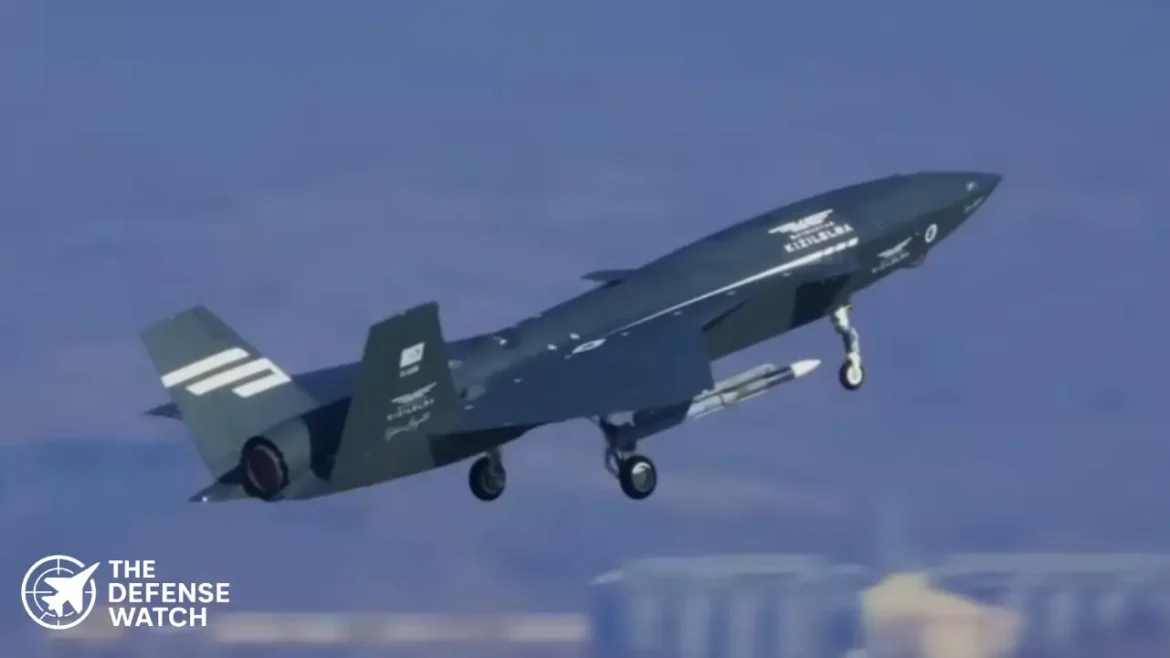
Indonesia’s planned acquisition of up to 60 Kizilelma unmanned combat aerial vehicles (UCAVs) from Türkiye represents one of Southeast Asia’s most ambitious drone modernization efforts to date. The agreement, reported by multiple defense outlets, would mark the first export success for the Turkish-developed unmanned fighter platform.
Developed by Turkish defense company Baykar, the Kizilelma is designed as a high-performance stealth-capable UCAV intended for air-to-air and strike missions. The aircraft has drawn international attention because of its jet-powered configuration, autonomous flight features, and compatibility with modern network-centric warfare concepts.
The potential Indonesia Kizilelma drone deal comes as regional militaries increasingly prioritize unmanned systems capable of operating in contested environments while reducing pilot risk.
Indonesia could receive as many as 60 aircraft under the arrangement, although detailed delivery timelines and financial terms have not yet been publicly disclosed.
What Is The Kizilelma UCAV?
Baykar Kizilelma is part of Türkiye’s broader effort to establish an indigenous high-end defense manufacturing base capable of competing in global aerospace markets.
Unlike many traditional medium-altitude drones optimized mainly for surveillance or precision strike missions, Kizilelma has been designed to operate in more contested airspace. The aircraft incorporates reduced radar signature features, high-speed maneuverability, and artificial intelligence-assisted flight control systems.
Baykar has stated previously that the UCAV is intended to support missions including:
- Air superiority support
- Deep strike operations
- Suppression of enemy air defenses
- Maritime strike missions
- Intelligence and reconnaissance operations
The aircraft is also expected to operate from short-deck carriers and expeditionary platforms, including Türkiye’s TCG Anadolu amphibious assault ship.
Analysts have noted that Kizilelma reflects a broader shift toward loyal wingman and unmanned combat concepts being pursued by several major powers, including the United States, China, and Russia.
Why Indonesia Is Expanding Its Drone Capabilities
Indonesia has steadily increased defense modernization spending in recent years amid evolving security concerns across the Indo-Pacific region. The country faces complex maritime security requirements due to its vast archipelagic geography and strategic position near key sea lanes.
The addition of Kizilelma UCAVs could significantly expand Indonesia’s ability to conduct long-range surveillance and strike operations across maritime zones and remote island chains.
Jakarta has also sought to diversify defense procurement sources beyond traditional Western suppliers. Türkiye has emerged as an increasingly important defense partner for several Asian and Middle Eastern states because of its competitive pricing, rapid production capability, and fewer export restrictions compared to some Western systems.
Indonesia and Türkiye have already cooperated in multiple defense sectors, including armored vehicles, aerospace programs, and drone technology.
The potential acquisition also aligns with broader trends in Southeast Asia, where regional powers are accelerating investments in unmanned systems, electronic warfare capabilities, and long-range precision strike assets.
Türkiye’s Defense Export Ambitions Continue To Grow
Türkiye’s defense industry has expanded rapidly over the past decade, particularly in the unmanned systems sector. Baykar gained international prominence after the operational success of the Bayraktar TB2 in several conflict zones, including Libya, Nagorno-Karabakh, and Ukraine.
The Kizilelma program represents the next phase of Türkiye’s ambition to move beyond tactical drones into advanced combat aviation technologies traditionally dominated by a small number of aerospace powers.
A successful Indonesia Kizilelma drone deal would provide Türkiye with a major export breakthrough for a next-generation combat UAV platform. It could also strengthen Ankara’s defense ties across Southeast Asia and reinforce its position as a growing global arms supplier.
Defense observers also view the deal as evidence of increasing international demand for lower-cost alternatives to Western stealth aircraft and advanced manned combat systems.
Strategic Implications For Southeast Asia
The introduction of stealth-capable unmanned fighters into Southeast Asia could influence regional military planning, particularly in maritime security and airpower competition.
Several countries in the Indo-Pacific are now integrating drones into operational doctrine for surveillance, strike, and electronic warfare missions. Indonesia’s planned acquisition may encourage neighboring states to accelerate similar procurement programs.
While Kizilelma is not a direct replacement for conventional fighter aircraft, it offers an additional layer of operational flexibility. UCAVs can perform high-risk missions with reduced personnel exposure and potentially lower operational costs compared to manned fighter fleets.
The platform’s autonomous capabilities may also support future integration with manned aircraft in coordinated combat operations.
Netherlands CCA Prototypes Backed To Advance F-35 Drone Teaming
The Netherlands CCA prototypes decision marks a notable step in allied participation in the United States Air Force push to field Collaborative Combat Aircraft, autonomous or semi autonomous drones designed to operate with crewed fighters such as the F-35 Lightning II.
KEY FACTS AT A GLANCE- The Netherlands will finance two US Air Force Collaborative Combat Aircraft prototype efforts.
- The move is intended to build operational knowledge in F-35 drone teaming concepts.
- CCA platforms are designed to fly alongside crewed fighters as force multipliers.
- Dutch participation highlights allied interest in future autonomous combat aviation.
- The project may shape future NATO airpower integration and procurement choices.
Dutch funding will support two US Air Force prototype efforts aimed at helping the Netherlands develop practical experience in future manned unmanned teaming operations. The focus centers on how unmanned aircraft can extend the combat value of the Dutch F-35 fleet.
The Dutch Air Force already operates the F-35A, making it one of the most relevant European operators for early experimentation with drone wingmen. Rather than waiting for a mature export product, the Netherlands appears to be buying access to learning, testing, and concept development now.
Why Collaborative Combat Aircraft Matter
The US Air Force CCA program is one of Washington’s highest priority aviation modernization efforts. These aircraft are expected to perform missions such as:
- Forward sensing and ISR
- Electronic warfare support
- Weapons carriage
- Decoy operations
- Attritable strike missions
- Extending fighter range and survivability
In practical terms, a formation of one piloted fighter and multiple unmanned teammates could cover more airspace, carry more weapons, and accept higher risk than traditional fighter packages.
That matters for NATO air forces facing increasingly dense air defenses, long range missiles, and growing peer competition.
Why The Netherlands Is Moving Early
The Netherlands is a relatively small but technologically advanced NATO air power. It often prioritizes interoperability with the United States and alliance partners. Funding Netherlands CCA prototypes gives Dutch planners several advantages.
First, it creates early insight into doctrine, training, data links, autonomy rules, and sustainment demands.
Second, it helps ensure future CCA systems can integrate with Dutch F-35 operations rather than being retrofitted later.
Third, it positions the Netherlands to influence future NATO standards in manned unmanned teaming.
This is a strategic move, not simply a procurement move.
Implications For Europe And NATO
European air forces are watching the US CCA effort closely. Nations operating the F-35, including United Kingdom, Italy, Norway, Denmark, and Belgium, face the same question: how to increase combat mass without buying large numbers of expensive crewed fighters.
CCA type systems may offer one answer.
If the Dutch effort proves useful, other European operators may seek similar partnerships or domestic programs linked to their F-35 fleets.
Challenges Still Ahead
Despite the momentum, several issues remain unresolved:
- Rules for autonomous engagement decisions
- Secure communications in contested environments
- Cost per aircraft and sustainment burden
- Integration with NATO command networks
- Industrial participation for partner nations
These questions will determine whether CCA becomes a niche capability or a standard part of future air forces.
Strategic Outlook
The Netherlands CCA prototypes initiative is important because it shows allied governments are no longer treating loyal wingman systems as distant concepts. They are beginning to invest now, while doctrine and technology are still forming.
That could give smaller but advanced air forces a way to stay relevant in high end warfare without matching larger powers aircraft for aircraft.
For the United States, Dutch participation also sends a clear signal: allies want in on the next generation of air combat.
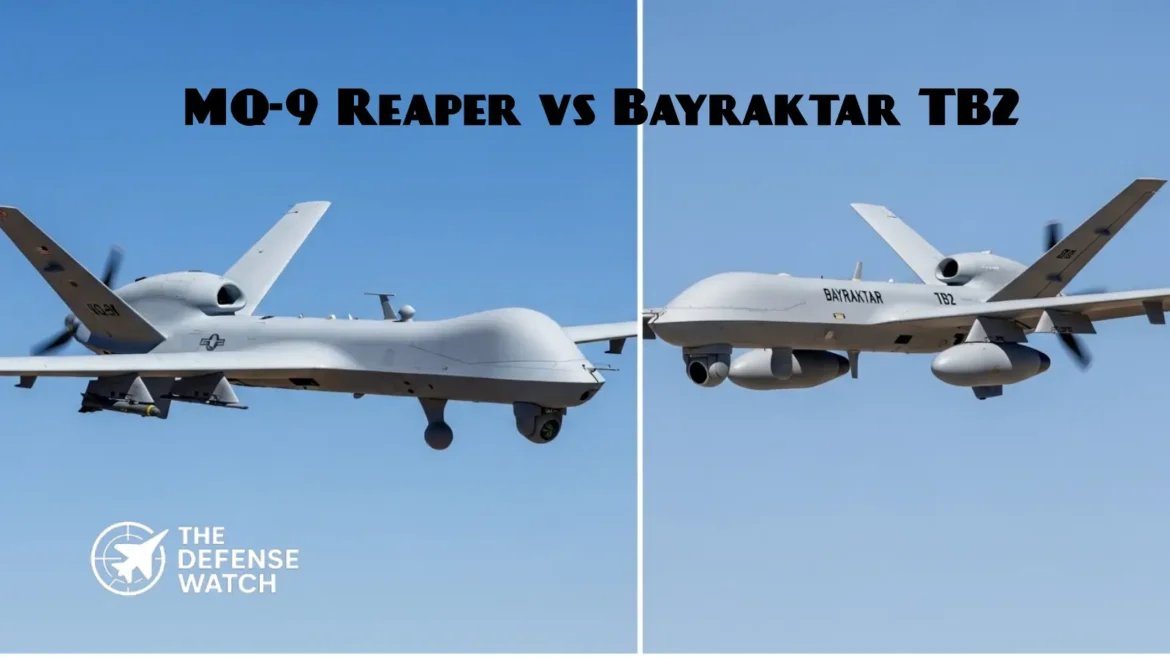
MQ-9 Reaper vs Bayraktar TB2 Payload Capacity
The MQ-9 Reaper vs Bayraktar TB2 payload capacity debate matters because armed drones now shape modern warfare. From counterterror missions in the Middle East to high-intensity conflicts in Eastern Europe, unmanned aircraft have become a core military tool. The United States built the MQ-9 Reaper as a high-end hunter-killer platform with long endurance and heavy strike capability. Turkey developed the Bayraktar TB2 as a lower-cost tactical drone designed for persistent surveillance and precision attack.
Both systems gained global attention through real combat operations. The MQ-9 became a symbol of American remote strike power. The TB2 became famous after conflicts in Libya, Nagorno-Karabakh, and Ukraine. But when comparing combat value, one key metric stands out: payload capacity.
Payload determines how many sensors, bombs, missiles, and fuel tanks a drone can carry. In simple terms, it shapes how much damage a UAV can deliver in a single sortie.
MQ-9 Reaper vs Bayraktar TB2 Specifications Table
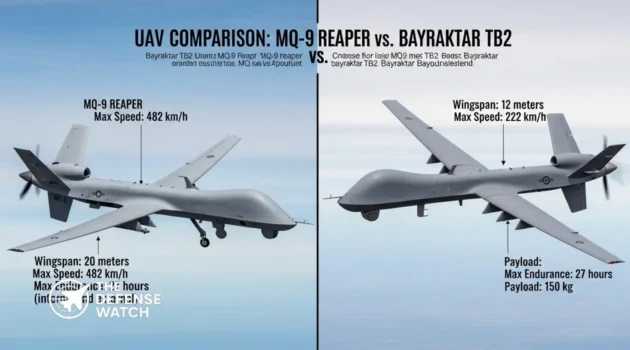
Specification MQ-9 Reaper Bayraktar TB2 Country United States Turkey Manufacturer General Atomics Baykar Role MALE strike UAV Tactical UCAV First Service Entry 2007 2014 Max Payload 3,800 lb (1,700+ kg) 330 lb (150 kg) Max Speed 300+ mph 135 mph Endurance 27+ hours 24+ hours Wingspan 66 ft 39 ft Range Global SATCOM capable 150+ km LOS, newer SATCOM variants longer Crew Remote crew Remote crew Estimated Unit Cost $30M+ $5M to $10M (varies) MQ-9 Reaper vs Bayraktar TB2 Design and Technology
The MQ-9 Reaper is a larger and heavier aircraft built for strategic missions. It uses satellite communications, advanced electro-optical sensors, synthetic aperture radar, and multi-target tracking systems. This allows operations across continents with real-time data links.
The Bayraktar TB2 is smaller, lighter, and optimized for affordability. It focuses on battlefield surveillance and precision strikes at lower operating cost. Its smaller radar signature can help survivability, but it lacks the size and power generation of the Reaper.
In short, the Reaper is a long-range military truck in the sky. The TB2 is a lighter battlefield scout with strike capability.
MQ-9 Reaper vs Bayraktar TB2 Payload Capacity and Firepower
This is where the gap becomes clear.
MQ-9 Reaper Payload Capacity
The MQ-9 Reaper can carry roughly 3,800 pounds of payload across multiple hardpoints. That includes:
- AGM-114 Hellfire missiles
- GBU-12 Paveway II laser-guided bombs
- GBU-38 JDAM
- ISR sensor packages
- Fuel tanks and mixed loads
A Reaper can conduct surveillance and strike multiple targets in one mission.
Bayraktar TB2 Payload Capacity
The TB2 carries around 150 kilograms (330 pounds) total. Typical weapons include:
- MAM-L smart micro munition
- MAM-C lightweight guided bomb
- EO/IR sensors
This means the TB2 usually carries four small precision munitions rather than heavy bombs.
Verdict on Payload
In pure carrying capacity, the MQ-9 Reaper dominates. It can haul more than ten times the payload of the TB2.
Operational Range and Mobility
The Reaper benefits from U.S. satellite network integration. It can operate at long distances and remain on station for many hours. This gives commanders strategic reach.
The TB2 was originally line-of-sight controlled, which limited distance. Newer export variants added SATCOM options, improving range. Still, it is generally better suited for regional operations rather than global expeditionary warfare.
Combat Effectiveness in Real Conflicts
MQ-9 Reaper Combat Record
The MQ-9 has seen extensive use in:
- Afghanistan
- Iraq
- Syria
- Horn of Africa
- Maritime surveillance missions
It proved effective in ISR and precision strike roles against insurgent and terrorist targets.
Bayraktar TB2 Combat Record
The TB2 gained fame in:
- Libya
- Syria
- Nagorno-Karabakh War
- Ukraine (early conflict phase)
It helped destroy tanks, artillery, and air defense systems when enemy defenses were weak or poorly coordinated.
Battlefield Reality
Against advanced integrated air defense systems, both drones face risk. Neither is stealthy. But the larger Reaper is a higher-value target, while the cheaper TB2 is easier to replace.
Cost and Export Value
The MQ-9 Reaper is expensive and tightly controlled under U.S. export rules. Buyers include close partners such as the UK, Italy, India, and others.
The Bayraktar TB2 became a major export success because it offers lower cost and proven combat performance. Countries in Europe, Africa, the Middle East, and Asia bought it.
Turkey used TB2 exports to grow influence abroad. The United States uses Reaper sales more selectively with trusted allies.
MQ-9 Reaper vs Bayraktar TB2 Who Wins?
It depends on mission type.
MQ-9 Reaper Wins If You Need:
- Heavy payload capacity
- Long-range strategic operations
- Multi-target strike missions
- Advanced sensors and networking
- Integration with U.S./NATO systems
Bayraktar TB2 Wins If You Need:
- Lower purchase price
- Affordable operating costs
- Tactical battlefield strikes
- Rapid export delivery
- Easier fleet scaling
U.S. Defense View
The U.S. military sees the Reaper as a premium ISR-strike platform. It is not just a drone, it is part of a larger networked warfare system. The TB2 is respected as a disruptive low-cost combat UAV, but it serves a different market segment.
Conclusion
The MQ-9 Reaper vs Bayraktar TB2 payload capacity comparison is not close on raw numbers. The MQ-9 Reaper carries far more weapons, sensors, and mission equipment. It is built for strategic reach and sustained combat power.
The Bayraktar TB2, however, wins on affordability, accessibility, and export success. It offers many countries armed drone capability without U.S.-level costs.
So which system has the edge?
- For major military powers, the MQ-9 Reaper is stronger.
- For budget-conscious buyers, the TB2 is highly effective.
- For payload capacity alone, the MQ-9 Reaper is the clear leader.
FAQ: MQ-9 Reaper vs Bayraktar TB2
Which drone has higher payload capacity, MQ-9 Reaper or Bayraktar TB2?The MQ-9 Reaper by a wide margin. It carries over 3,800 pounds versus about 330 pounds for the TB2.
Is the Bayraktar TB2 cheaper than the MQ-9 Reaper?Yes. The TB2 is significantly cheaper to buy and operate.
Can the Bayraktar TB2 defeat the MQ-9 Reaper?They are not designed for direct dogfights. They serve different mission roles.
Why is the MQ-9 Reaper important to the U.S. military?It provides long-range surveillance and precision strike capability with global reach.
Why did the TB2 become famous?Its combat use in Ukraine, Libya, and Nagorno-Karabakh made it globally recognized.
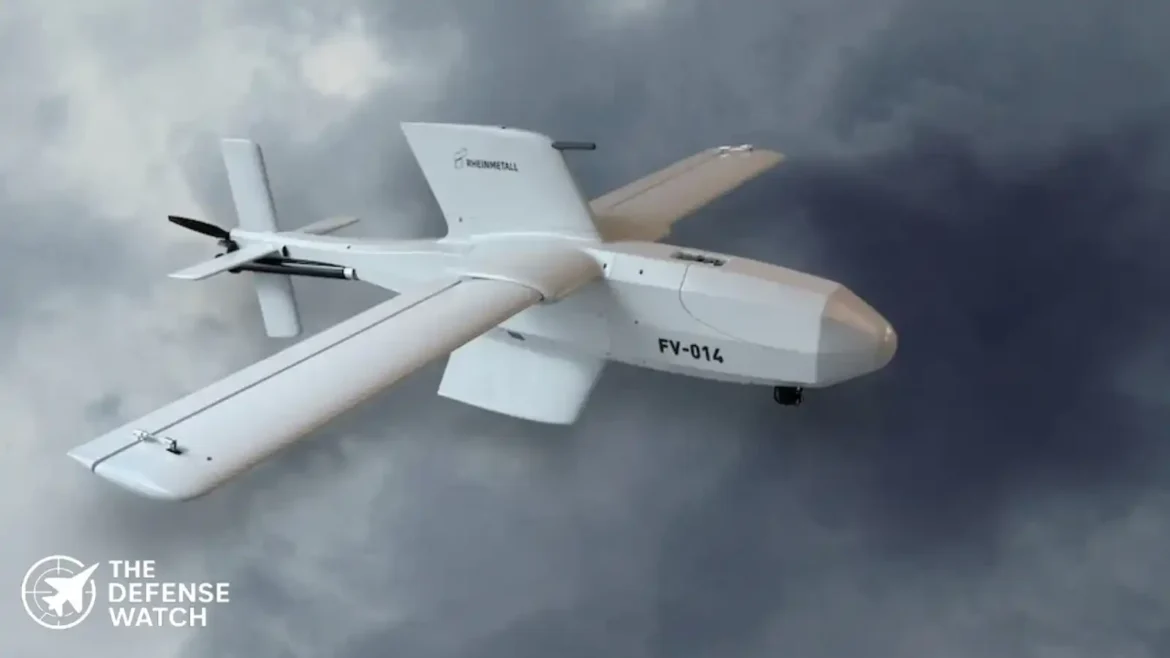
Rheinmetall FV-014 Contract Signals Germany’s Drone Warfare Push
Rheinmetall has secured a multi-billion-euro Bundeswehr contract for its FV-014 loitering munition system, marking one of Germany’s most significant recent investments in autonomous battlefield strike drones. The agreement covers large-scale supply of the system to the German Army, with first deliveries planned for the first half of 2027.
The first confirmed order under the framework agreement is valued at approximately €300 million. Additional optional purchases could raise the total program into the multi-billion-euro range, according to company and media reporting.
¦ KEY FACTS AT A GLANCE- :contentReference[oaicite:0]{index=0} signed a framework agreement worth billions of euros to supply the German Army with FV-014 loitering munitions.
- Initial call-off value is about €300 million, with deliveries set to begin in the first half of 2027.
- The framework agreement reportedly includes options for a five-figure quantity of autonomous reconnaissance and strike drones.
- FV-014 has a range of up to 100 km, endurance of 70 minutes, and a 4 kg warhead.
- The system is being positioned as part of Germany’s rapid modernization of battlefield drone capabilities.
For Germany, the move reflects a broader shift in military procurement priorities. The war in Ukraine has highlighted the battlefield value of loitering munitions, systems that combine surveillance, target tracking, and precision strike functions at lower cost than many conventional missiles.
What Is The FV-014?
The FV-014 is a one-way autonomous strike drone designed to locate, observe, and attack targets after launch. Rheinmetall says the munition can remain airborne for up to 70 minutes, strike targets at ranges up to 100 kilometers, and carries a warhead of roughly 4 kilograms.
Unlike traditional artillery, loitering munitions can circle over a target area while operators confirm targets before impact. That gives commanders a flexible tool for engaging mobile vehicles, artillery, air defense radars, and command posts.
The system is also fully produced within the European Union, an important point as European governments seek secure domestic supply chains for ammunition, missiles, and drone systems.
Why This Deal Matters Now
Germany has faced pressure to strengthen both readiness and industrial capacity after years of underinvestment. Procurement of loitering munitions suggests Berlin is not only buying equipment, but adapting to how modern wars are being fought.
The Bundeswehr has increasingly emphasized rapid precision fires, survivable unmanned systems, and scalable stockpiles. The FV-014 fits all three needs.
This contract also boosts Rheinmetall’s position in Europe’s fast-growing drone weapons market. The company is already a major supplier of armored vehicles, artillery ammunition, and air defense systems. Expanding into strike drones broadens its role in future land warfare programs.
Competitive Landscape In Europe
Germany’s defense market has recently seen competition from newer drone-focused firms, including Helsing and Stark. Rheinmetall’s success with the FV-014 shows legacy defense primes can still compete if they can industrialize production quickly.
That may be the real strategic takeaway. Winning prototypes is one thing. Delivering thousands of systems on schedule is another. European militaries now need both innovation and factory scale.
Outlook For 2027 Deliveries
If qualification milestones proceed on time, deliveries beginning in 2027 could give frontline Bundeswehr units a significant new precision strike capability. It may also shape future NATO procurement decisions, especially among countries looking for European-made alternatives to imported loitering munitions.
As militaries race to field affordable autonomous weapons, the Rheinmetall FV-014 contract shows Germany intends to be both a buyer and producer in that market.
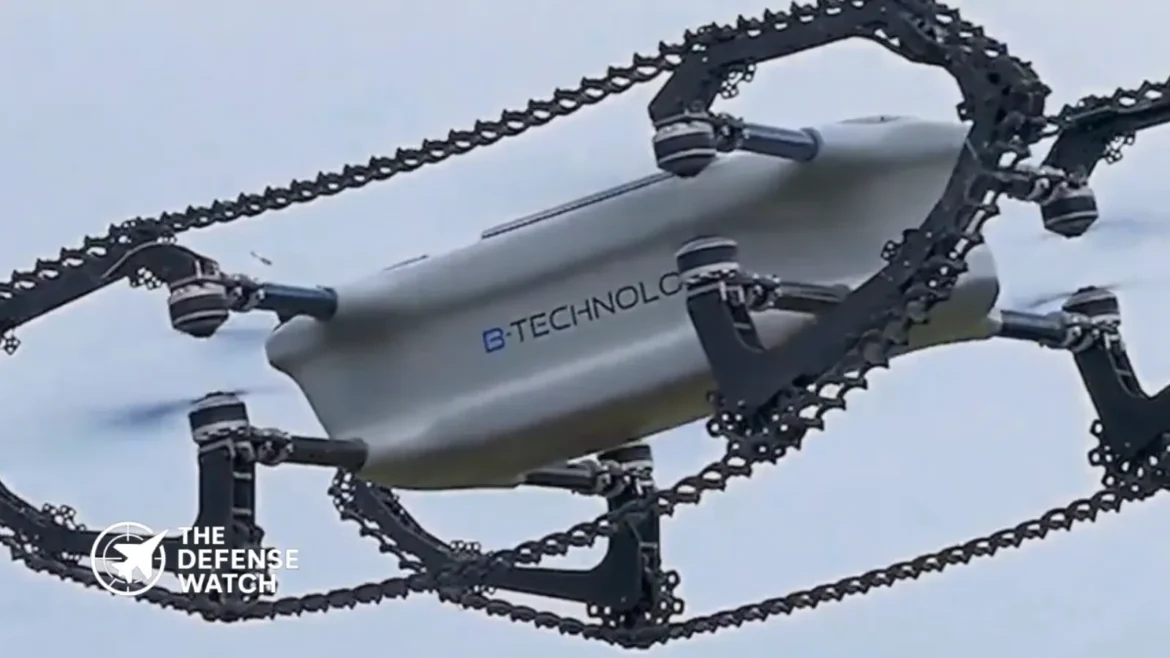
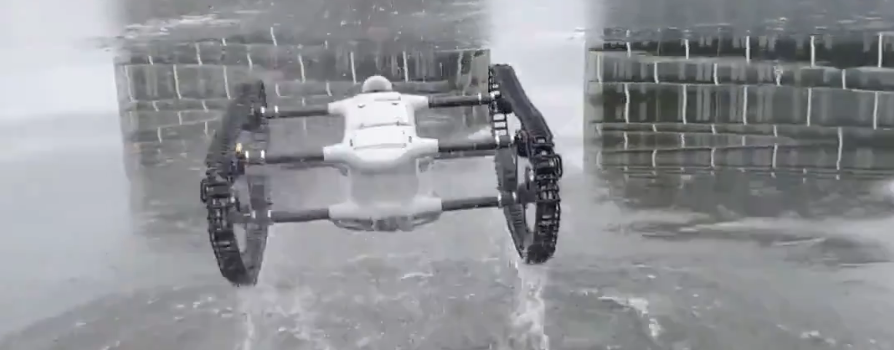
Poland’s Xerall ATD All-Terrain Drone Targets Multi-Domain Rescue Missions
The Xerall ATD all-terrain drone developed by Xerall represents a new approach to unmanned systems by combining air, land, and water mobility in a single platform designed for high-risk environments.
The system is engineered to operate across multiple domains without requiring platform changes, allowing it to fly, drive, and swim depending on mission requirements. It also features vertical takeoff and landing, enabling deployment in confined or infrastructure-limited areas.
¦ KEY FACTS AT A GLANCE- Poland-based Xerall developed the Xerall ATD, a multi-domain drone capable of air, land, and water operations.
- The system features vertical takeoff and landing and can transition between flying, driving, and swimming modes.
- Designed for extreme environments, the drone supports search and rescue missions in hazardous or inaccessible areas.
- The platform aims to reduce risk to human responders during disaster relief and emergency operations.
- The development reflects growing demand for multi-role unmanned systems across civilian and defense sectors.
This combination addresses a persistent gap in search and rescue operations, where terrain and environmental constraints often delay response times or limit access altogether.
Designed For High-Risk And Complex Environments
The Xerall ATD all-terrain drone is primarily aimed at search and rescue missions, particularly in areas that are difficult or dangerous for human responders. These include flood zones, mountainous terrain, collapsed urban structures, and remote wilderness areas.
Its amphibious capability allows it to transition seamlessly between water and land, a key advantage during flooding or maritime emergencies. Meanwhile, aerial mobility provides rapid situational awareness and access to otherwise unreachable locations.

Such versatility reduces reliance on multiple specialized systems, which can complicate logistics and increase operational costs during time-sensitive missions.
From an operational standpoint, the platform could support first responders by delivering supplies, conducting reconnaissance, or locating survivors without exposing personnel to immediate danger.
Growing Demand For Multi-Domain UAV Systems
The development of the Xerall ATD all-terrain drone aligns with broader trends in unmanned systems, where flexibility and multi-role capability are increasingly prioritized.
Defense and emergency management agencies are seeking platforms that can adapt to diverse mission sets while minimizing deployment complexity. Traditional UAVs, while effective in aerial roles, often lack the ability to operate once grounded or in aquatic environments.
By contrast, hybrid systems like the Xerall ATD aim to bridge that gap. Similar concepts have been explored globally, but practical, field-ready implementations remain limited.
Industry analysts note that multi-domain drones could play a critical role in future disaster response frameworks, particularly as climate-related emergencies increase in frequency and severity.
Operational Implications And Potential Use Cases
While the Xerall ATD all-terrain drone is positioned primarily for civilian applications, its underlying technology has clear dual-use potential.
Military forces could employ such systems for reconnaissance in contested or denied environments, especially in areas with mixed terrain such as coastal regions or riverine zones. The ability to operate across domains without manual intervention offers tactical flexibility and reduces exposure of personnel.
In addition, the platform could support logistics missions in austere environments, where conventional vehicles or aircraft face limitations.
However, adoption will depend on factors such as endurance, payload capacity, and system reliability under real-world conditions, areas that typically determine whether emerging UAV technologies transition from prototype to operational deployment.
Technology Integration And Future Outlook
The Xerall ATD all-terrain drone highlights ongoing innovation within the European unmanned systems sector, where smaller firms are increasingly contributing to niche capability development.
As governments and agencies prioritize resilience and rapid response, demand for adaptable systems is expected to grow. Platforms capable of multi-environment operation may become a standard component of future emergency response and defense toolkits.
At the same time, integration with existing command and control systems, as well as regulatory considerations, will shape how quickly such technologies are adopted at scale.
¦ KEY FACTS AT A GLANCE- General Atomics is studying integration of long-range cruise missiles on the MQ-9B SkyGuardian and SeaGuardian drones.
- Candidate weapons include the AGM-158 JASSM, AGM-158C LRASM, and the Joint Strike Missile (JSM).
- The capability aims to expand MQ-9B missions from ISR to long-range maritime and land strike.
- General Atomics plans to test flight integration of at least one of these weapons as early as 2026.
- The concept supports distributed operations across vast theaters such as the Western Pacific.
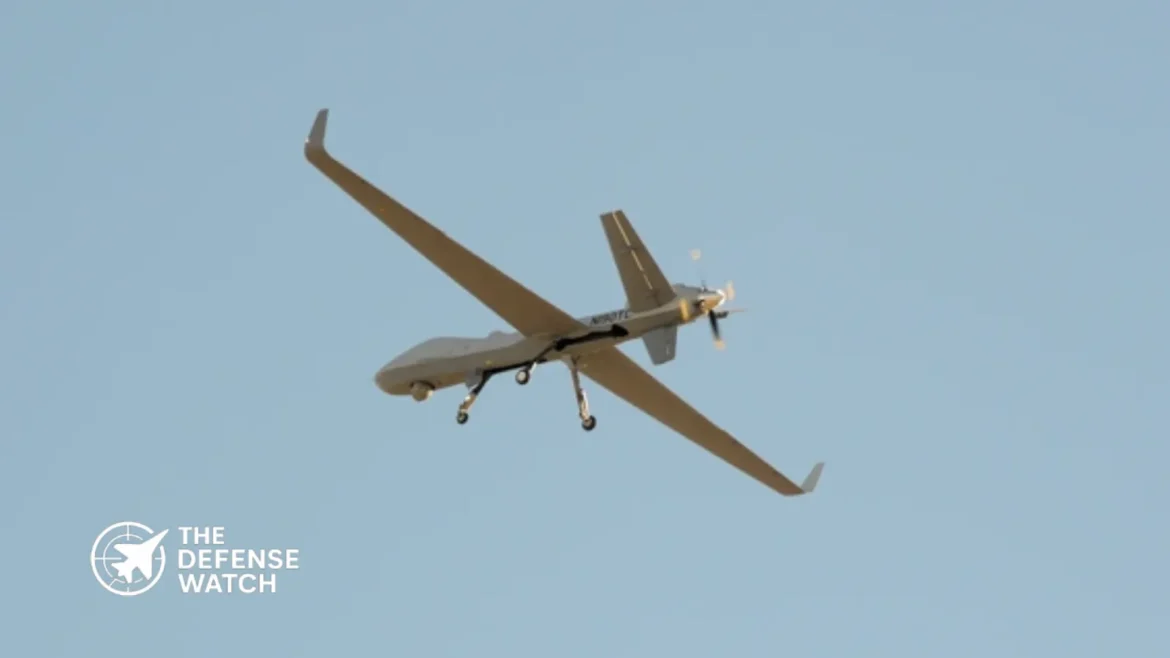
MQ-9B Long Range Missile Integration Expands Drone Strike Potential
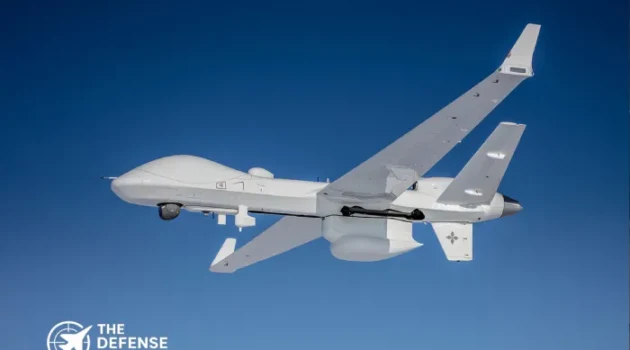
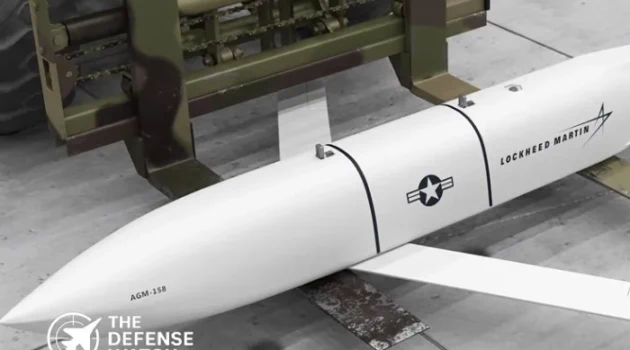
MQ-9B long range missile integration is being explored by General Atomics Aeronautical Systems Inc. as the company examines ways to equip its flagship unmanned aircraft with advanced cruise missiles such as the AGM-158 Joint Air-to-Surface Standoff Missile (JASSM), AGM-158C Long-Range Anti-Ship Missile (LRASM), and the Joint Strike Missile (JSM).
The initiative aims to expand the MQ-9B SkyGuardian and SeaGuardian platforms beyond their traditional intelligence, surveillance, and reconnaissance roles and into long-range precision strike missions.
If successful, the integration would mark a major shift in how medium-altitude long-endurance (MALE) drones contribute to high-end combat operations.
The Big Picture
U.S. and allied militaries increasingly seek distributed strike capabilities that can operate across large geographic areas without relying solely on manned aircraft.
Platforms capable of launching long-range precision weapons from outside hostile air defense zones are becoming central to modern operational concepts. The Indo-Pacific theater in particular presents vast distances that complicate traditional force projection.
Unmanned aircraft like the MQ-9B offer several advantages in this environment. They can remain airborne for extended periods, operate at relatively low cost compared with manned strike aircraft, and maintain persistent surveillance over potential targets.
Adding cruise missiles to such platforms effectively transforms them into long-range strike nodes within a distributed network of sensors and shooters.
What’s Happening
General Atomics announced in February 2026 that it is developing the ability for the MQ-9B to carry extended-range precision weapons.
Engineers are evaluating how the aircraft’s payload capacity, aerodynamic stability, range, and mission systems can support heavier weapons such as:
- AGM-158 JASSM long-range land-attack missile
- AGM-158C LRASM anti-ship missile
- Joint Strike Missile developed by Kongsberg and Raytheon
These weapons would allow the MQ-9B to engage heavily defended land targets or high-value naval assets from significant stand-off distances.
General Atomics said it intends to conduct flight testing with at least one of the missile types as early as 2026.
The company is examining how the additional weight and aerodynamic loads of these weapons affect the aircraft’s performance envelope.
Why It Matters
Equipping MQ-9B drones with long-range cruise missiles would significantly expand the operational role of unmanned aircraft in high-intensity conflict.
Traditionally, MQ-9 family drones have focused on ISR missions and limited precision strikes using smaller weapons such as Hellfire missiles or guided bombs. Integrating cruise missiles capable of traveling hundreds of kilometers changes that model.
Instead of operating near the battlefield, MQ-9B drones could remain well outside contested airspace while still delivering precision strikes.
This approach offers several advantages:
Persistent targeting capability
Lower operational cost compared with manned aircraft
Reduced risk to pilots
Greater flexibility for distributed operationsThe concept also aligns with emerging U.S. military doctrines emphasizing networked kill chains and multi-domain operations.
Strategic Implications
The addition of long-range cruise missiles could transform the MQ-9B into a distributed strike platform capable of supporting joint and coalition operations.
In maritime scenarios, an MQ-9B equipped with LRASM or JSM could help locate and engage hostile naval forces while coordinating with surface ships, submarines, and aircraft.
In land warfare, JASSM integration would allow the drone to target high-value infrastructure, command nodes, or air defense systems from extended distances.
Because the MQ-9B can remain airborne for many hours, it could loiter in designated areas waiting for targeting data before launching weapons.
This persistence provides commanders with additional flexibility compared with traditional strike aircraft that must return to base more frequently.
Competitor View
China and Russia closely monitor developments in unmanned strike capabilities, particularly those that enable long-range precision attacks.
Both countries have invested heavily in integrated air defense systems designed to deny access to contested regions. Weapons launched from outside these defensive envelopes complicate those strategies.
From Beijing’s perspective, MQ-9B platforms equipped with anti-ship missiles could enhance allied maritime strike capabilities in the Western Pacific. Such systems could contribute to distributed maritime operations targeting naval assets at extended ranges.
Moscow is also expanding its own unmanned strike programs, including long-range drones and cruise missile carriers.
The global competition in unmanned combat capabilities continues to accelerate as states seek cost-effective alternatives to traditional airpower.
What To Watch Next
Several milestones will determine whether the MQ-9B long range missile concept becomes operational.
First, engineers must validate the aircraft’s ability to safely carry and release heavier cruise missiles without compromising flight stability.
Second, integration with targeting networks and command systems will be critical. Long-range weapons require accurate targeting data that often comes from multiple sensors across the battlefield.
Third, export customers may influence the program’s trajectory. Many MQ-9B operators, including the United Kingdom, Japan, and India, could benefit from expanded strike capabilities.
Future demonstrations in 2026 will provide the first real indication of how viable the concept is in operational terms.
Capability Gap
Modern military planners face a growing challenge in maintaining persistent strike options across large theaters while minimizing risk to manned aircraft.
Traditional fighter aircraft provide speed and survivability but have limited endurance compared with unmanned platforms.
Meanwhile, surveillance drones provide persistence but historically lacked heavy strike capability.
Arming the MQ-9B with cruise missiles attempts to bridge that gap.
However, limitations remain. The drone’s speed and survivability are lower than those of stealth fighters, making it unsuitable for penetrating heavily defended airspace. Its role would likely focus on stand-off launch positions outside contested zones.
The Bottom Line
Integrating long-range cruise missiles on the MQ-9B could transform the drone from a surveillance platform into a persistent standoff strike asset for modern distributed warfare.
Newer Posts