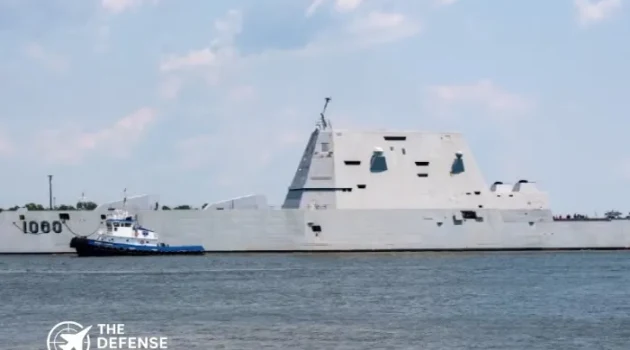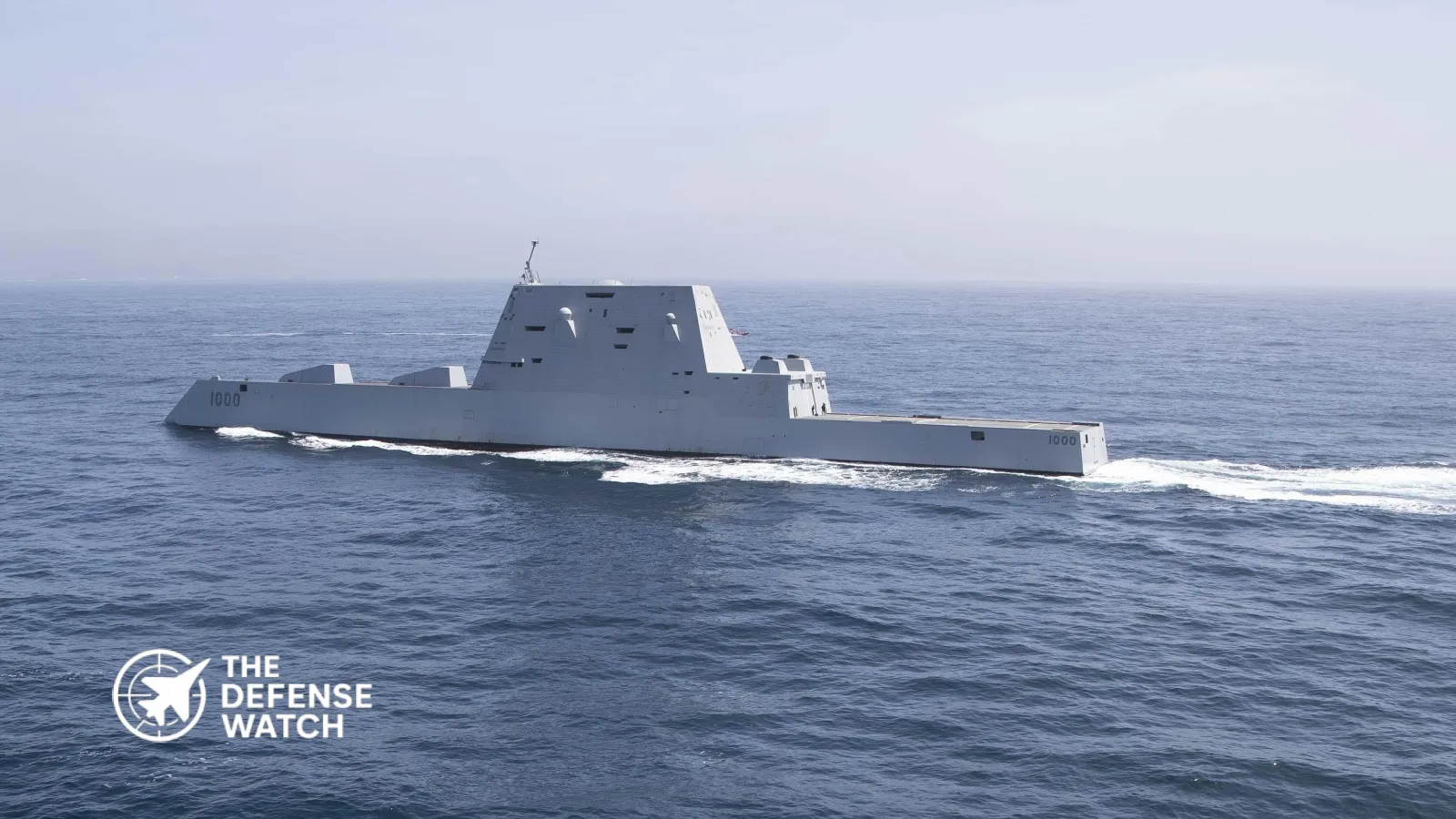
Zumwalt-Class Combat System Gets Fresh U.S. Navy Investment
The Zumwalt-class combat system is receiving another major funding injection after the U.S. Navy awarded Raytheon Missiles and Defense a $213.4 million contract modification to continue upgrades and sustainment work for the fleet’s mission systems. The award underscores Washington’s effort to preserve and expand the combat value of one of its most technologically ambitious surface combatant programs.
- Raytheon received a $213.4 million Navy contract modification for Zumwalt-class mission systems.
- Work covers installation, integration, testing, maintenance, corrections, and modernization.
- Upgrades support the Navy’s push to make Zumwalt destroyers more operationally relevant.
- Work runs across six U.S. states and is scheduled for completion by April 2027.
- Contract signals continued long-term investment in high-end surface warfare capabilities.
The Big Picture
The U.S. Navy is balancing two priorities at once: expanding fleet size while modernizing existing high-end warships for contested maritime operations. That strategy has become more urgent as the Indo-Pacific theater grows more competitive and long-range anti-ship missile threats continue to spread.
The three-ship Zumwalt-class destroyer program has often been debated because of its cost and reduced production run. Yet the vessels still offer unique advantages, including stealth shaping, integrated power generation, and large onboard capacity for future weapons or sensors. Continued investment suggests the Navy intends to extract maximum operational value from those advantages rather than treat the class as a niche experiment.
What’s Happening
According to the U.S. Department of Defense contract announcement, Raytheon will perform work supporting combat system installation, integration, development, testing, correction, maintenance, and modernization of Zumwalt-class mission systems.
The workshare includes:
- Portsmouth, Rhode Island (39%)
- Tewksbury, Massachusetts (32%)
- Pascagoula, Mississippi (14%)
- Nashua, New Hampshire (9%)
- San Diego, California (5%)
- Fort Wayne, Indiana (1%)
The contract is expected to run through April 2027.
Funding comes from multiple Navy accounts, including operations and maintenance, shipbuilding and conversion, procurement, and research and development. That mix indicates both near-term fleet sustainment and longer-term capability growth.
Why It Matters
Combat systems are the core of a modern destroyer. They connect sensors, command networks, weapons, electronic warfare tools, and targeting data into a single fighting architecture. Without constant software and hardware updates, even advanced hulls lose relevance quickly.
For the Zumwalt fleet, modernization is especially important because these ships were designed with significant growth margins. Their power generation and internal volume make them suitable candidates for future systems that require more electricity, cooling, or computing capacity.
That means the Zumwalt-class combat system can evolve faster than many legacy destroyers if funding remains steady.
Strategic Implications
The Navy increasingly needs distributed lethality, meaning more ships able to strike targets at range and operate independently in contested waters. Upgraded Zumwalt destroyers can support that concept by acting as stealthier surface strike platforms with advanced sensor integration.
The ships may also complement the larger Arleigh Burke-class destroyer fleet rather than replace it. Burkes provide numbers and proven versatility. Zumwalts can offer specialized high-end capability, especially in environments where lower radar signature and extra power capacity matter.
This contract also supports the U.S. industrial base across several states, sustaining engineering and naval combat system expertise that remains strategically valuable.
Competitor View
China and Russia closely track U.S. naval modernization, particularly programs involving long-range strike and advanced surface warfare networks. Continued upgrades to the Zumwalt class signal that the United States is not abandoning expensive but potentially high-payoff naval technologies.
Competitors may also view the decision as evidence that the Navy is preparing select premium platforms for future weapons integration, including next-generation missiles or energy-intensive systems.
Capability Gap
The Zumwalt program originally centered on land attack missions, but strategic needs shifted toward maritime competition against peer navies. That left a mission gap the Navy has been working to close.
Modernizing the Zumwalt-class combat system helps reposition the ships toward surface warfare and multi-domain operations. However, limitations remain. Only three hulls exist, which constrains fleet-wide impact, logistics efficiency, and deployment availability.
What To Watch Next
Several milestones will determine whether the modernization effort delivers full value:
- Integration of newer missile and sensor packages
- Software updates tied to joint force networks
- Readiness rates for all three ships
- Potential deployment patterns in the Pacific
- Future directed-energy or hypersonic weapon compatibility
The Bottom Line
The $213 million Raytheon award shows the U.S. Navy still sees the Zumwalt class as a valuable future combat asset rather than a legacy procurement problem.
Get real time update about this post category directly on your device, subscribe now.