

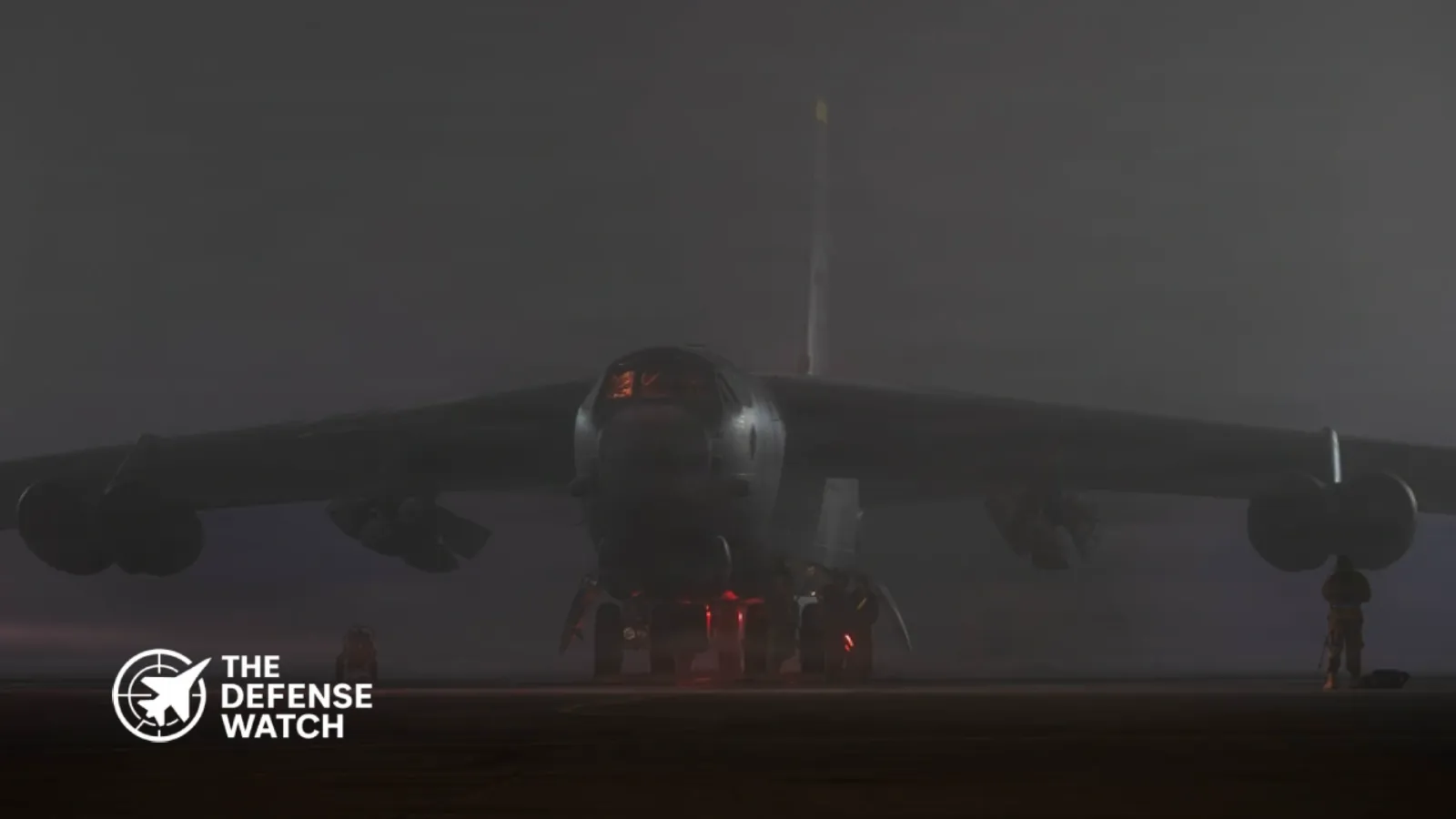
- The United States carried out a large-scale precision strike on Iran’s Kharg Island, targeting military facilities.
- U.S. forces reportedly struck more than 90 military targets including missile bunkers and naval mine storage sites.
- Kharg Island is Iran’s primary oil export hub, handling the majority of the country’s crude shipments.
- The strike deliberately avoided damaging oil infrastructure despite escalating tensions in the Persian Gulf.
- The operation highlights U.S. efforts to deter threats to shipping through the Strait of Hormuz.
US Bombs Kharg Island In Escalating Iran Conflict
The U.S. bombing of Kharg Island marks one of the most significant strikes in the current conflict with Iran, targeting military infrastructure at the country’s most critical oil export hub in the Persian Gulf.
U.S. forces conducted a large precision strike against Iranian military targets on the island while deliberately avoiding energy facilities, according to U.S. officials and statements from President Donald Trump.
The attack targeted multiple military installations, including missile storage sites, naval mine depots, and other facilities used by Iranian forces. Reports indicate that more than 90 military targets were struck during the operation.
Despite the scale of the strike, the island’s oil export infrastructure remained untouched, a decision the administration framed as an effort to avoid triggering a global energy shock.
The Big Picture
Kharg Island sits in the northern Persian Gulf, roughly 25 kilometers off Iran’s coast, and functions as the backbone of the country’s oil export system. The island handles the overwhelming majority of Iranian crude shipments to global markets.
Its strategic importance extends far beyond Iran’s domestic economy. Energy flows through the Persian Gulf are central to global oil markets, and any disruption to infrastructure in the region can quickly affect global supply and pricing.
The strike occurred amid rising tensions around the Strait of Hormuz, a narrow maritime chokepoint through which roughly one fifth of the world’s oil supply passes.
For U.S. policymakers, maintaining open sea lanes in this region remains a long-standing strategic objective.
What’s Happening
The U.S. operation targeted Iranian military assets located on Kharg Island, a heavily fortified site that hosts air defense systems, missile storage areas, and logistics facilities.
According to U.S. military statements:
- Naval mine storage facilities were destroyed
- Missile storage bunkers were targeted
- Additional Iranian military sites were struck
The attack forms part of the broader escalation in the 2026 Iran War, which began earlier in the year with strikes and counterstrikes across the Gulf region.
Iranian officials have warned that retaliation remains possible, raising concerns about attacks on U.S. forces or regional energy infrastructure.
Why It Matters
The U.S. strike on Kharg Island sends a clear signal about Washington’s priorities in the conflict.
Rather than targeting Iran’s economic lifeline directly, the United States focused on military capabilities that could threaten maritime traffic.
Naval mines and anti ship missiles stored on the island represent a major risk to commercial shipping in the Persian Gulf. By targeting these systems, the strike aims to reduce Iran’s ability to disrupt shipping lanes.
The decision to avoid oil infrastructure also reflects a broader strategic calculation. Destroying export facilities could significantly tighten global oil supply and trigger economic instability far beyond the Middle East.
Strategic Implications
The operation highlights how military planners balance escalation with deterrence.
By striking military targets but sparing the oil terminal, Washington appears to be signaling both capability and restraint.
The message is twofold.
First, U.S. forces can reach high value military sites deep inside Iranian territory.
Second, the United States still seeks to limit damage to global energy markets.
Kharg Island itself represents a critical node in Iran’s national economy. Analysts estimate the facility handles most of Iran’s crude exports and serves as the country’s primary loading terminal for tankers bound for Asia and Europe.
That makes the island both a military target and a powerful strategic lever.
Competitor View
Iran is likely to interpret the strike as a warning tied directly to maritime security in the Persian Gulf.
Tehran has previously threatened to disrupt traffic through the Strait of Hormuz if its own energy exports are restricted.
From Iran’s perspective, the attack could reinforce the perception that U.S. forces intend to degrade Iranian maritime strike capabilities while preserving leverage over energy infrastructure.
Russia and China will likely monitor the situation closely. Both countries rely heavily on Middle Eastern energy flows and maintain growing strategic ties with Iran.
A broader conflict that threatens shipping in the Gulf would affect global energy markets and international trade.
What To Watch Next
Several developments will shape the next phase of the conflict.
First, analysts will watch for Iranian retaliation against U.S. bases or allied infrastructure across the Gulf region.
Second, maritime security operations around the Strait of Hormuz may increase as Western navies seek to protect commercial shipping.
Third, additional U.S. deployments to the region could expand if the conflict escalates further.
Recent reports indicate Washington is already reinforcing its presence with additional naval forces and Marines in the region.
Capability Gap
The strike also highlights a key operational concern for the United States and its partners.
Iran has invested heavily in asymmetric maritime warfare capabilities designed to threaten commercial shipping and naval vessels.
These include:
- Naval mines
- Anti ship cruise missiles
- Fast attack craft
- Coastal missile batteries
By targeting these assets on Kharg Island, U.S. planners likely sought to reduce Iran’s ability to disrupt maritime trade routes.
However, Iran maintains similar capabilities across multiple bases along its coastline, meaning the threat to regional shipping remains.
The Bottom Line
The U.S. bombing of Kharg Island demonstrates Washington’s willingness to strike critical Iranian military infrastructure while avoiding direct disruption of global oil supplies.
