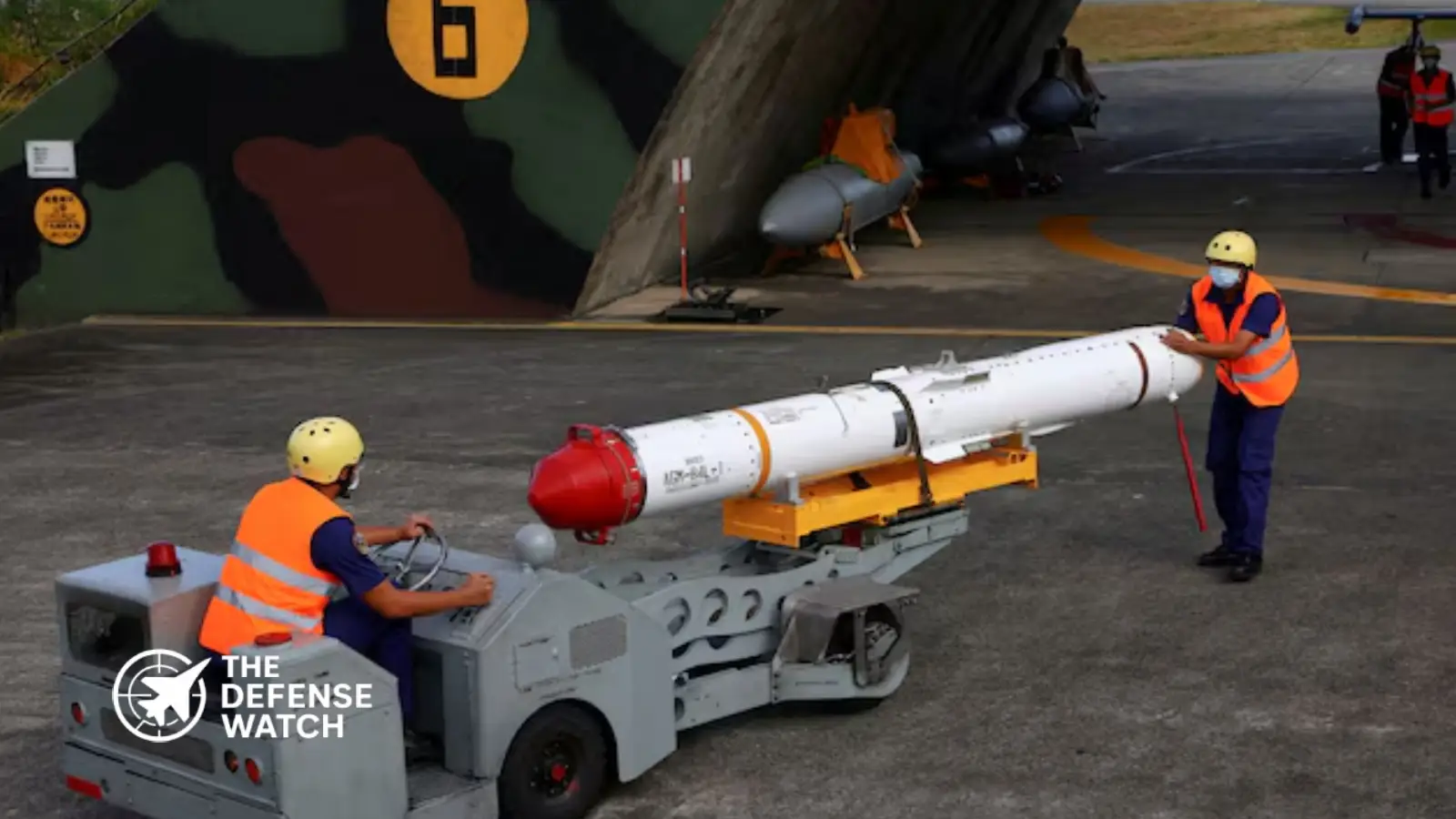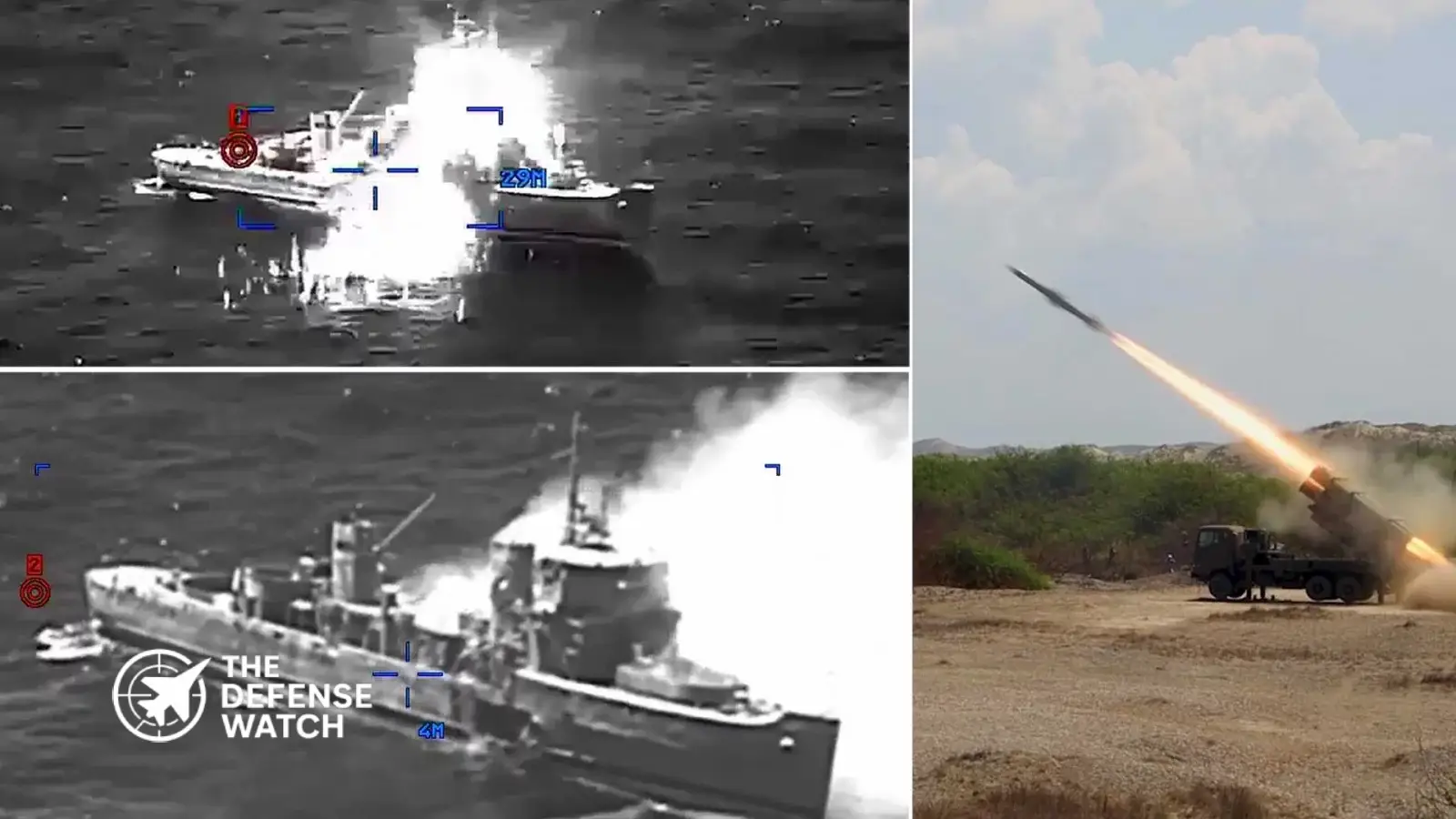
Iran has released footage of underground military facilities containing rows of truck-mounted missile launchers, offering a rare look at infrastructure that Tehran says supports its naval missile operations along the country’s southern coastline.
The video, circulated through Iranian state-linked media on November 3, 2026, shows a long underground tunnel containing missile-carrying vehicles and other military equipment. The release coincides with renewed tensions between Washington and Tehran, including US strikes on Iran’s Qeshm Island near the Strait of Hormuz and ongoing diplomatic efforts mediated by Qatar.
The footage provides evidence of Iran’s effort to display its underground military infrastructure. However, the exact location, missile models, facility dimensions and operational readiness of the systems shown have not been independently established.
Underground facilities and naval missile operations
Iranian state media identified the visitor in the footage as Abdollah Haji-Sadeghi, the supreme leader’s representative to the IRGC. He reportedly inspected naval missile tunnels in southern Iran, which Iranian media described as part of the Revolutionary Guard’s military infrastructure along the country’s southern coast.
The video contains several sequences, including:
- Long underground passages containing truck-mounted missile launchers.
- Rows of military vehicles and missile containers.
- IRGC personnel and officials inspecting the facility.
- Footage of missiles being launched from ground-based positions.
- Images presenting the facilities in the context of Iran’s coastal defense and Strait of Hormuz operations.
The launch sequences should not automatically be interpreted as demonstrations conducted at the same facility. The footage does not establish that all scenes were recorded at the same location or on the same date.

Iran has invested in underground military infrastructure partly to protect weapons and supporting equipment from air attacks. Dispersing mobile launchers inside protected facilities can also complicate an adversary’s efforts to identify, track and destroy missile units before they deploy.
For the IRGC Navy, coastal missile systems are particularly relevant because of the geography of the Persian Gulf and Strait of Hormuz.
The waterway connects the Persian Gulf with the Gulf of Oman and is a major route for international energy shipments. Iran’s ability to threaten commercial and military shipping in the area has long been an important component of its regional military strategy.
However, the footage does not establish the number of operational launchers, their missile types or the extent to which the displayed infrastructure could withstand sustained attacks.
US strikes on Qeshm Island increase pressure around Hormuz
The release comes shortly after American forces conducted strikes on Iran’s Qeshm Island, located near the Strait of Hormuz.
According to Reuters, US officials described the November 2 operation as defensive. One official said the strikes targeted Iranian surface-to-air missile systems that could threaten American assets. Another characterized the operation as limited rather than a resumption of major combat operations. Reuters+1
Qeshm is strategically important because of its position near the Strait of Hormuz and Iran’s southern coastline. Military infrastructure in this area can support operations affecting maritime movement through the Persian Gulf.
The latest American strikes demonstrate that Washington remains prepared to conduct limited military operations even while diplomatic contacts continue.
Iran, meanwhile, has warned that further US attacks would trigger a forceful response.
The IRGC claimed on November 3 that it had downed an American MQ-9 Reaper and two Lucas drones near the Strait of Hormuz. These are Iranian military claims and have not been independently established by the available reporting.
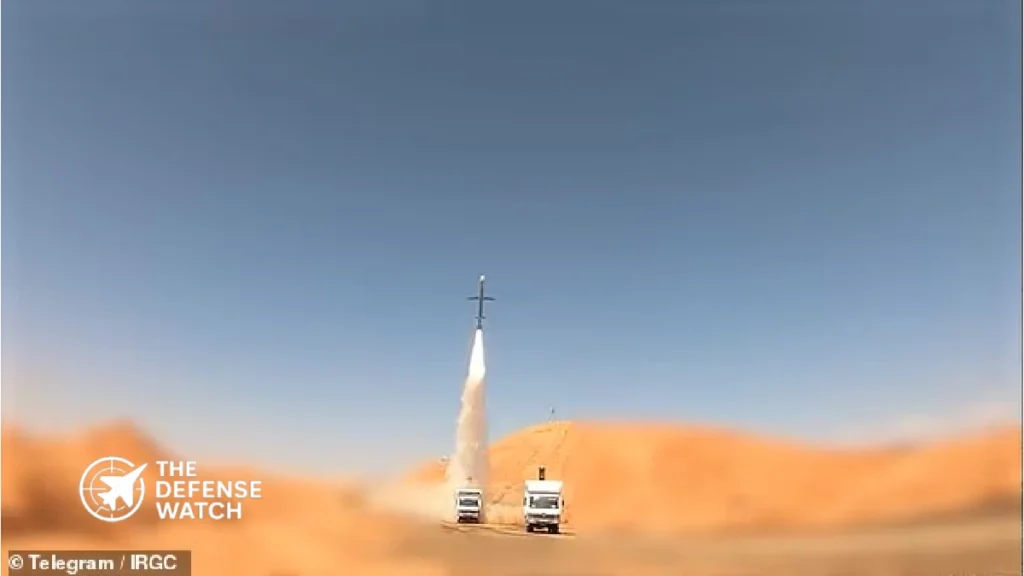
The MQ-9 Reaper is an unmanned aircraft used by the US military for intelligence, surveillance, reconnaissance and strike missions. The reported engagement, if independently confirmed, would add to the risks facing American unmanned aircraft operating near Iranian-controlled airspace.
Diplomacy continues despite preparations for possible escalation
Qatar is continuing diplomatic efforts to prevent the conflict from returning to large-scale combat.
Reuters reported on November 3 that Qatari mediators had travelled to Tehran to discuss proposals intended to narrow differences between Washington and Tehran. Both governments were reviewing proposals, although a senior Iranian official said the two sides remained far apart.
Iran has linked the reopening of the Strait of Hormuz to several conditions, including the lifting of oil-related sanctions, an end to the US naval blockade and the release of frozen Iranian funds.
Tehran has also indicated that nuclear negotiations cannot begin until its wider conditions are addressed.
President Donald Trump, meanwhile, has given mixed signals about the possibility of renewed military action. Reuters reported on November 3 that Trump had expressed doubts about launching another round of strikes, while continuing to warn that military action remained possible.
The diplomatic situation remains uncertain. The outcome will depend on whether the two governments can reach an agreement over sanctions, maritime restrictions and Iran’s nuclear program.
The financial cost of another military campaign
Any renewed American offensive would also come against the background of substantial existing military expenditure.
A Pentagon estimate provided to Congress placed the cost of the Iran war at approximately $47.1 billion through October 16, according to reporting by CBS News and The Associated Press.
Approximately $29 billion was attributed to replacing expended munitions, while another $6.1 billion covered the replacement of lost equipment. The estimate also included approximately $11.9 billion in additional operating costs. Damage to American military bases in the region was not included.
The scale of ammunition expenditure is particularly relevant to any renewed campaign. Precision-guided weapons, air defense interceptors and long-range missiles require substantial replacement funding and industrial capacity.
An extended conflict could place additional pressure on US missile inventories, aircraft availability and maintenance resources, particularly if Iran continues targeting American forces and regional infrastructure.
Nuclear strike speculation remains unsubstantiated
The possibility of a nuclear attack against Iran’s deeply buried facilities has also entered public discussion, particularly concerning the underground complex known as Pickaxe Mountain.
Former CIA officer John Kiriakou claimed during an interview with Piers Morgan that he had heard from contacts that Trump was considering a tactical nuclear weapon against the facility.
However, this is an allegation based on Kiriakou’s account of unnamed contacts. It is not evidence of an approved US nuclear strike plan, and no official confirmation of such a proposal has emerged in the reporting examined for this article.
There is also important context missing from claims suggesting that Washington is preparing to use nuclear weapons. On October 16, Reuters reported that Trump explicitly said he would not use a nuclear weapon against Iran and argued that conventional weapons were sufficient for the objectives he had described at Pickaxe Mountain.
Pickaxe Mountain is associated with Iran’s underground nuclear infrastructure, but its precise purpose and operational status have not been fully established publicly.
A nuclear strike would represent an extraordinary escalation, carrying consequences far beyond the destruction of a single military facility. It would introduce severe humanitarian, environmental and geopolitical risks across the Middle East.
The nuclear allegations should therefore remain separate from confirmed military developments.