TAI Malaysia Defense Cooperation Gains New Momentum
TAI Malaysia defense cooperation moved into sharper focus this week after Turkish Aerospace Industries said it is targeting broader collaboration with Kuala Lumpur during the Defense Services Asia (DSA) 2026 exhibition in Malaysia.
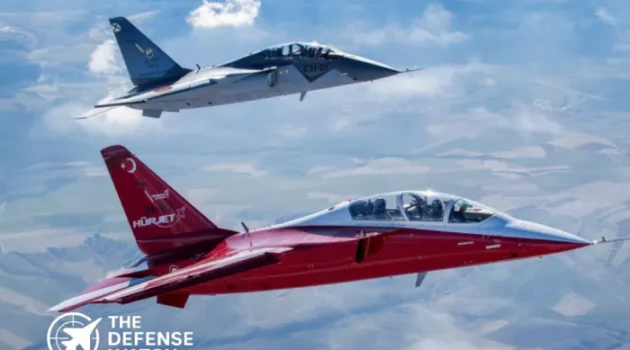
According to comments reports, TAI CEO Mehmet Demiroglu said existing programs with Malaysia are progressing successfully and new opportunities are under discussion. These include ongoing work linked to unmanned aerial systems and the HURJET advanced jet trainer.
- TAI said it aims to expand defense cooperation with Malaysia during the DSA 2026 exhibition in Kuala Lumpur.
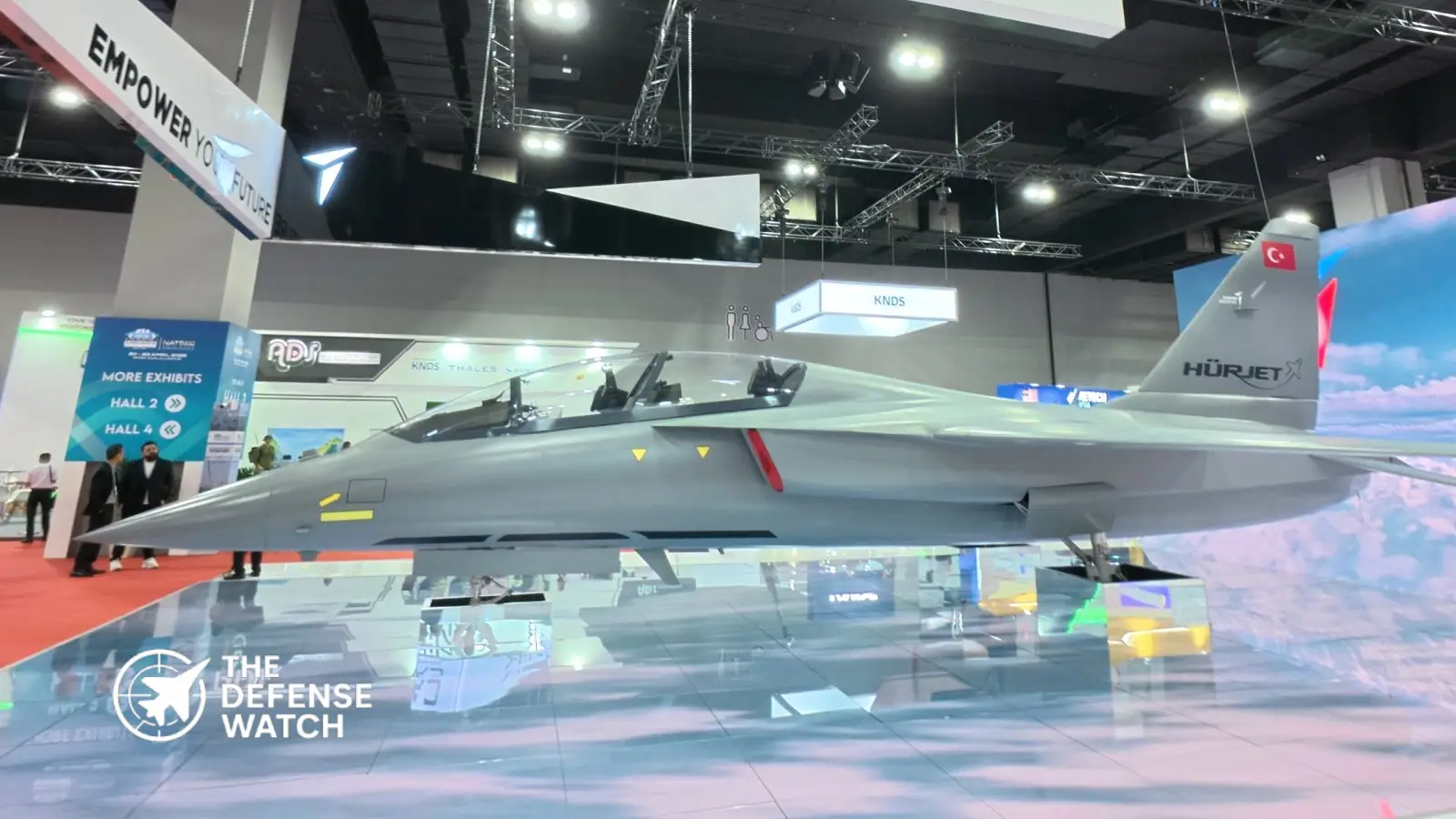
- Malaysian Prime Minister Anwar Ibrahim visited the TAI stand and signed a full-scale HURJET model.
- TAI said ongoing cooperation includes ANKA unmanned aerial vehicles and the HURJET trainer aircraft program.
- The company operates a Malaysia office employing more than 120 personnel.
- The announcement reflects rising Southeast Asian demand for airpower modernization and industrial partnerships.
Malaysia has become an increasingly important export market for Turkish defense firms as Southeast Asian governments seek cost-effective modernization options, diversified suppliers, and technology transfer arrangements.
HURJET And ANKA Programs Highlighted
At the event, Malaysian Prime Minister Anwar Ibrahim visited the TAI pavilion and signed a full-scale model of the HURJET trainer aircraft on display, a symbolic gesture that drew attention to the platform’s export potential.
HURJET is designed as an advanced jet trainer with light combat potential. For air forces replacing aging trainers while preserving fighter pilot pipelines, the aircraft could offer a practical middle-tier solution.
TAI also referenced its ANKA unmanned aerial vehicle relationship with Malaysia. Earlier deliveries of three ANKA UAVs to the Royal Malaysian Air Force helped establish the company’s presence in the country.
That matters because once a supplier delivers one platform successfully, follow-on contracts for sustainment, upgrades, training, sensors, or additional aircraft often become easier to secure.
Why Malaysia Matters To Turkish Defense Industry
TAI said it maintains an office in Malaysia with more than 120 employees, indicating the relationship goes beyond simple exports.
A local footprint can support:
- In-country maintenance and logistics
- Engineering cooperation
- Training support
- Faster customer response times
- Long-term industrial integration
For Malaysia, partnerships structured around domestic participation are increasingly valuable. Like many mid-sized defense buyers, Kuala Lumpur wants capability growth without total dependence on overseas sustainment chains.
Strategic Context In Southeast Asia
The timing is notable. Southeast Asia faces growing maritime competition, gray-zone pressure, and persistent airspace monitoring demands. As a result, regional states are reviewing force structure priorities across aircraft, drones, radars, and naval systems.
Malaysia has multiple modernization requirements, including maritime patrol, air surveillance, pilot training, and fleet recapitalization. That creates openings for suppliers able to combine affordability with flexible industrial terms.
Turkey has been steadily expanding into this market by offering systems that are generally less expensive than many Western alternatives while still delivering NATO-linked engineering standards and operational relevance.
What Comes Next
No new contract value or signed procurement decision was announced in the latest statement. However, public signaling at a major regional exhibition often precedes formal negotiations.
If discussions progress, likely areas to watch include:
- Additional UAV support or expansion
- HURJET trainer evaluation
- Aerospace industrial cooperation
- Maintenance and repair partnerships
- Future avionics or sensor integration work
For Washington and allied observers, the broader takeaway is that second-tier defense exporters are becoming more competitive in Asia, reshaping procurement dynamics once dominated by a narrower group of suppliers.
Bottom Line
TAI Malaysia defense cooperation is more than a trade-show headline. It reflects Malaysia’s search for practical modernization partners and Turkey’s rise as a serious aerospace exporter. If current ANKA ties expand into HURJET or broader industrial programs, the relationship could become one of Ankara’s most important defense footholds in Southeast Asia.