- Around 150 US troops wounded in Iran war during the first ten days of combat operations.
- Pentagon confirms roughly 140 injuries, with the majority classified as minor blast or impact injuries.
- Iranian missile and drone strikes have targeted US bases across the Gulf region.
- Eight service members remain seriously injured while more than 100 have already returned to duty.
- The casualty figures highlight the operational risks of sustained regional strikes during Operation Epic Fury.
US Troops Wounded In Iran War
US troops wounded in Iran war have reached roughly 150 service members, according to US officials and Pentagon statements released during the first ten days of the expanding conflict.
The Pentagon confirmed that approximately 140 US personnel have been injured since the start of the campaign against Iran, with the majority suffering minor injuries and many already returning to duty.
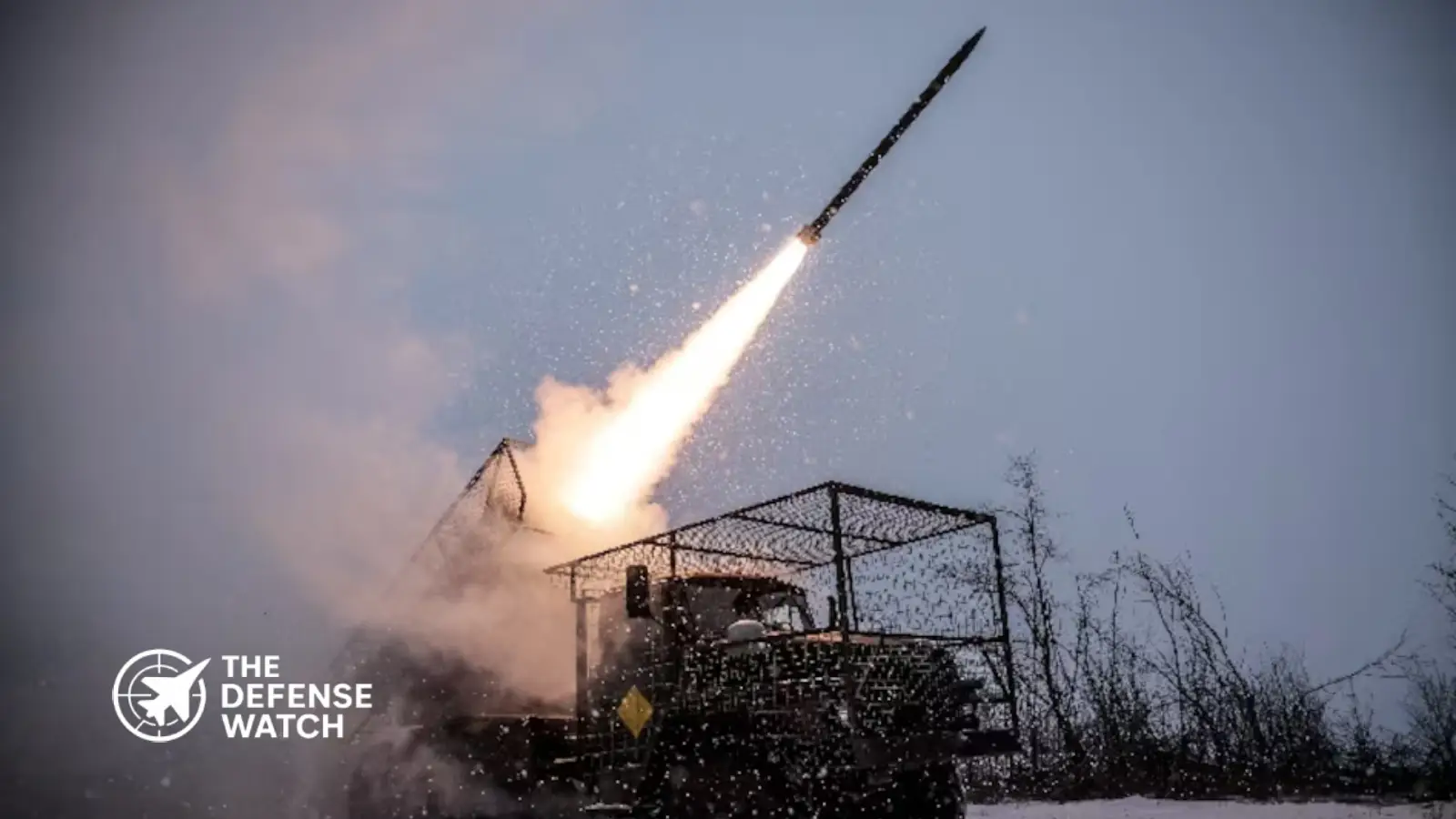
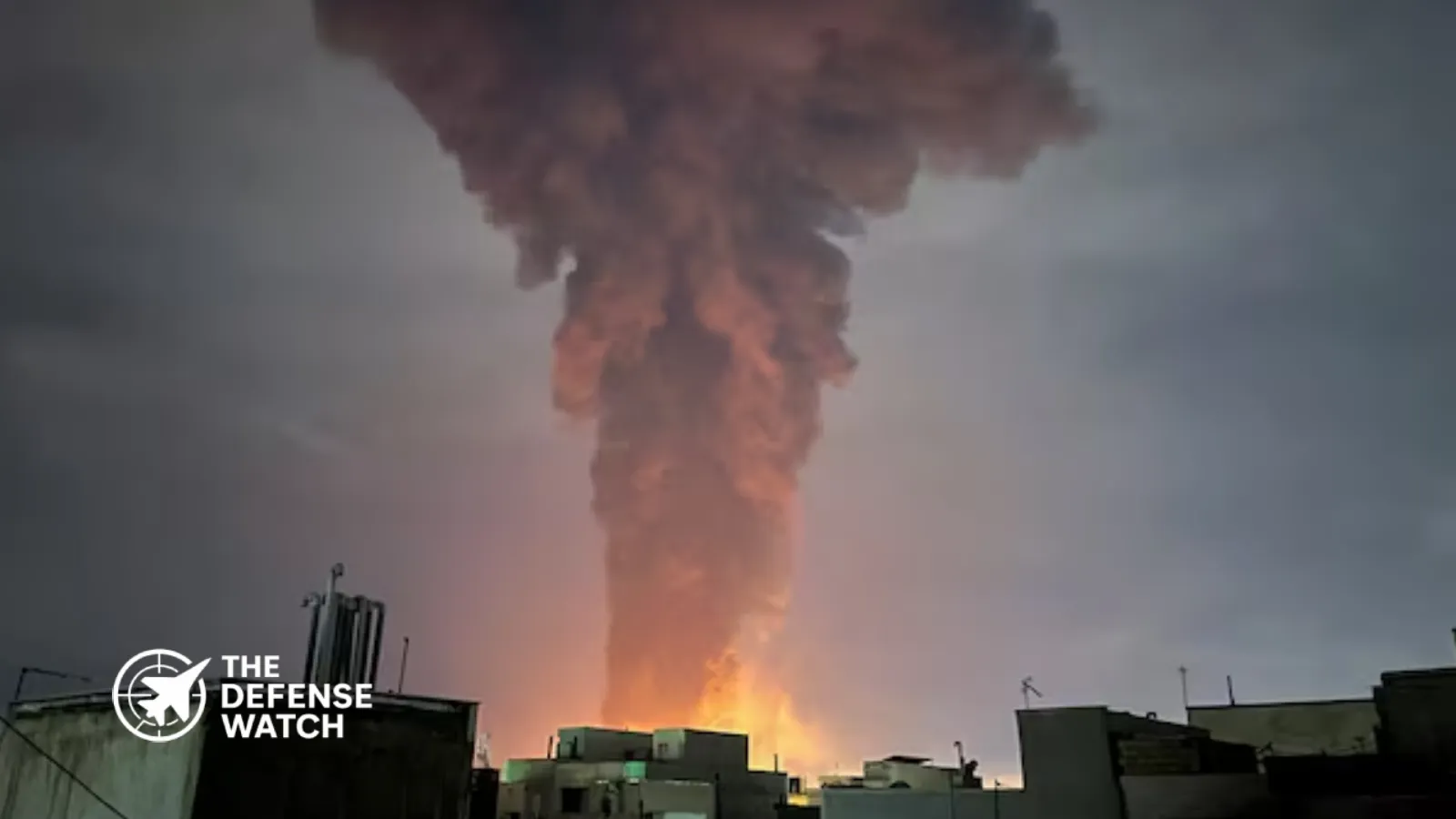
The injuries come amid sustained Iranian missile and drone attacks targeting American military installations across the Middle East following US and Israeli strikes inside Iran.
The Big Picture
The rising number of US troops wounded in Iran war highlights the operational reality of a regional conflict where long range missile forces, armed drones, and proxy networks can rapidly threaten dispersed US bases.
The United States maintains tens of thousands of troops across the Middle East, including in Kuwait, Saudi Arabia, Qatar, Bahrain, Iraq, and the United Arab Emirates. These forces operate from air bases, logistics hubs, and naval facilities that support US Central Command operations.
When Washington launched large scale strikes against Iranian military infrastructure under Operation Epic Fury in late February, planners expected retaliatory attacks against those regional facilities.
Iran has invested heavily for two decades in asymmetric retaliation capabilities designed specifically for this scenario. These include ballistic missiles, cruise missiles, armed drones, and proxy militias capable of targeting US personnel across the region.
The current casualty figures reflect how those systems are now being used in practice.
What’s Happening
Two US officials familiar with internal reporting told Reuters that up to 150 American service members have been wounded since the conflict began roughly ten days ago.
After the report emerged, the Pentagon confirmed that about 140 troops had been injured during sustained attacks against US forces.
Pentagon spokesperson Sean Parnell said the majority of the injuries were minor and that 108 personnel had already returned to duty. Eight service members remain listed as severely injured and are receiving advanced medical treatment.
The casualties come in addition to several confirmed US fatalities linked to Iranian strikes on bases in the region.
Iran has carried out missile and drone attacks against US military installations and diplomatic facilities across the Gulf since the conflict began. These strikes form part of Tehran’s response to the US led campaign targeting Iranian military assets.
US officials say the frequency of Iranian attacks has decreased following sustained American air operations against Iranian missile launchers and weapons depots.
Why It Matters
The number of US troops wounded in Iran war illustrates a key reality of modern high intensity operations in the Middle East.
Even limited air campaigns can generate significant casualties when US forces operate within range of large missile arsenals.
Iran fields one of the largest ballistic missile forces in the region. These weapons are designed to strike air bases, ports, command centers, and logistics hubs used by US forces.
Many US facilities in the region remain within range of Iranian short and medium range missiles, as well as increasingly capable drone systems.
As a result, even when the United States holds air superiority, the threat to forward deployed personnel remains persistent.
Blast injuries from near misses, shrapnel wounds, and concussive trauma are common in these environments. Defense officials have not yet disclosed the exact types of injuries sustained by the wounded personnel.
Strategic Implications
The casualty figures provide insight into how both sides are approaching the conflict.
The United States is relying heavily on airpower and long range precision strikes to degrade Iran’s military infrastructure while limiting the need for large ground deployments.
Iran, by contrast, is attempting to impose costs through distributed strikes against US forces across the region.
This strategy aligns with Tehran’s long standing doctrine of retaliatory deterrence. By threatening US bases and energy infrastructure, Iran aims to increase the political and operational costs of sustained American military action.
For US commanders, protecting personnel and maintaining operational tempo now depends heavily on missile defense systems, hardened infrastructure, and rapid damage control at regional bases.
Competitor View
Strategic competitors are closely watching the casualty trends emerging from the conflict.
China and Russia both study US operational performance in contested environments, particularly how American forces manage missile threats to forward bases.
China faces similar dynamics in the Indo Pacific, where US bases in Japan, Guam, and other locations could face missile strikes during a conflict with the People’s Liberation Army.
Military planners in Beijing and Moscow will analyze how effective US missile defenses and base protection measures prove under sustained attack.
Iran’s approach also reinforces a broader trend in modern warfare. Mid level powers increasingly rely on precision strike systems and drones to challenge technologically superior adversaries.
What To Watch Next
Several developments will shape the next phase of the conflict.
The first is the effectiveness of US strikes against Iranian missile launch infrastructure. Reducing Iran’s launch capacity could significantly decrease the threat to US bases.
The second factor is the durability of regional air and missile defense networks protecting American installations.
US Patriot batteries, naval missile defense systems, and allied defenses across the Gulf play a critical role in intercepting incoming threats.
A third factor will be the operational tempo of US air strikes inside Iran, which officials say has intensified in recent days.
Capability Gap
The current conflict highlights a long recognized vulnerability in US force posture.
Large regional bases remain attractive targets for missile forces.
Over the past decade, the US military has begun shifting toward more distributed basing and improved missile defense coverage to mitigate this risk.
However, fully protecting every facility across a vast region remains difficult.
Even with modern defenses, some incoming missiles or drones can still penetrate defenses or cause injuries through blast effects near protected areas.
The Bottom Line
The rising number of US troops wounded in Iran war underscores how modern missile and drone warfare can impose real costs on forward deployed forces even without large ground battles.