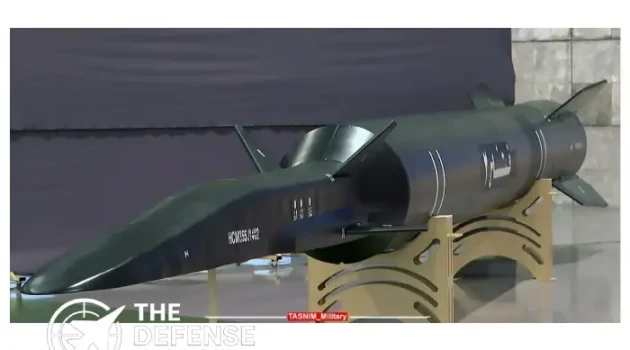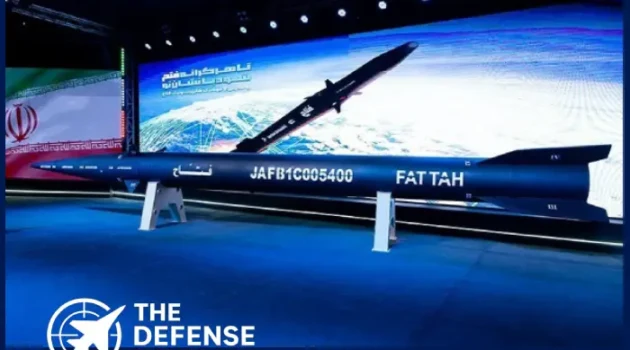
- An Iranian cluster bomb warhead reportedly struck central Israel, killing one person and seriously injuring others.
- The warhead dispersed multiple submunitions over a wide area, increasing the likelihood of civilian casualties.
- Israeli officials say cluster-type missile payloads pose a broader area threat than standard ballistic missile warheads.
- Submunitions can remain unexploded after impact, creating persistent explosive hazards in urban environments.
- The incident highlights evolving missile tactics in the ongoing Iran Israel confrontation.
Iranian Cluster Bomb Warhead Strike In Central Israel
An Iranian cluster bomb warhead struck central Israel during a missile attack, killing one person and seriously wounding at least two others, according to Israeli emergency responders and local media reports. The incident marks another escalation in the ongoing missile exchange between Iran and Israel and underscores the growing use of wide area explosive payloads in the conflict.
Medics from Israel’s national emergency service responded to multiple impact reports across central Israel after air raid sirens sounded during the latest missile barrage. One fatality occurred at a construction site, while two other victims suffered severe injuries and were transported to hospital for treatment.
Israeli officials indicated that the attack involved a missile equipped with a cluster munition warhead, which disperses numerous smaller explosive submunitions over a large radius after the missile descends toward its target area.
The Big Picture
Missile warfare between Iran and Israel has entered a new phase characterized by increasingly complex payloads and tactical adaptations. The reported use of the Iranian cluster bomb warhead reflects a shift from purely high-explosive ballistic missile strikes toward area effect weapons designed to threaten wider zones.
Cluster warheads are particularly controversial in modern conflict because they release multiple smaller bombs across broad areas rather than concentrating explosive force at a single point. This characteristic increases the probability of damage across urban environments and infrastructure.
In the Middle East theater, where many strategic targets sit within dense civilian population centers, such weapons raise significant operational and humanitarian concerns. Defense planners increasingly view the introduction of cluster warheads as part of a broader missile modernization trend across the region.
Iran has spent decades expanding its ballistic missile arsenal, which includes systems capable of carrying varied payload types such as conventional high explosive warheads, maneuverable reentry vehicles, and potentially submunition payloads.
What’s Happening
Emergency services reported the latest attack after Iran launched a new wave of missiles toward Israeli territory.
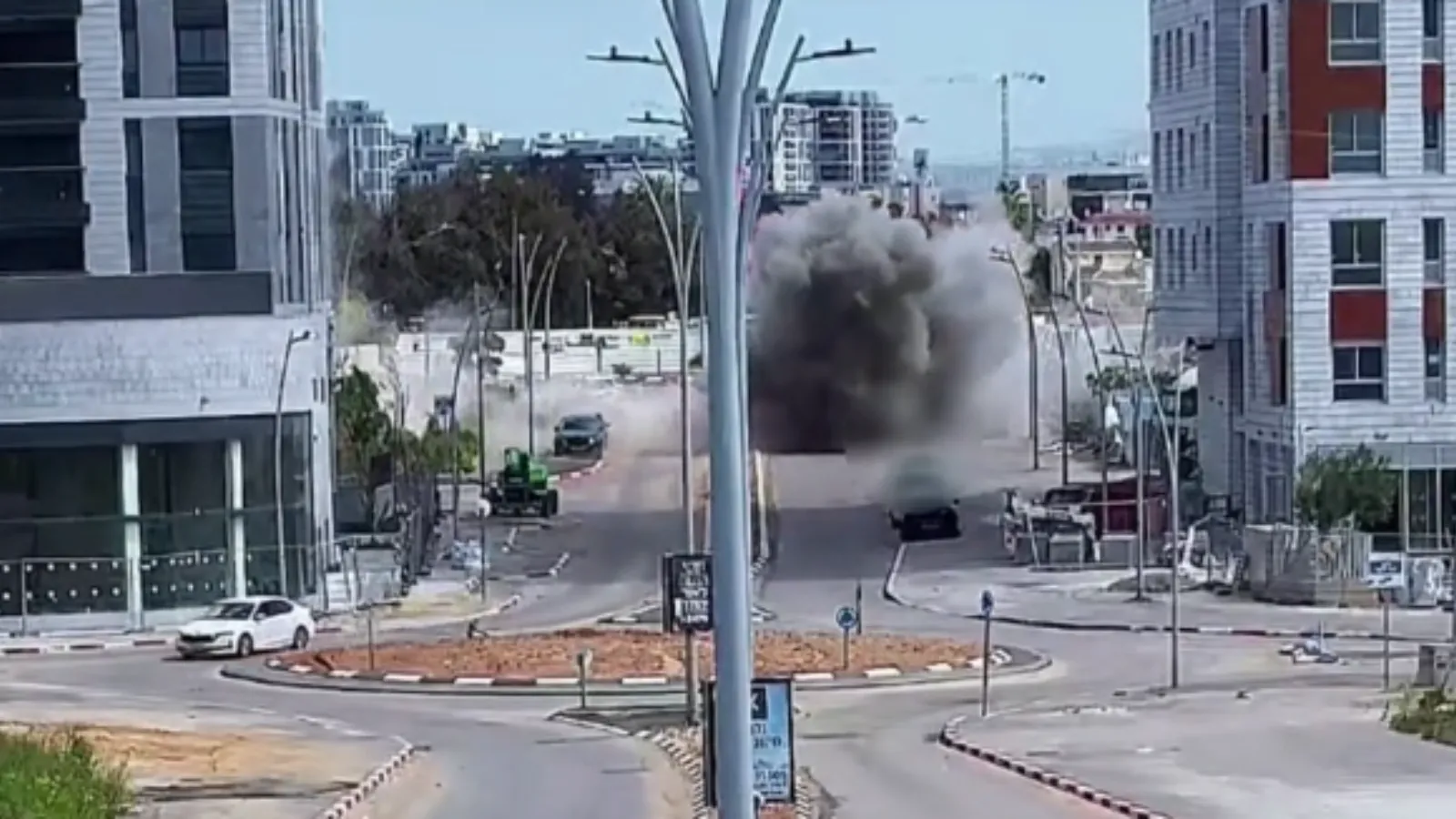
One missile reportedly carried a cluster bomb warhead that scattered explosive fragments and smaller bomblets across a populated area in central Israel. One person died at the scene, and at least two others were seriously injured.
Security camera footage and local reports showed a sudden explosion on a street in the area as civilians rushed to assist the wounded.
Israeli authorities also warned residents to avoid unexploded fragments that may remain on the ground following such attacks. Cluster submunitions sometimes fail to detonate immediately and can remain dangerous long after the initial strike.
Why It Matters
The use of cluster payloads significantly alters the operational dynamics of missile warfare.
A standard ballistic missile typically delivers a single high explosive warhead that impacts one location. In contrast, a cluster warhead releases multiple smaller explosives across a wider zone. Israeli military officials have previously said such missiles can disperse roughly 20 submunitions over an area several kilometers wide.
Each bomblet carries a smaller explosive charge, but the combined effect increases the geographic footprint of the attack.
This tactic complicates missile defense planning. Intercepting the missile itself can neutralize the payload, but once the warhead releases submunitions the defensive challenge shifts from missile interception to emergency response and explosive ordnance disposal.
The presence of unexploded ordnance can also disrupt civilian movement, infrastructure repairs, and emergency operations for extended periods.
Strategic Implications
The deployment of the Iranian cluster bomb warhead highlights several broader strategic trends shaping the Iran Israel confrontation.
First, it signals an effort to maximize psychological and operational pressure without relying solely on heavier conventional warheads. By spreading multiple bomblets across urban areas, cluster payloads can create multiple simultaneous impact points even from a single missile.
Second, this tactic may attempt to complicate Israel’s layered missile defense architecture, which includes systems such as Arrow, David’s Sling, and Iron Dome. While these systems intercept incoming threats at different ranges and altitudes, the dispersal of submunitions increases the complexity of threat assessment and response.
-
Third, the presence of unexploded submunitions introduces a long term security risk. Military explosive ordnance disposal teams must locate and neutralize each device individually, which can slow recovery operations following attacks.
Competitor View
Regional actors and strategic competitors closely monitor the evolving missile exchange between Iran and Israel.
For Iran, cluster warheads represent one method of expanding the operational flexibility of its ballistic missile force. Such payloads can increase the effective strike area without requiring larger or more advanced missile systems.
For Israel, the appearance of these munitions reinforces the importance of integrated air and missile defense systems and rapid civil defense response. The Israeli Home Front Command already maintains procedures for identifying and disposing of unexploded ordnance from missile strikes.
Other regional militaries may view the use of cluster warheads as part of a broader trend toward adaptable missile payloads capable of targeting airfields, infrastructure, and urban areas.
What To Watch Next
Several developments will shape the next phase of the conflict.
Israeli defense authorities will likely increase monitoring of missile debris and unexploded submunitions to better understand the specific design of the cluster warheads used in the attack.
Military analysts will also watch whether additional Iranian missiles employ similar payloads in future strikes.
Another key factor will be the performance of Israel’s missile defense network as it continues to intercept incoming threats during repeated attack cycles.
Capability Gap
Cluster warheads aim to exploit a key vulnerability in missile defense operations: the difficulty of protecting wide geographic areas from dispersed explosives.
While interceptors can destroy incoming missiles before impact, they cannot eliminate the hazard once submunitions scatter across the ground. This creates a gap between strategic missile defense and tactical explosive ordnance disposal.
However, cluster warheads also have limitations. Each individual bomblet carries far less explosive power than a full ballistic missile warhead. As a result, their destructive effect against hardened military facilities or fortified structures remains limited compared with heavier payloads.
The Bottom Line
The Iranian cluster bomb warhead strike on central Israel illustrates how evolving missile payloads are expanding the tactical and humanitarian risks of modern missile warfare.
-