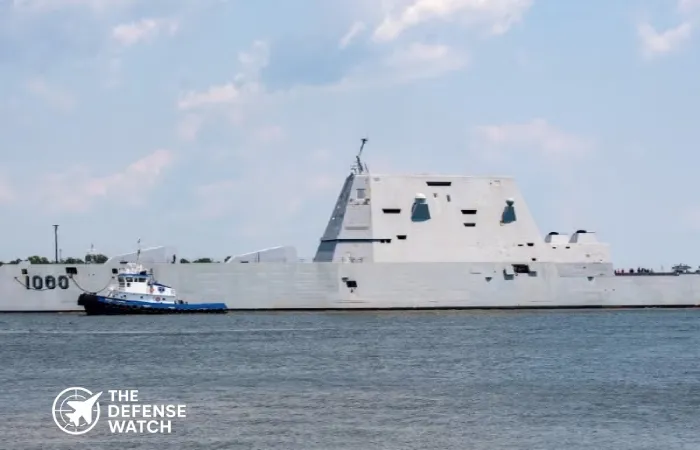
Zumwalt Class Destroyer Stealth Surface Combatant
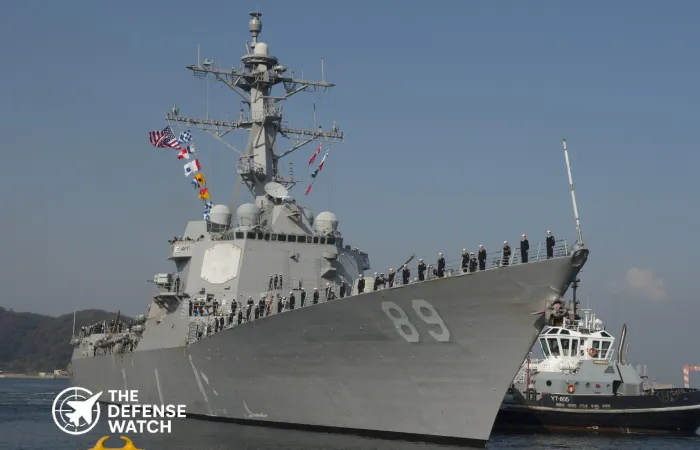
The Zumwalt class destroyer represents one of the most unconventional surface combatants ever built for the U.S. Navy. Designed to operate close to hostile shores, it focuses on stealth, automation, and advanced power systems rather than traditional fleet air defense.
Design, Origin, and Mission
Developed by General Dynamics Bath Iron Works with support from Huntington Ingalls Industries, the Zumwalt class originated in the United States as part of the DDG 1000 program. Its primary mission is surface strike, land attack, and support of joint forces in contested littoral environments. The ship’s distinctive tumblehome hull and composite deckhouse sharply reduce radar signature, making it difficult to detect at long range.
Technology and Capabilities
The destroyer uses an integrated power system that generates electricity for propulsion, sensors, and weapons from the same source. This design supports future systems such as high energy lasers or railguns. Automation allows the ship to operate with a much smaller crew than earlier destroyers.
Originally armed with Advanced Gun Systems for long range naval fire support, the class has since shifted toward missile focused roles. Its peripheral vertical launch system improves survivability by spacing missile cells around the hull rather than concentrating them in one area.
Operational Use
Only three Zumwalt class destroyers were built, all serving with the U.S. Navy. They are now being upgraded to carry hypersonic strike weapons, reinforcing their role as high value surface strike platforms rather than general purpose escorts.
Zumwalt Class Destroyer Price
The Zumwalt class destroyer is among the most expensive surface combatants ever constructed for the U.S. Navy. Each unit cost exceeds several billion U.S. dollars, reflecting its experimental technologies, limited production run, and ongoing modernization efforts. The program emphasizes capability demonstration rather than mass deployment.