Table of Contents
The balance of airpower continues to define global military superiority in 2026, with nations investing billions in advanced fighter aircraft to secure their skies and project force beyond borders. The top 10 largest modern fighter fleets represent a combination of technological innovation, strategic doctrine, and sheer numerical strength. From fifth-generation stealth platforms like the F-35 Lightning II to upgraded fourth-generation workhorses such as the Su-30 and F-15, these fleets shape geopolitical stability and deterrence strategies worldwide.
Understanding which nations operate the largest modern fighter fleets provides critical insight into current defense priorities, regional power dynamics, and the future trajectory of aerial warfare. This comprehensive analysis examines the composition, capabilities, and strategic implications of the world’s most formidable fighter jet inventories.
The United States: Unrivaled Air Superiority
Fleet Composition and Scale
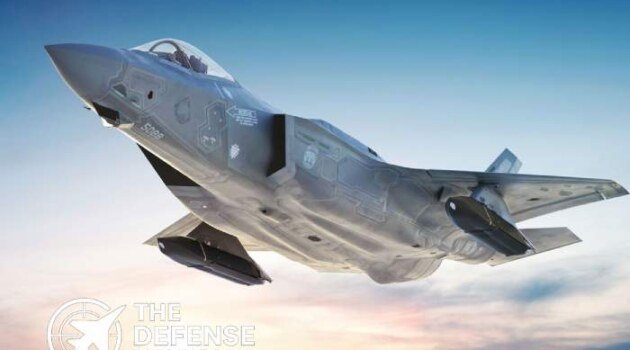
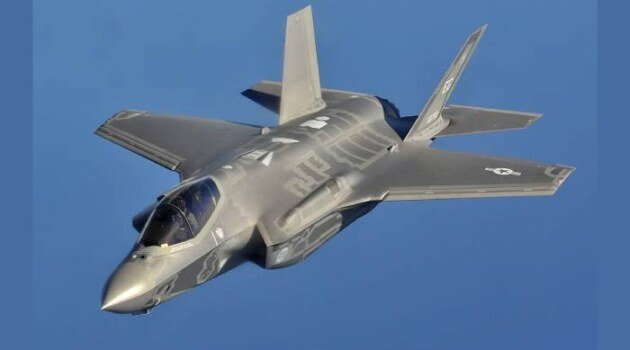
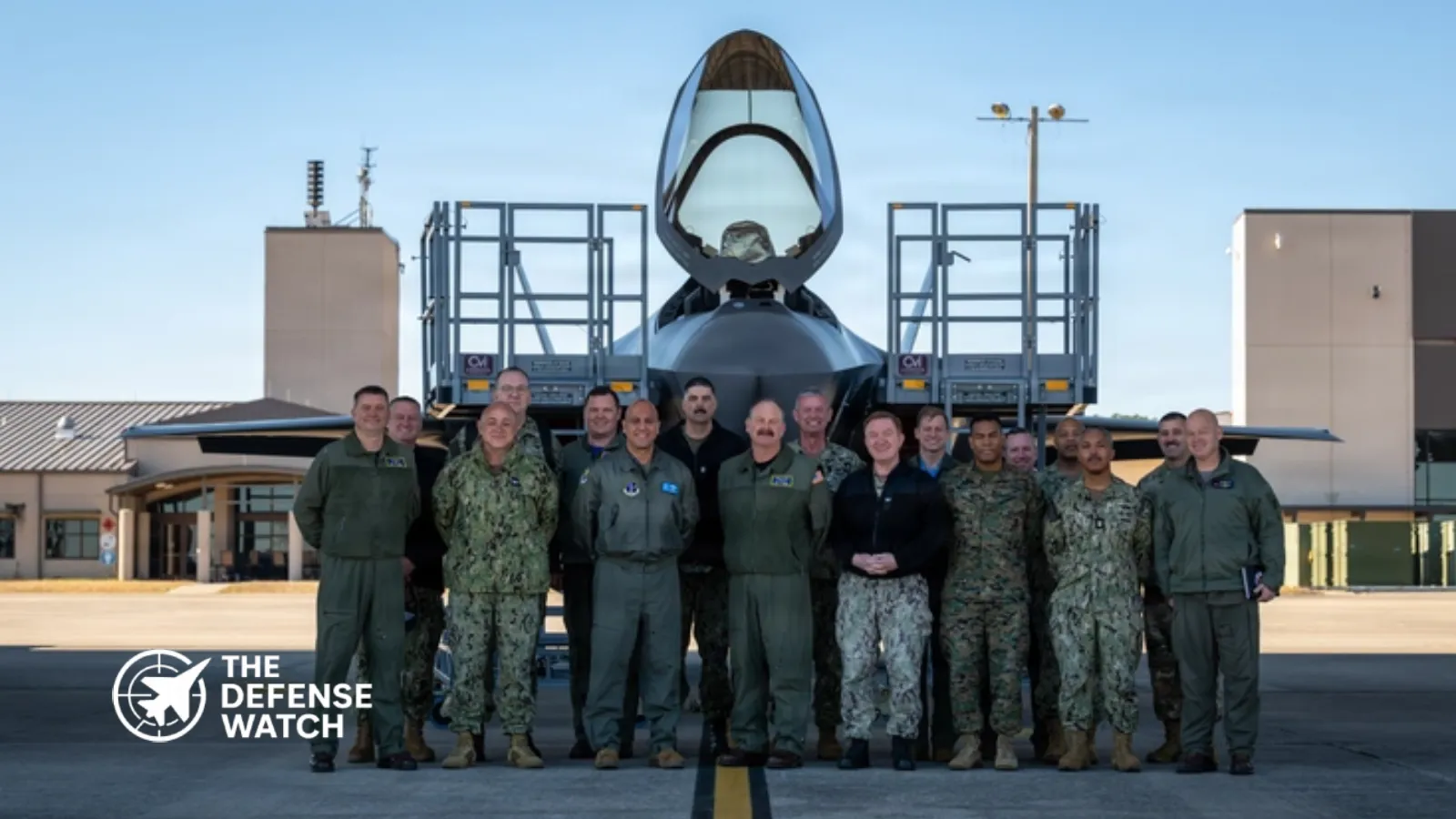
The United States Air Force, Navy, and Marine Corps collectively operate the world’s largest and most advanced modern fighter fleet, with an estimated 2,700+ combat-ready aircraft as of early 2026. The backbone of American air dominance rests on the rapid expansion of the F-35 Lightning II program, which now fields over 630 operational aircraft across all variants (A, B, and C models).
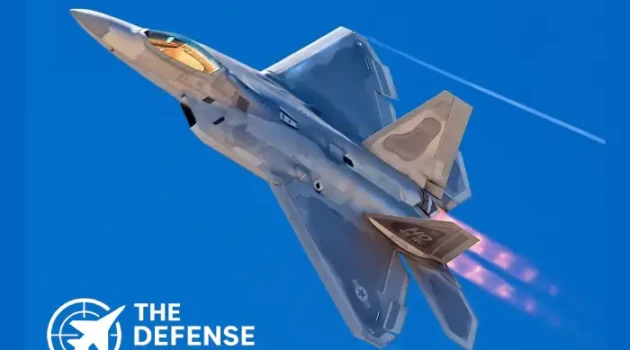
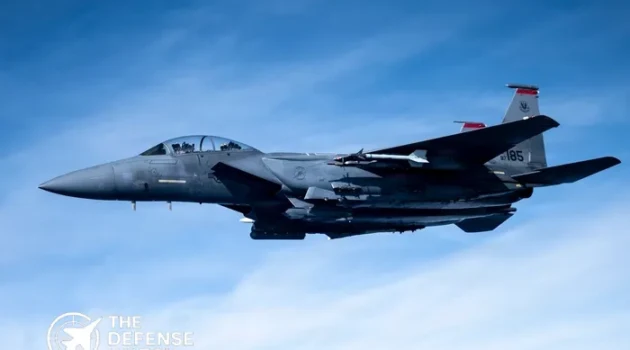
Complementing the F-35 are approximately 180 F-22 Raptors, the world’s premier air superiority fighter, alongside significant numbers of F-15 Eagles (including the newest F-15EX variants), F-16 Fighting Falcons undergoing continuous upgrades, and F/A-18 Super Hornets serving naval aviation requirements.
Modernization and Future Trajectory
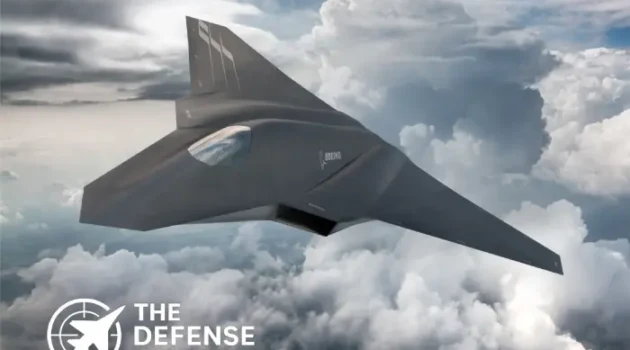
The Pentagon’s commitment to maintaining technological overmatch drives continuous modernization efforts. The F-35 production line remains active with orders extending through the 2030s, while legacy platforms receive advanced radar systems, electronic warfare suites, and precision munitions integration. The U.S. also leads development of sixth-generation fighters through the Next Generation Air Dominance (NGAD) program, ensuring future air superiority.
-
Russia: Rebuilding Soviet-Era Dominance
Current Inventory Analysis
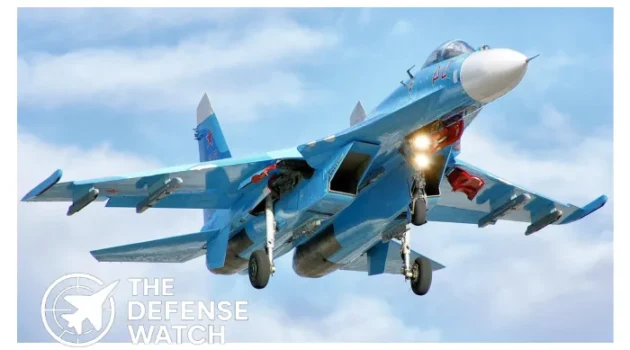
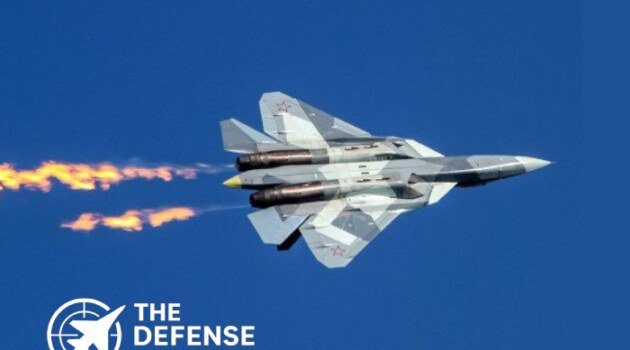
Russia operates the world’s second-largest fighter fleet with approximately 1,200-1,400 modern combat aircraft, though operational readiness rates vary significantly. The inventory centers on the multirole Su-27 Flanker family, including Su-30SM, Su-35S, and Su-34 variants that provide backbone capability across tactical and strategic missions.
The limited-production Su-57 Felon stealth fighter remains in low-rate production with fewer than 20 operational units, while substantial numbers of upgraded MiG-29 and MiG-31 interceptors supplement frontline strength. Russia’s aerospace industry continues producing Su-30 and Su-35 variants for both domestic use and export markets.
Operational Challenges
Ongoing military operations, international sanctions affecting component supplies, and budget constraints impact fleet availability. However, Russia maintains significant modernization programs focused on avionics upgrades, precision strike capabilities, and extending airframe service lives across legacy platforms.
China: Rapid Expansion and Indigenous Development
Numerical Growth and Technological Advancement
The People’s Liberation Army Air Force (PLAAF) and Naval Aviation operate an estimated 1,200+ fourth-generation and beyond fighters, representing dramatic expansion over the past decade. China’s fleet includes substantial numbers of domestically produced J-10 multirole fighters, J-11 (Su-27 derivatives), advanced J-16 strike fighters, and J-15 carrier-based aircraft.
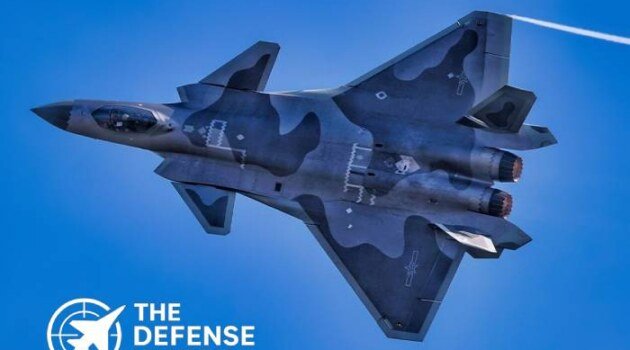
Most significantly, China has rapidly fielded the J-20 stealth fighter with over 200 operational units by 2026, making it the world’s second-largest fifth-generation fleet. Production continues at an accelerated pace, supported by indigenous engine development overcoming previous reliance on Russian powerplants.
Strategic Implications
China’s fighter modernization directly supports anti-access/area-denial strategies in the Indo-Pacific region. The combination of numerical strength, advancing technology, and improving pilot training creates a formidable regional air force capable of contesting air superiority in potential conflict scenarios.
Top 10 Largest Modern Fighter Fleets 2026 🛩️ Top 10 Largest Modern Fighter Fleets
Global Air Power Rankings
2026 Data1🇺🇸United States2,700+ Aircraft2🇷🇺Russia1,200-1,400 Aircraft3🇨🇳China1,200+ Aircraft4🇮🇳India600-650 Aircraft5🇰🇷South Korea400-450 Aircraft6🇵🇰Pakistan350-400 Aircraft7🇯🇵Japan300-350 Aircraft8🇪🇬Egypt300+ Aircraft9🇸🇦Saudi Arabia250-280 Aircraft10🇮🇱Israel250-300 Aircraft📊 Key Insights
Total Aircraft: Includes operational 4th & 5th gen fighters5th Gen Leaders: USA (630+ F-35s), China (200+ J-20s)Modernization: All nations investing in upgrades & new platformsRegional Focus: Asia-Pacific dominates top rankingsIndia: Diversified Multinational Fleet
Varied Inventory Sources
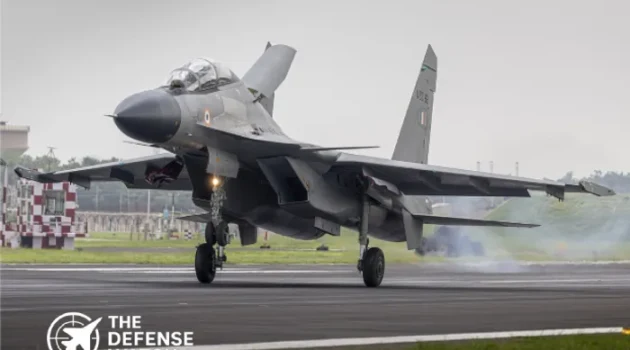
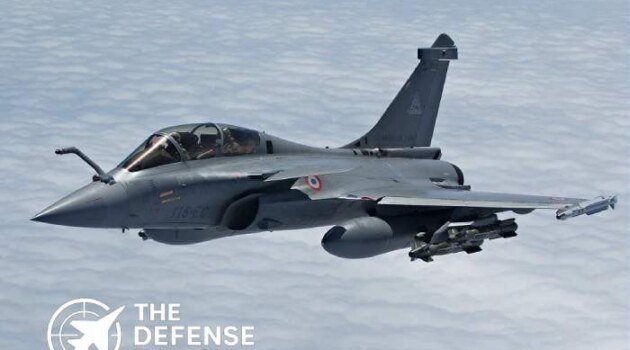
India operates approximately 600-650 modern fighters drawn from multiple international sources, creating both capability advantages and logistical complexity. The fleet’s core comprises Russian-origin Su-30MKI aircraft (over 260 units), French Rafale multirole fighters (36 aircraft with potential additional orders), and indigenous Tejas light combat aircraft entering service in growing numbers.
Aging MiG-29 upgrades and Mirage 2000 variants supplement frontline strength, while India pursues the Advanced Medium Combat Aircraft (AMCA) stealth fighter program for indigenous fifth-generation capability by the 2030s.
Modernization and Procurement Challenges
India balances immediate operational needs against long-term indigenous production goals. Recent procurement includes additional Rafales under consideration and potential MiG-29 upgrades, while the Tejas program expands to replace aging MiG-21 variants still serving in diminishing numbers.
Japan: Advanced Defensive Capabilities
Quality Over Quantity Approach
Japan’s Air Self-Defense Force operates approximately 300-350 modern fighters emphasizing technological sophistication over numerical strength. The fleet centers on F-15J Eagles receiving comprehensive upgrades to “J-Kai” standards, F-2 multirole fighters (indigenous F-16 derivatives with superior capabilities), and growing F-35A and F-35B fleets approaching 100 aircraft.
Japan’s recent policy shifts toward more proactive defense postures drive fighter modernization, including F-15 upgrades enabling advanced standoff weapons and improved electronic warfare capabilities.
Future Fighter Development
Tokyo’s commitment to the Global Combat Air Programme (GCAP) with the United Kingdom and Italy aims to field a sixth-generation fighter by 2035, representing Japan’s most ambitious indigenous combat aircraft program since World War II.
South Korea: Technological Advancement in Action
Modern Fleet Composition
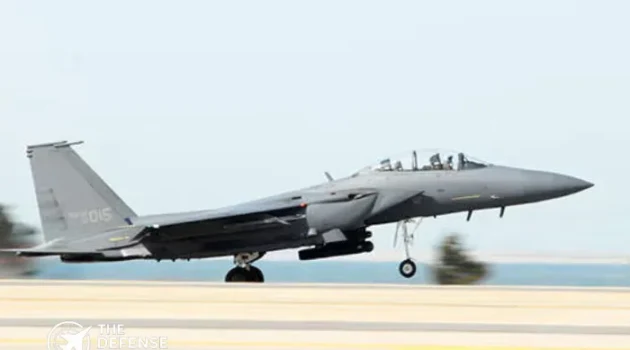
South Korea operates approximately 400-450 modern fighters through a combination of U.S. platforms and indigenous development. F-35A Lightning IIs (40 delivered with additional orders), upgraded F-15K Slam Eagles, and advanced F-16 variants provide multirole capabilities.
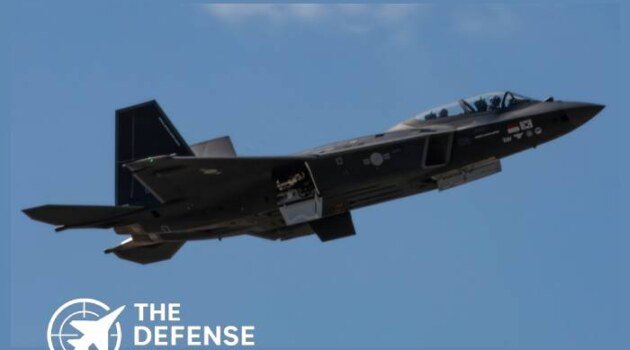
The domestically developed KF-21 Boramae fighter entered flight testing with production aircraft beginning delivery in 2025, representing South Korea’s emergence as a capable aerospace manufacturer. The KF-21 program aims to field 120 aircraft, eventually replacing aging F-4 and F-5 variants.
Regional Security Dynamics
South Korea’s fighter modernization directly responds to North Korean provocations and regional power competition. Advanced sensor integration, network-centric warfare capabilities, and precision strike munitions enhance deterrence value beyond simple numerical counts.
Pakistan: Strategic Parity Pursuit
Fleet Overview and Chinese Partnership
Pakistan operates approximately 350-400 modern combat aircraft with heavy reliance on Chinese-origin platforms balanced by legacy American F-16s. The JF-17 Thunder, jointly developed with China, forms the fleet’s backbone with over 130 operational units and continuing production.
-
F-16 Fighting Falcons (approximately 75 aircraft) provide high-end capabilities despite U.S. restrictions on advanced variants, while Mirage III/V aircraft receive life-extension upgrades for strike missions.
Indigenous Development Efforts
Pakistan’s Project Azm aims to develop a fifth-generation fighter through Chinese technological partnership, though timelines remain uncertain. The JF-17 Block III variant introduces AESA radar and enhanced avionics, improving capability against regional competitors.
Egypt: Diversification Strategy
Multi-Source Procurement
Egypt operates an estimated 300+ modern fighters representing unprecedented diversity across French, Russian, and American sources. Recent acquisitions include 24 Rafale fighters (with additional 30 on order), approximately 50 MiG-29M/M2 aircraft, and 24 Su-35 fighters (though U.S. sanctions complicate operational deployment).
Legacy F-16 fleets exceed 200 aircraft but face upgrade restrictions due to U.S. policy concerns, limiting advanced munitions integration.
Logistical Complexity
Operating fighters from multiple nations creates significant maintenance and training challenges, though Egypt benefits from technological access denied through single-source procurement. The strategy reflects Cairo’s non-aligned foreign policy and desire for operational independence.
Israel: Cutting-Edge Capabilities
Qualitative Superiority Focus
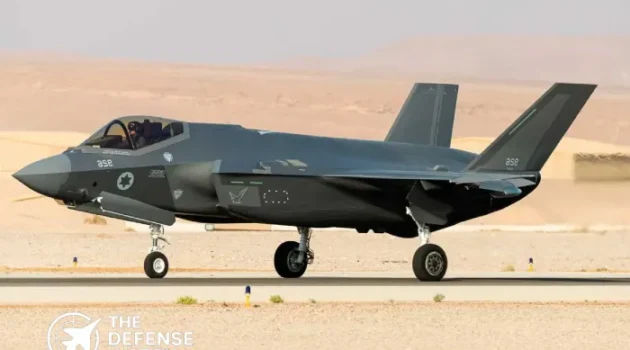
The Israeli Air Force operates approximately 250-300 modern fighters emphasizing technological superiority and pilot excellence over numerical advantage. Israel fields the largest F-35I (Adir) fleet outside the United States with 39 delivered and additional orders planned, extensively modified with indigenous systems.
Upgraded F-15I Ra’am and F-16I Sufa variants incorporate Israeli avionics, electronic warfare systems, and weapons integration, creating highly capable platforms distinct from export standards.
Operational Experience Edge
Israel’s fighter forces benefit from continuous combat experience across multiple operational environments, driving tactical innovation and rapid capability integration. Indigenous precision munitions, suppression of enemy air defense systems, and network-centric operations provide force multiplication beyond platform counts.
Saudi Arabia: Modernization Through Investment
Advanced Western Platforms
Saudi Arabia operates approximately 250-280 modern fighters centered on advanced Western platforms. The Royal Saudi Air Force fields Eurofighter Typhoons (72 aircraft), F-15SA advanced variants (84 aircraft representing the most capable Eagle variant in service), and upgraded Tornado strike aircraft.
Massive defense budgets enable cutting-edge munitions, sensors, and support systems integration, creating highly capable forces despite limited operational experience.
Regional Power Projection
Saudi fighter modernization supports regional security leadership and deterrence against Iranian threats. Ongoing Yemen operations provide combat experience, though sustainability concerns and pilot training remain development priorities.
Analysis: What the Rankings Reveal
Technological vs. Numerical Superiority
The top 10 largest modern fighter fleets demonstrate that raw numbers alone no longer determine airpower effectiveness. Advanced sensors, stealth characteristics, network integration, and precision munitions increasingly outweigh simple platform counts. The United States maintains dominance through technological superiority despite facing numerically competitive rivals.
Regional Power Dynamics
Fighter fleet compositions directly reflect regional security environments. Asian nations prioritize maritime strike capabilities and air superiority for disputed territory scenarios, while Middle Eastern forces emphasize ground attack and strategic deterrence. European members (not individually ranking in the top 10) increasingly pool capabilities through NATO integration rather than maintaining large independent inventories.
Future Trajectory
Sixth-generation fighter development, unmanned combat aerial vehicle integration, and artificial intelligence-enabled systems will reshape these rankings over the coming decade. Nations investing in indigenous development capabilities (United States, China, Japan, South Korea, Turkey) position themselves for long-term competitiveness, while those relying solely on foreign procurement face increasing technology access restrictions.
Conclusion
The top 10 largest modern fighter fleets in 2026 represent diverse approaches to airpower, ranging from America’s unmatched technological and numerical superiority to smaller forces emphasizing quality and specialized capabilities. As warfare evolves toward networked, multi-domain operations, simple aircraft counts provide incomplete pictures of combat potential. Nevertheless, these fleets remain central to national defense strategies, regional stability, and global power projection.
Understanding the composition, capabilities, and strategic context of these air forces offers essential insight into contemporary military affairs and future conflict dynamics. As nations continue modernizing their fighter inventories amid technological acceleration and shifting geopolitical alignments, the global airpower balance will remain fluid, contested, and critically important to international security.
FAQs
Which country has the largest modern fighter fleet in 2026?The United States operates the world’s largest modern fighter fleet with over 2,700 combat-ready aircraft, including the most extensive F-35 Lightning II inventory globally.
How many fifth-generation fighters does China operate?China operates approximately 200+ J-20 stealth fighters as of 2026, making it the second-largest fifth-generation fleet after the United States.
What defines a “modern” fighter aircraft?Modern fighters typically include fourth-generation platforms with advanced avionics upgrades (AESA radars, precision weapons integration) and all fifth-generation stealth aircraft. Aircraft like upgraded F-16s, Su-30s, and Rafales qualify as modern despite not being the newest designs.
Why doesn’t Russia have more Su-57 stealth fighters?Production challenges, economic sanctions affecting component supplies, budget constraints, and technical development issues have limited Su-57 production to fewer than 20 operational aircraft despite the program beginning in the early 2000s.
How do fighter fleet sizes impact regional security?Large modern fighter fleets provide deterrence value, power projection capabilities, and air superiority potential in regional conflicts. However, pilot training quality, maintenance readiness, and technological sophistication often matter more than raw numbers in determining actual combat effectiveness.
Get real time update about this post category directly on your device, subscribe now.

-
Privacy & Cookies PolicyThis website uses cookies to improve your experience. We'll assume you're ok with this, but you can opt-out if you wish. Accept Read More
-