U.S. Air Force Expands JASSM Cruise Missile Procurement
The JASSM cruise missiles program is set for a major expansion after the U.S. Air Force disclosed plans to purchase nearly 4,300 additional weapons through fiscal year 2031, according to budget reporting and defense industry coverage. The move follows recent U.S. combat operations against Iran that reportedly placed heavy demand on long-range precision strike inventories.
- U.S. Air Force plans to acquire nearly 4,300 additional AGM-158 JASSM missiles through fiscal year 2031.
- FY2027 procurement request rises sharply to 821 missiles, up from far lower recent annual levels.
- Program value is projected at roughly $20 billion across the planning period.
- Recent strikes against Iran highlighted how quickly precision munition inventories can be consumed.
- JASSM remains central to U.S. plans for contested theaters including the Indo-Pacific.
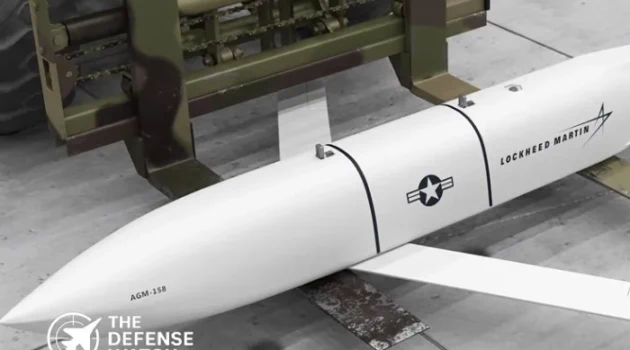
The missile involved is the AGM-158 Joint Air-to-Surface Standoff Missile, commonly known as JASSM. Built by Lockheed Martin, it is designed to strike defended targets from outside enemy air defense range. Its low observable design and precision guidance make it one of the U.S. military’s most important conventional deep-strike weapons.
Why The Pentagon Is Buying More JASSM Missiles Now
The timing matters. Recent reporting indicated the United States drew heavily on JASSM-ER inventories during operations tied to the Iran conflict, including redeployments from other theaters. That raised wider concerns about surge capacity if another crisis emerged in the Indo-Pacific or Europe.
This new procurement plan suggests the Pentagon is shifting from peacetime inventory management toward wartime replenishment logic.
That is strategically significant for three reasons:
- Modern wars consume precision weapons fast
Long-range missiles are often used in opening strikes against radar sites, command centers, air bases, and hardened targets. - Production takes time
Advanced cruise missiles require electronics, propulsion systems, seekers, and skilled labor. Output cannot be doubled overnight. - China contingency planning remains central
U.S. planners continue to view the Pacific as the pacing theater, where standoff strike weapons would be critical.
What Is JASSM And Why It Matters
The baseline AGM-158A has a range of roughly 230 miles, while the extended-range JASSM-ER can exceed 575 miles. The missile carries a 1,000-pound class penetrator warhead and uses GPS, inertial navigation, and terminal seekers for precision attack.
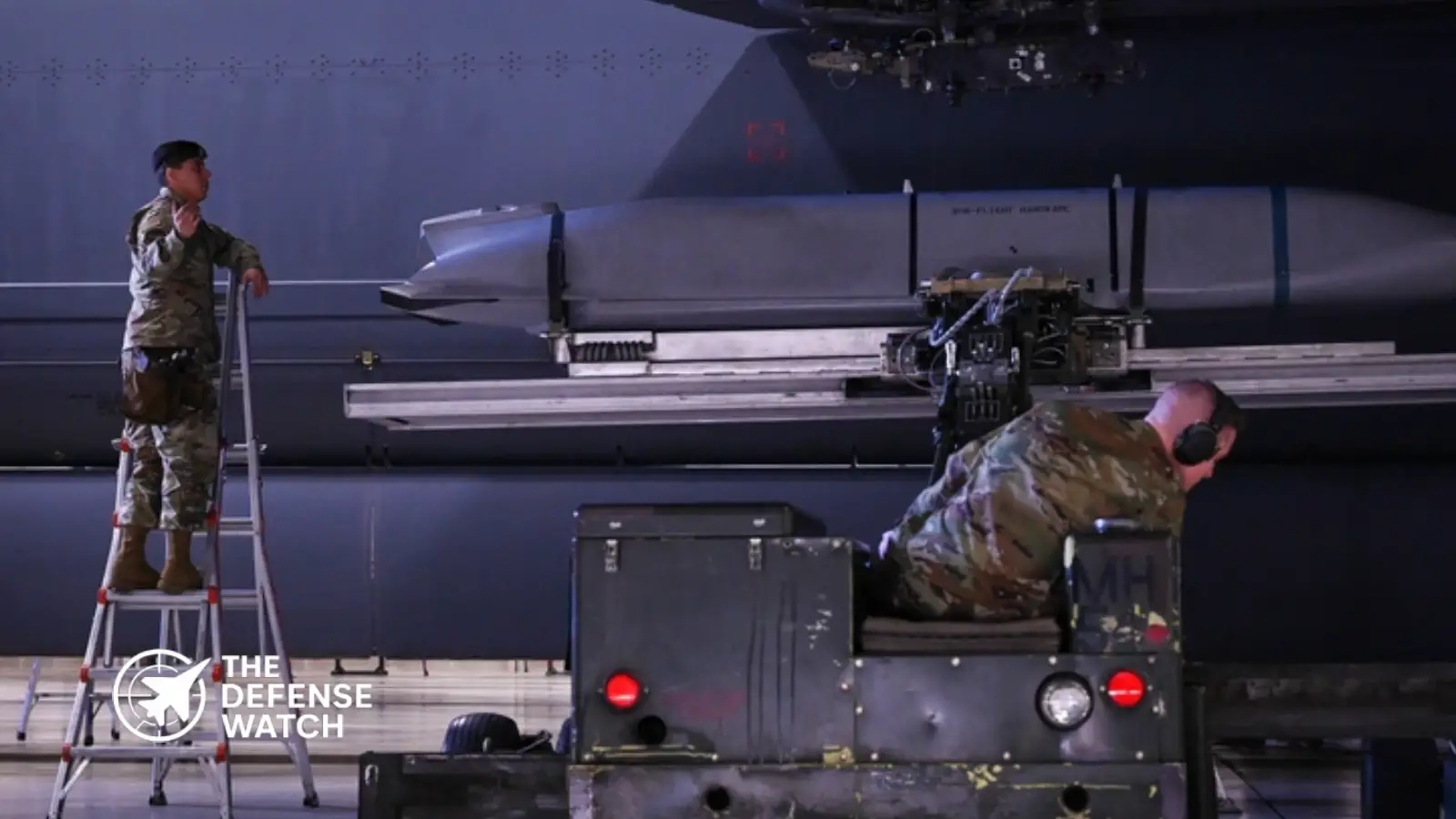
It can be launched by multiple aircraft, including:
- B-1B Lancer
- B-2 Spirit
- B-52H Stratofortress
- F-15E Strike Eagle
- F-35A Lightning II
That broad integration gives commanders flexible launch options across multiple bases and regions.
Industrial Base Challenge Still Remains
Even with more funding, missile production capacity remains a constraint. Expanding output depends on suppliers of rocket motors, microelectronics, guidance components, and final assembly lines.
This is one of the clearest lessons from the Ukraine war and Middle East operations: stockpiles matter, but so does the ability to replace losses quickly.
For Washington, the 4,300-missile buy is not just a weapons order. It is a signal that sustained conflict planning has returned.
Strategic Outlook
The planned JASSM buildup shows the U.S. Air Force expects future conflicts to require larger inventories of survivable, long-range munitions. Whether aimed at deterring Iran, Russia, or China, the message is clear: precision strike capacity is now a core measure of military readiness.
- Modern wars consume precision weapons fast