
Raytheon Next Generation Jammer Strengthens Australia’s Growler Fleet
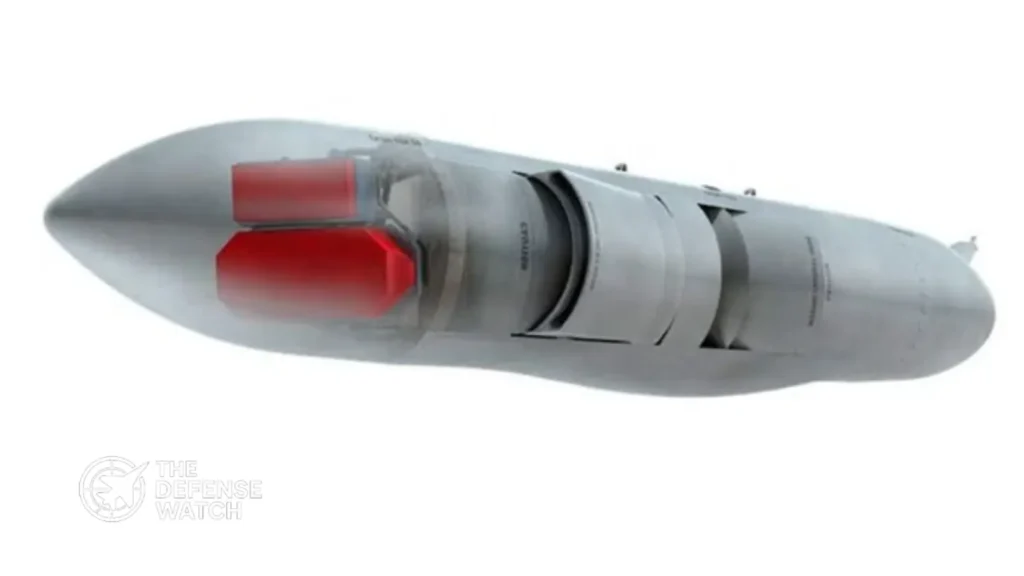
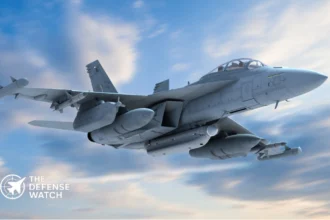
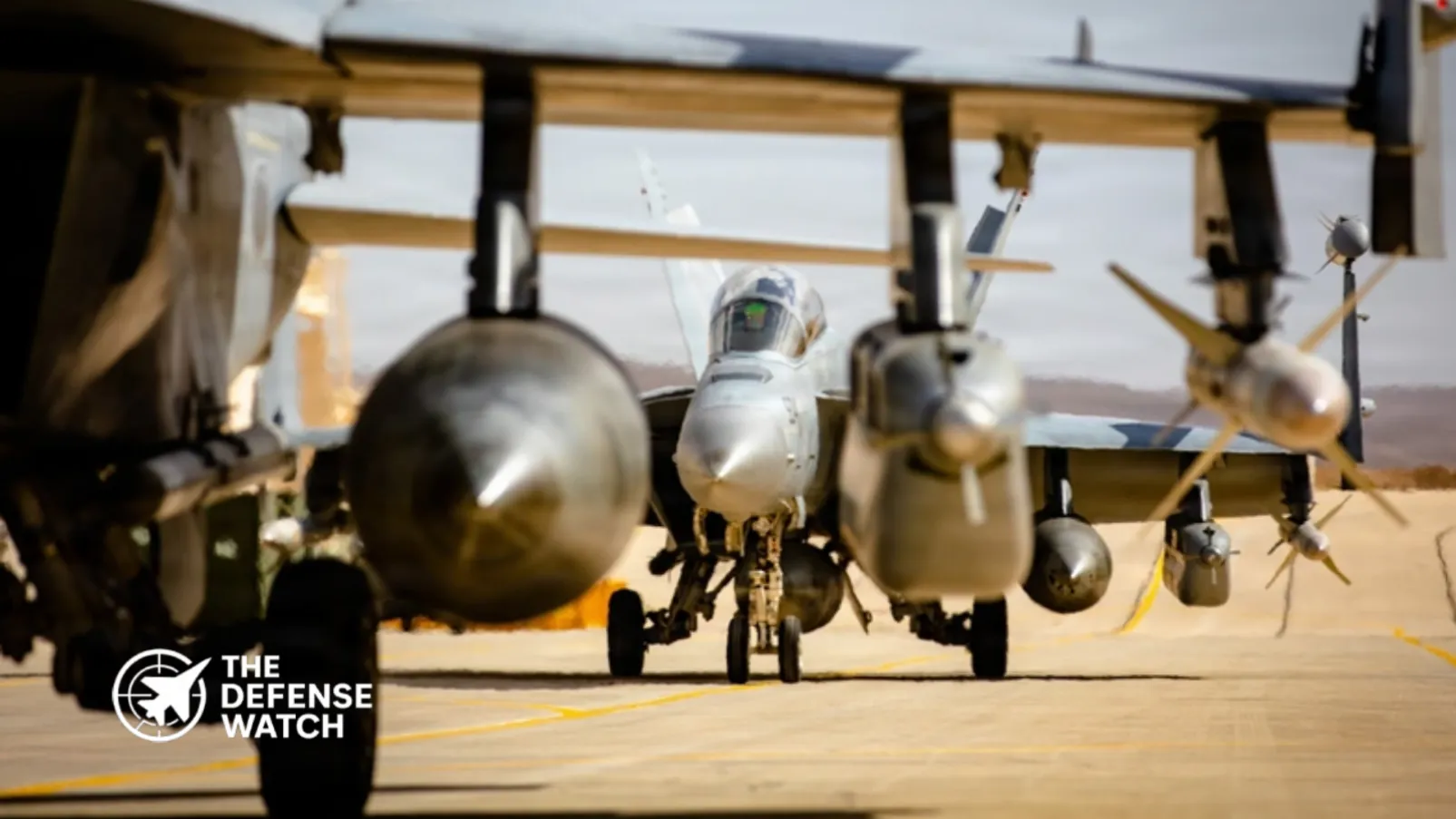
Raytheon Next Generation Jammer pods have officially been delivered to Australia, marking a major upgrade for the Royal Australian Air Force’s electronic warfare fleet. According to RTX and confirmed in separate reporting by Janes, the first AN/ALQ-249 Next Generation Jammer shipsets were transferred for use on Australian EA-18G Growler aircraft.
The delivery is important because Australia operates one of the few Growler fleets outside the United States. That makes Canberra a rare allied operator of one of the West’s most capable airborne electronic attack platforms.
- Raytheon has delivered the first AN/ALQ-249 Next Generation Jammer shipsets to the Royal Australian Air Force.
- First deliveries reportedly occurred ahead of schedule in September 2025, with more due through 2026.
- Australia’s initial buy covers eight shipsets, each consisting of two pods.
- The system equips EA-18G Growler aircraft with stronger airborne electronic attack capability.
- NGJ is designed to replace the legacy AN/ALQ-99 tactical jammer.
The Next Generation Jammer, commonly called NGJ, uses active electronically scanned array technology and software-defined architecture. In simple terms, that means it can adapt faster to changing radar threats than older analog systems.
Why The Upgrade Matters Now
Electronic warfare has become central to modern air combat. Advanced surface-to-air missile networks, digital communications nodes, and sensor-linked battle systems all depend on the electromagnetic spectrum.
The Raytheon Next Generation Jammer gives Growler crews the ability to interfere with enemy radars, degrade command links, and support strike aircraft entering defended airspace. Janes cited U.S. operational test information stating the system supports standoff, escort, penetrating escort, and stand-in jamming profiles.
That broad mission set matters in the Indo-Pacific, where long-range sensors and integrated air defense systems are expanding across the region.
Australia’s Expanding High-End Capability
Australia’s Department of Defence previously indicated its initial acquisition includes eight shipsets, with two pods per set. That suggests a phased fielding approach tied to Growler readiness cycles and training pipelines.
For Australia, this is not just a hardware purchase. It deepens interoperability with the U.S. Navy, which declared the NGJ Mid-Band system operational in early 2025. Shared systems often simplify training, mission planning, software support, and coalition operations.

This is especially relevant as Australia expands long-range strike, maritime deterrence, and alliance integration under broader regional security plans.
Replacing A Cold War Era System
The AN/ALQ-99 tactical jammer entered service in the early 1970s. While upgraded repeatedly, its age and design limits made replacement increasingly necessary.
The Raytheon Next Generation Jammer is intended to solve that gap with more power, improved reliability, and better response to agile radio-frequency threats. It also gives room for future software updates, which are increasingly vital in electronic warfare where threats evolve rapidly.
Strategic View
Australia’s receipt of NGJ pods signals that allies are being trusted with some of Washington’s most advanced non-kinetic combat systems. That reflects growing U.S.-Australia defense alignment and the push to build distributed, coalition-ready capabilities across the Pacific.
In any future high-end conflict, aircraft that can blind sensors and suppress networks may be as valuable as aircraft carrying missiles.