
- Pentagon officials told Congress the first week of the U.S. war against Iran cost roughly $6 billion.
- Around $4 billion of the total was spent on munitions and missile defense interceptors.
- U.S. and allied strikes have hit approximately 4,000 Iranian targets including missile launchers and air defenses.
- U.S. Central Command says Iranian ballistic missile launches have dropped by about 90 percent since the first day of the campaign.
- The Pentagon is expected to request additional funding to replenish depleted stockpiles and sustain operations.
US War Against Iran Cost $6 Billion In First Week
The US war against Iran cost roughly $6 billion in its first week, according to Pentagon officials who briefed members of Congress on the financial impact of the opening phase of the military campaign.
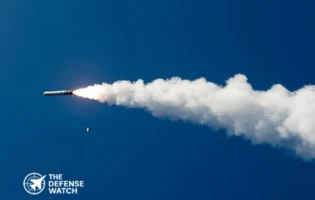
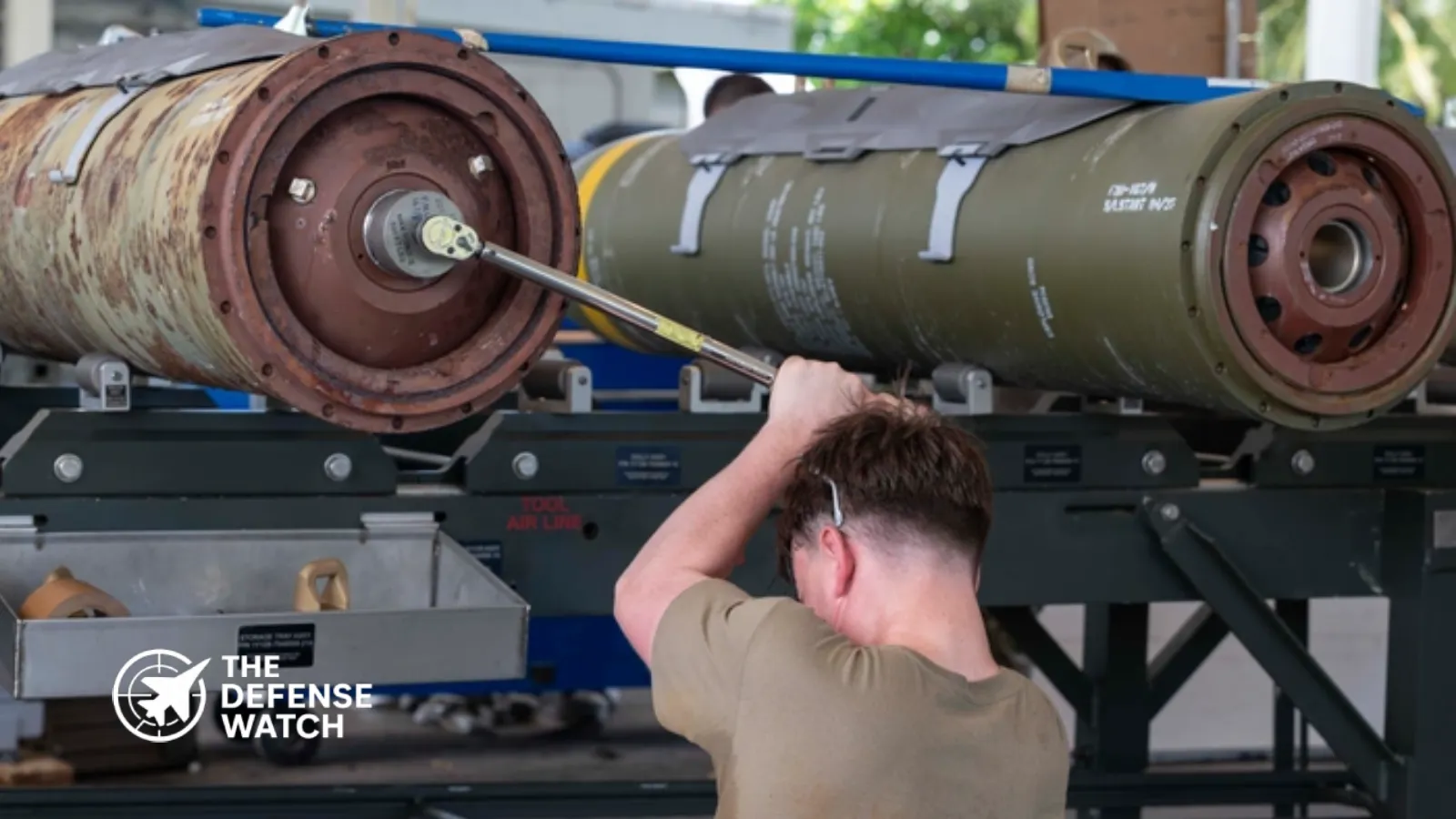
Most of that spending was tied to high-end weapons. Approximately $4 billion went toward munitions and missile defense interceptors, systems used to strike Iranian military targets and defend U.S. forces and regional allies from retaliatory missile attacks.
The figures underscore the intensity of the air and missile campaign launched as part of the broader U.S. military operation targeting Iran’s strategic military infrastructure.
The Big Picture
The cost of the opening week reflects the scale of the largest U.S. combat operation in the Middle East in years.
The campaign began after coordinated U.S. and Israeli strikes targeted Iranian military sites in late February 2026. The operation quickly evolved into a high-tempo air and missile campaign involving advanced aircraft, naval strike groups, and long-range precision weapons.
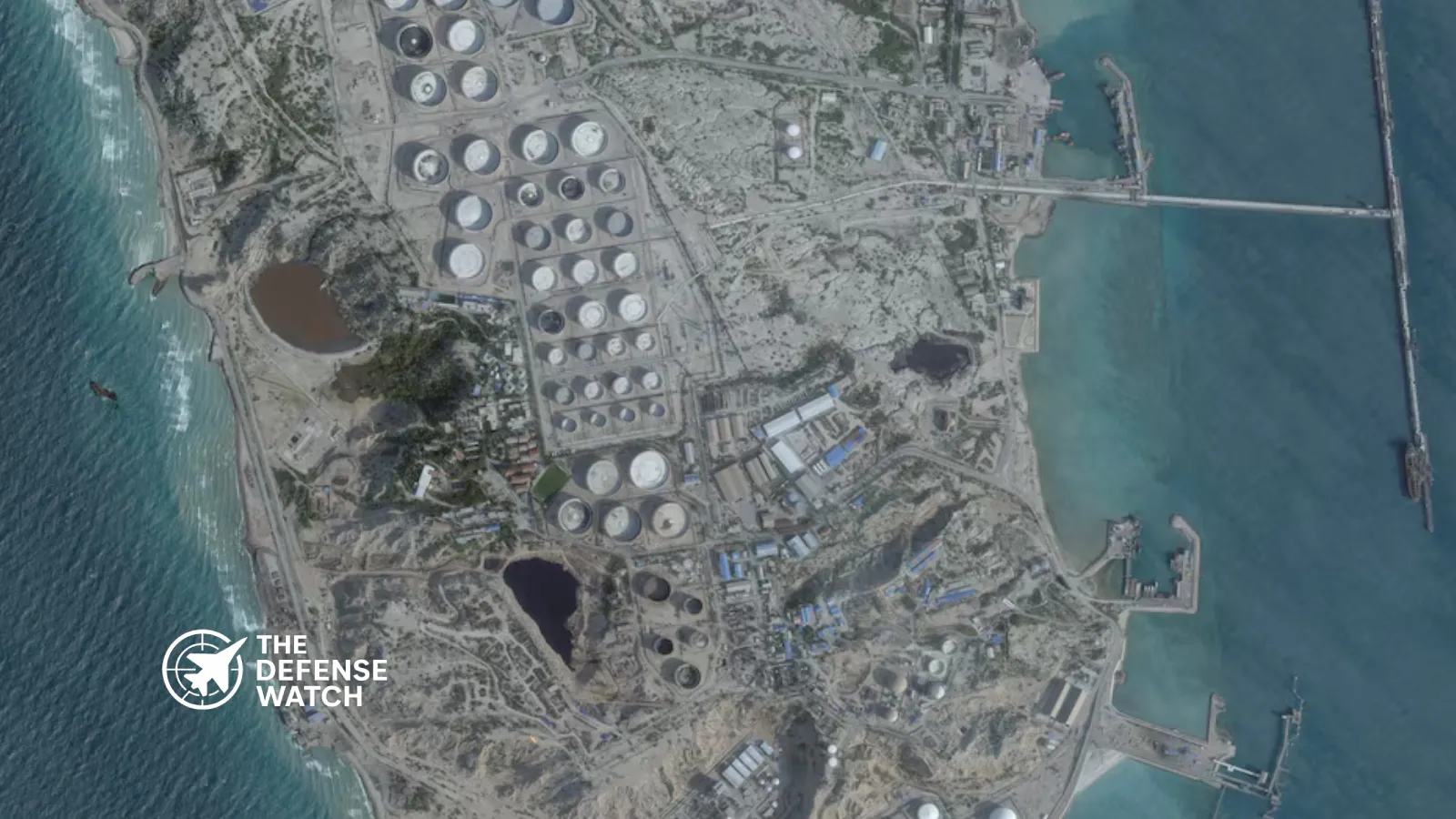
Early operations focused on degrading Iran’s core military capabilities. These included missile launch sites, naval assets in the Persian Gulf, and integrated air defense systems protecting key military infrastructure.
Large-scale operations of this kind typically carry a heavy upfront financial burden. The opening phase of modern air campaigns often consumes large inventories of precision-guided weapons, which are among the most expensive items in the U.S. arsenal.
What’s Happening
Pentagon officials disclosed the financial figures during discussions with lawmakers reviewing the operational costs of the ongoing conflict.
According to New York Times:
- The first week of combat operations cost about $6 billion.
- Approximately $4 billion went to munitions and interceptor missiles used in both offensive strikes and missile defense.
- U.S. and allied forces have struck around 4,000 Iranian military targets during the campaign.
Targets reportedly included:
- Ballistic missile launchers
- Naval vessels
- Air defense systems
- Military infrastructure across Iran
Adm. Brad Cooper, commander of U.S. Central Command, said Iranian ballistic missile launches have dropped roughly 90 percent since the first day of the campaign, while drone attacks have declined by about 83 percent.
Despite those reductions, U.S. officials caution that Iran still retains roughly half of its missile capabilities, meaning the threat remains significant.
Why It Matters
The US war against Iran cost figures reveal how expensive modern high-intensity warfare has become, especially when advanced precision weapons and missile defense systems dominate operations.
Several factors drive the high cost:
- Precision munitions
Weapons such as cruise missiles and guided bombs cost hundreds of thousands to several million dollars each. - Missile defense interceptors
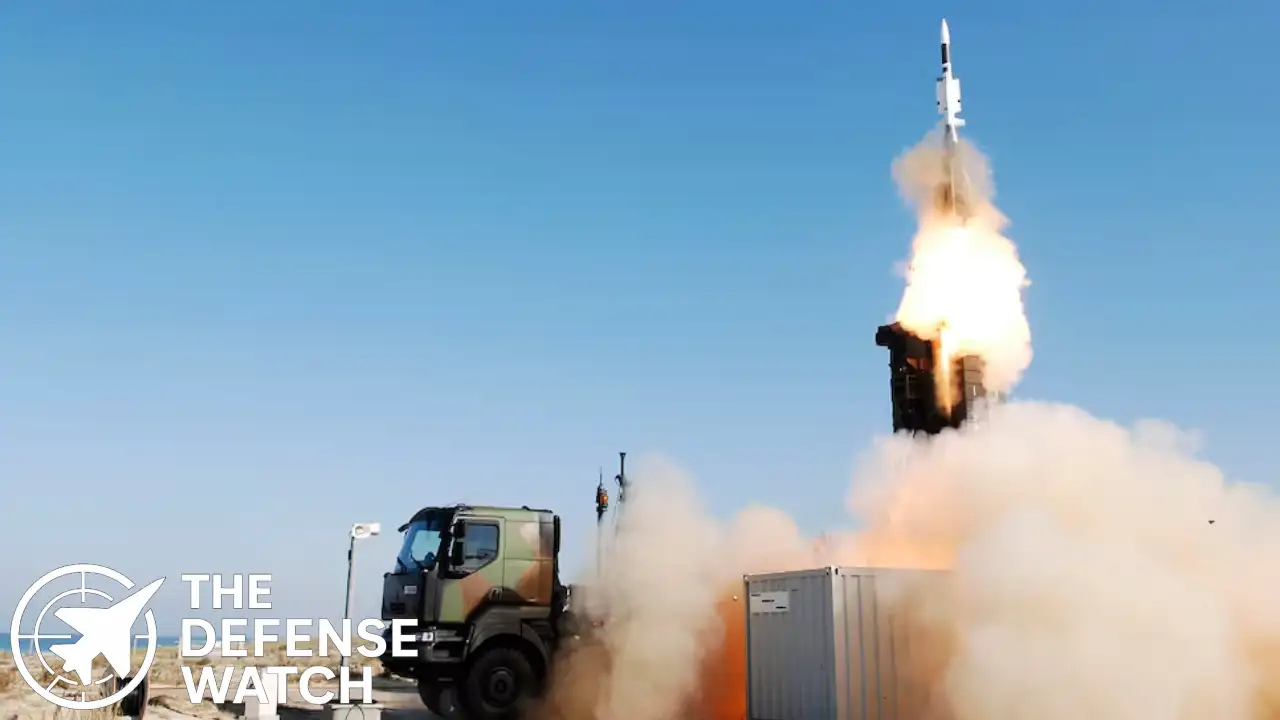
Systems designed to shoot down incoming missiles often cost several million dollars per shot. - High operational tempo
Large numbers of daily sorties and naval launches rapidly consume stockpiles.
Defending against Iranian missile and drone attacks has proven particularly expensive. Interceptors designed to stop ballistic missiles and drones often cost far more than the weapons they destroy.
This dynamic has become a central challenge in modern warfare, especially against adversaries that rely on large volumes of relatively inexpensive missiles or drones.
Strategic Implications
The financial burn rate of the campaign highlights broader strategic pressures facing the U.S. defense establishment.
Sustained operations at this pace could require significant supplemental funding from Congress. Pentagon officials have already indicated that additional funding will likely be needed to replenish depleted weapons inventories.
This issue extends beyond the Middle East.
The United States must maintain sufficient stockpiles for other potential conflicts, including in the Indo-Pacific and Europe. Large wartime expenditures in one theater can strain global readiness if replacement production cannot keep pace.
Defense planners have increasingly warned that the U.S. industrial base may struggle to replenish advanced weapons quickly during prolonged conflicts.
Competitor View
Strategic competitors will closely monitor both the operational and economic aspects of the campaign.
Russia and China have long argued that U.S. military power relies heavily on expensive high-tech weapons systems that could become financially unsustainable during prolonged conflicts.
Iran may also draw lessons from the cost imbalance between its relatively inexpensive drones and missiles and the far more expensive systems required to intercept them.
This dynamic has shaped many recent conflicts, where large volumes of low-cost weapons force technologically advanced militaries to expend costly interceptors.
What To Watch Next
Several developments will shape the next phase of the conflict.
Supplemental funding request
The Pentagon is expected to seek additional funds from Congress to cover the ongoing campaign and replenish weapons inventories.
Operational tempo changes
Air campaigns often slow after the initial surge of strikes, which could reduce the daily burn rate of munitions.
Industrial production increases
Defense contractors may be asked to accelerate production of key systems, including interceptor missiles and precision weapons.
Regional escalation risks
Iran’s remaining missile arsenal and regional proxy forces could continue to generate operational costs for U.S. forces.
Capability Gap
The campaign highlights a persistent capability gap in modern warfare.
Advanced militaries rely on extremely expensive interceptor systems to defeat missiles and drones that can cost only a fraction as much to produce.
This imbalance has become a central challenge for air and missile defense systems worldwide.
U.S. defense planners are increasingly exploring lower-cost solutions such as directed-energy weapons, electronic warfare systems, and cheaper interceptor designs to reduce the economic burden of sustained missile defense operations.
The Bottom Line
The US war against Iran cost $6 billion in its first week, demonstrating both the military intensity and financial scale of modern high-technology warfare.