
- Israeli forces struck Iranian missile launch sites and rocket engine production infrastructure.
- Targets included facilities linked to long-range ballistic missiles intended for strikes on Israel.
- Headquarters linked to Iran’s Internal Security Forces and Basij militia were also targeted.
- Sites in multiple regions including Isfahan were reportedly hit during the operation.
- The strikes form part of a broader campaign aimed at weakening Iran’s military and security infrastructure.
Israel Strikes Iranian Missile Sites As IDF Expands Campaign
Israel strikes Iranian missile sites as part of a new wave of operations targeting military infrastructure tied to Tehran’s missile program and internal security forces. The Israeli Air Force carried out coordinated strikes on launch facilities, rocket engine production sites, and command centers associated with Iran’s Internal Security Forces and the Basij militia.
Israeli military officials said the operation aimed to degrade capabilities linked to long range missile attacks against Israel while also targeting institutions that support Iran’s internal security apparatus.
The Big Picture
Israel has long identified Iran’s ballistic missile program as one of the most significant security threats in the Middle East. Tehran possesses one of the region’s largest and most diverse missile arsenals, including medium and long range ballistic missiles capable of reaching Israel and U.S. forces across the region.
Iran has steadily expanded this arsenal over the past two decades through domestic missile production programs. These efforts include the development of solid fuel rocket motors, mobile launch systems, and underground missile infrastructure designed to ensure survivability during conflict.
Israeli military planners view the destruction of missile launch facilities and production infrastructure as a critical component of their deterrence strategy. Targeting manufacturing capacity limits Iran’s ability to replenish its missile inventory during prolonged conflict.
The latest operation reflects a broader shift toward direct strikes on strategic military infrastructure rather than solely focusing on proxy forces aligned with Iran across the region.
What’s Happening
Israeli Defense Forces confirmed that the Israeli Air Force conducted another wave of strikes across several locations inside Iran. Military intelligence guided the operation, identifying infrastructure linked to missile production and launch activities.
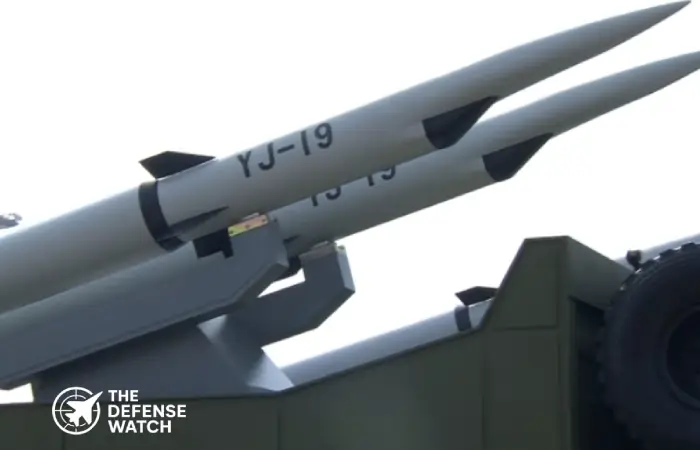
The strikes targeted a facility responsible for producing rocket engines used in ballistic missile systems. Israeli officials said these engines support missiles designed for long range launches toward Israeli territory.
Additional targets included several launch sites believed to support long range ballistic missile operations.
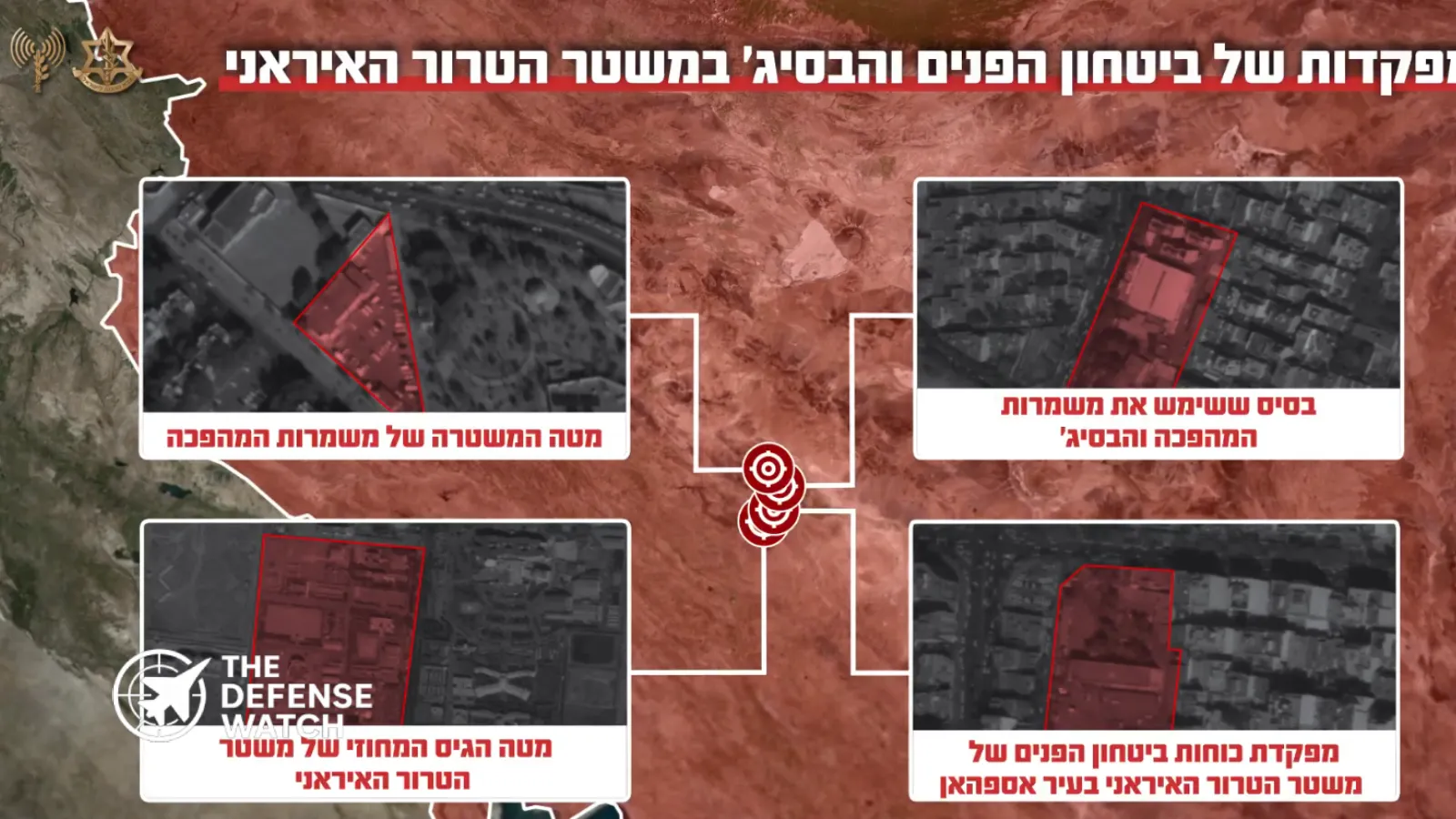
Israeli aircraft also struck facilities connected to Iran’s Internal Security Forces and the Basij militia. These forces form part of the Iranian security structure and operate under the broader authority of the country’s armed forces.
Among the reported targets were:
• Headquarters of a regional corps associated with Iran’s security forces
• The Internal Security Forces headquarters in Isfahan
• A base used by the Islamic Revolutionary Guard Corps and Basij units
• Police headquarters linked to the Revolutionary Guard structure
Israeli officials described the strikes as part of an ongoing campaign designed to degrade the operational foundations of what Israel characterizes as Iran’s security and military system.
Why It Matters
Ballistic missiles remain central to Iran’s military doctrine. Unlike many regional powers, Iran relies heavily on missile forces as a substitute for modern airpower.
International sanctions and export restrictions have limited Iran’s access to advanced combat aircraft. As a result, Tehran has invested heavily in missile programs capable of projecting power across the Middle East.
These missiles serve multiple strategic functions. They provide conventional deterrence against regional adversaries, support Iran’s network of allied militias, and offer the ability to strike military bases and infrastructure at long range.
By targeting rocket engine production facilities and launch infrastructure, Israel aims to disrupt the supply chain that supports Iran’s missile forces.
Strikes on manufacturing sites can be particularly disruptive because rebuilding complex production infrastructure requires time, specialized materials, and skilled personnel.
Strategic Implications
The decision to strike facilities linked to internal security forces carries broader strategic implications beyond missile deterrence.
Iran’s Internal Security Forces and the Basij militia play a key role in maintaining internal stability and enforcing government authority. These organizations have historically been used to suppress domestic unrest and control large scale demonstrations.
Targeting such institutions signals that Israeli operations may increasingly focus on the broader security architecture that supports Iran’s leadership rather than strictly military systems.
For Israel, this approach aims to weaken both the operational and political foundations of Iranian power during a crisis.
Regional stability may also be affected. Direct strikes inside Iranian territory represent a significant escalation compared to the shadow conflict that has historically defined Israeli Iranian competition.
Operations of this scale raise the risk of further retaliation through missile strikes, proxy forces, or maritime attacks.
Competitor View
Iran will likely interpret the strikes as an attempt to degrade both its strategic deterrent and internal security framework.
Tehran has historically responded to similar actions through a combination of asymmetric measures. These include missile launches, cyber operations, and attacks by allied groups operating in Lebanon, Syria, Iraq, and Yemen.
Russia and China will also watch the situation closely. Both countries maintain strategic relationships with Iran and have criticized Israeli and Western military actions in the region in the past.
However, neither country has shown willingness to intervene directly in Israeli Iranian confrontations.
What To Watch Next
Future developments will likely focus on several key indicators.
Military analysts will watch whether additional strikes target underground missile storage facilities or command and control networks tied to Iran’s strategic forces.
Another critical factor will be Iran’s response. Tehran possesses a wide range of retaliatory options, including missile launches, drone attacks, and operations conducted through regional partners.
Regional air defense systems, including those operated by Israel and U.S. forces, may be placed on heightened alert depending on developments.
Diplomatic responses from international actors will also shape how the situation evolves in the coming weeks.
Capability Gap
Israel’s campaign reflects concerns about the survivability and scale of Iran’s missile arsenal.
Iran operates a network of hardened missile facilities, underground launch tunnels, and mobile transporter erector launchers designed to reduce vulnerability to airstrikes.
Destroying launch sites and production infrastructure addresses part of the threat, but mobile systems and concealed storage facilities remain difficult to neutralize entirely.
As a result, Israel continues to emphasize intelligence driven targeting combined with precision airpower to limit Iran’s missile capabilities before they can be deployed.
The Bottom Line
Israel’s latest operation targeting missile infrastructure and security force facilities signals a widening campaign aimed at weakening both Iran’s military capabilities and the institutional structures that sustain them.