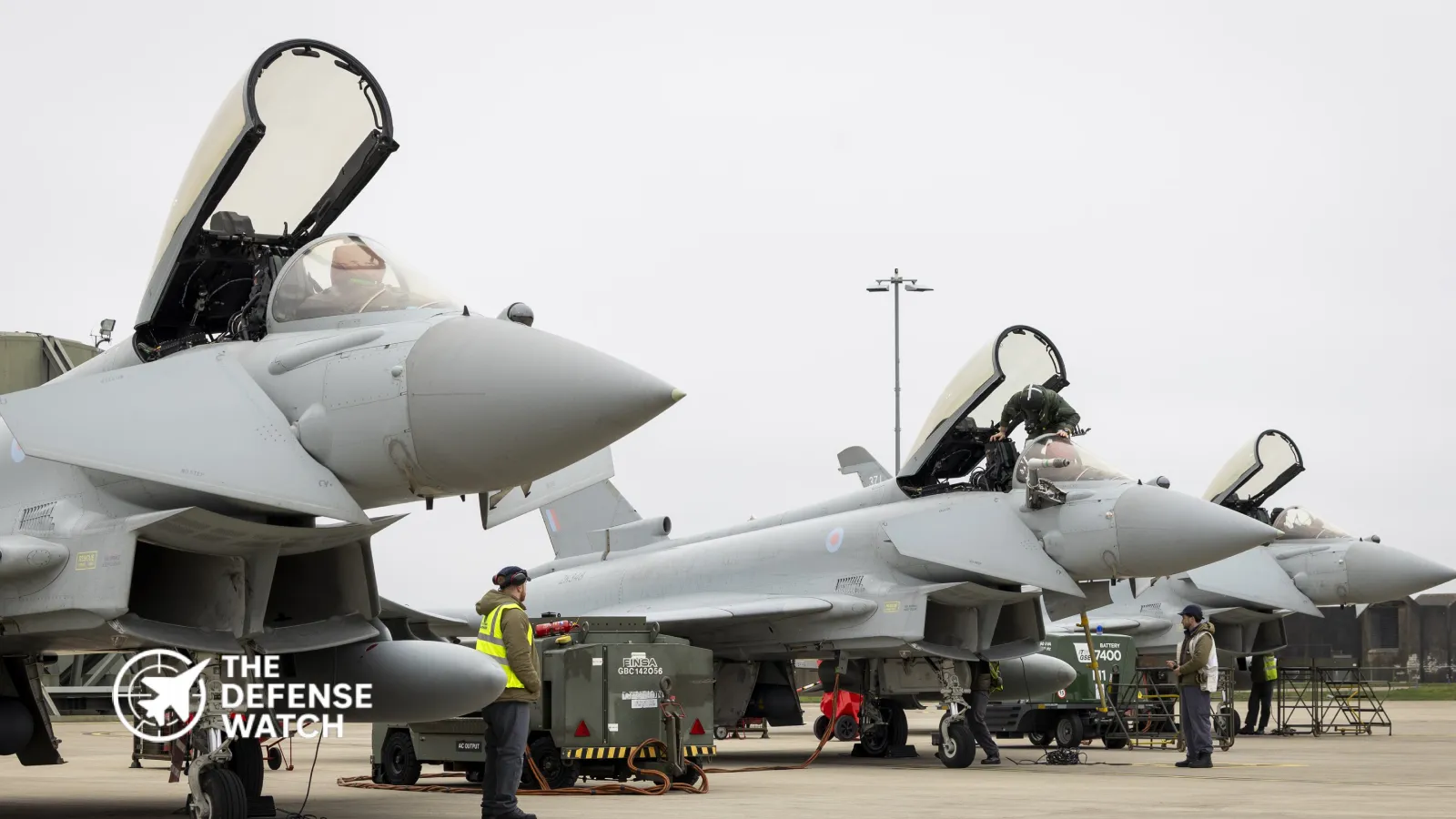
- Four RAF Typhoon fighter jets deployed from RAF Coningsby to Qatar in March 2026.
- Aircraft will integrate with the RAF Typhoon force already operating in the Gulf region.
- Deployment supports air defense operations for regional partners including Bahrain and the UAE.
- RAF personnel from the UK–Qatar joint 12 Squadron will support the mission.
- Move reinforces the UK’s commitment to regional security and collective defense cooperation.
RAF Typhoons Deploy To Qatar
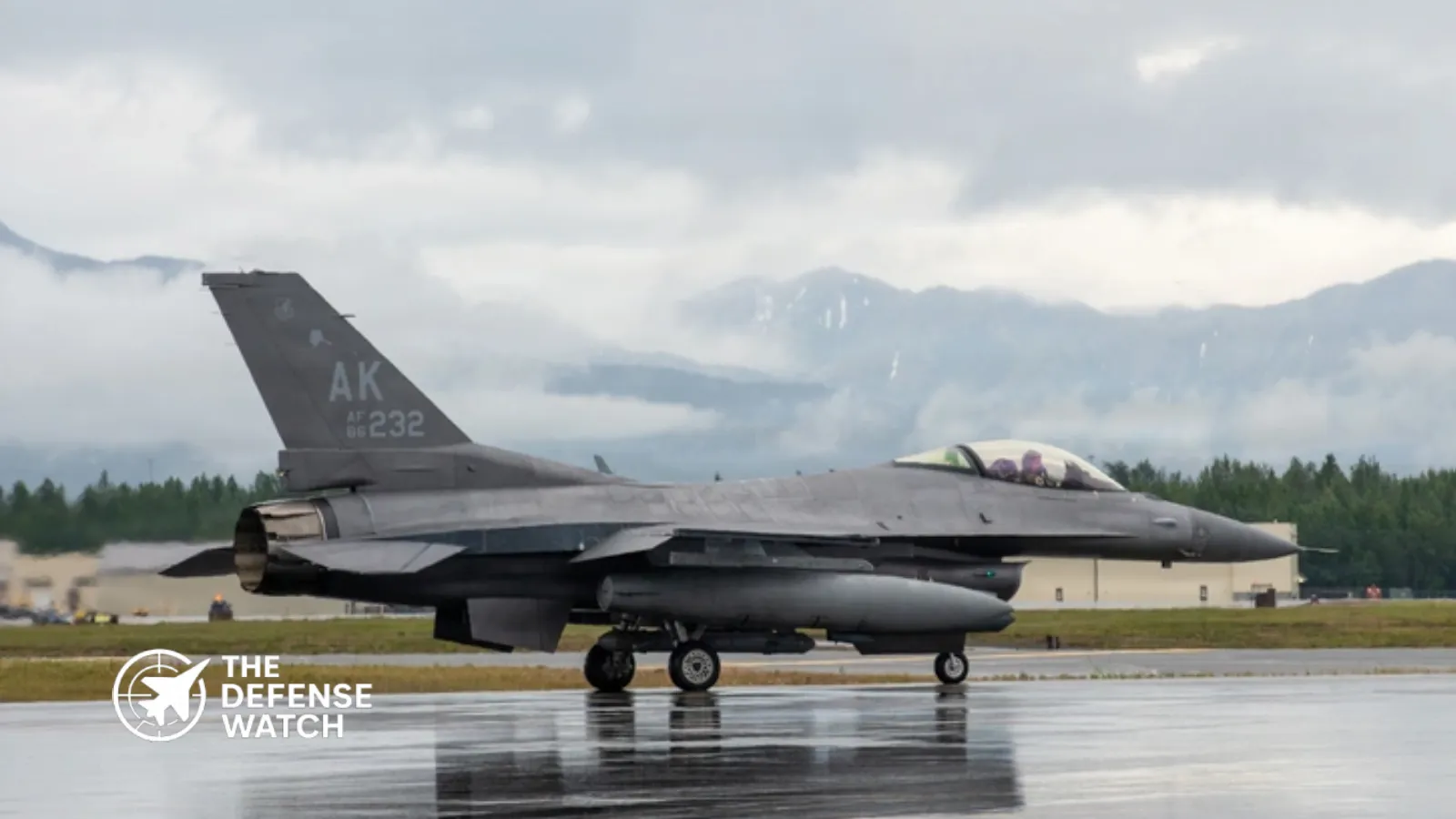
RAF Typhoons deploy to Qatar as part of the United Kingdom’s effort to strengthen its air presence in the Middle East and support regional partners facing growing security challenges. The Royal Air Force confirmed that four Typhoon fighter jets departed RAF Coningsby and arrived in Qatar to reinforce the UK’s existing air assets operating in the region.
The aircraft will integrate with RAF Typhoon units already stationed in the Gulf and operate alongside personnel from the joint UK–Qatar 12 Squadron as well as Qatar’s own Typhoon squadron.
The deployment expands the RAF’s operational capacity in the region and enhances its ability to conduct air defense missions, support coalition operations, and contribute to broader regional stability.
The Big Picture
The RAF Typhoons deploy to Qatar at a time when Middle East security dynamics are becoming increasingly complex. Western militaries have increased their operational presence across the Gulf as tensions and drone threats continue to challenge regional air defenses.
The United Kingdom has maintained a persistent military footprint in the region for decades. Air power has remained a central element of that posture, particularly through fighter deployments, intelligence sharing, and joint training programs with Gulf partners.
Deploying additional Typhoon aircraft reflects the UK’s continuing role in multinational security arrangements designed to protect shipping routes, defend allied airspace, and deter hostile actions across the Gulf region.
Qatar plays an important role in this architecture. The country hosts major coalition military infrastructure and has steadily expanded its own air capabilities through partnerships with Western defense industries.
What’s Happening
Four RAF Typhoon fighters departed RAF Coningsby in eastern England and deployed to Qatar in early March 2026.
The aircraft will join existing RAF Typhoon forces operating in the Gulf and integrate with both RAF personnel and the Qatar Emiri Air Force. The mission includes supporting regional air defense efforts for Gulf partners including Bahrain and the United Arab Emirates.
The deployment also involves personnel from 12 Squadron, a joint RAF and Qatar Emiri Air Force unit established to deepen operational cooperation between the two countries.
RAF officials say the move demonstrates the service’s ability to rapidly reinforce deployed combat air assets and respond to emerging security requirements.
The Eurofighter Typhoon remains the RAF’s primary multirole combat aircraft. It can perform air superiority, defensive counter air, and precision strike missions, making it well suited for coalition air operations and regional air policing.
Why It Matters
Forward deployment of fighter aircraft provides a rapid response capability that is critical in the Gulf region. Air defense threats in the Middle East increasingly include cruise missiles, drones, and other unmanned systems that can appear with little warning.
(adsbygoogle = window.adsbygoogle || []).push({});Typhoon aircraft equipped with advanced radar, long range air to air missiles, and precision strike weapons can help detect and intercept aerial threats before they reach critical infrastructure or population centers.
The deployment also strengthens integrated air defense cooperation among Gulf partners and Western allies.
Military planners often rely on distributed fighter forces across several regional bases. This approach improves operational resilience and reduces vulnerability to surprise attacks against a single airfield.
The presence of additional RAF Typhoons therefore increases both operational flexibility and deterrence.
Strategic Implications
The RAF Typhoons deploy to Qatar as part of a broader Western effort to maintain military stability across the Middle East.
Forward based fighter aircraft allow the United Kingdom and its allies to respond quickly to emerging threats. They also enable coalition forces to conduct air patrols, intercept suspicious aircraft or drones, and support defensive operations across the region.
The deployment reinforces Britain’s long standing defense relationship with Qatar. The two countries operate a unique joint squadron, 12 Squadron, which integrates pilots, maintainers, and operational planning personnel from both air forces.
This partnership supports Qatar’s development of its own Typhoon capability while providing the RAF with valuable operational experience working alongside Gulf air forces.
In strategic terms, these deployments help sustain a layered security architecture that includes naval forces, missile defense systems, and coalition air power across the region.
Competitor View
Regional rivals and strategic competitors closely monitor Western air deployments in the Gulf.
Countries such as Iran often interpret increases in coalition air power as part of a broader deterrence posture aimed at countering missile and drone threats. Additional fighter aircraft also complicate any potential attempt to challenge coalition air superiority in the region.
For competitors, the presence of advanced fighters like the Typhoon signals that Western forces maintain a rapid reinforcement capability and can scale up air operations quickly if the security situation deteriorates.
At the same time, Gulf partners view these deployments as reassurance that Western security commitments remain active.
Capability Gap
The RAF Typhoons deploy to Qatar partly to address the growing challenge posed by unmanned aerial threats and long range missile systems.
(adsbygoogle = window.adsbygoogle || []).push({});Small drones and loitering munitions have become common tools in regional conflicts. These systems are inexpensive but can threaten military facilities, shipping lanes, and critical energy infrastructure.
Fighter aircraft equipped with modern sensors and air to air weapons provide one layer of defense against these threats.
However, air power alone cannot eliminate the risk. Effective defense requires integrated systems that combine fighters, ground based air defense, early warning radars, and electronic warfare capabilities.
The Typhoon deployment therefore contributes to a broader defensive network rather than acting as a standalone solution.
What To Watch Next
Several developments will determine the long term impact of this deployment.
First, the RAF may adjust the size or duration of its fighter presence depending on the regional security situation. Reinforcements could include additional aircraft, support personnel, or aerial refueling assets.
Second, joint operations between RAF and Qatar Emiri Air Force units will likely expand as Qatar continues to build its Typhoon fleet and operational expertise.
Third, the deployment may feed into broader multinational air defense coordination efforts involving NATO partners and Gulf Cooperation Council states.
(adsbygoogle = window.adsbygoogle || []).push({});These trends suggest that the Gulf will remain a key theater for Western air power deployments in the coming years.
The Bottom Line
The deployment of RAF Typhoons to Qatar strengthens coalition air power in the Gulf while reinforcing the United Kingdom’s long standing defense commitments to regional security.