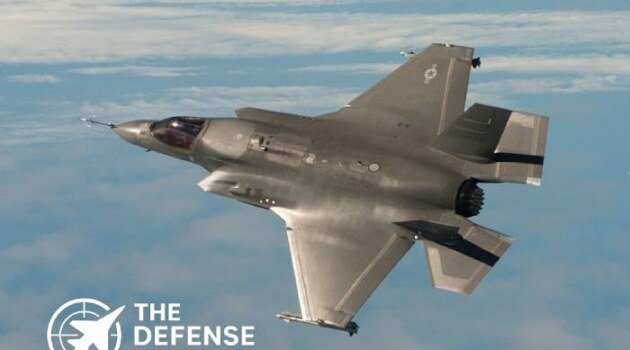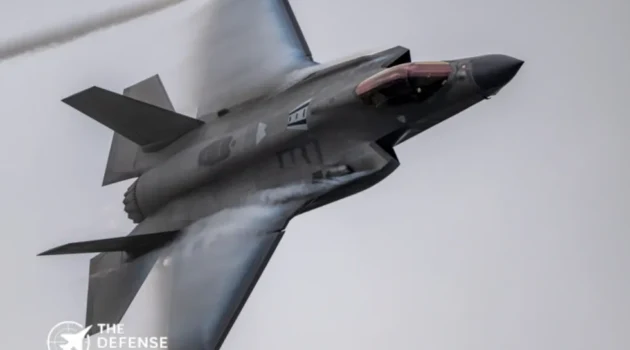

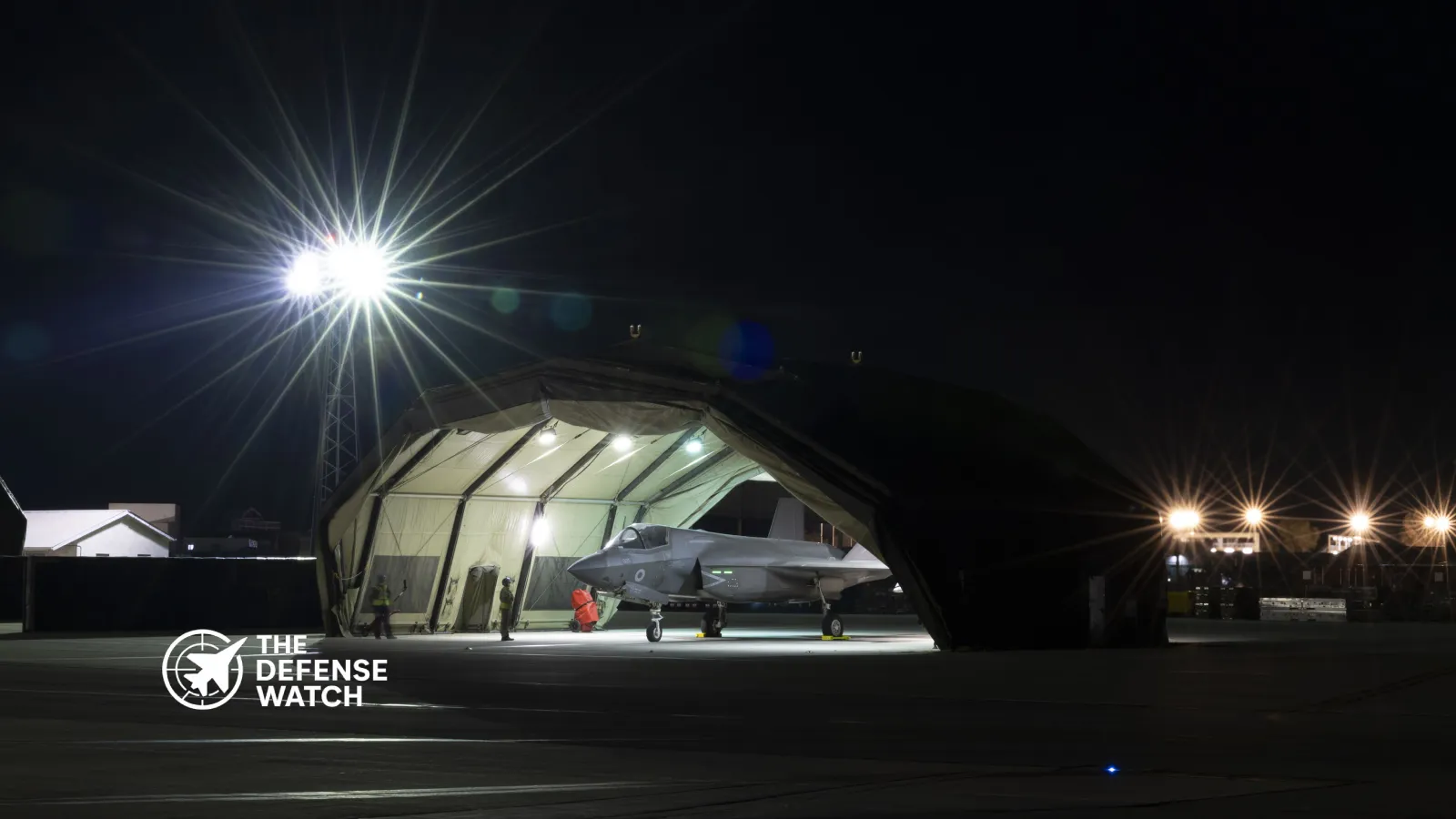
- RAF F-35B stealth fighter jets shot down two hostile drones during a mission over Jordan.
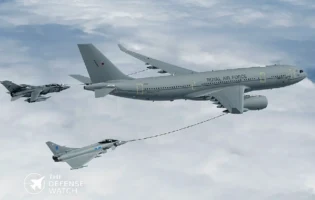
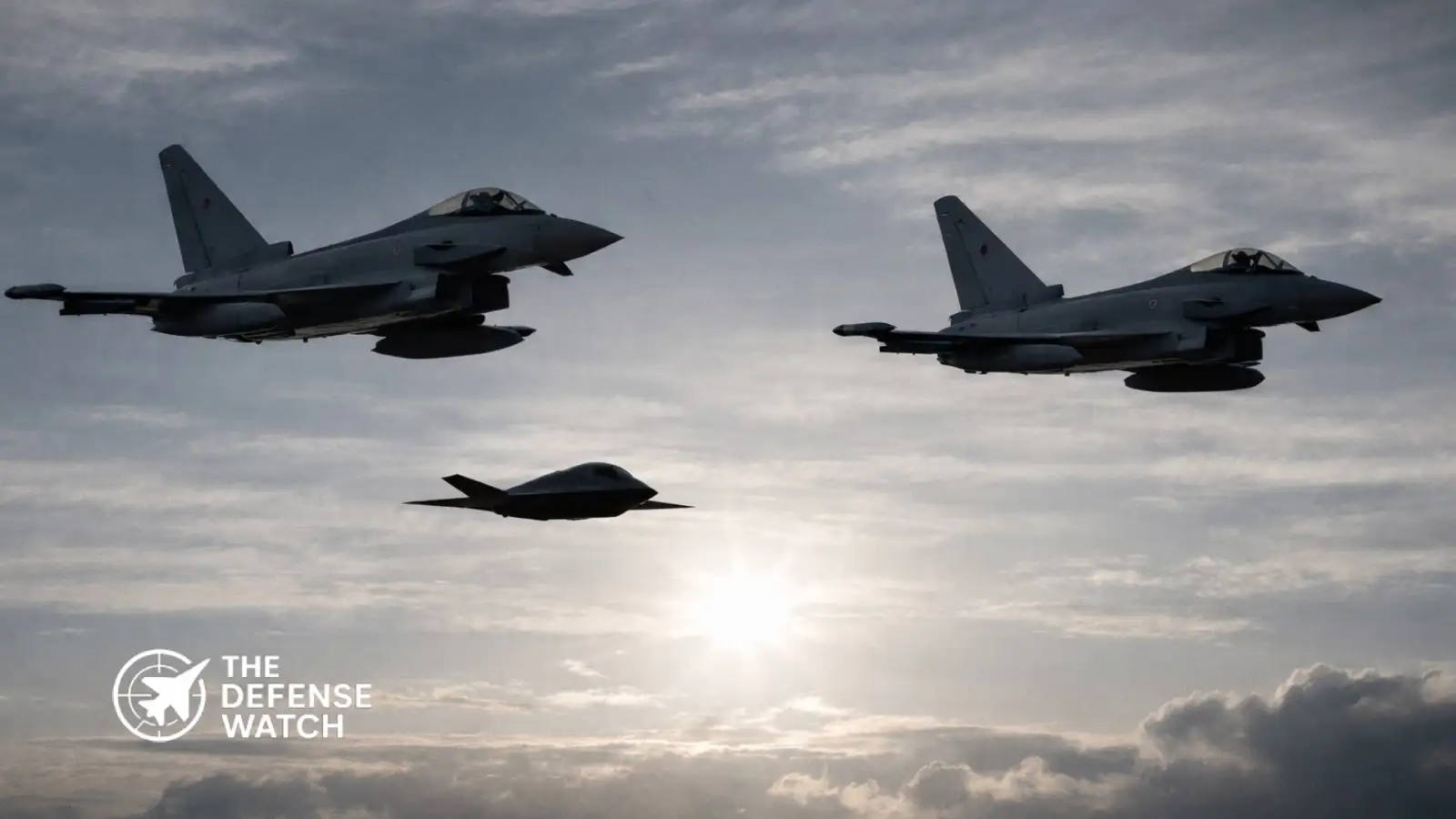
- The aircraft used ASRAAM air-to-air missiles and operated alongside RAF Typhoon fighters and a Voyager tanker.
- The engagement marks the first confirmed operational combat kill for the United Kingdom’s F-35 fleet.
- The mission was launched from RAF Akrotiri in Cyprus amid rising Iranian drone activity across the region.
- The incident highlights the growing role of fifth-generation fighters in counter-drone air defense missions.
RAF F-35B Shoots Down Hostile Drones In First Combat Kill
RAF F-35B stealth fighters have achieved their first operational combat kills after intercepting and destroying two hostile drones during a mission over Jordan. The milestone engagement marks the first time the United Kingdom’s F-35 fleet has successfully destroyed aerial targets during combat operations.
The aircraft were operating as part of a defensive patrol supported by RAF Typhoon fighters and a Voyager air-to-air refueling tanker. During the mission, the F-35 pilot detected the unmanned aerial systems on radar and engaged them using AIM-132 ASRAAM air-to-air missiles.
British officials confirmed the mission took place amid heightened regional tensions and an increase in drone activity targeting Western and allied interests in the Middle East.
The Big Picture
Drone warfare has rapidly reshaped modern air defense priorities. Low-cost unmanned aerial systems are now widely used by state and non-state actors to strike military bases, infrastructure, and logistics hubs.
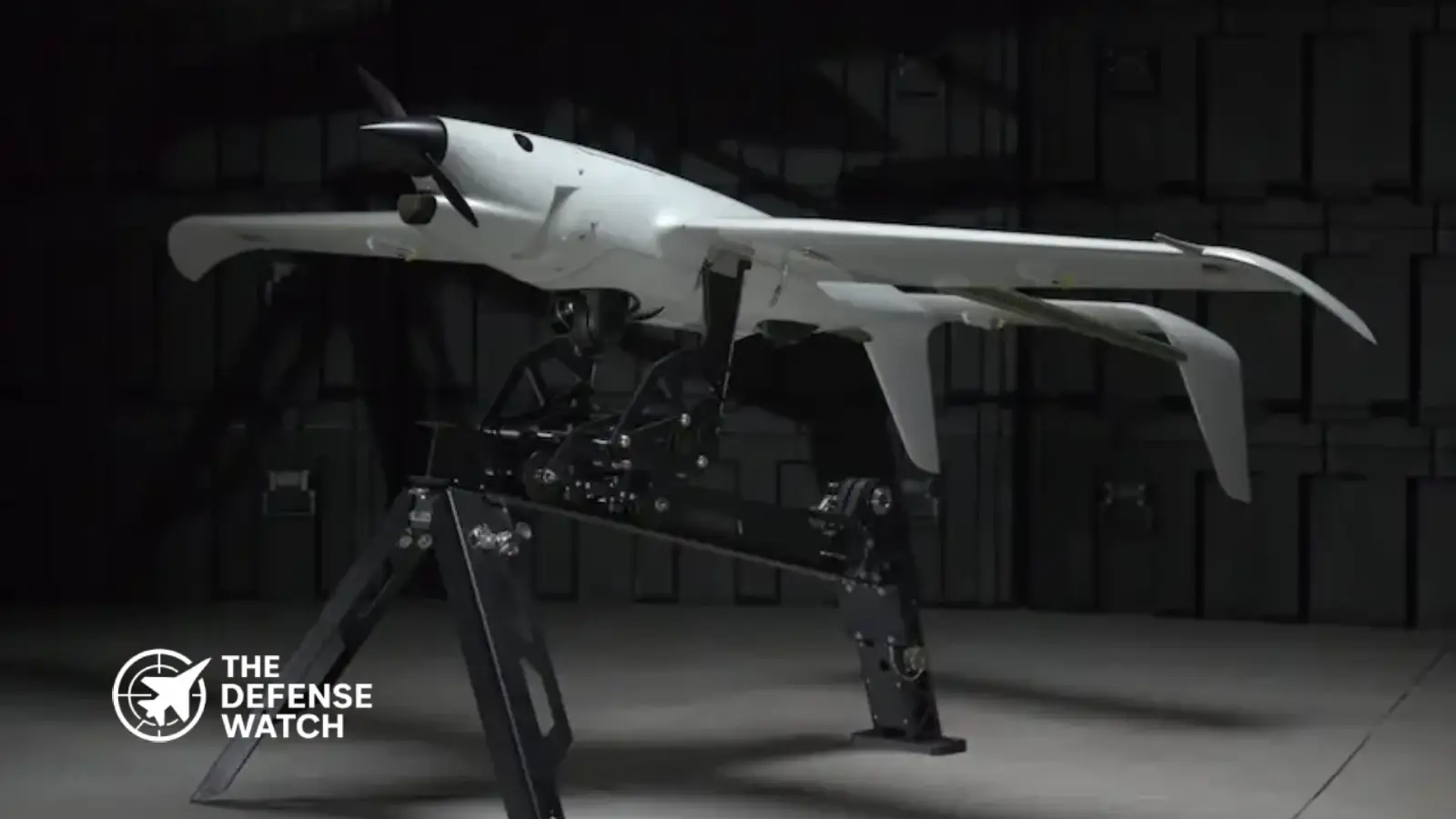
In recent years, Iranian-designed one-way attack drones, including Shahed-type systems, have emerged as a persistent threat across the Middle East and Eastern Europe. Their relatively low cost and ability to fly long distances make them difficult targets for traditional air defense networks.
Western air forces increasingly rely on a layered approach to counter these threats. Ground-based missile systems, electronic warfare units, and fighter aircraft all play roles in detecting and intercepting hostile drones.
The RAF F-35B combat kill demonstrates how fifth-generation fighter aircraft are becoming part of that defensive architecture.
What’s Happening
The engagement occurred during a defensive patrol over Jordanian airspace as part of regional security operations. The F-35B aircraft had deployed to RAF Akrotiri in Cyprus earlier in the year to support British and coalition missions in the Middle East.
While on patrol, the stealth fighter detected two hostile drones approaching the area. The pilot coordinated with accompanying Typhoon aircraft to verify the targets before engaging.
Correct identification was critical because the airspace was crowded with aircraft from multiple allied nations conducting simultaneous operations.
After confirming the targets as hostile unmanned aerial systems, the pilot launched ASRAAM missiles that successfully destroyed both drones.
The interception followed a separate drone incident in which a small unmanned aircraft struck RAF Akrotiri, raising concerns about the vulnerability of regional bases to low-cost aerial threats.
Why It Matters
The RAF F-35B combat kill represents a significant operational milestone for the United Kingdom’s fifth-generation fighter program.
Although the F-35 platform has been used in combat by several operators, including the United States and Israel, this marks the first time the UK’s stealth fighter fleet has destroyed an aerial target during operations.
The engagement also highlights the versatility of the F-35B. Originally designed to penetrate contested airspace and conduct precision strikes, the aircraft is increasingly used for air defense and counter-drone missions.
Its advanced sensor suite allows pilots to detect small targets at long distances while maintaining situational awareness across complex battle environments.
In crowded operational theaters such as the Middle East, this capability becomes critical for preventing friendly-fire incidents while responding quickly to emerging threats.
Strategic Implications
The successful interception reflects the evolving role of stealth fighters in integrated air defense.
Traditional fighter aircraft often rely on ground-based radar networks for targeting information. The F-35, however, acts as a sensor node within a broader combat network.
Its onboard radar, electronic surveillance systems, and data fusion capabilities allow it to track multiple targets and share information with other aircraft, ships, and ground forces.
In practice, this turns the aircraft into a command-and-control asset as well as a strike platform.
(adsbygoogle = window.adsbygoogle || []).push({});For NATO and coalition operations, that capability strengthens the ability to defend forward bases and allied territory against increasingly sophisticated drone threats.
The mission also underscores the importance of RAF Akrotiri as a strategic hub for British military operations in the Middle East.
Competitor View
Adversaries closely monitor operational performance of Western stealth aircraft.
Iran and Russia have invested heavily in drone technology as a cost-effective way to challenge Western air superiority. Shahed-type systems, for example, are designed to overwhelm defenses through numbers rather than speed or survivability.
The RAF F-35B interception demonstrates that advanced fighters can effectively counter these platforms when supported by networked sensors and allied aircraft.
However, it also highlights the economic asymmetry of drone warfare. Air-to-air missiles used by fighter jets often cost significantly more than the drones they destroy.
This dynamic continues to drive research into lower-cost counter-drone technologies such as directed energy weapons, electronic warfare systems, and rapid-fire gun defenses.
What To Watch Next
The RAF continues to expand operational experience with the F-35B as the aircraft becomes a central element of Britain’s air power strategy.
Future deployments will likely focus on integrating the stealth fighter with naval carrier strike groups and allied air defense networks.
The United Kingdom also plans to grow its F-35 fleet over the coming decade, supporting both Royal Air Force and Royal Navy operations.
Operational data from real-world missions such as this interception will shape future tactics for counter-drone warfare and airspace management.
Capability Gap
The incident highlights a growing challenge for modern militaries: defending against large numbers of inexpensive drones.
While advanced fighters can intercept individual targets effectively, relying on high-value aircraft and expensive missiles for routine counter-drone operations may not be sustainable in large-scale conflicts.
To address this gap, Western militaries are investing in layered defenses that combine fighters, ground-based air defense systems, electronic warfare tools, and emerging directed energy weapons.
(adsbygoogle = window.adsbygoogle || []).push({});The goal is to create a cost-effective system capable of defeating both high-end missiles and swarms of inexpensive unmanned aircraft.
The Bottom Line
The RAF F-35B’s first combat kill demonstrates how fifth-generation fighters are becoming critical assets in modern counter-drone air defense operations.