Canada Expands Ukraine Air Defense Support Ahead of Winter
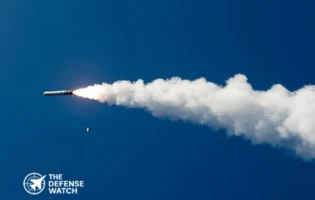
Canada is providing approximately C$350 million for air defense interceptors for Ukraine as President Volodymyr Zelenskyy and Prime Minister Mark Carney met in Calgary on September 10, with Kyiv preparing for another winter of Russian missile and drone attacks. The Canadian government said the funding will move through the U.S. Joint Ukraine Multinational Program, Services, Training and Articles Rapid Timeline, or JUMPSTART, to help address Ukraine’s urgent interceptor requirements.
- Canada Expands Ukraine Air Defense Support Ahead of Winter
- Takeaways
- Canada Will Fund Additional Air Defense Interceptors
- Why Interceptor Supply Matters
- Russia’s Expanding Drone Threat Adds Pressure
- Canada Expands Drone Production With Ukraine
- A Broader Canada-Ukraine Defense Industrial Partnership
- Winter Preparation Extends Beyond Air Defense
- FREYJA Adds a Longer-Term Anti-Ballistic Layer
- What It Means for U.S. and NATO Air Defense
- The Larger Strategic Picture
- Conclusion
Takeaways
Canada is expanding support for Ukraine’s air defense while building a broader defense-industrial partnership focused on drones, interceptors and winter resilience.
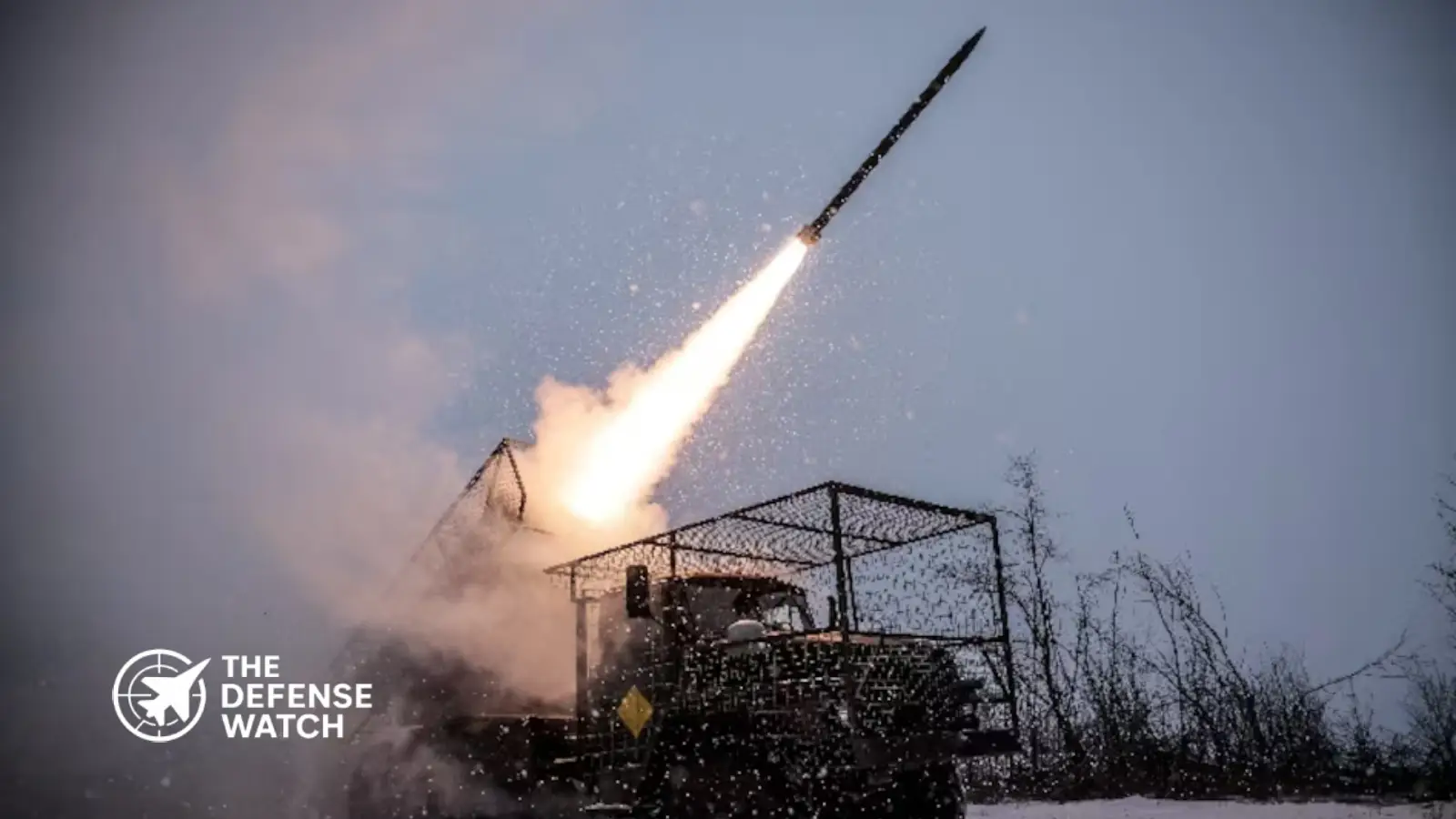
The announcement comes as Russia has intensified long-range attacks against Ukrainian cities and critical infrastructure. Recent Russian strikes have included ballistic and cruise missiles, drones and newer jet-powered attack drones, increasing pressure on Ukraine’s limited stocks of air defense interceptors.
The Canadian package is therefore focused on one of the most difficult problems facing Ukraine: maintaining enough interceptor capacity to protect major population centers, energy infrastructure and military facilities while Russian forces continue launching large numbers of relatively inexpensive aerial weapons.
Canada Will Fund Additional Air Defense Interceptors
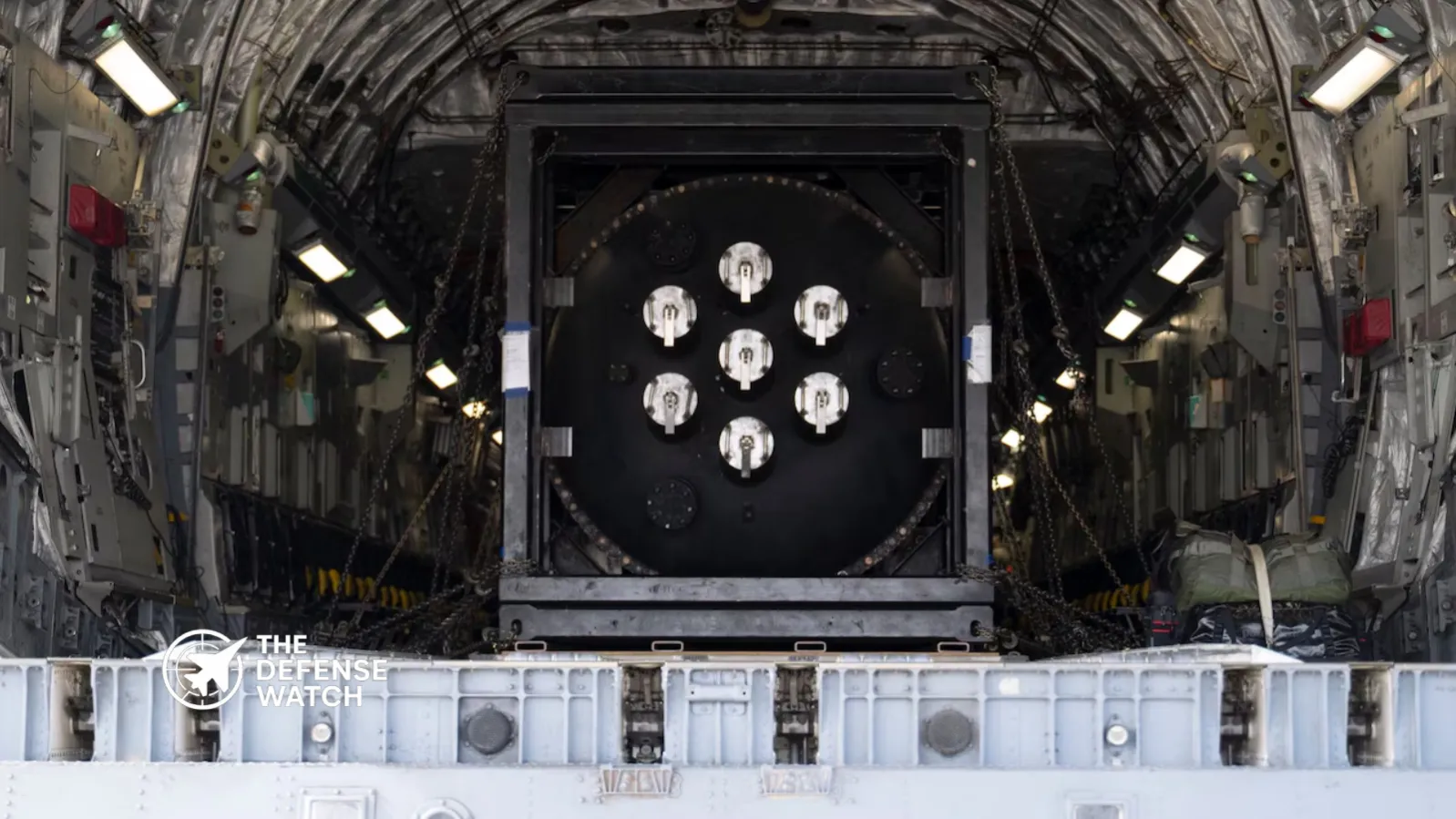
Ottawa’s C$350 million commitment will be delivered through JUMPSTART rather than as a direct Canadian transfer of a named missile system.
Canada’s announcement did not identify the exact interceptor types, quantities or delivery schedule. The distinction is important because the funding should not automatically be described as a direct Canadian purchase of a specific number of Patriot missiles.
Ukraine, however, has repeatedly identified Patriot interceptors as a priority requirement.
Zelenskyy said after his meeting with Carney that the broader Canadian government package would include funding for missiles for Patriot systems, ammunition for Ukraine’s F-16 fleet and expanded drone co-production. Ukraine’s presidential office described the total agreements from the visit as exceeding $2 billion, including government and business commitments across defense and energy sectors.
Canada’s own announcement specifically identifies approximately C$350 million for air defense interceptors through JUMPSTART. That figure should therefore be treated separately from the wider package discussed by the Ukrainian side.
What The Air Defense Funding Covers
| Area | Canadian commitment or position |
|---|---|
| Air defense | Approximately C$350 million |
| Delivery mechanism | U.S. JUMPSTART program |
| Priority requirement | Critical air defense interceptors |
| Patriot systems | Ukraine identifies Patriot interceptors as a key requirement |
| Exact missile quantity | Not disclosed |
| Delivery schedule | Not disclosed |
| Wider Canadian military support | More than C$8.5 billion since Russia’s full-scale invasion |
Canada said its new contribution builds on previous air defense assistance, including a donated NASAMS system and more than C$1.2 billion committed to priority air defense initiatives. That includes C$1.18 billion for NATO’s Prioritised Ukraine Requirements List, C$76 million for Germany’s Enduring Action on Air Defence initiative and C$33 million for the United Kingdom’s Air Defence Consortium.
Why Interceptor Supply Matters
The central challenge is not simply the number of air defense launchers available to Ukraine. It is also the rate at which those systems consume interceptors.
Ukraine operates a layered air defense network that includes systems designed for different threat classes. Shorter-range systems can engage some drones and cruise missiles, while higher-end systems are required for more demanding targets, including ballistic missiles.
Patriot is particularly important because Ukraine has repeatedly relied on it against Russian ballistic missile threats. Zelenskyy said in early September that ballistic missiles remained especially difficult to intercept and that Ukrainian interceptor stocks were under severe pressure.
This creates a difficult economic and operational problem.
Russia can launch large numbers of comparatively inexpensive drones alongside more expensive missiles, forcing Ukraine to decide how to allocate a finite supply of interceptors. The effectiveness of the overall air defense network therefore depends not only on individual system performance but also on the availability, cost and replenishment rate of ammunition.
Canada’s funding addresses part of that broader sustainment problem.
Russia’s Expanding Drone Threat Adds Pressure
The interceptor issue is becoming more complicated as Russia expands its use of drones and develops faster attack variants.
Ukraine said in early September that it was accelerating development of high-speed interceptors designed specifically to counter jet-powered Shahed-type attack drones. Ukrainian authorities said prototypes had already been developed and that work was continuing to bring the systems to the required level of effectiveness.
That development points to an increasingly diversified aerial threat.
Traditional air defense architecture was designed around a mixture of aircraft and missiles. The current battlefield requires forces to defend against large numbers of one-way attack drones, cruise missiles, ballistic missiles and increasingly fast unmanned aircraft.
The result is a growing requirement for layered and cost-effective air defense, rather than relying exclusively on expensive high-end interceptors.
Canada Expands Drone Production With Ukraine
The Calgary agreement extends beyond immediate air defense ammunition.
Canada announced the creation of the Defence Drone Initiative Marketplace Supply Arrangement, a national procurement mechanism intended to accelerate acquisition of uncrewed and counter-uncrewed systems for Canadian forces and the Coast Guard.
Ottawa said nearly 400 suppliers have qualified and that initial contracts worth up to C$50 million have been awarded. The initial purchases are expected to increase the number of drones currently deployed by the Canadian Armed Forces tenfold.
Canada also said it wants its domestic industry to develop the capacity to manufacture millions of drones over the next two years.
The significance extends beyond Ukraine. Ottawa says uncrewed systems are increasingly important for surveillance, force protection, precision effects, contested logistics and maritime and Arctic awareness.
For Canada, the partnership provides a way to combine Ukrainian combat experience with Canadian manufacturing, software, artificial intelligence and industrial capacity.
A Broader Canada-Ukraine Defense Industrial Partnership
The two governments also agreed to deepen cooperation on the joint production of uncrewed systems, counter-drone technologies, electronic disruption capabilities and ammunition.
The arrangement builds on earlier Canada-Ukraine defense industrial cooperation and reflects a wider shift among Western militaries toward faster procurement cycles and greater production capacity for relatively inexpensive autonomous systems.
This matters because Ukraine’s battlefield experience has provided extensive operational feedback on drones, electronic warfare and counter-drone systems.
For Canada and other NATO members, the value is not limited to transferring equipment to Ukraine. Lessons from Ukraine can inform the development of systems intended for Canada’s own forces, including operations in remote and Arctic environments.
The Canadian government explicitly identifies uncrewed systems as a sovereign capability for persistent surveillance, force protection, precision effects, contested logistics and maritime and Arctic awareness.
Winter Preparation Extends Beyond Air Defense
Air defense is only one component of Ukraine’s winter defense requirements.
Russia has repeatedly targeted Ukraine’s energy infrastructure, creating a direct connection between missile defense and national resilience. Protecting power-generation facilities, substations and other critical infrastructure reduces the potential impact of strikes, but Ukraine also needs replacement equipment, fuel and backup generation capacity.
Canada announced nearly C$435 million in new loan guarantees through the European Bank for Reconstruction and Development to support energy security, including winter gas purchases and secondary generators for electricity shortages.
The Canadian and Ukrainian governments also signed a joint statement on energy cooperation covering energy security, recovery, infrastructure and technological cooperation.
The combined package therefore addresses two linked problems: intercepting attacks and maintaining essential services when some attacks penetrate the defensive network.
FREYJA Adds a Longer-Term Anti-Ballistic Layer
Canada also expressed support for Ukraine’s FREYJA anti-ballistic missile initiative.
The Canadian prime minister’s office said Carney and Zelenskyy discussed Canada’s support for Project Freya, a European effort aimed at developing a lower-cost, high-volume interceptor capable of countering Russian ballistic missile attacks.
The initiative is significant because ballistic missile defense remains one of the most demanding and expensive parts of Ukraine’s defensive architecture.
A future lower-cost interceptor could complement existing high-end systems rather than replace them. The strategic objective would be to increase the number of available engagements while reducing pressure on premium interceptors.
Ukraine has been working with European partners on this broader anti-ballistic effort, while also pursuing arrangements connected with domestic production of air defense interceptors.
What It Means for U.S. and NATO Air Defense
The Canadian decision also has implications for the wider NATO defense-industrial system.
Canada is not simply providing a standalone national weapons package. By routing approximately C$350 million through JUMPSTART, Ottawa is contributing financial resources to a multinational mechanism designed to address Ukraine’s urgent equipment requirements.
That approach can help coordinate purchases across allied countries while reducing the need for each donor to independently source, configure and deliver every component.
The arrangement also reinforces an emerging division of effort among Ukraine’s supporters. High-end air defense systems and interceptors remain dependent on a limited industrial base, while Ukraine and its partners are simultaneously trying to expand production of lower-cost drones and counter-drone systems.
For NATO, the lesson is broader than Ukraine’s immediate requirements. The war has demonstrated that modern air defense must be designed around sustained ammunition consumption, mixed threat types and the possibility of prolonged high-volume attacks.
The Larger Strategic Picture
Canada’s September 10 package combines immediate military assistance with long-term industrial cooperation.
The near-term priority is clear: Ukraine needs more interceptors before another winter of Russian missile and drone attacks. Canada’s C$350 million JUMPSTART contribution directly supports that requirement, while additional Canadian commitments address energy resilience and other defense needs.
The longer-term element is equally important. Canada and Ukraine are attempting to create production relationships around drones, counter-drone systems, electronic disruption and ammunition rather than relying solely on one-way transfers of finished equipment.
That model could become increasingly important across NATO as governments seek to expand defense production while incorporating lessons from Ukraine’s battlefield experience.
For Ukraine, the immediate measure of success will remain practical: more interceptors, greater air defense availability and improved protection of critical infrastructure through the winter.
For Canada and its NATO partners, the agreement represents a broader effort to connect defense assistance with industrial capacity, technology development and sustained production.
Conclusion
Canada is strengthening Ukraine’s air defense at a critical point in the war, committing approximately C$350 million for interceptors through the U.S. JUMPSTART mechanism while expanding cooperation on drones, counter-drone technology and defense production.
The package does not solve Ukraine’s interceptor shortage by itself, and Ottawa has not disclosed the precise number or types of missiles to be delivered through the new funding.
Its significance is therefore best understood as part of a larger effort to build a sustainable Ukrainian air defense and defense-industrial architecture. With Russia continuing large-scale aerial attacks and winter approaching, the ability to replenish interceptors, protect energy infrastructure and produce lower-cost defensive systems will remain central to Ukraine’s military resilience.