Saab Pitches Comprehensive Industrial Plan for Gripen E Production in India
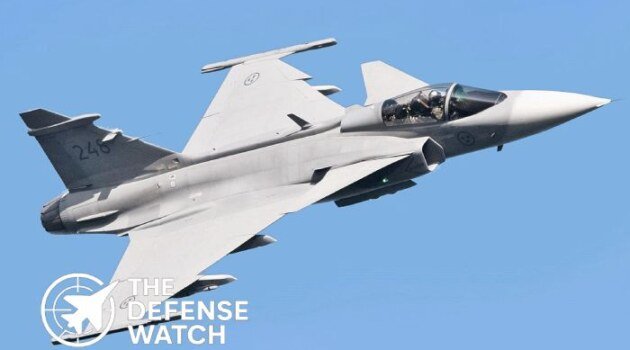
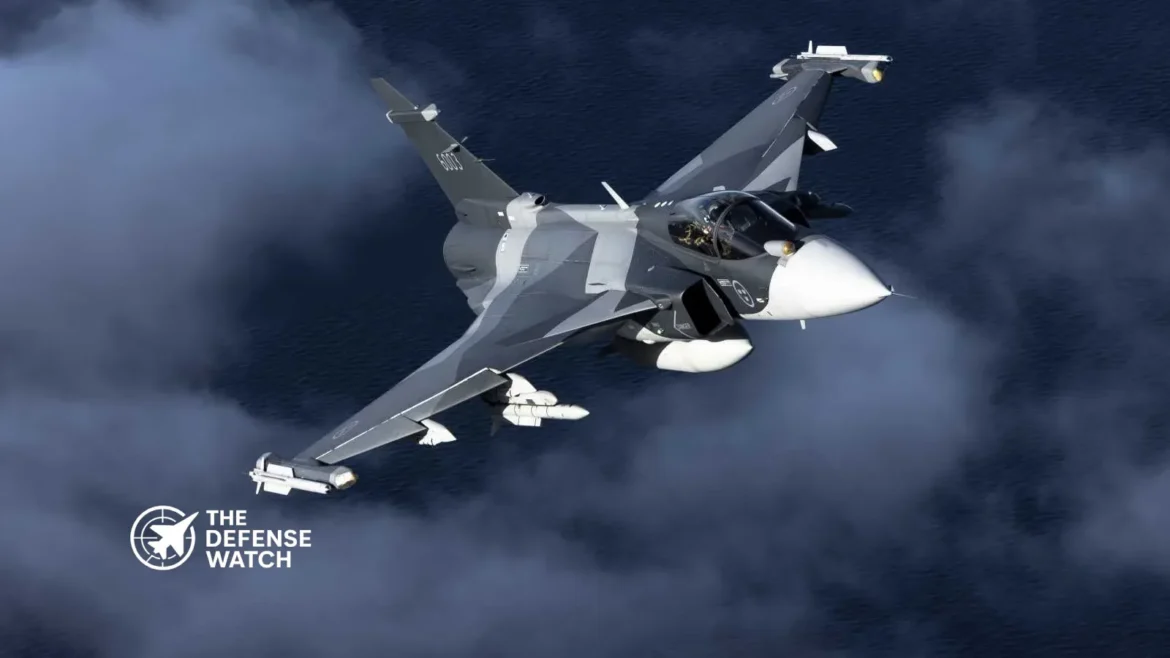
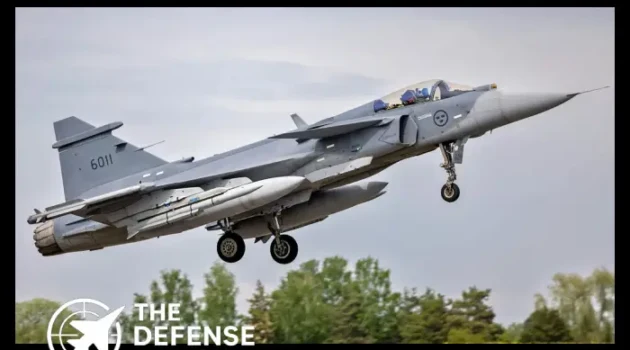
Swedish defense manufacturer Saab AB has formally offered the Gripen E multirole fighter jet to the Government of India, presenting a comprehensive industrial partnership that extends beyond aircraft sales to include design, production, and long-term sustainment capabilities across India’s defense manufacturing sector.
(adsbygoogle = window.adsbygoogle || []).push({});Speaking at the Singapore Airshow on February 9, 2026, Mikael Franzén, Saab’s Chief Marketing Officer for Gripen and Vice President of Business Area Aeronautics, revealed that the proposal involves more than 300 tier 1, tier 2, and tier 3 companies, including micro, small, and medium enterprises throughout India. According to Franzén, deliveries could commence as early as the third year following contract signature, with aircraft initially manufactured in Sweden before production rapidly transitions to Indian facilities.
The offer comes at a critical time for the Indian Air Force, which currently operates well below its authorized strength of 42 squadrons. The IAF’s existing fleet includes Dassault Rafale, HAL Tejas, Sukhoi Su-30MKI, upgraded MiG-29, Mirage 2000, and Jaguar aircraft, but retirements of older platforms such as the MiG-21 have outpaced new inductions.
Strategic Positioning Between Rafale and Tejas
Saab positions the Gripen E as a complementary platform that fills the operational gap between India’s heavyweight Rafale fighters and the domestically produced Tejas light combat aircraft. Franzén emphasized that the Gripen E could be inducted quickly and in larger numbers compared to heavier twin-engine fighters, directly addressing the IAF’s numerical deficiency while reducing operational pressure on higher-cost assets during routine air defense and tactical missions.
(adsbygoogle = window.adsbygoogle || []).push({});The Gripen E represents a medium-weight, single-engine fighter with a maximum takeoff weight of 16,500 kg. Powered by the General Electric F414G turbofan engine producing 98 kN of thrust, the aircraft achieves speeds exceeding Mach 2 and features ten external hardpoints capable of carrying a diverse weapons loadout including Meteor beyond-visual-range missiles and IRIS-T short-range air-to-air missiles.
Advanced Sensor Fusion and Software Autonomy
The Gripen E integrates several advanced systems that distinguish it from competitors in the Indian procurement landscape. The aircraft features the Raven ES-05 active electronically scanned array radar mounted on a repositionable swashplate, providing expanded field of regard. This radar works in conjunction with an infrared search and track system and an internal electronic warfare suite to deliver 360-degree spherical coverage.
A significant technological differentiator highlighted by Saab is the aircraft’s modular mission system architecture, which separates mission-critical software from flight-critical systems. According to Saab, this design allows operators to develop, qualify, and certify their own mission software—including electronic warfare logic and artificial intelligence functions—without manufacturer involvement. This capability contrasts with platforms where upgrade cycles remain tightly controlled by original equipment manufacturers.
(adsbygoogle = window.adsbygoogle || []).push({});The Gripen E recently completed its first artificial intelligence-controlled flight, demonstrating the platform’s potential for integrating national AI software directly into the avionics core. For the Indian Air Force, this could enable autonomous capability development aligned with indigenous defense initiatives without prolonged fleet grounding due to foreign certification schedules.
Austere Basing and Rapid Turnaround Capabilities
Unlike conventional fighters optimized for established air base infrastructure, the Gripen E is specifically engineered for dispersed operations from unprepared bases, highways, and short airstrips. Saab states the aircraft can be refueled and rearmed for air-to-air missions in under 15 minutes with minimal ground crew requirements, with general combat turnaround times ranging from 15 to 25 minutes.
This austere basing capability aligns with distributed operations concepts and provides operational resilience against potential adversary strikes on fixed air bases. The design also incorporates extreme climate tolerance, addressing India’s diverse operational environments from high-altitude Himalayan sectors to tropical coastal regions.
The airframe measures 15.2 meters in length with an 8.6-meter wingspan and is equipped with a Mauser BK 27mm internal cannon on single-seat variants. The aircraft’s certified maneuvering limit extends to +9g, supporting high-performance air combat maneuvering.
(adsbygoogle = window.adsbygoogle || []).push({});Addressing India’s Fighter Fleet Challenges
India’s procurement challenges extend beyond simple aircraft acquisition. The IAF has sought assistance from Oman and Ecuador to maintain its aging Jaguar strike aircraft fleet, and recently signed an agreement with a U.S. company to modernize approximately 100 Russian-origin MiG-29 fighters. Simultaneously, India continues evaluating options for fifth-generation stealth fighters, including the indigenous Advanced Medium Combat Aircraft (AMCA), Lockheed Martin’s F-35, and Russia’s Su-57.
The Gripen E proposal addresses multiple challenges simultaneously: expanding the number of mission-ready fighters available to squadron commanders, establishing scalable domestic production infrastructure to rebuild squadron strength, and providing a technology platform capable of long-term modernization with minimal foreign dependency.
The industrial partnership proposed by Saab would create multi-tier supply chains incorporating Indian companies across design, manufacturing, and sustainment activities. This approach mirrors India’s “Make in India” defense manufacturing objectives while potentially accelerating technology transfer beyond traditional offset arrangements.
Interoperability and Network-Centric Operations
The Gripen E’s avionics suite supports multi-sensor data fusion and networked operations through integrated communication systems including Link 16, national tactical data links, and IFF Mode 5 identification. The cockpit features a wide-area display and helmet-mounted display system presenting fused sensor data to support pilot decision-making in complex operational environments.
These capabilities enable interoperability with joint and allied forces, a consideration for the IAF given India’s growing defense partnerships with the United States, France, Israel, and other nations. The platform’s modular architecture also supports integration of indigenous sensors, weapons, and electronic warfare systems developed by India’s Defense Research and Development Organisation (DRDO) and private sector partners.
Timeline and Production Transition
According to Saab, the proposed timeline includes initial deliveries from Swedish production facilities beginning in the third year following contract signature, followed by a rapid transition to Indian manufacturing. The company has not disclosed specific annual production rates or total order quantities under discussion with Indian authorities.
The IAF’s current procurement planning includes ongoing induction of Rafale fighters under existing contracts, continued production of Tejas Mk1A variants by Hindustan Aeronautics Limited, and development of the more capable Tejas Mk2. Whether the Gripen E proposal will advance to formal competition or direct negotiation remains undisclosed by Indian defense officials.
(adsbygoogle = window.adsbygoogle || []).push({});Industry observers note that any major fighter acquisition must navigate India’s defense procurement procedures, including technical evaluations, life-cycle cost assessments, and technology transfer negotiations. Previous competitions for medium multirole combat aircraft have encountered delays and revisions, suggesting extended timelines before final contract decisions.
The Gripen E currently serves with the Swedish and Brazilian air forces, with Thailand having placed orders for the type. Saab continues marketing the platform to additional customers seeking modern multirole capabilities with lower acquisition and operating costs compared to twin-engine heavyweight fighters.
Canada Reviews Major F-35 Purchase as U.S. Relations Deteriorate
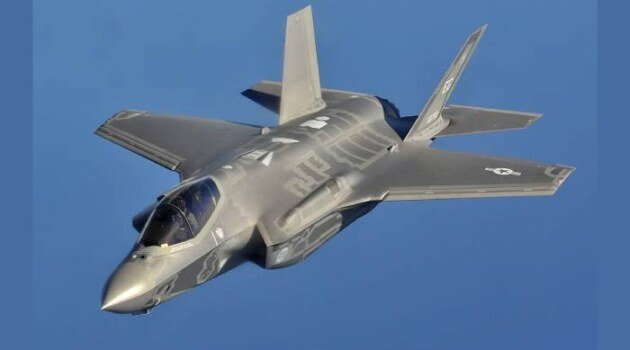
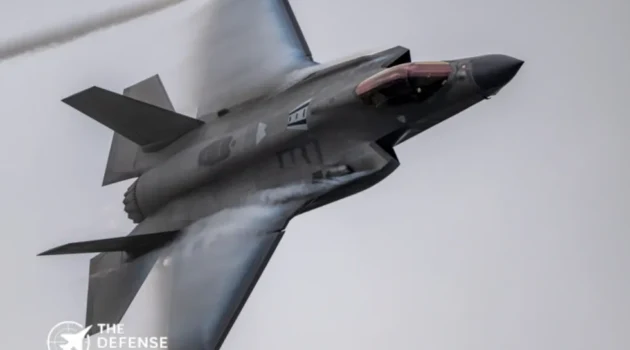
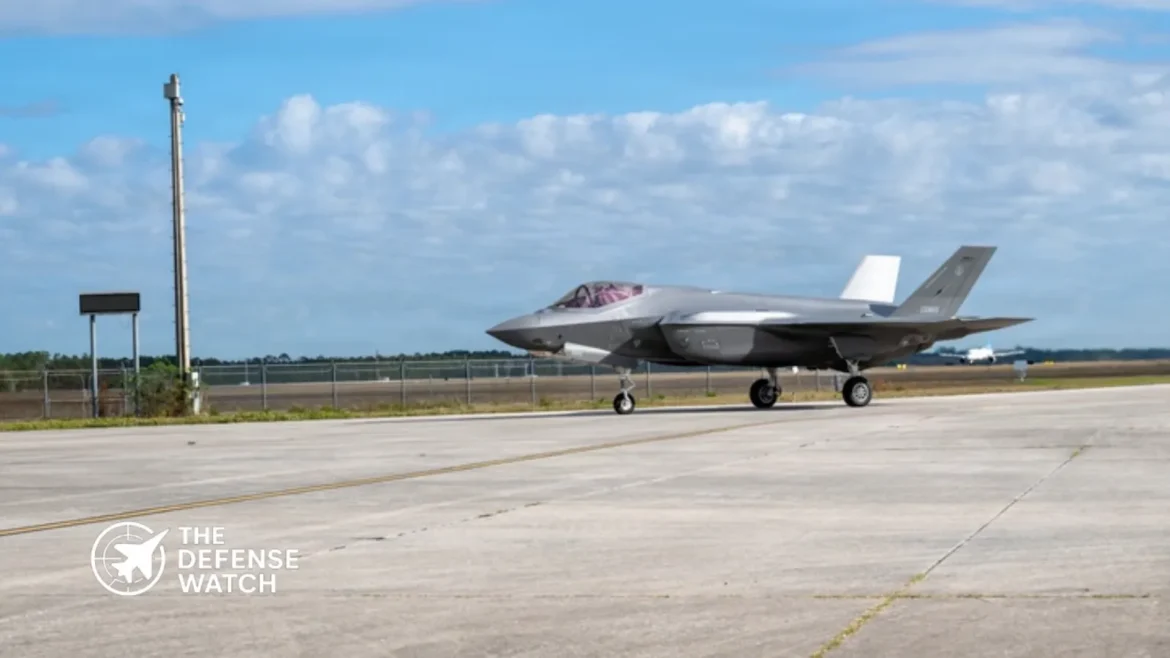
Canada is actively reevaluating its planned purchase of F-35A Lightning II fighters, with officials confirming the government remains legally committed to the first 16 aircraft while reviewing options for the remaining 72 jets. The reassessment comes as trade tensions with Washington escalate under President Trump’s return to office.
(adsbygoogle = window.adsbygoogle || []).push({});Defence Minister Bill Blair confirmed that while the contract for the first 16 F-35s remains in place, Prime Minister Mark Carney has directed the Canadian Armed Forces to determine whether the existing agreement represents the best investment for Canada’s defense needs in the current geopolitical environment.
The review marks the latest chapter in Canada’s decades-long effort to replace its aging CF-18 Hornet fleet, a procurement process that has become one of the most politically contentious defense decisions in Canadian history.
Contract Status and Financial Implications
Canada initially signed a contract valued at CAD 19 billion (USD 14.2 billion at signing) in 2023 for 88 F-35A aircraft. The first stealth fighters under this order are scheduled for delivery in 2026, with initial aircraft arriving at Luke Air Force Base in Arizona for pilot training.
However, total program costs have exceeded CAD 27 billion when including delivery delays and full operational capability requirements. The U.S. Government Accountability Office revealed in September 2025 that the Block 4 upgrade—the version Canada intends to acquire—is now USD 6 billion over budget and five years behind schedule.
Only funding for the initial 16 aircraft has been legally committed, leaving the remaining 72 jets subject to ongoing government review.
Swedish Alternative Gains Momentum
Sweden’s Saab has intensified its campaign to offer Canada an alternative procurement path. Saab submitted a bid for 72 JAS 39 Gripen multirole fighters paired with six GlobalEye airborne surveillance aircraft, positioning the package as an industrial benefits opportunity.
Saab claims the Gripen package would create 10,000 jobs in Canada through domestic assembly and sustainment partnerships, leveraging Canadian aerospace manufacturing capabilities. The Swedish proposal emphasizes local production, intellectual property transfer, and reduced dependence on U.S. supply chains for maintenance and upgrades.
Under Saab’s proposal, final assembly would occur in Canada, with maintenance performed domestically rather than requiring aircraft to return to U.S. facilities for major overhauls—a requirement of the F-35 program.
Capability Assessment and Operational Considerations
Despite the political momentum behind alternative options, leaked Canadian military evaluation documents show the F-35 significantly outperformed the Gripen E across all assessment categories. The F-35 achieved an average score of 95 percent compared to the Gripen E’s 33 percent, with particularly low marks for the Swedish fighter in mission performance and upgradability.
(adsbygoogle = window.adsbygoogle || []).push({});The Royal Canadian Air Force’s technical assessment underscored the F-35’s advantages in stealth, sensor fusion, network-centric warfare capabilities, and Arctic operations—critical factors for Canada’s vast northern territories and NORAD responsibilities.
Canadian NORAD commanders have stated they need pilots to have overmatch against high-end threats, emphasizing capability requirements over political considerations. However, they have also clarified that fighter procurement decisions remain with the civilian government.
NORAD and U.S. Pressure
U.S. Ambassador to Canada Pete Hoekstra warned that if Ottawa does not proceed with the full F-35 complement, NORAD would need to be altered. Hoekstra indicated the United States might need to fly its own F-35s more frequently into Canadian airspace to fill capability gaps.
The ambassador’s comments have drawn criticism from Canadian defense analysts who argue such pressure tactics may backfire. Andrea Charron, director of the Centre for Defence and Security Studies at the University of Manitoba, suggested the approach achieves the opposite of its intended effect.
NORAD has historically operated with different aircraft types on both sides of the border, though current integration levels favor interoperable platforms. The binational aerospace defense agreement relies on shared sensors, communication systems, and coordinated response capabilities to defend North American airspace.
Mixed Fleet Considerations
Canadian defense planners are reportedly considering a mixed fighter fleet consisting of no more than 40 F-35A stealth jets paired with up to 80 Gripen E fighters, according to recent reporting citing unnamed defense sources.
Such an approach would address political pressure to diversify defense partnerships while maintaining some fifth-generation capability. However, operating multiple platforms creates logistical strains, requiring separate mechanical expertise, distinct supply chains, and parallel training programs.
The Royal Canadian Air Force has historically resisted mixed fleet operations due to cost and complexity concerns, though it did operate multiple fighter types until the 1980s CF-18 consolidation.
Industrial Benefits and Economic Factors
Canadian companies have received contracts valued at USD 490 million from 2002 to 2012 through F-35 program participation, with total potential estimated value ranging from USD 4.8 billion to USD 6.8 billion through supply chain participation.
(adsbygoogle = window.adsbygoogle || []).push({});This existing industrial relationship complicates any decision to shift toward alternative aircraft. Canada’s participation in the F-35 program provides domestic companies opportunities to bid for international F-35 contracts, though these benefits are not guaranteed.
Saab’s offer includes guaranteed economic benefits for Canadian industry, potentially addressing concerns about industrial sovereignty and domestic aerospace sector development.
Geopolitical Context
The F-35 reassessment stems directly from rapidly deteriorating relations between Washington and Ottawa following President Trump’s renewed tariff threats and contentious trade negotiations.
Vincent Rigby, former national security adviser to the Trudeau government, stated that U.S. rhetoric has forced Canadian policymakers to rethink defense ties. The review reflects broader Canadian concerns about Washington’s reliability as a security partner under the Trump administration.
Prime Minister Carney has indicated he held discussions with French and British officials about potential F-35 alternatives signaling willingness to explore European defense partnerships as part of Canada’s strategic hedging approach.
Timeline and Decision Process
The formal review was initially expected to conclude by late September 2025, but no decision has been announced. Department of National Defence officials declined to provide a specific timeline for completion, stating only that the review is progressing in a timely manner.
Canadian Armed Forces personnel attended a ceremony at Lockheed Martin’s Texas facility in early February 2026 to mark the imminent delivery of the first F-35, indicating continued program momentum despite the ongoing political review.
Canada’s first F-35s are scheduled for delivery to Luke Air Force Base in 2026, with the first 10 pilots beginning training this year. Initial aircraft would arrive in Canada by late 2028, operating from temporary facilities while permanent infrastructure is completed by 2030-2031.
Strategic Implications
The Canadian review represents a potential inflection point for international F-35 partnerships. Canada is officially the first customer to openly reevaluate its F-35 order in the Trump era, raising questions about whether other nations may follow suit.
Any decision to reduce F-35 orders would send a significant foreign policy signal regarding Canada’s defense alignment and willingness to diversify security partnerships beyond traditional U.S. dependence.
However, the technical capabilities gap between fourth and fifth-generation fighters, combined with existing Canadian industrial participation in the F-35 program, creates substantial pressure to maintain the original procurement plan despite political considerations.
The outcome of Canada’s F-35 review will likely shape North American defense cooperation and bilateral relations for decades, setting precedents for how middle-power allies navigate defense procurement amid great power competition and alliance uncertainty.

Peru F 16V Block 70 Fighter Deal Signals Strategic Shift
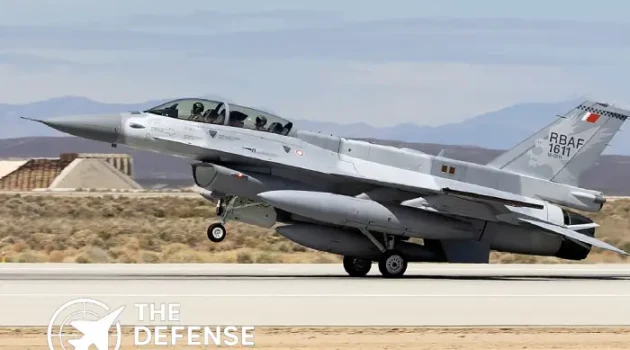
Peru is set to acquire 24 F 16V Block 70 fighter jets, overturning a previous tender that selected Sweden’s Saab Gripen, according to multiple defense and government sources. The decision marks a significant shift in Lima’s defense procurement strategy, emphasizing long term logistics support, financing flexibility, and closer military ties with the United States over upfront acquisition cost.
An official announcement is expected after Peru’s 2026 general elections, with the total value of the program estimated at approximately 7 billion dollars.
Peru Reverses Gripen Decision
Peru’s original fighter competition favored Saab’s Gripen E, largely due to its lower acquisition cost and competitive operating expenses. However, senior defense and government officials have since reassessed the broader implications of the selection, particularly in terms of sustainment, interoperability, and strategic alignment.
The revised decision reflects growing interest in a comprehensive US backed package that extends beyond aircraft delivery. The F 16V Block 70 offer reportedly includes long term logistics support, training pipelines, weapons integration, and access to Foreign Military Financing options unavailable under the Swedish proposal.
Defense analysts note that lifecycle support and fleet availability have become decisive factors for air forces facing aging inventories and constrained maintenance infrastructure.
Strategic Weight of the F 16V Block 70
The F 16V Block 70 represents the most advanced new production variant of the Fighting Falcon, featuring the AN APG 83 active electronically scanned array radar, advanced mission computers, and a modernized electronic warfare suite. The platform is already in service or on order with multiple US partners, including Taiwan, Slovakia, Bulgaria, and Morocco.
For Peru, the selection offers immediate interoperability with US and regional partners, access to a global sustainment ecosystem, and compatibility with a wide range of US and NATO standard munitions. While Peru is not a NATO member, alignment with US operated systems significantly reduces long term operational risk.
The aircraft would replace Peru’s aging MiG 29 and Mirage 2000 fleets, both of which face increasing maintenance challenges and limited upgrade paths.
Financing and Logistics Drive the Decision
Despite Gripen’s lower sticker price, officials involved in the process have emphasized that the US offer provides stronger financing mechanisms, predictable sustainment, and deeper institutional support. Foreign Military Sales structures typically include long term training, spare parts pipelines, and upgrade access that smaller suppliers struggle to match at scale.
The United States also offers political backing and continuity across decades, a factor increasingly valued by air forces seeking to avoid supply chain disruptions and platform orphaning.
Industry observers point out that several Latin American air forces have recently prioritized proven platforms with established logistics networks over newer but less widely supported alternatives.
Major Non NATO Ally Status Looms
The move aligns with expectations that Peru may soon be designated a Major Non NATO Ally of the United States, a status that would formalize defense cooperation and expand access to US military technology, financing, and training programs.
Such a designation would further reinforce the logic behind selecting a US built fighter and could open the door to additional cooperation in intelligence sharing, joint exercises, and regional security initiatives.
While Peruvian officials have not formally confirmed the timeline, defense sources indicate the designation is actively under consideration in Washington.
Regional and Geopolitical Implications
Peru’s decision adds to a growing trend of Latin American air forces deepening defense ties with the United States amid rising concerns over fleet readiness, regional security, and long term sustainment costs.
The acquisition would position Peru among the most capable air forces in South America, improving air policing, maritime strike, and deterrence capabilities. It also reinforces US influence in a region where European and non Western suppliers have sought to expand their footprint.
For Saab, the reversal underscores the challenges European manufacturers face when competing against US backed strategic packages rather than standalone aircraft offers.
What Comes Next
Final contract negotiations and congressional notifications are expected to follow Peru’s 2026 elections. If approved, aircraft deliveries would likely begin in the late 2020s, subject to production slots and training timelines.
Until a formal announcement is made, both governments are expected to remain cautious in public statements. However, defense and industry sources view the outcome as largely settled.
India Rafale Fighter Deal Nears Approval
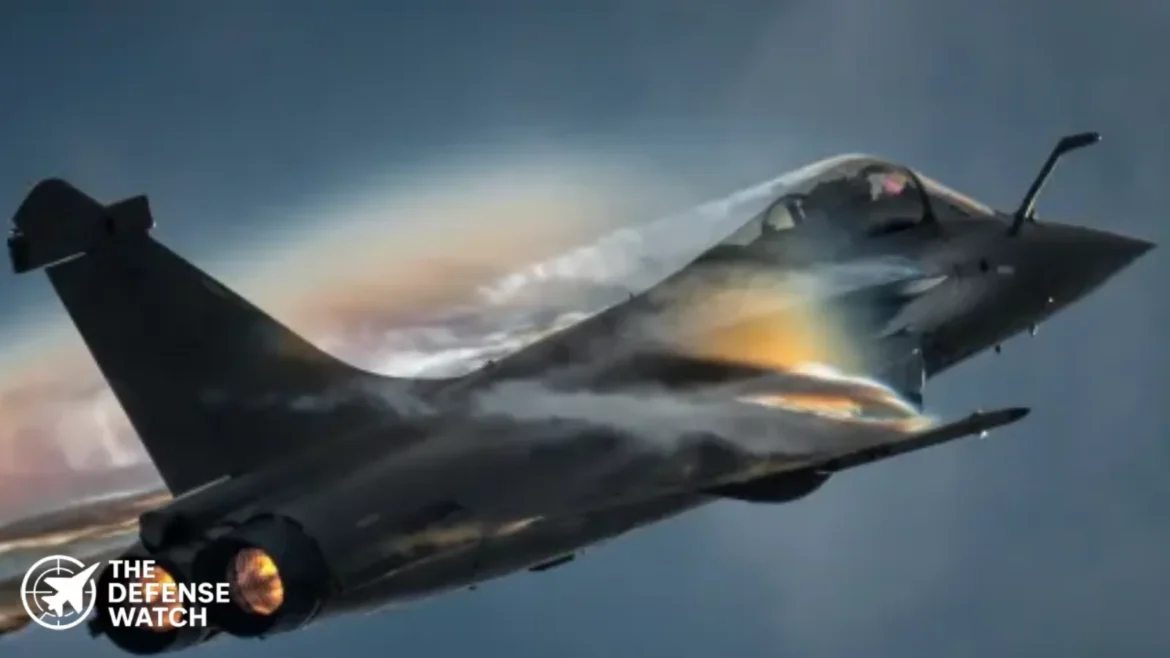
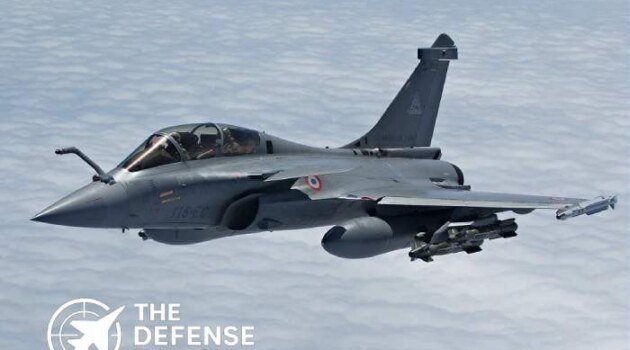
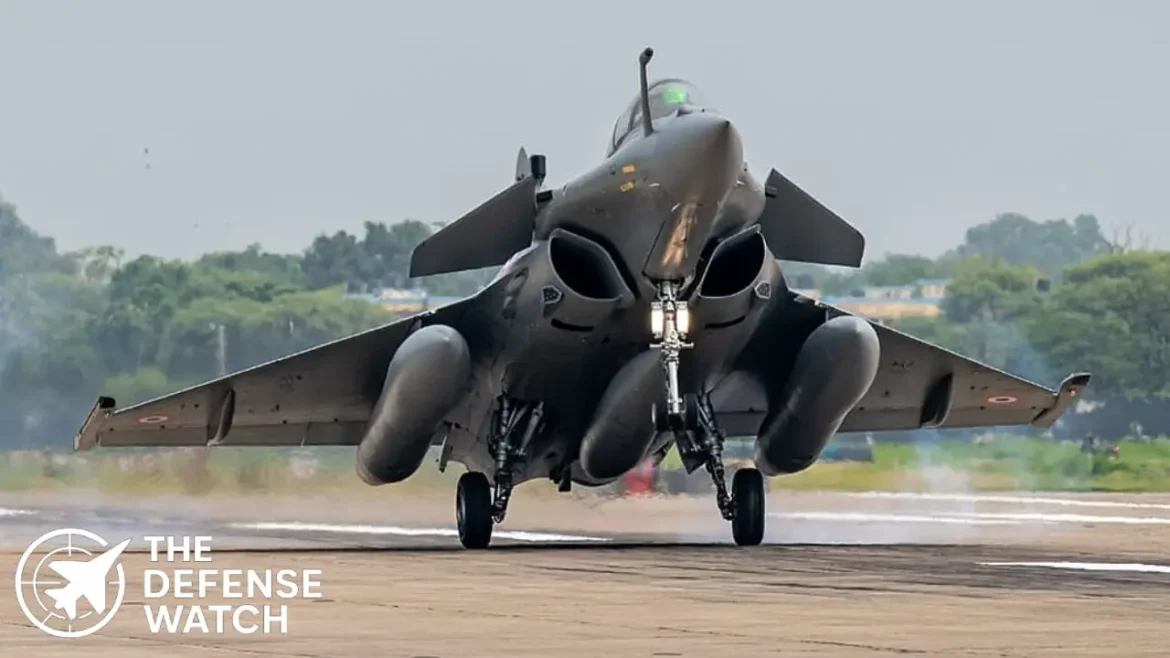
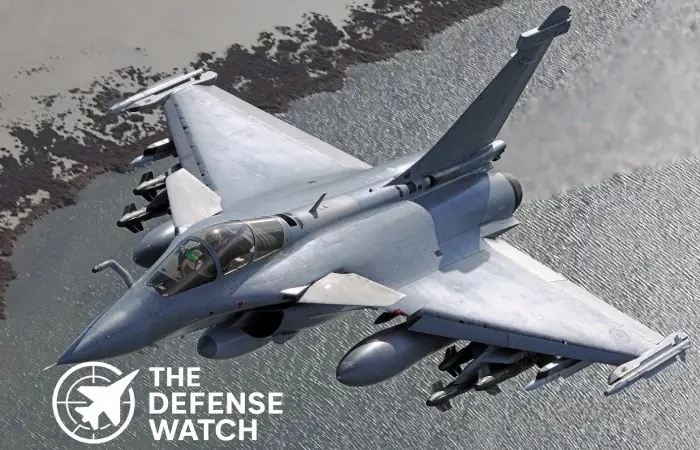
India is expected to approve a $36 billion Rafale fighter deal with France this week, marking one of the largest military aviation procurements in the country’s history. The agreement would cover 114 Dassault Rafale multirole fighters for the Indian Air Force as New Delhi accelerates combat aircraft modernization.
According to reporting from Indian and international defense media, the aircraft will be delivered without access to Rafale source codes. This restriction is consistent with previous French export practices and limits India’s ability to independently modify core mission systems and software.
The India Rafale fighter deal is expected to include up to 30 percent Indian made content, largely focused on structural components, maintenance support, and selected subsystems rather than sensitive avionics or software.
Deal Structure and Industrial Participation
Under the proposed framework, Dassault Aviation would remain the prime contractor, with French firms retaining control over critical technologies. Indian industry participation would likely involve assembly support, spares production, and long term maintenance, repair, and overhaul activities.
Indian officials have emphasized that local industrial participation supports national defense manufacturing goals, even without full technology transfer. Similar arrangements were used in India’s earlier Rafale acquisition of 36 aircraft signed in 2016.

Image : Dassault Aviation The Ministry of Defence has not publicly released contract details, but officials familiar with the process indicate the package includes weapons, training, simulators, and logistics support.
Strategic Context
The expanded Rafale fleet would strengthen India’s air combat capability amid regional security pressures and ongoing force structure gaps. The Indian Air Force continues to face declining squadron strength as legacy aircraft retire faster than replacements enter service.
France has positioned the Rafale as a reliable export platform, citing operational use with the French Air and Space Force and multiple international customers.
If approved, the India Rafale fighter deal would further deepen defense ties between New Delhi and Paris, reinforcing France’s role as one of India’s key strategic defense partners.
India is advancing plans to acquire 114 additional Rafale jets from France as part of a strategic push to bolster its air capability and modernize its fleet. Announced on 11 November 2025, the proposed deal represents one of the largest single-platform fighter acquisitions in the country’s history.
Background: why India is moving now
The Indian Air Force (IAF) has been operating below sanctioned strength of 42.5 squadrons, with current estimates placing it at 29–31 squadrons, largely due to the retirement of older aircraft such as the MiG-21. India’s decision to enlarge its Rafale fleet comes amidst increasing strategic competition with neighboring states, including the Pakistan Air Force and the People’s Liberation Army Air Force (PLAAF). Reports of Pakistan acquiring advanced air-to-air missiles and fighters from China have accelerated Indian urgency to maintain technological edge.
India already operates 36 Rafales delivered between 2020 and 2022. Familiarity with the platform gives France’s Dassault Aviation an edge in the negotiations.
Details of the Deal: What’s on the Table
The proposed procurement of 114 Rafales is linked to India’s Multi-Role Fighter Aircraft (MRFA) program under a government-to-government (G2G) framework.
Key elements under discussion:
- The Rafale F4 variant is the likely candidate for India, offering advanced sensor-fusion, electronic warfare, and long-range missile integration.
- India is seeking significant localization: the deal would include manufacturing, assembly and component production in India under the “Make in India” initiative.
- A major sticking point is access to source-code level control and modular mission computer integration. India wants to integrate its own weapons (such as the Astra air-to-air missile) and sensor suites, while France is reluctant to fully grant source-code access citing industrial and security concerns.
- The deal would build on existing industrial linkages: earlier agreements saw Dassault and India’s Tata Advanced Systems (TASL) set up production of Rafale fuselage in Hyderabad – the first time such manufacturing would take place outside France.
Strategic Implications
The incoming fleet would enhance India’s capability for both air-superiority and strike roles, with extended range and weapon integration that can operate in high-altitude and maritime theatres. The Rafale brings proven integration with missiles such as the Meteor air-to-air and SCALP/Storm Shadow cruise missile for deep-strike roles.
Dassault Rafale Fighter Jet – Full Specifications
- Generation: 4.5th
- Maximum Speed: Mach 1.8
- No. of Engines: 2
- Radar Range: 200+ km
Expert/Policy Perspective
Analysts note that the robustness of the deal lies not just in aircraft numbers but in what they enable: securing India’s two-front conflict doctrine (against China and Pakistan), strengthening industrial autonomy, and deepening defense cooperation with France.
One senior IAF official told Defense Security Asia: “The absence of source-code access represents a significant obstacle to India’s broader defense modernization agenda.”
Policy-makers in New Delhi view this acquisition as a force-multiplier: it addresses immediate squadron shortfall while positioning the domestic defense-industrial complex for future exports and maintenance hubs. On the French side, Dassault sees this as an export milestone and opportunity to embed deeper technology transfer and long-term service agreements.Closing: Impact and What’s Next
The acquisition of 114 Rafales would mark a turning point in India’s air combat capability and shape South Asian air-power balances for decades. The deal, if finalized, will accelerate squadron strength, enhance deterrence, and underpin India’s industrial ambitions.
Next steps include the Indian government’s Approval of Necessity (AoN) by the Defense Acquisition Council (DAC) expected by late 2025, followed by contract negotiations, fly-away deliveries, and local assembly ramp-up. Delays or failure to resolve key issues such as software access could push India to alternatives, but current momentum suggests the Rafale remains front-runner.
India’s neighborhood will pay close attention: Pakistan and China are likely to adjust their force-modernization strategies accordingly. For India, this is not simply an aircraft purchase — it is a strategic investment in future deterrence and industrial self-reliance.