- ► Iran claims launch of hypersonic capable Kheibar missile toward Israeli air defense targets.
- ► Kheibar described as long range ballistic system with enhanced maneuverability.
- ► Israel maintains layered missile defense including Arrow and David’s Sling systems.
- ► No independent confirmation yet of hypersonic glide vehicle capability.
- ► Development underscores growing missile competition across the Middle East.
Iran Hypersonic Capable Kheibar Missile Launch Raises Air Defense Concerns
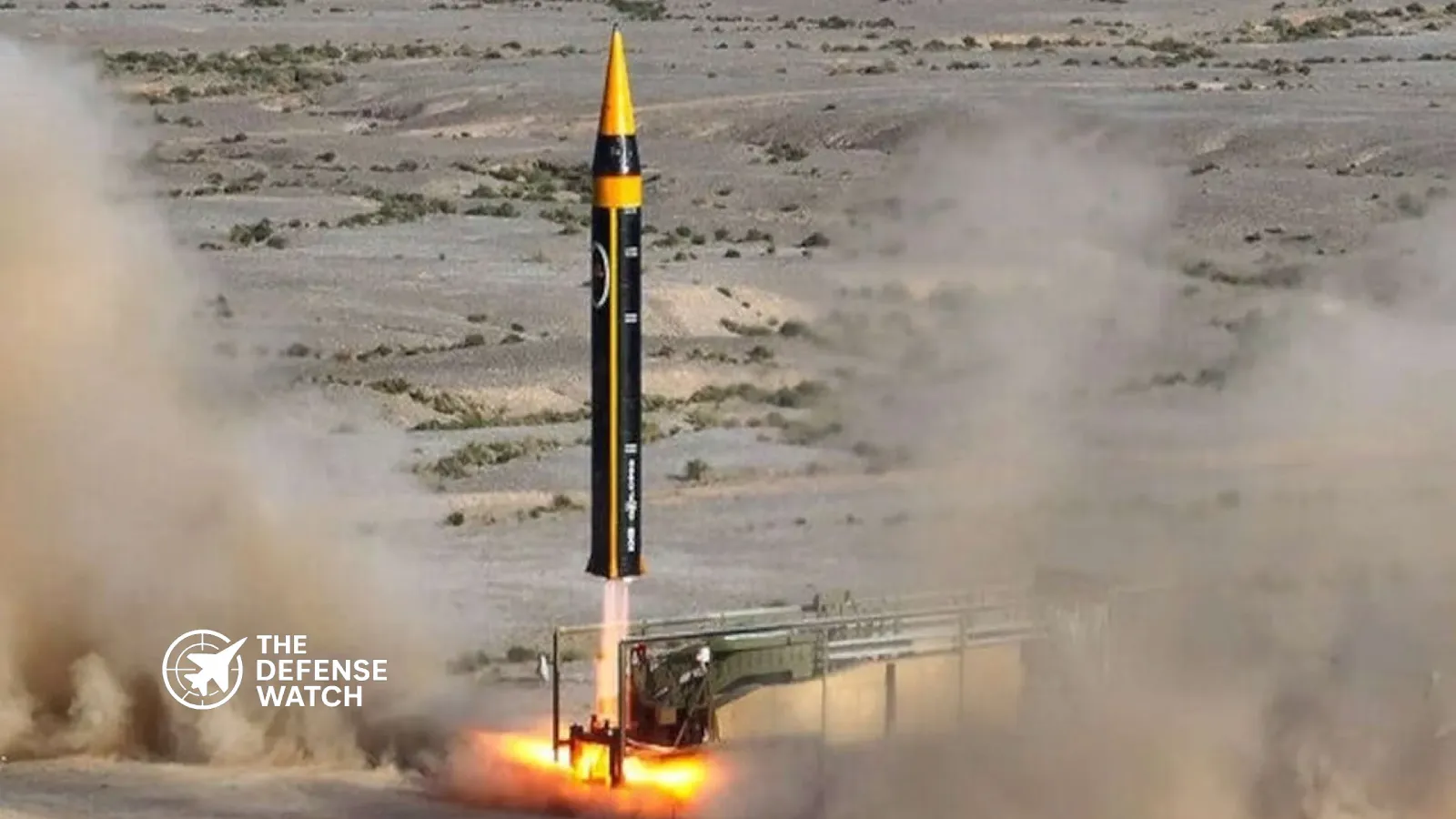
The Iran hypersonic capable Kheibar missile launch has drawn renewed scrutiny from defense analysts after Tehran claimed the weapon was fired toward Israeli air defense networks during ongoing hostilities.
Iranian authorities stated that the Kheibar missile was launched as part of a broader strike package aimed at overwhelming and penetrating Israeli missile defense systems. The claim, if confirmed, would mark another step in Iran’s effort to showcase longer range and potentially maneuverable ballistic missile capabilities.
Officials in Iran described the Kheibar as hypersonic capable, though no independent verification has yet confirmed whether the missile demonstrated sustained hypersonic glide characteristics or simply traveled at hypersonic speeds typical of ballistic trajectories.
Israel has not publicly confirmed the specific missile type used in the reported attack but has stated in recent briefings that its multi layered air defense architecture remains operational.
What Is The Kheibar Missile?
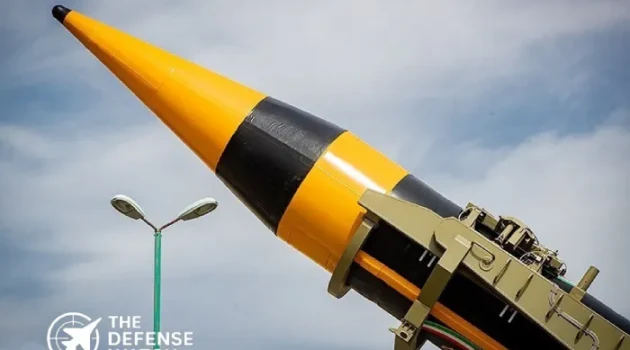
The Kheibar missile, sometimes referred to as Khorramshahr 4 in Iranian media, is part of Tehran’s expanding ballistic missile inventory. It is believed to be derived from earlier liquid fueled systems but reportedly features design refinements to improve range, payload flexibility, and survivability.
Iranian state media has previously claimed the missile can carry a large warhead over distances exceeding 1,000 miles. Analysts note that such range would allow coverage of targets across much of the Middle East.
The Iran hypersonic capable Kheibar missile launch claim centers on speed and maneuverability. All ballistic missiles reach hypersonic velocities during reentry, typically exceeding Mach 5. However, true hypersonic weapons often refer to systems equipped with maneuverable glide vehicles that can adjust trajectory during flight, complicating interception.
There is no open source evidence confirming that the Kheibar employs a hypersonic glide vehicle comparable to programs under development in the United States, China, or Russia. The distinction matters operationally. A maneuverable reentry vehicle presents a greater challenge to radar tracking and interceptor timing than a predictable ballistic arc.
Targeting Israeli Air Defenses
The stated objective of the Iran hypersonic capable Kheibar missile launch was to pressure air defense networks in Israel.
Israel fields a layered missile defense system that includes Arrow for long range ballistic threats, David’s Sling for medium range missiles, and Iron Dome for short range rockets. These systems are supported by advanced radar and battle management networks designed to prioritize high value targets and manage interceptor inventories.
In recent years, Israeli defense officials have emphasized upgrades to counter maneuverable and high speed threats. This includes software improvements and interceptor refinements intended to address emerging missile profiles from regional adversaries.
If the Kheibar demonstrated any terminal maneuvering capability, it would test those defenses. Even absent advanced glide features, a large payload ballistic missile can stress interception systems simply through volume and range.
Strategic Significance
The Iran hypersonic capable Kheibar missile launch reflects Tehran’s broader strategy of deterrence through missile force expansion. Iran continues to invest heavily in ballistic missile development under the oversight of the Islamic Revolutionary Guard Corps.
Ballistic missiles serve multiple purposes in Iranian doctrine. They provide long range strike options without reliance on an air force that faces modernization constraints due to sanctions. They also signal technological progress intended to bolster domestic and regional deterrence messaging.
From a regional security perspective, claims of hypersonic capability raise concerns among Gulf states and Israel alike. Even incremental improvements in accuracy, speed, or maneuverability can shift the balance between offense and defense.
Defense analysts caution, however, that official claims often exceed independently verified performance data. Without telemetry, debris analysis, or confirmation from third party intelligence sources, the true technical characteristics of the Kheibar remain difficult to assess.
Outlook
The Iran hypersonic capable Kheibar missile launch is likely to intensify scrutiny of missile defense readiness across the region. It may also accelerate further investment in early warning systems, interceptor stockpiles, and sensor integration.
For Israel and its partners, the core question is not only whether the Kheibar is genuinely hypersonic in the advanced sense, but whether Iran can produce and deploy it in meaningful numbers.
As missile technology spreads and evolves, the competition between offensive strike systems and defensive interception networks will remain a defining feature of Middle East security dynamics.
Get real time update about this post category directly on your device, subscribe now.