

The Global Push Toward Sixth Generation Fighter Jets
The race to field the world’s most advanced combat aircraft is intensifying, with sixth generation fighter jets emerging as the next major milestone in airpower. Both China and the United States are pursuing sixth-generation designs, and China’s alleged sixth-generation fighter jets have become a key focus of global intelligence observations. While details remain closely guarded, both nations view these future platforms as essential to maintaining—or redefining—the global balance of air superiority.
Sixth-generation fighters aim to surpass traditional stealth aircraft through deeper integration with AI, sensor fusion, collaborative unmanned teaming, advanced propulsion concepts, and long-range strike capabilities. As the world’s two largest military powers push aggressively toward this new frontier, the competition represents one of the most consequential aerospace races since the early Cold War.
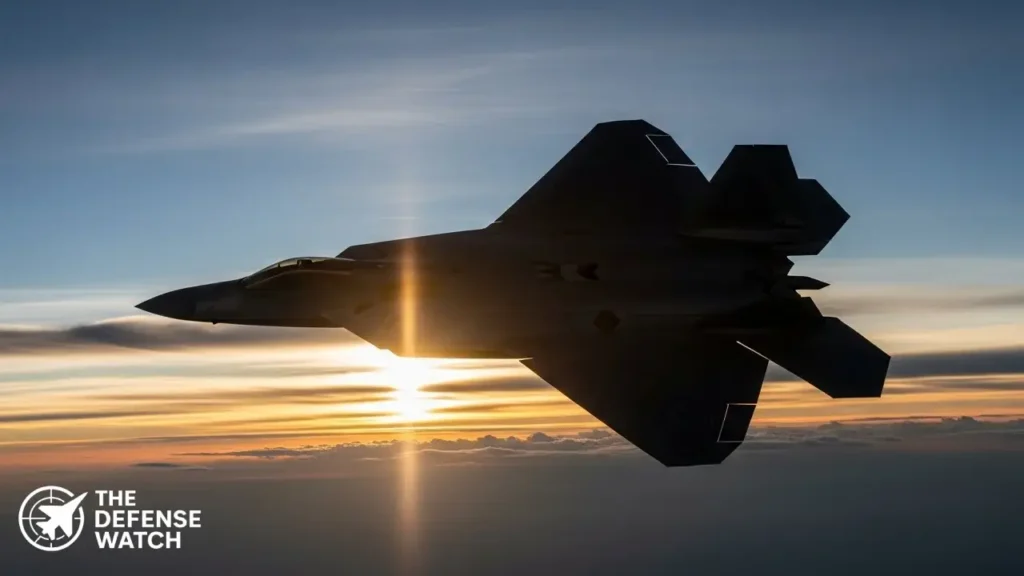
What Defines a Sixth Generation Fighter Jet?
Although no universal specification exists, defense agencies and aerospace analysts generally agree on several core characteristics that differentiate sixth-generation fighters from current fifth-generation platforms:
Key Expected Capabilities
- Enhanced low observability beyond traditional shaping and coatings
- AI-enabled battle management and semi-autonomous mission execution
- Optionally manned operation, switching between piloted or unmanned missions
- Directed-energy weapon (DEW) compatibility, including laser defenses
- Adaptive-cycle or hybrid propulsion systems enabling greater range and efficiency
- Seamless teaming with drones, especially “loyal wingman” autonomous systems
- Multi-domain networking, connecting air, space, cyber, and ground sensors
These features are designed to address future threat environments involving advanced air defenses, hypersonic weapons, and increasingly contested electronic warfare conditions.
China’s Alleged Sixth-Generation Fighter Jet Program
China has not officially unveiled a complete sixth-generation fighter jet design, but imagery, state media hints, and strategic patterns indicate aggressive development within the People’s Liberation Army Air Force (PLAAF).
Satellite Imagery and Unconfirmed Prototypes
Commercial satellite photos released over the last two years appear to show large, tailless, flying-wing-type aircraft at the Chengdu Aircraft Industry Group (CAIG) facility. While Chinese officials have neither confirmed nor denied these reports, the aircraft shape is consistent with sixth-generation aerodynamic signatures focusing on extreme stealth.
Expected Capabilities of China’s Next-Gen Fighter
Based on available intelligence and PLAAF modernization trends, analysts expect China’s sixth-generation platform to include:
- Large internal weapons capacity for long-range missiles
- Deep-penetration stealth aimed at bypassing U.S. Indo-Pacific defenses
- AI-powered autonomous teaming, possibly with enhanced air-launched drones
- Advanced electronic warfare suites, potentially rivaling the F-35’s sensor fusion
Chinese military researchers have also published papers on laser-based missile defenses, hypersonic integration, and new composite materials, signaling potential directions for the program.
Strategic Motivation
China’s focus appears centered on countering U.S. air dominance in the Western Pacific. A sixth-generation aircraft, combined with rapidly advancing missile systems, could play a key role in A2/AD (anti-access/area denial) strategy.
The United States’ NGAD Program: Sixth Generation by 2030s
The U.S. Air Force’s Next Generation Air Dominance (NGAD) program is the most publicly acknowledged sixth-generation fighter initiative in the world. Expected to replace or supplement the F-22 Raptor, NGAD is designed for operations in highly contested environments where current platforms may face limitations.
NGAD’s Confirmed Features
U.S. Air Force leadership has confirmed several components of NGAD:
- Family-of-systems approach, with a manned fighter at the center
- Collaborative Combat Aircraft (CCA) drones functioning as escorts, decoys, or strike assets
- Open-architecture digital design, supporting rapid upgrades
- Breakthrough propulsion, likely adaptive-cycle engines from GE or Pratt & Whitney
- Large standoff-range sensors to counter long-range PLA anti-air missiles
While images of the prototype remain classified, officials have stated that a demonstrator has already flown—indicating the project is further along than many expected.
Cost and Industrial Impact
NGAD is projected to be one of the most expensive aircraft programs ever undertaken, with fighter unit costs potentially exceeding $300 million each. Its development will drive innovations in U.S. aerospace manufacturing, autonomy, and next-generation avionics.
China vs. the U.S.: A Strategic and Technological Competition
Technology Access and Industrial Capacity
- United States: Holds decades of stealth experience and deep industrial infrastructure.
- China: Rapidly accelerating aerospace R&D but still constrained by reliance on foreign or reverse-engineered engine technology—though progress is improving.
Timeline Comparison
- U.S. NGAD: Expected fielding early-to-mid 2030s
- China’s 6th Gen Jet: Unconfirmed, but analysts estimate early 2030s prototypes
Airpower Implications
The deployment of sixth-generation fighter jets by both countries could dramatically reshape:
- Pacific airpower balance
- ISR (intelligence, surveillance, reconnaissance) penetration capabilities
- Deterrence dynamics in contested regions like Taiwan and the South China Sea
Both nations view sixth-generation airpower as a core requirement for future warfare.
Analysis: The Future of Air Superiority
The sixth-generation fighter race is not simply about aircraft—it represents a broader transformation of integrated air combat networks. The U.S. and China are building ecosystems that link manned fighters, drones, space assets, and AI-driven command systems into a single battlespace.
While the U.S. maintains a lead in proven stealth combat operations and engine technology, China’s rapid expansion, industrial scale, and willingness to iterate quickly make it a serious competitor.
The real question is not which aircraft will be superior, but how each nation will integrate these platforms into wider operational concepts. The country that achieves more effective manned-unmanned teaming, resilient data links, and adaptive autonomy may ultimately define the future of air dominance.
FAQs
What qualifies a fighter jet as sixth generation?A combination of extreme stealth, AI autonomy, advanced propulsion, and multi-domain network integration.
Has China revealed a sixth-generation fighter?Not officially. Imagery and research suggest development is underway, but details remain classified.
What is the U.S. NGAD program?A sixth-generation air dominance family of systems centered on a next-generation fighter for the 2030s.
Will sixth-generation jets replace the F-35?No. The F-35 will remain in service for decades and operate alongside NGAD aircraft.
When will the first sixth-generation jet enter service?Likely sometime in the early to mid-2030s, depending on development timelines.
Get real time update about this post category directly on your device, subscribe now.

3 comments
[…] layout resembles that of other uncrewed combat aircraft currently under development by other […]
[…] the combat cloud and unmanned systems as a basis for cooperation. This could allow each nation to pursue national fighter development while maintaining key shared […]
[…] holds a unique place in aviation history. Developed in secrecy during the Cold War, it was the world’s first operational stealth combat aircraft. Designed by Lockheed’s Skunk Works, the jet relied on faceted surfaces and radar absorbing […]