

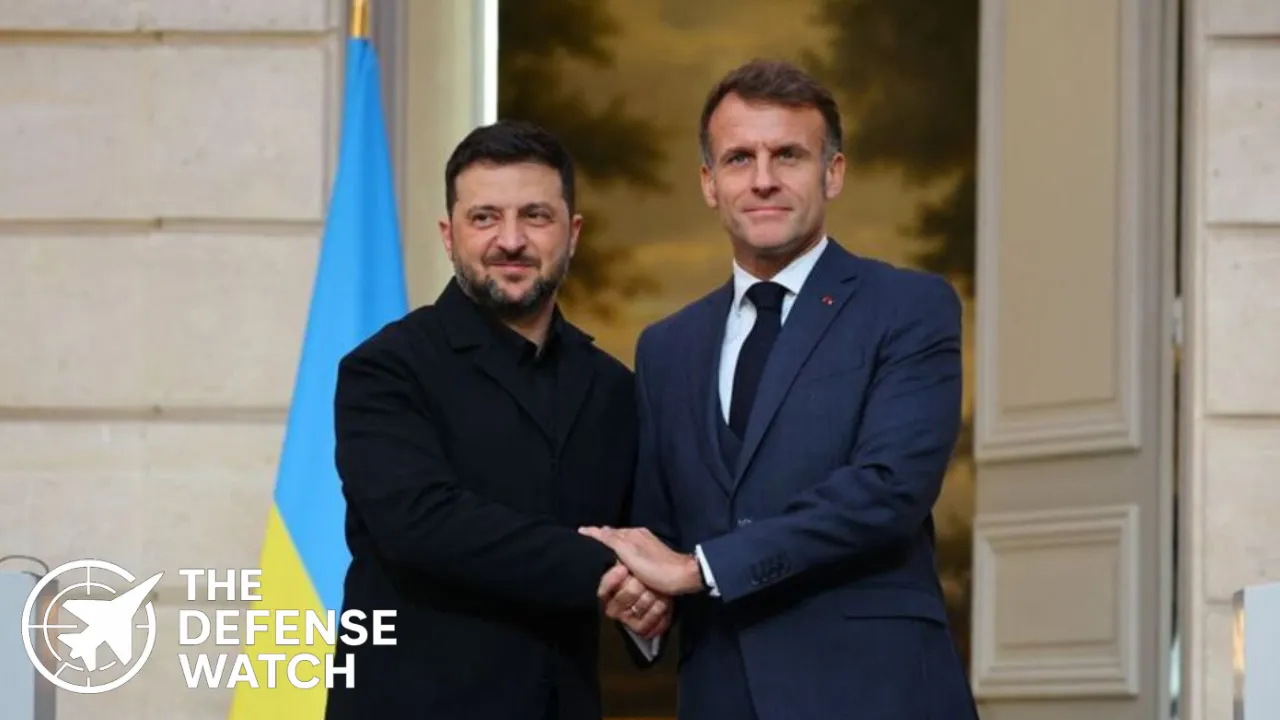
Historic Defense Pact Signed in Paris
Ukrainian President Volodymyr Zelenskyy and French President Emmanuel Macron signed a historic defense agreement on November 17, 2025, at Villacoublay Air Base near Paris, establishing a framework for Ukraine to acquire up to 100 Dassault Rafale F4 fighter jets and eight SAMP/T next-generation air defense systems. The 10-year strategic cooperation agreement represents one of the largest single combat aircraft acquisitions in Ukrainian military history and signals France’s commitment to Ukraine’s long-term security architecture.
The agreement was signed as heavy Russian drone and missile attacks on Ukraine have increased in recent weeks and Moscow has reported sharp ground advances in the southeastern Zaporizhzhia region. Zelenskyy described the signing as a truly historic moment for both nations, emphasizing that it will significantly strengthen Ukraine’s combat aviation and air defense capabilities.
Background: Ukraine’s Multi-Platform Fighter Strategy
The Rafale acquisition is part of Ukraine’s broader efforts to increase its long-term fighter fleet to 250 warplanes, including the U.S. F-16 and Sweden’s Gripen. This three-platform strategy represents a fundamental transformation of the Ukrainian Air Force from Soviet-era aircraft to a modern Western-equipped force capable of deterring future Russian aggression.
France has emerged as a critical pillar of Western support for Ukraine since the February 2022 full-scale invasion. Paris previously supplied Mirage 2000-5F fighter jets, SCALP long-range cruise missiles, and jointly delivered with Italy a SAMP/T air defense battery that proved its effectiveness by shooting down its first Russian aircraft in March 2025. The current agreement builds upon this foundation while addressing Ukraine’s urgent need for enhanced air defense capabilities against Russia’s sustained aerial campaign, which currently involves approximately 1,700 drone strikes per week plus ballistic and cruise missile attacks.
Details of the Defense Agreement
Rafale F4 Fighter Acquisition
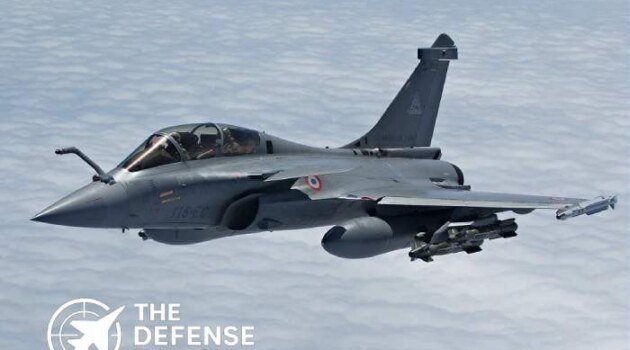
The agreement enables Ukraine to purchase 100 Rafale F4 aircraft for Ukraine’s combat aviation by 2035. The Rafale F4, manufactured by Dassault Aviation, represents one of Europe’s most advanced 4.5-generation multirole fighters, capable of air-to-air combat, precision ground strikes, maritime operations, and even nuclear strike delivery missions.
The Elysee Palace confirmed that the purchases covered by the letter of intent would span the next 10 years. Initial deliveries are not expected until at least 2029, with the full fleet operational by 2035. The extended timeline reflects both the rigorous training programs required for pilots transitioning from Soviet-era platforms and the production capacity constraints faced by Dassault Aviation.
The Rafale package includes associated advanced weaponry systems, including SCALP long-range cruise missiles, AASM Hammer precision-guided bombs, MICA short- and medium-range air-to-air missiles, and Meteor beyond-visual-range air-to-air missiles. These weapons systems will provide Ukrainian forces with standoff strike capabilities and enhanced air superiority options against Russian aviation.
SAMP/T Next-Generation Air Defense Systems
Ukraine aims to acquire eight SAMP/T systems, each comprising six launchers. Macron announced that Ukraine will receive a “new generation” of the SAMP/T missile interceptor, largely comparable to the U.S.-made Patriot system, which will be available in 2026.
The SAMP/T NG (next generation) system represents a significant upgrade over current models. According to French defense officials, the system demonstrates superior performance against advanced Russian missile threats, including adapted flight profiles designed to evade interception. Ukraine’s existing SAMP/T batteries have proven highly effective, with French sources noting the system successfully intercepts Russian missiles that evade Patriot defenses.
Eight complete systems will be supplied, each comprising six launchers of eight missiles. The package includes Aster 30 surface-to-air missiles produced by European consortium MBDA, designed to counter ballistic missiles, cruise missiles, and aircraft across multiple threat vectors.
Additional Defense Cooperation
The wider package includes the Ground Master 200 radar from Thales, and unmanned platforms including the X-Wing Interceptor drone from Alta Araes for counter-UAS missions and Delair’s DT-46 and UX-11 tactical UAVs for reconnaissance, mapping, and artillery correction.
Macron stated that some deliveries of drones, interceptor drones and guided bombs would come in the “very short term” with manufacturing commitments made for the coming three years. This indicates immediate capability enhancements even as longer-term platform acquisitions proceed through development and training cycles.
Strategic and Operational Implications
Transformation of Ukrainian Air Power
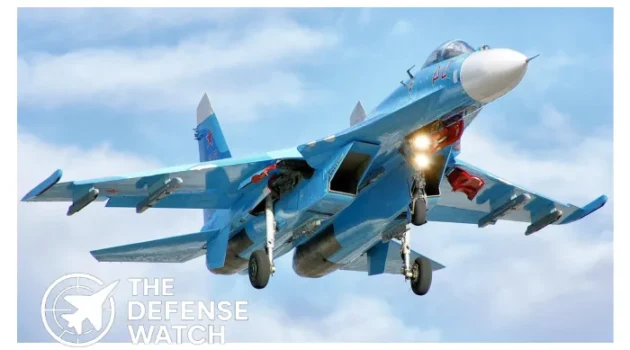
The Rafale acquisition marks a watershed moment for the Ukrainian Air Force. Moving from legacy MiG-29 and Su-27 platforms to advanced Western fighters like the Rafale F4 represents a generational leap in combat capability across every domain: sensor fusion, network-centric warfare, precision strike, electronic warfare, and sustained operations tempo.
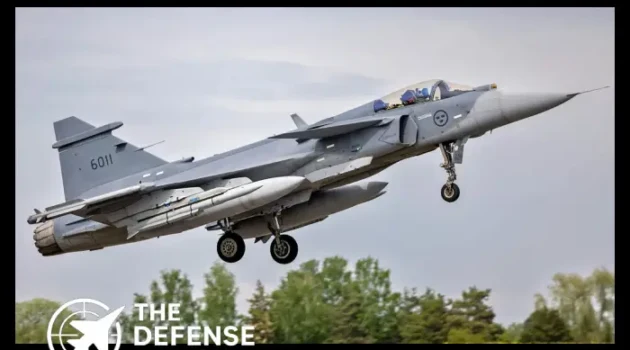
Together with the previous agreement signed with Sweden, this new deal would in theory see Ukraine’s air force as the first operator of both the Dassault Rafale and Saab Gripen, which would quickly catapult the Ukrainian Air Force to become one of the most well equipped air arms in Europe if full numbers are realized.
Ukraine signed a letter of intent with Sweden in October 2025 to explore acquiring up to 150 Gripen E fighters. Combined with ongoing F-16 deliveries from Denmark and the Netherlands, Ukraine is positioning itself to field a diverse, interoperable fleet of Western combat aircraft exceeding 250 fighters. This multi-platform approach provides operational flexibility, reduces single-source dependency, and complicates adversary targeting and planning.
Industrial Cooperation and Co-Production
When questioned over the financing of the deal, Zelenskyy indicated Ukraine was examining the possible co-production of the French-made jets. Co-production arrangements could address several strategic objectives simultaneously: reducing per-unit costs through economies of scale, establishing indigenous aerospace manufacturing capabilities within Ukraine, creating high-value employment opportunities, and ensuring long-term sustainment and upgrade paths independent of foreign supply chains.
Such arrangements would follow established precedents in European defense cooperation, where partner nations participate in manufacturing and maintain their own sustainment capabilities. For France, expanded production runs help amortize development costs and strengthen Dassault’s position in the competitive international fighter market.
Air Defense Architecture Enhancement
The SAMP/T NG systems address Ukraine’s most pressing operational requirement: defending against Russia’s relentless missile and drone campaign targeting critical infrastructure, particularly energy facilities as winter approaches. The system’s demonstrated effectiveness against advanced Russian threats makes it a cornerstone of Ukraine’s layered air defense architecture.
The integration of eight complete SAMP/T NG batteries would provide Ukraine with theater-level air and missile defense capabilities comparable to major NATO member states. Combined with existing Patriot systems supplied by the United States and Germany, NASAMS batteries from Norway, and shorter-range systems from various partners, Ukraine is constructing one of the most comprehensive integrated air defense networks in Europe.
Policy and Geopolitical Context
France’s Leadership in European Security
France, along with Britain, has pushed for the creation of a coalition of about 30 countries willing to send troops and assets to Ukraine or along its western borders once a peace deal with Russia is agreed. This Coalition of the Willing framework aims to provide credible security guarantees that deter future Russian aggression even in the absence of formal NATO membership.
Standing alongside Zelenskyy at a news conference, Macron stated the two countries were putting in place the security guarantees required for any possible peace agreement with Russia that may be negotiated down the line. This positions military aid not merely as assistance during active conflict, but as foundational elements of a future European security architecture.
Macron’s approach reflects broader French strategic thinking about European defense autonomy and France’s historic role as a leading military power on the continent. With questions surrounding long-term American commitment to European security, particularly given political volatility in Washington, France and Britain are positioning themselves as anchors of sustained support for Ukraine.
Financing and Budget Considerations
Sources indicated it was not clear how these deals would be financed. French defense officials acknowledged that political and budgetary instability in Paris raises questions about funding mechanisms. Potential approaches include direct French government financing, European Union instruments like the European Peace Facility, international consortium funding, or long-term credit arrangements.
The Ukrainian government may also explore creative financing structures leveraging frozen Russian assets, international loans backed by future reconstruction commitments, or deferred payment schedules tied to post-war economic recovery. These mechanisms would allow Ukraine to secure critical capabilities without immediate cash outlays during wartime fiscal constraints.
Timeline and Training Requirements
Operating advanced jets would take time given the rigorous training program for would-be pilots. Transitioning pilots from Soviet-era aircraft and tactics to Western platforms requires comprehensive retraining encompassing flight operations, weapons employment, maintenance procedures, and integration with NATO-standard command and control systems.
Initial deliveries beginning in 2029 provide a realistic timeline for establishing training pipelines, potentially at French military flight schools or specialized international training centers. France may leverage its existing Rafale training infrastructure, which already supports international customers including Egypt, Qatar, India, and Greece.
The extended timeline also allows for infrastructure development within Ukraine: construction or modification of airbases to Western standards, establishment of maintenance and logistics facilities, and creation of secure operational dispersal sites to protect valuable assets from Russian strikes.
Expert Analysis: Building Deterrence Through Capability
Defense analysts emphasize that the letter of intent, while not a binding contract, sends powerful strategic signals. By publicly committing to long-term defense cooperation, France and Ukraine demonstrate resolve that the conflict will not result in Ukrainian capitulation and that Western nations are prepared to support Ukrainian sovereignty for decades.
The multi-platform fighter strategy reduces risk compared to single-source dependencies. If production delays, technical issues, or political complications affect one platform, Ukraine maintains alternatives. This approach also creates competitive pressures among suppliers to deliver quality products and support on favorable terms.
Several analysts note, however, that a letter of intent differs substantially from executed contracts with firm delivery schedules and payment terms. Converting intent into operational capabilities requires sustained political will, consistent funding, and successful navigation of complex defense industrial processes across multiple nations.
The psychological and political dimensions may prove as significant as the military hardware itself. Russia must plan for a Ukrainian military capable of fielding several hundred modern Western fighters with advanced weapons systems. This fundamentally alters the strategic calculus for any future Russian military action and may influence current battlefield decision-making as Moscow assesses long-term trends unfavorable to Russian objectives.
Looking Ahead: Implementation Challenges and Next Steps
Converting this historic agreement into operational capability faces several challenges. First, financing mechanisms must be finalized and sustained across multiple budget cycles in both France and Ukraine despite political uncertainties. Second, training pipelines must be established to produce sufficient numbers of qualified pilots, maintainers, and support personnel. Third, infrastructure development within Ukraine must occur while the country remains under active attack.
Fourth, industrial production rates must meet ambitious delivery schedules while Dassault fulfills existing commitments to other international customers. Fifth, weapons integration and tactical doctrine development must occur to effectively employ these platforms within Ukraine’s operational environment and command structure.
Despite these challenges, the agreement represents tangible progress toward Ukraine’s strategic objective of building a military capable of deterring future Russian aggression. The combination of advanced fighters and state-of-the-art air defense systems addresses Ukraine’s most critical capability gaps while signaling long-term Western commitment to Ukrainian security.
France will prepare a new defense aid package for Ukraine by year’s end, according to Ukrainian presidential statements. Additional announcements may clarify interim capability deliveries, financing arrangements, and specific implementation timelines for various agreement elements.
The Ukrainian defense establishment faces the complex task of simultaneously fighting a present war while building forces for future contingencies. Success requires balancing immediate operational needs against long-term force structure goals, integrating multiple disparate weapons systems from different suppliers, and maintaining combat effectiveness during fundamental organizational transformation.
Conclusion: Historic Milestone in Ukraine-France Relations
The November 17 agreement between Ukraine and France marks a historic milestone in bilateral defense relations and European security architecture. By committing to supply up to 100 advanced Rafale fighters and eight next-generation SAMP/T air defense systems over the next decade, France demonstrates long-term commitment to Ukrainian sovereignty and deterrence of Russian aggression.
While implementation challenges remain significant, the agreement establishes a framework for transforming the Ukrainian Air Force into a modern, Western-equipped force capable of defending the nation’s airspace and projecting power across operational theaters. Combined with parallel agreements with Sweden and ongoing F-16 integration, Ukraine is positioning itself to field one of Europe’s most capable air forces.
The strategic implications extend beyond immediate military capabilities. France and its partners are constructing security architecture designed to function whether or not Ukraine achieves NATO membership, providing credible deterrence against future Russian adventurism. This approach acknowledges current geopolitical realities while creating pathways toward long-term stability in Eastern Europe.
As winter approaches and Russian aerial attacks intensify, the agreement offers both immediate hope through near-term deliveries of drones and guided weapons, and long-term assurance that Ukraine will possess the capabilities necessary to defend itself for decades to come.




8 comments
[…] with Germany doubling its combat aircraft allocation for Polish air defense from two to four units. France has deployed Rafale fighter jets to the region. However, defense experts question whether conventional air defense architecture can […]
[…] by Washington could involve significant concessions to Moscow, including control over parts of Ukrainian territory and restrictions on Ukraine’s military […]
[…] tasks and focus live flying on advanced tactical training. It echoes the earlier adoption of advanced simulators in fast-jet and mission systems […]
[…] logistics resupply, command and control, and air assault operations. The HH 60M is equipped with advanced medical systems, patient litters, and defensive aids to operate in contested […]
[…] Ukrainian officials describe the system as a compact, electrically powered underwater drone optimized for stealth and endurance. Unlike surface naval drones, the platform operates fully submerged, reducing exposure to radar and visual detection. […]
[…] and British leaders signed a declaration of intent in early January alongside Ukrainian President Volodymyr Zelenskyy, committing to deploy troops once a peace deal is agreed, with allied […]
[…] and the UK Visiting Forces Act, which frame how overseas forces operate within UK territory. These agreements provide the legal basis for the Visiting Forces status of US personnel and clarify jurisdictional […]
[…] on Wednesday, the official linked Ukrainian advances to the loss of satellite internet access among Russian units, describing Starlink as a key enabler […]