Israel Iron Dome UAE Deployment Signals New Phase In Regional Defense
Israel Iron Dome UAE cooperation appears to have entered a new stage after reports that Israel deployed one of its Iron Dome air defense batteries to the United Arab Emirates during the recent conflict with Iran.
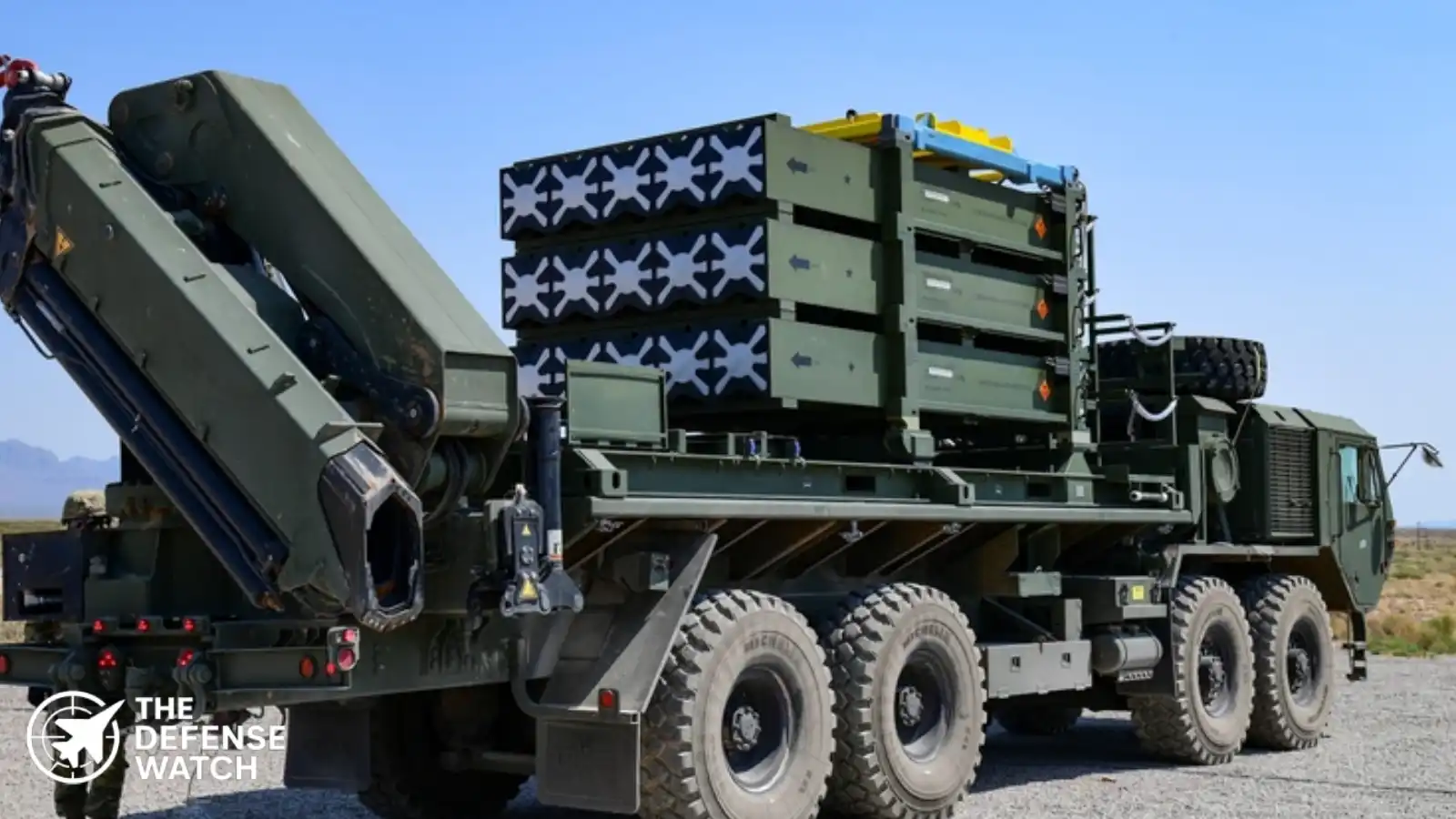
According to Axios and follow-on regional reporting, the deployment included Tamir interceptors and Israeli operators, with the system used to help defend the UAE from incoming Iranian missile and drone attacks. Israeli and U.S. officials cited by Axios said the move came after consultations between Israeli Prime Minister Benjamin Netanyahu and UAE President Mohammed bin Zayed.
- Israel reportedly deployed an Iron Dome battery to the UAE during the 2026 conflict with Iran.
- Several dozen Israeli personnel were said to accompany the system to operate it on Emirati soil.
- The battery reportedly intercepted multiple Iranian missiles and drones targeting the UAE.
- The move marks the first known foreign combat deployment of Iron Dome.
- The deployment signals deeper Israel-UAE military coordination under the Abraham Accords.
If confirmed in full detail, this would be the first known operational use of Iron Dome on foreign territory during active combat.
Why Iron Dome Matters In The Gulf
Iron Dome air defense system was originally designed to defeat short-range rockets, artillery rounds, and drones. It has since evolved into a flexible lower-tier air defense layer capable of engaging cruise missiles and some aerial threats when integrated into broader networks.
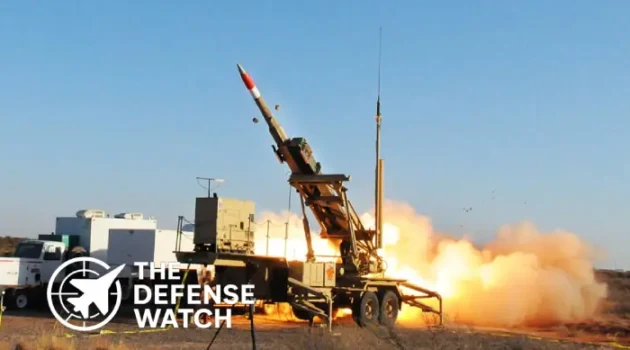
That matters in the Gulf, where states such as the UAE already field advanced systems including THAAD and Patriot PAC-3. Those systems are optimized for higher-end ballistic missile defense, while Iron Dome can add magazine depth and cheaper intercept options against drones or lower-flying threats.
In practical terms, layered defense is critical during saturation attacks, where a mix of ballistic missiles, cruise missiles, and drones are launched simultaneously.
Strategic Meaning Beyond The Hardware
The more important story may be political rather than technical.
Since the 2020 Abraham Accords, Israel and the UAE have expanded diplomatic, economic, and security ties. A wartime deployment of Israeli military personnel and a sensitive air defense asset onto Emirati territory suggests a level of trust and urgency that would have been difficult to imagine only a few years ago.
It also indicates that Gulf states increasingly view integrated regional defense as necessary against missile and drone threats from Iran and aligned groups.
For Washington, which has long encouraged regional missile defense cooperation among partners, such a move aligns with broader U.S. strategic goals of burden-sharing and networked security architecture.
Operational Lessons From The Conflict
The reported attacks on the UAE underscore how modern air campaigns are changing. Precision missiles alone are no longer the sole challenge. Large numbers of low-cost drones can force defenders to expend expensive interceptors or overwhelm radars.
That dynamic has driven demand for multi-layered systems where each threat is matched with the most efficient response.
If Iron Dome performed successfully in the UAE, it could strengthen export interest in Israeli short-range air defense technology and accelerate additional Gulf procurement or joint integration programs.
What Comes Next
Neither Israel nor the UAE has publicly released full operational details. That is common for sensitive wartime air defense missions. But the reported deployment itself is significant.
It shows that missile defense is no longer just a national shield. It is becoming a coalition capability, rapidly moved where threats emerge.
For the Middle East, that may be one of the most important military lessons of the 2026 conflict.