
China’s Novasky KC300 Kinetic Counter-Drone System Debuts At DSA 2026
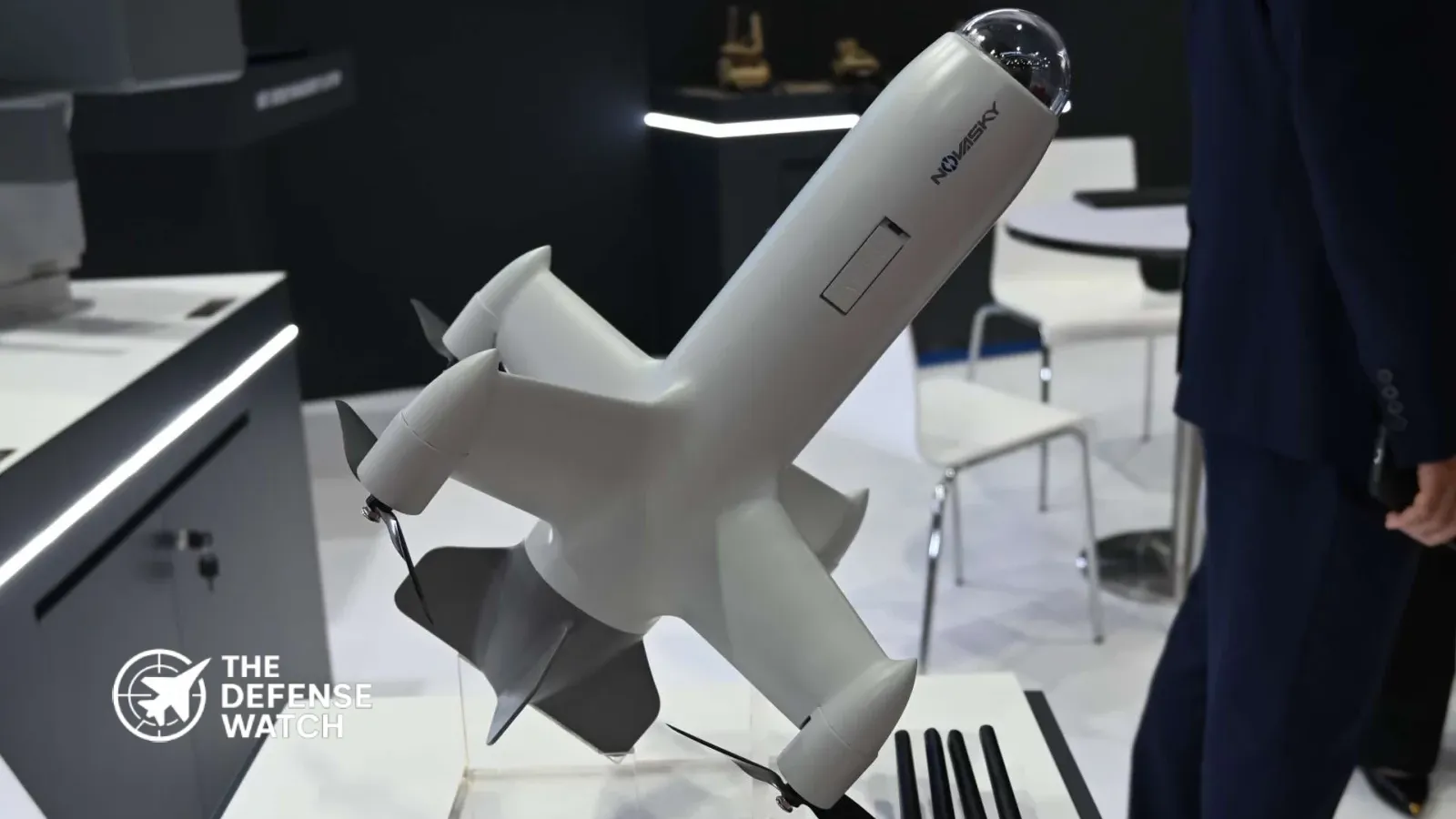
At the 2026 Defence Services Asia (DSA) exhibition in Kuala Lumpur, Chinese defense technology company Novasky showcased its KC300 high-speed kinetic counter-drone interceptor, designed to address short-range unmanned aerial vehicle (UAV) threats and one-way loitering munitions. The system’s introduction underscores intensified global focus on layered counter-UAS defenses as low-altitude drone threats proliferate.
- Chinese firm Novasky showcased its KC300 high-speed kinetic counter-drone interceptor at DSA 2026 in Kuala Lumpur, aimed at short-range UAV threats. :contentReference[oaicite:0]{index=0}
- The system uses a four-cell vertical launcher and high-speed kinetic drones to strike hostile UAVs without explosive warheads. :contentReference[oaicite:1]{index=1}
- KC300 interceptors can reach speeds up to roughly 300 kph with a control radius of at least 5 km. :contentReference[oaicite:2]{index=2}
- Kinetic impact rather than explosives aims to reduce collateral risk in perimeter defense missions. :contentReference[oaicite:3]{index=3}
- The system reflects growing demand for layered counter-UAS architectures to defend bases, infrastructure, and urban sites. :contentReference[oaicite:4]{index=4}
The Novasky KC300 combines a four-cell vertical launcher with high-velocity interceptor drones built to physically ram hostile drones, offering a hard-kill option without explosive warheads. This kinetic approach seeks to limit unintended damage in crowded or infrastructure-dense environments.
Short-Range Kinetic Interception For Dense Threat Environments
The KC300 is positioned for point-defense missions around military bases, airports, ammunition depots, and other critical sites where hostile UAVs pose a near-term hazard. Each interceptor drone is reported to reach speeds of up to about 300 kilometers per hour, with an operator control radius of at least 5 kilometers and typical flight paths around 15 kilometers. Endurance is limited, reflecting a design centered on rapid interception rather than sustained patrol.
The system integrates tracking and targeting sensors with high-resolution cameras to capture the position, speed, and trajectory of incoming threats. Once cued, operators can launch the high-speed interceptor drones for final engagement.
This kinetic impact philosophy mirrors broader developments in counter-UAS strategies internationally, where many military planners seek options that complement electronic warfare, radar jamming, and traditional missile interceptors. Attritable interceptors are becoming more common as the cost and volume of small drones rise globally.
Context: The Evolving Counter-UAS Landscape
Low-altitude threats from relatively inexpensive UAVs have driven a shift in how militaries and security forces protect key assets. Missile-based systems and directed energy weapons remain part of this spectrum, but kinetic interceptors like the KC300 target the last kilometer of engagement where quick, decisive action against swarming or wave-based attacks is critical.
Emerging practices in counter-UAS defense increasingly blend sensor fusion, electronic attack, and kinetic options to balance effectiveness and cost. Ukraine’s experience with attritable interceptor drones and layered defenses has influenced this trend, showing the utility of lower-cost physical interceptors against large numbers of cheap drones.
For nations in Southeast Asia and beyond, where urban density and critical infrastructure may elevate collateral risk, pure kinetic interception without explosive payloads offers an appealing alternative to more costly missile interceptors or broadly disruptive jammers.
What This Means For Regional Operators
The appearance of the KC300 at a major regional exhibition reflects both market ambitions by Novasky and the growing demand among defense and security buyers for flexible, cost-conscious counter-drone tools. While the system is positioned mainly for short-range defense, its modular nature and smaller footprint suggest it could integrate into broader defensive architectures alongside radar systems and other counter-UAS technologies.
As military planners continue adjusting to evolving unmanned threats, options like Novasky’s KC300 will be evaluated for their fit in multi-layered airspace defense networks, particularly in Southeast Asia where a mix of territorial, infrastructure, and border security challenges persist.