Germany Launches Kraken K3 Armed USV Production
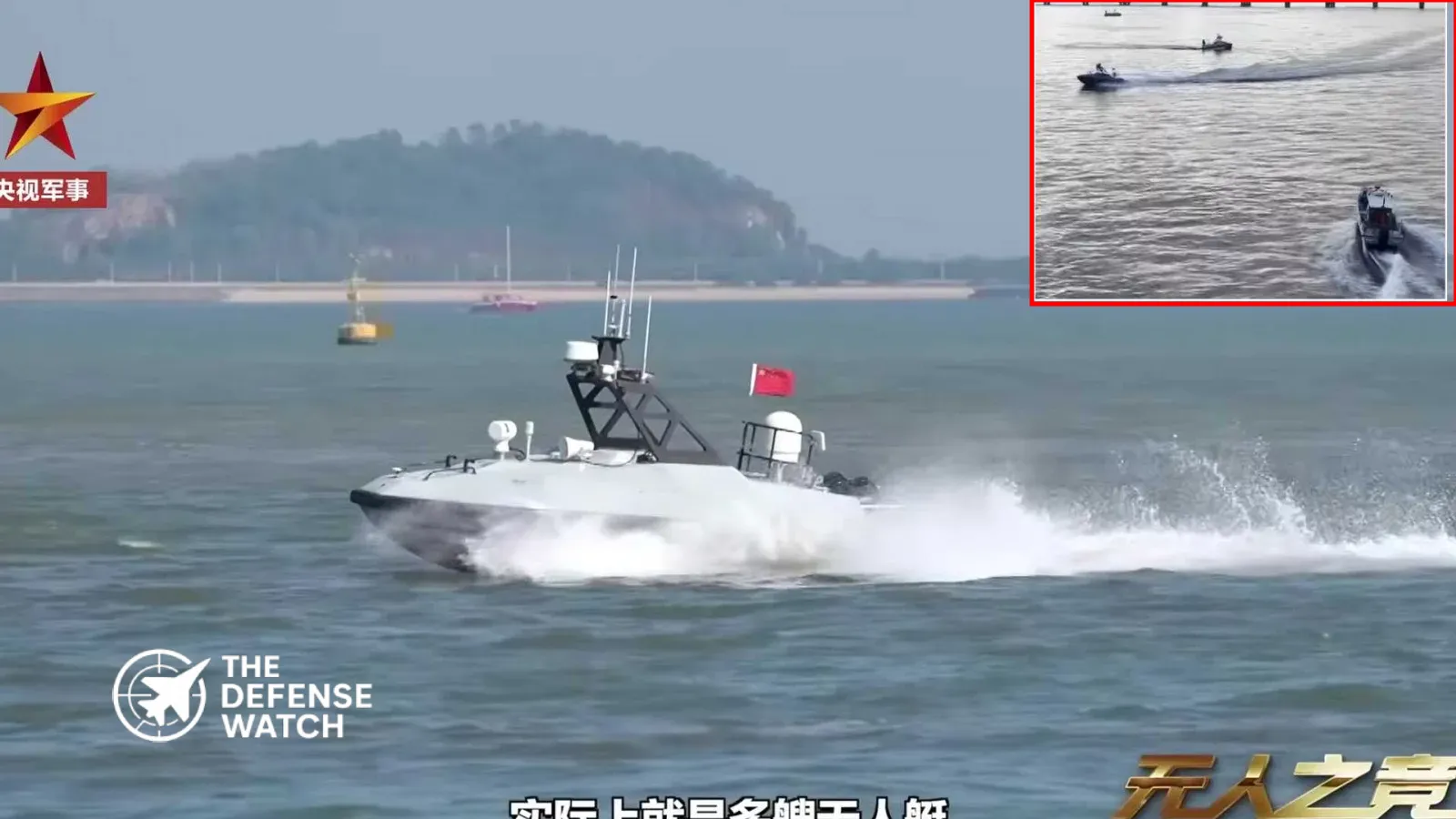
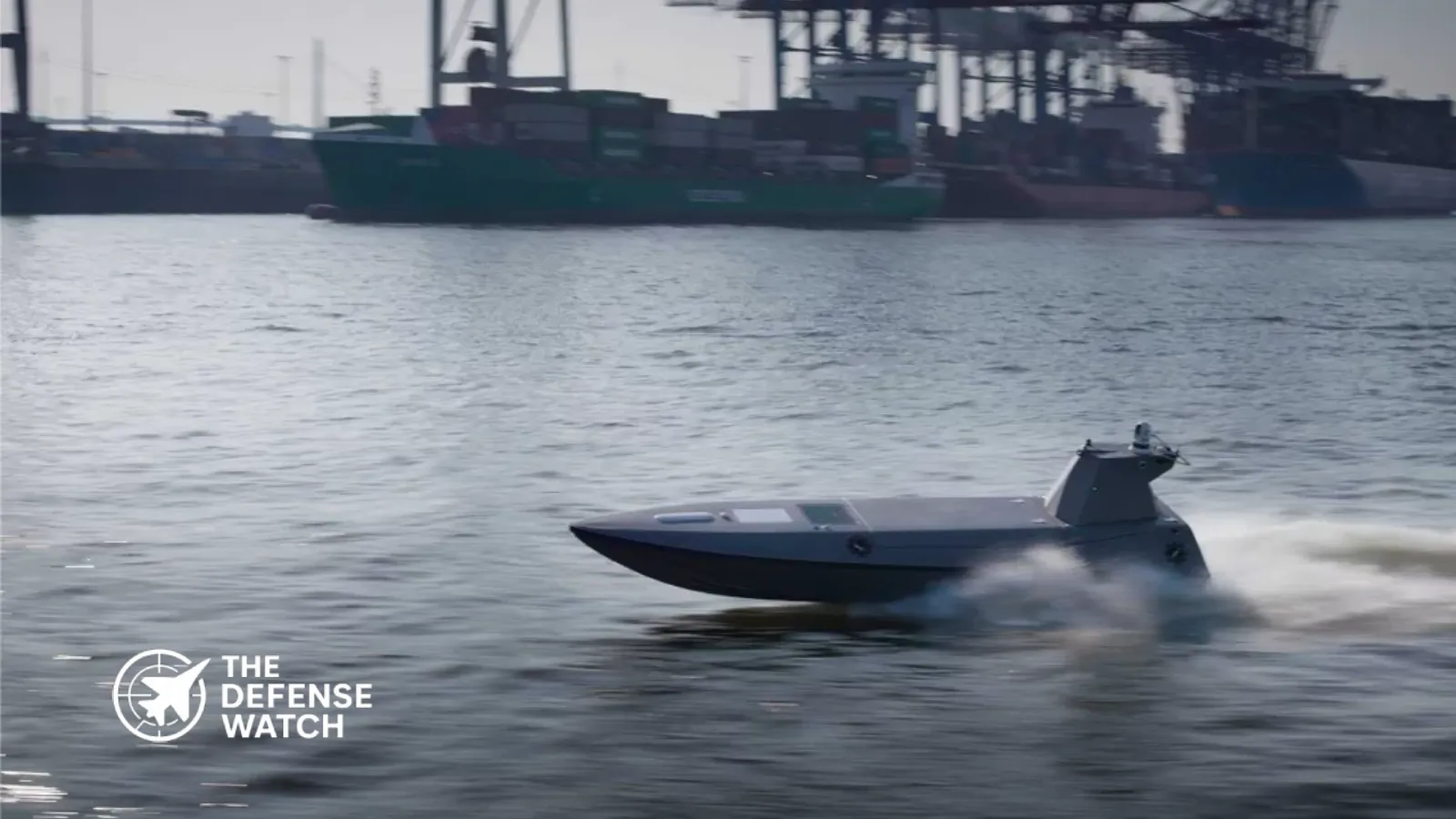
Kraken K3 armed USV production has begun in Germany, marking another step in Europe’s push toward autonomous maritime warfare and distributed naval operations. The new unmanned surface vessel is intended for armed strike, reconnaissance, and surveillance roles, offering naval forces a lower-risk platform for high-threat waters.
The launch comes as European militaries accelerate investment in drones and autonomous systems after observing the operational impact of unmanned surface vessels in the Black Sea and other contested maritime zones.
- Germany has launched production of the Kraken K3 armed unmanned surface vessel.
- The system is designed for autonomous strike, surveillance, and maritime security missions.
- The Kraken K3 can support contested littoral operations with lower risk to crews.
- Armed USVs are becoming a priority across Europe following lessons from the Black Sea.
- The program signals Germany’s growing focus on naval autonomy and distributed warfare.
Germany’s move suggests Berlin now sees armed surface drones as more than experimental assets. They are increasingly becoming practical tools for deterrence, coastal defense, and fleet support.
What Is The Kraken K3 Armed USV
The Kraken K3 armed USV is described as a compact unmanned vessel built for autonomous or remotely controlled operations. Systems in this category typically support missions such as:
- Maritime surveillance
- Harbor and infrastructure protection
- Intelligence collection
- Precision strike operations
- Swarm operations with multiple drones
- Decoy or electronic disruption missions
While detailed official specifications remain limited, platforms like the Kraken K3 usually emphasize modular payload bays, secure communications links, sensor integration, and scalable weapons options.
That flexibility matters. Navies no longer want single-purpose vessels when threats evolve rapidly. Modular USVs can be adapted faster and at lower cost than many traditional manned platforms.
Why Germany Is Moving Now
Germany’s decision reflects broader security changes in Europe.
The war in Ukraine demonstrated that relatively low-cost maritime drones can threaten larger and more expensive warships. Ukraine’s use of sea drones against Russian naval assets forced navies worldwide to reassess fleet protection, coastal defense, and force structure.
For Germany, which depends heavily on secure sea lines of communication in the Baltic Sea, North Sea, and wider NATO maritime network, autonomous systems offer several advantages:
- Persistent patrol capability
- Lower operating costs than crewed patrol craft
- Reduced personnel risk
- Faster mass production potential
- Better coverage of chokepoints and coastal zones
This is especially relevant as NATO members face pressure to expand readiness while controlling defense budgets.
Strategic Impact For NATO Navies
The Kraken K3 armed USV could become part of a wider layered force structure rather than a standalone replacement for warships.
Manned frigates and corvettes remain essential for air defense, anti-submarine warfare, and command missions. But unmanned vessels can screen approaches, scout ahead, monitor shipping lanes, or saturate enemy defenses.
That shift mirrors U.S., British, Turkish, and Ukrainian experimentation with autonomous naval systems.
If Germany fields the Kraken K3 at scale, it may encourage allied procurement programs and common standards for NATO unmanned maritime operations.
Industrial Significance
Launching production also highlights Germany’s defense industrial adaptation. European shipbuilders and technology firms are increasingly expanding into software-defined platforms, autonomous control systems, and smaller rapid-build naval assets.
Traditional shipbuilding cycles often take years. USVs can be developed faster, upgraded through software, and produced in larger numbers.
That industrial agility may prove just as important as raw platform performance.
Outlook
The Kraken K3 armed USV signals that Germany is joining the race to field practical autonomous naval combat systems. While large warships will remain central to maritime power, the future fleet is likely to include many smaller unmanned vessels working alongside them.
For NATO and European defense planners, the question is no longer whether armed USVs matter. It is how quickly they can be integrated into frontline operations.