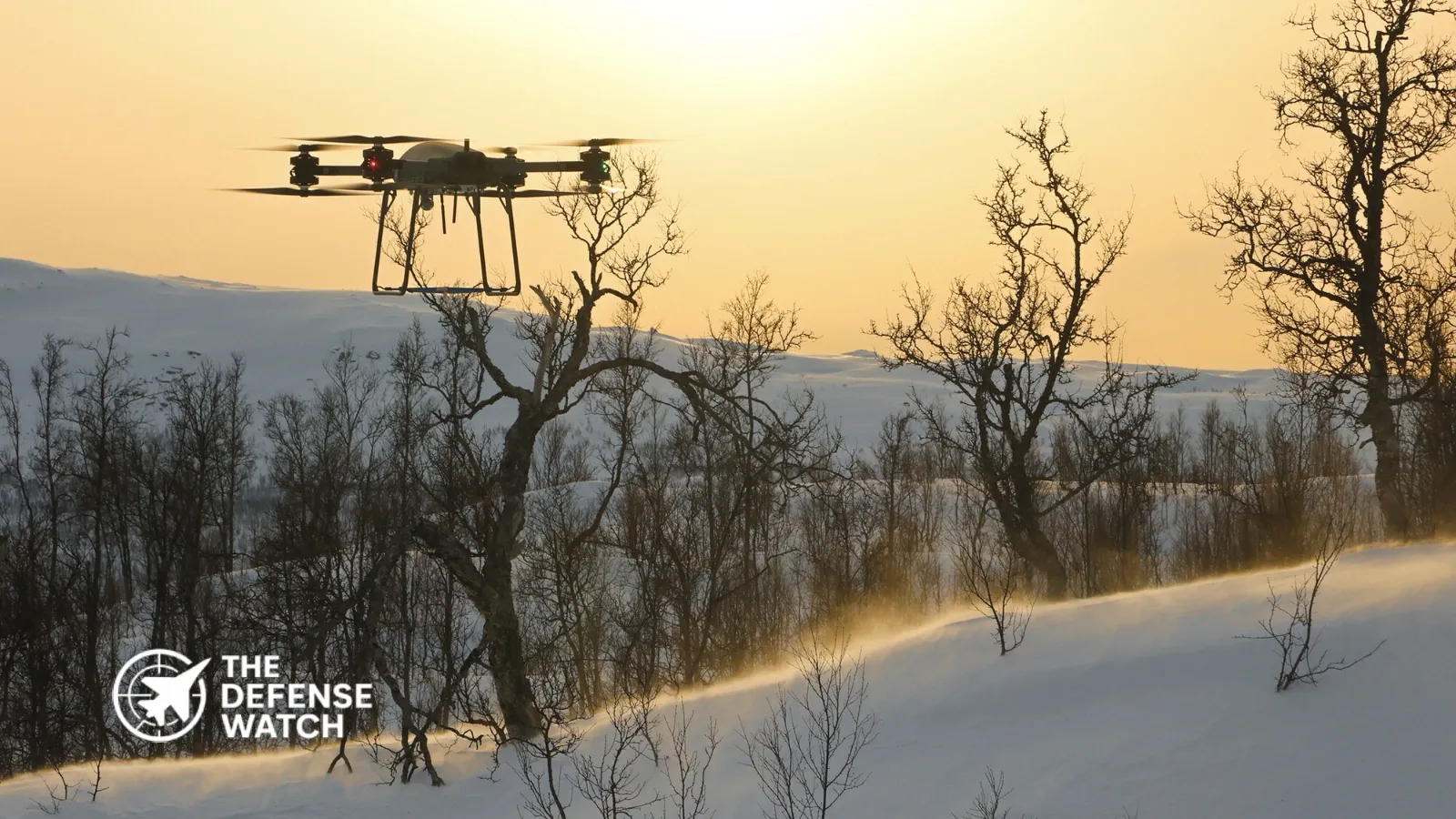
Royal Marines T-150 Drone Marks New Arctic Capability Step
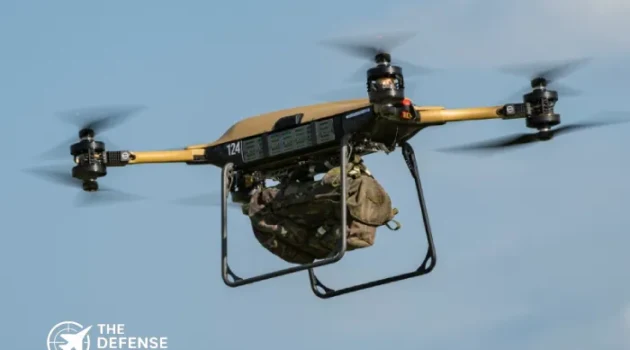
The Royal Marines T-150 drone has completed operational activity in the Arctic, marking a notable step in British efforts to integrate uncrewed systems into cold-weather expeditionary missions. According to BAE Systems, the T-150 uncrewed air system supported Royal Marines activity in extreme northern conditions, demonstrating its ability to operate where terrain, weather, and distance often slow traditional resupply methods.
- Royal Marines used the T-150 uncrewed air system during Arctic operations.
- The drone can support cargo delivery, reconnaissance, and resupply missions.
- Arctic deployment reflects growing NATO focus on northern security routes.
- Trials were conducted in extreme cold conditions that challenge conventional systems.
- Small autonomous aircraft may reduce risk to troops in remote environments.
The development matters because Arctic operations place unique stress on manned aircraft, vehicles, and troops. Reliable autonomous systems can help close those gaps.
The Big Picture
Arctic security has moved sharply up the defense agenda for NATO members. Melting sea routes, increased military activity, and growing competition over northern access corridors have pushed nations such as the United Kingdom, United States, Norway, and Canada to strengthen high-latitude readiness.
For the UK, the Royal Marines play a central role in cold-weather warfare. They regularly train in Norway and are expected to provide rapid-response forces for northern flank contingencies. Integrating drones such as the T-150 aligns with a broader trend across allied militaries, using autonomous platforms for reconnaissance, logistics, and force protection.
What’s Happening
BAE Systems said the Royal Marines employed the T-150 during Arctic activity, making history for the platform in the region. The aircraft is an uncrewed air system designed for demanding missions including cargo movement and surveillance.
The Arctic creates serious operating barriers. Snow cover limits mobility, mountainous terrain complicates line-of-sight movement, and severe cold can degrade batteries, sensors, and mechanical systems. A successful trial in those conditions is more meaningful than a standard temperate-climate demonstration.
Why It Matters
Military logistics often determine whether forces can sustain operations. In remote Arctic zones, even short movements can take hours or days. A drone capable of moving supplies directly to dispersed troops can shorten timelines and reduce exposure.
That has several advantages:
- Fewer personnel exposed on hazardous ground routes
- Faster movement of medical stores, batteries, and ammunition
- Better support for small forward teams
- Lower burden on helicopters reserved for higher-priority missions
The Royal Marines T-150 drone therefore represents more than a technology test. It points toward a new operating model for distributed forces.
Strategic Implications
Britain’s northern defense role has grown since NATO renewed focus on deterrence in Europe. The High North links the North Atlantic, GIUK gap, and access routes between North America and Europe.
Any platform that improves persistence and mobility in that region strengthens alliance readiness. Small drones cannot replace large transport aircraft or helicopters, but they can fill the tactical layer between backpack carriage and manned aviation.
That middle tier is often where shortages appear during real operations.
Competitor View
Russia has long treated the Arctic as a strategic military zone, with air bases, missile coverage, and maritime presence across its northern territories. Western adoption of resilient logistics drones may be viewed as part of a broader NATO effort to sustain forces closer to contested northern areas.
China, while not an Arctic state, has shown growing commercial and strategic interest in polar shipping lanes and research access. NATO members are likely to interpret autonomous cold-weather systems as necessary preparation for future competition rather than niche experimentation.
What To Watch Next
Several indicators will show whether the T-150 moves beyond trials:
- Expanded Royal Marines field exercises using the system
- Integration with British Army or joint logistics units
- Maritime launch and recovery testing
- Secure data-link upgrades for contested environments
- Procurement decisions for wider fleet adoption
If the platform proves dependable across repeated deployments, it could become part of standard expeditionary force packages.
Capability Gap
Western militaries often possess advanced strike systems but still struggle with last-mile resupply in difficult terrain. The Royal Marines T-150 drone appears aimed directly at that weakness.
However, limitations remain realistic and important:
- Payload is smaller than helicopters or vehicles
- Weather can still restrict flight windows
- Electronic warfare threats may disrupt control links
- Batteries and maintenance remain critical in cold climates
Even so, those constraints do not remove its utility. They define where it should be used.
The Bottom Line
The Royal Marines T-150 drone shows how small autonomous aircraft can solve real battlefield logistics problems in one of the world’s most demanding theaters.