
HMS Queen Elizabeth Back At Sea After Rapid Turnaround
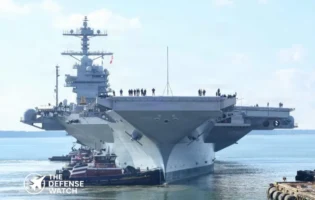
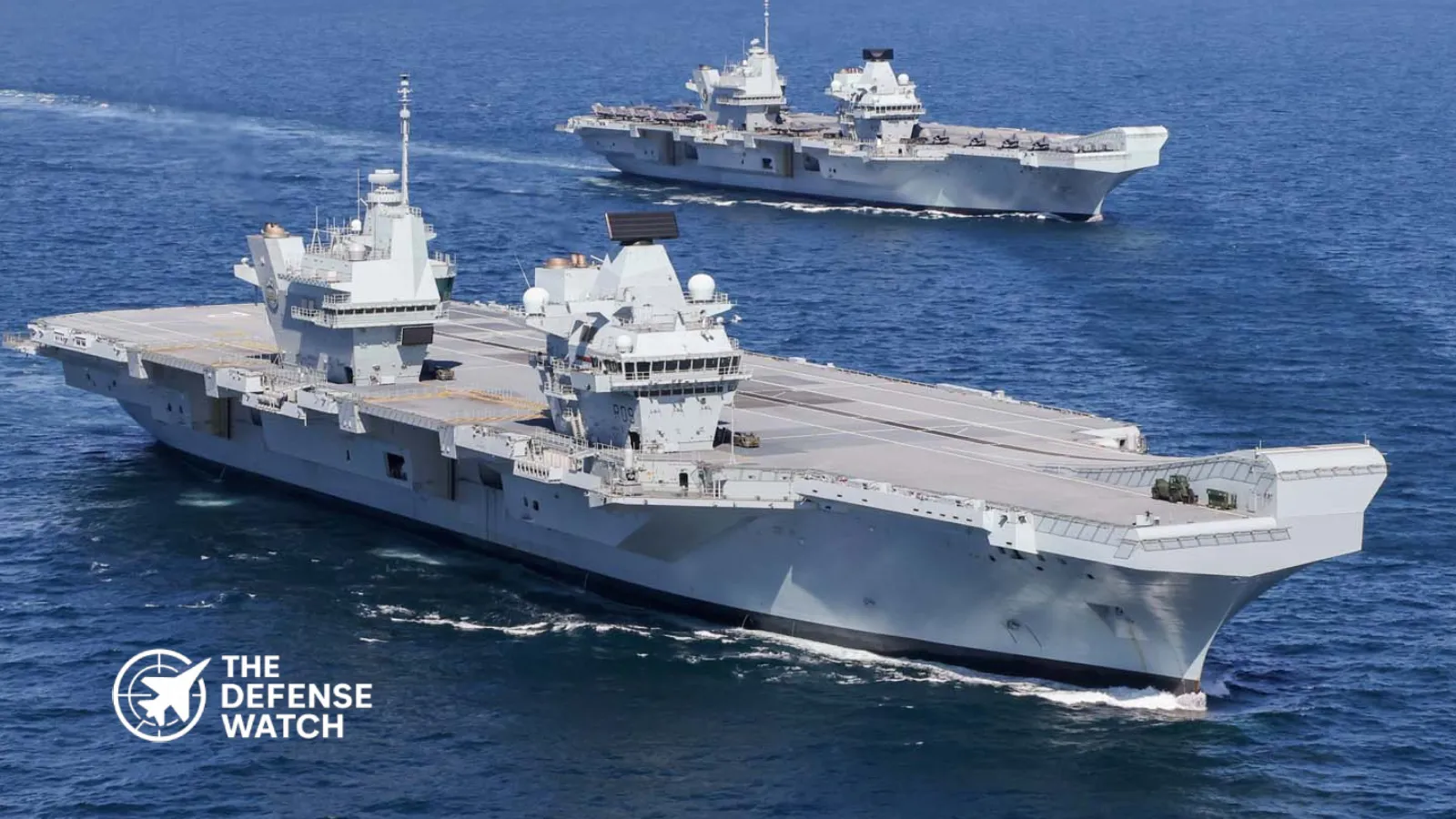
HMS Queen Elizabeth back at sea marks another visible sign that the Royal Navy is maintaining a high operational tempo for its carrier force. Britain’s flagship aircraft carrier departed Portsmouth only days after arriving, returning quickly to maritime duties following recent training activity.
The 65,000 ton warship had recently completed a 10 day training period involving Royal Air Force Chinook helicopters, naval aviation elements, and escort integration drills. Exercises also included cooperation with the Type 23 frigate HMS St Albans before the vessel re-entered port.
- HMS Queen Elizabeth has departed Portsmouth and returned to sea after a short port stop.
- The carrier recently completed training with Royal Air Force Chinook helicopters and escort units.
- The deployment highlights sustained Royal Navy readiness and rapid turnaround capability.
- HMS Queen Elizabeth is one of two 65,000 ton Queen Elizabeth class aircraft carriers.
- The ship can operate F-35B fighter jets, Merlin helicopters, and support carrier strike missions.
The quick turnaround is notable because large deck carriers require significant logistics support, maintenance coordination, and crew management even during short port visits. Returning to sea within days suggests the Royal Navy is emphasizing readiness rather than routine harbor downtime.
Why This Matters For Britain’s Naval Strategy
The British aircraft carrier force centers on two ships, HMS Queen Elizabeth and HMS Prince of Wales. Unlike larger navies with multiple carrier groups, the UK relies on rotating availability between these two vessels. That makes every deployment, sea trial, and training cycle strategically important.
A rapid redeployment can serve several purposes:
- Sustain pilot and deck crew proficiency
- Maintain escort integration with frigates and support ships
- Demonstrate NATO maritime readiness
- Preserve availability for crisis response
- Prepare for future global deployments
For London, carrier presence remains one of the clearest symbols of expeditionary military power. Whether operating in the North Atlantic, Mediterranean, Indo-Pacific, or on NATO tasking, these ships give Britain options beyond land-based airpower.
Capability Of The Queen Elizabeth Class
The Queen Elizabeth class carriers are among the largest warships ever built for the Royal Navy. Each vessel measures roughly 284 meters in length and can carry up to around 40 aircraft depending on mission profile. Their air wing can include F-35B Lightning II fighters and Merlin helicopters for anti-submarine warfare and airborne surveillance roles.
The ski-jump flight deck design allows short takeoff and vertical landing operations, enabling flexible use without catapult systems. This keeps the carrier optimized for the F-35B concept while reducing some technical complexity compared with CATOBAR carriers.
Original Analysis: Readiness Is The Real Message
The most important signal from HMS Queen Elizabeth back at sea may not be combat power alone. It is readiness discipline.
Modern carriers are expensive national assets, and critics often measure them only by wartime scenarios. In peacetime, however, value is often shown through availability, training output, alliance presence, and deterrence signaling. Sailing repeatedly, even for short periods, helps crews remain sharp and systems validated.
For allies, this shows the UK can still generate credible maritime power. For rivals, it signals Britain’s carrier fleet is active, not ceremonial.