HMS Queen Elizabeth Back At Sea After Rapid Turnaround
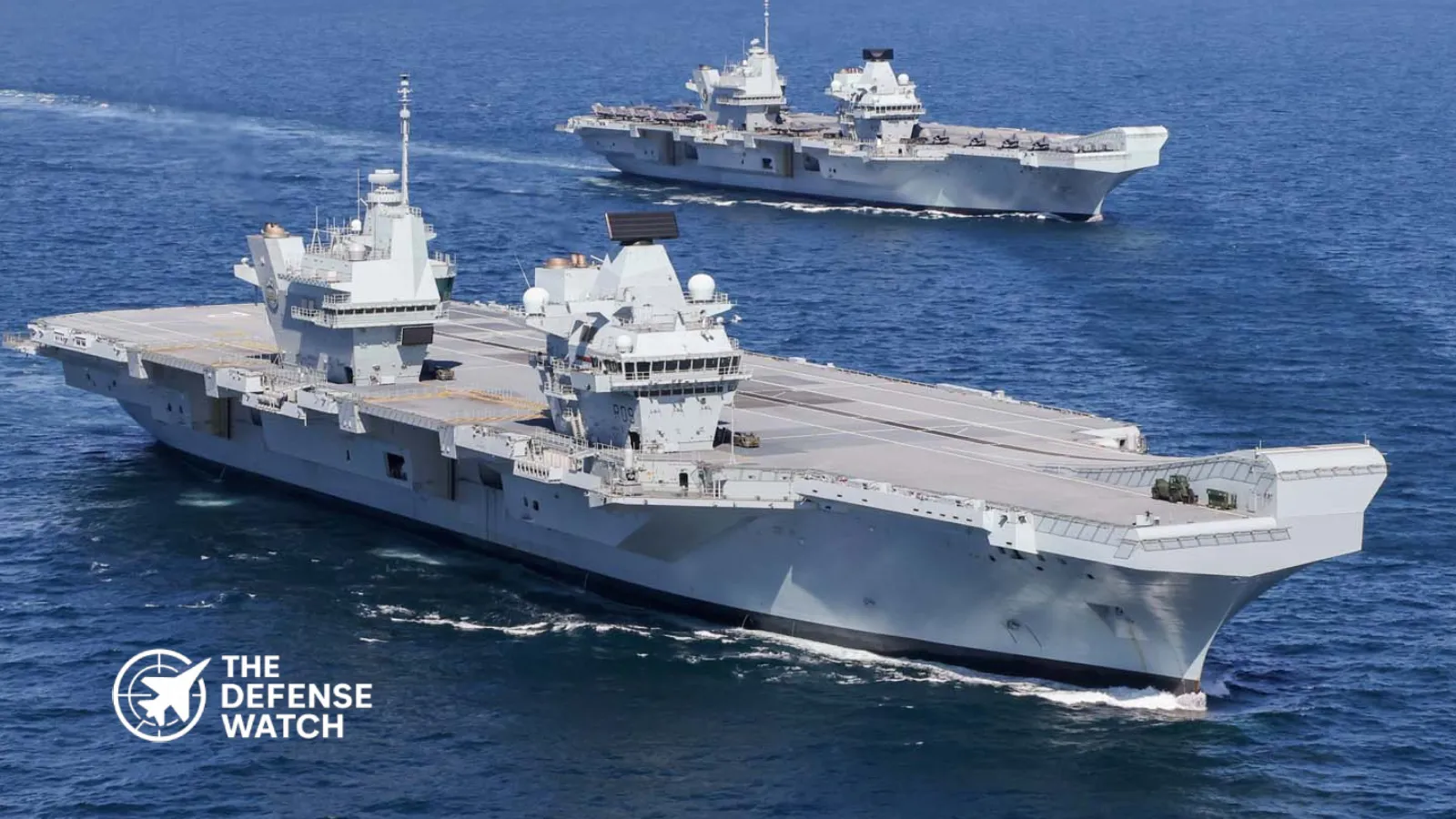
HMS Queen Elizabeth back at sea marks another visible sign that the Royal Navy is maintaining a high operational tempo for its carrier force. Britain’s flagship aircraft carrier departed Portsmouth only days after arriving, returning quickly to maritime duties following recent training activity.
The 65,000 ton warship had recently completed a 10 day training period involving Royal Air Force Chinook helicopters, naval aviation elements, and escort integration drills. Exercises also included cooperation with the Type 23 frigate HMS St Albans before the vessel re-entered port.
- HMS Queen Elizabeth has departed Portsmouth and returned to sea after a short port stop.
- The carrier recently completed training with Royal Air Force Chinook helicopters and escort units.
- The deployment highlights sustained Royal Navy readiness and rapid turnaround capability.
- HMS Queen Elizabeth is one of two 65,000 ton Queen Elizabeth class aircraft carriers.
- The ship can operate F-35B fighter jets, Merlin helicopters, and support carrier strike missions.
The quick turnaround is notable because large deck carriers require significant logistics support, maintenance coordination, and crew management even during short port visits. Returning to sea within days suggests the Royal Navy is emphasizing readiness rather than routine harbor downtime.
Why This Matters For Britain’s Naval Strategy
The British aircraft carrier force centers on two ships, HMS Queen Elizabeth and HMS Prince of Wales. Unlike larger navies with multiple carrier groups, the UK relies on rotating availability between these two vessels. That makes every deployment, sea trial, and training cycle strategically important.
A rapid redeployment can serve several purposes:
- Sustain pilot and deck crew proficiency
- Maintain escort integration with frigates and support ships
- Demonstrate NATO maritime readiness
- Preserve availability for crisis response
- Prepare for future global deployments
For London, carrier presence remains one of the clearest symbols of expeditionary military power. Whether operating in the North Atlantic, Mediterranean, Indo-Pacific, or on NATO tasking, these ships give Britain options beyond land-based airpower.
Capability Of The Queen Elizabeth Class
The Queen Elizabeth class carriers are among the largest warships ever built for the Royal Navy. Each vessel measures roughly 284 meters in length and can carry up to around 40 aircraft depending on mission profile. Their air wing can include F-35B Lightning II fighters and Merlin helicopters for anti-submarine warfare and airborne surveillance roles.
The ski-jump flight deck design allows short takeoff and vertical landing operations, enabling flexible use without catapult systems. This keeps the carrier optimized for the F-35B concept while reducing some technical complexity compared with CATOBAR carriers.
Original Analysis: Readiness Is The Real Message
The most important signal from HMS Queen Elizabeth back at sea may not be combat power alone. It is readiness discipline.
Modern carriers are expensive national assets, and critics often measure them only by wartime scenarios. In peacetime, however, value is often shown through availability, training output, alliance presence, and deterrence signaling. Sailing repeatedly, even for short periods, helps crews remain sharp and systems validated.
For allies, this shows the UK can still generate credible maritime power. For rivals, it signals Britain’s carrier fleet is active, not ceremonial.
USS Gerald R. Ford Departs Croatia, Continues European Operations
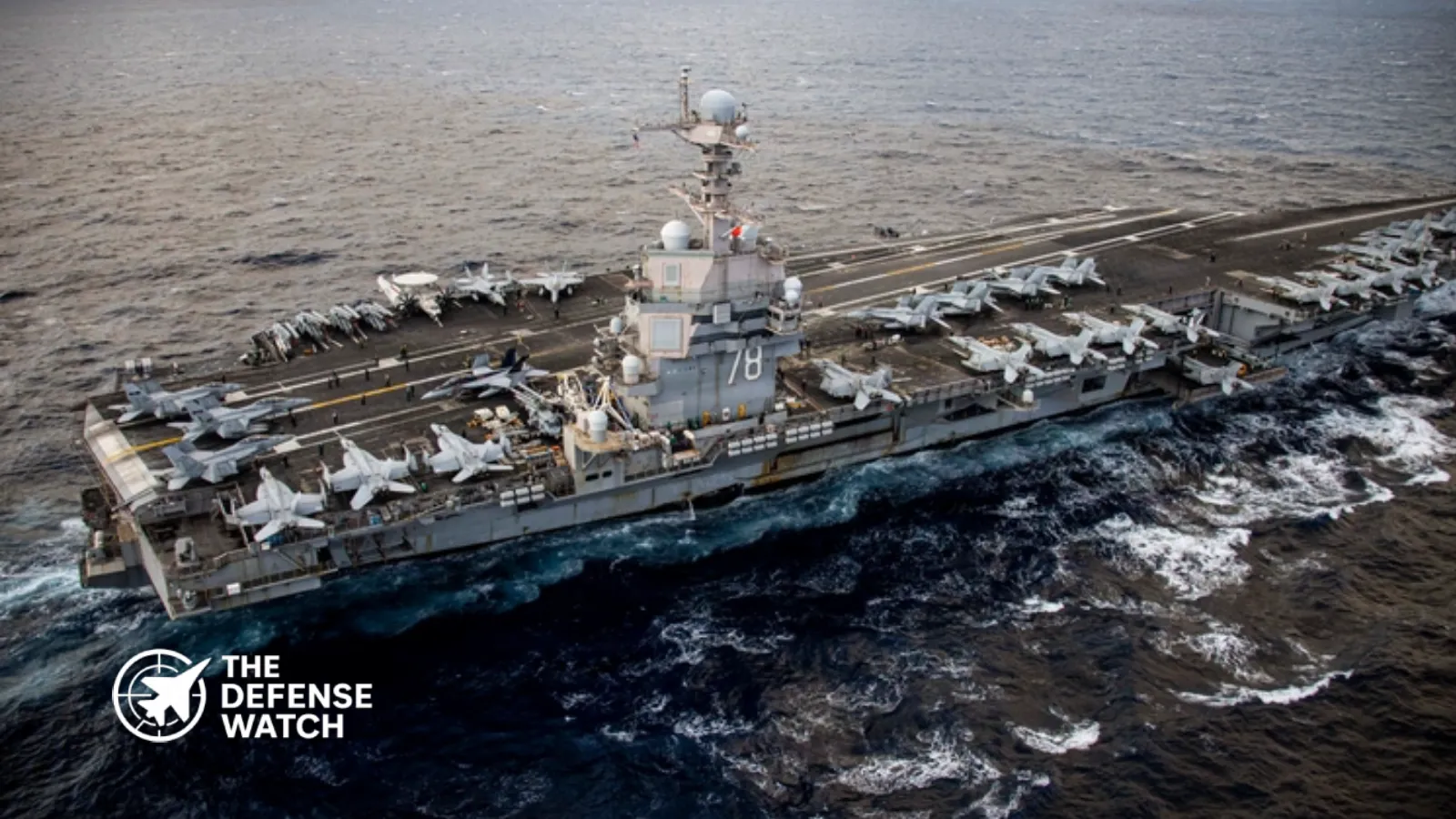
The USS Gerald R. Ford deployment in Europe entered its next phase as USS Gerald R. Ford departed Croatia following a scheduled port visit, reinforcing U.S. naval presence in the region.
The port call, conducted in the Adriatic Sea, formed part of ongoing U.S. Navy efforts to strengthen cooperation with NATO allies and regional partners. According to defense reporting from Defence Industry Europe, the visit provided an opportunity for logistical resupply, crew rest, and diplomatic engagement.
- USS Gerald R. Ford departed Croatia following a scheduled port visit in early April 2026.
- The visit supported U.S. Navy engagement with regional allies and partners in the Adriatic Sea.
- The carrier continues its deployment in the U.S. Sixth Fleet area of responsibility.
- USS Gerald R. Ford is the lead ship of the Ford-class, featuring advanced electromagnetic launch systems.
- The deployment underscores sustained U.S. naval presence in Europe amid evolving security conditions.
Strategic Role In European Theater
The USS Gerald R. Ford deployment remains central to U.S. maritime strategy in Europe. Operating under the U.S. Sixth Fleet, the carrier strike group supports deterrence, joint exercises, and rapid response capabilities across the region.
Port visits such as the one in Croatia serve more than logistical purposes. They signal sustained U.S. commitment to European security, particularly along NATO’s southern flank. The Adriatic Sea, while less contested than the Baltic or Black Sea, plays a supporting role in alliance mobility and maritime security.
From an operational standpoint, the Ford-class carrier offers increased sortie generation rates and reduced crew requirements compared to legacy Nimitz-class carriers. These features enable more efficient power projection during extended deployments.
Advanced Capabilities Of Ford-Class Carrier
The USS Gerald R. Ford deployment highlights the capabilities of the Navy’s newest carrier class. Key systems include the Electromagnetic Aircraft Launch System (EMALS) and Advanced Arresting Gear, both designed to improve aircraft launch efficiency and reduce maintenance demands.
These technologies allow the carrier to support a broader range of aircraft operations while maintaining a higher operational tempo. The ship also integrates improved radar systems and enhanced survivability features, reflecting evolving requirements for high-end naval warfare.
In practical terms, these upgrades translate into greater flexibility for commanders operating in complex maritime environments, including contested regions near Eastern Europe and the Mediterranean.
Regional Security Context
The USS Gerald R. Ford deployment comes at a time when European security dynamics remain fluid. While the Adriatic region is relatively stable, broader tensions across the continent continue to shape NATO force posture.
U.S. carrier presence in Europe provides a visible and flexible deterrent. Unlike land-based forces, a carrier strike group can reposition quickly, offering policymakers options across multiple theaters without permanent basing requirements.
The departure from Croatia does not mark a reduction in activity. Instead, it reflects the mobility inherent in carrier operations. The Ford and its strike group are expected to continue exercises and patrols across the Sixth Fleet area.
Operational Impact And Analysis
The USS Gerald R. Ford deployment underscores a shift toward sustained, high-readiness naval operations in Europe. Rather than short-duration deployments, the U.S. Navy is increasingly maintaining continuous presence through rotational carrier strike groups.
This approach enhances interoperability with allies while ensuring rapid response capability. It also aligns with broader U.S. defense strategy, which prioritizes forward presence and integrated deterrence.
Importantly, port visits like the one in Croatia contribute to soft power alongside military capability. Engagement with local authorities and allied navies reinforces diplomatic ties that underpin NATO cohesion.
Looking Ahead
As the USS Gerald R. Ford deployment continues, its movements will likely focus on joint exercises, maritime security operations, and deterrence missions. The carrier’s advanced systems and operational flexibility position it as a key asset in U.S. naval strategy.
With evolving security challenges across Europe, the presence of a Ford-class carrier provides both reassurance to allies and a credible deterrent to potential adversaries.
Best Aircraft Carriers in the World 2026, Why It Matters
The best aircraft carriers in the world in 2026 matter because they remain the clearest measure of global naval power. These ships project airpower far from home ports, support allies, deter rivals, and shape crisis response. As competition sharpens in the Indo Pacific, the Atlantic, and the Middle East, carrier capability is no longer about prestige. It is about who can sustain combat power at sea.
How the Ranking Assessment Was Made
The ranking assessment looks at how well each aircraft carrier can perform real world combat and sustained operations in 2026, not just how large or new the ship is. Key factors include the size and capability of the air wing, launch and recovery systems, power generation, survivability, and how often the carrier can generate sorties during high intensity operations. Operational experience also matters. Navies with decades of carrier deployments score higher because training, maintenance, and command integration are proven under stress. Finally, the assessment weighs how each carrier fits into its nation’s wider naval strategy, including escort ships, logistics support, and alliance interoperability. This approach gives a clearer picture of actual combat value rather than paper specifications alone.
What follows is a fresh analysis of the top aircraft carriers shaping naval balance in 2026, written for TheDefenseWatch.com audience.
1. Gerald R. Ford Class, United States
The Gerald R. Ford class remains the benchmark for modern aircraft carriers. These nuclear powered ships are the largest warships ever built and represent a generational leap over the older Nimitz class.
Why It Leads the Ranking
Ford class carriers introduce electromagnetic catapults, advanced arresting gear, and a redesigned flight deck. These changes increase sortie rates while reducing crew workload. The class is built to operate modern aircraft like the F 35C alongside legacy platforms.
Strategic Impact
In 2026, USS Gerald R. Ford and USS John F. Kennedy anchor U.S. carrier strike groups in the Atlantic and Pacific. Their ability to generate sustained air operations gives Washington unmatched reach. No other navy can deploy comparable power at similar scale or tempo.
2. Nimitz Class, United States
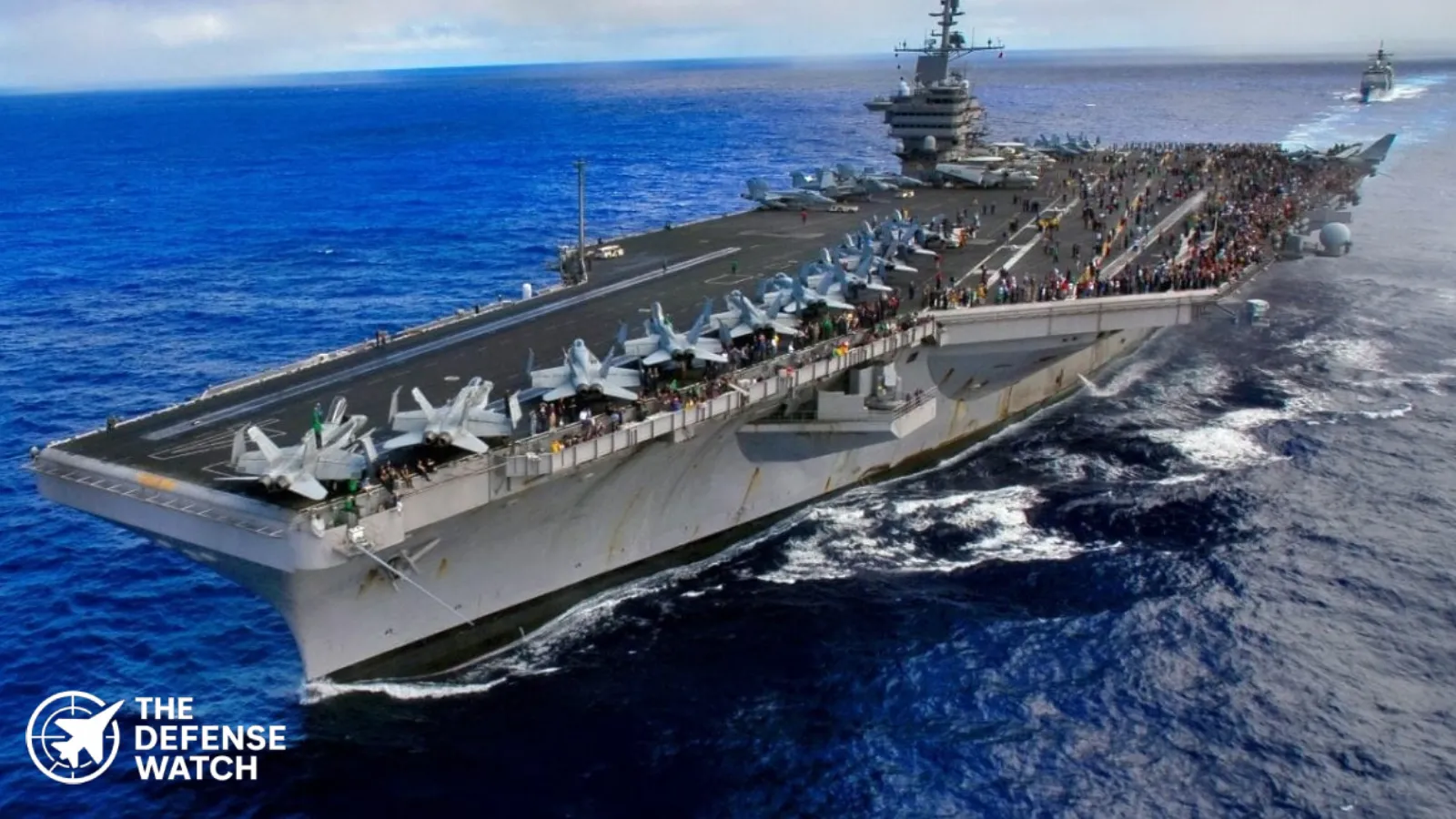
Even as newer ships enter service, the Nimitz class remains a core pillar of U.S. naval power. Several of these carriers will remain active into the 2030s.
Still Relevant in 2026
Despite their age, Nimitz class carriers have received major upgrades. Improved radars, combat systems, and air wings keep them combat credible. Their nuclear propulsion allows long deployments without refueling.
Operational Value
Nimitz class carriers continue to shoulder much of the U.S. Navy’s global presence mission. From freedom of navigation patrols to crisis response, these ships remain central to American maritime strategy.
3. Fujian, China
China’s Fujian aircraft carrier marks a turning point for the People’s Liberation Army Navy. It is Beijing’s first carrier designed from the start with electromagnetic catapults.
A Leap Forward for China
Unlike earlier Chinese carriers, Fujian is not based on Soviet era designs. It is larger, more capable, and better suited for high tempo flight operations. This allows China to operate heavier aircraft with greater range and payload.
Regional Consequences
While Fujian does not yet match U.S. carriers in experience or integration, its entry into service signals China’s intent to operate blue water carrier groups. In the Western Pacific, this adds pressure on U.S. and allied naval planners.
4. HMS Queen Elizabeth, United Kingdom
The United Kingdom’s Queen Elizabeth class focuses on flexibility rather than raw size. These carriers operate short takeoff and vertical landing aircraft, primarily the F 35B.
Strength Through Integration
HMS Queen Elizabeth and HMS Prince of Wales are designed to operate closely with NATO allies, especially the United States. U.S. Marine Corps F 35Bs routinely deploy aboard British carriers, creating combined air wings.
Strategic Role
In 2026, British carriers support NATO operations, reinforce presence in the Indo Pacific, and provide London with independent strike options. Their strength lies in coalition warfare rather than solo power projection.
5. Charles de Gaulle, France
France’s Charles de Gaulle remains Europe’s only nuclear powered aircraft carrier. Though smaller than U.S. carriers, it packs significant capability.
Compact but Capable
The ship operates CATOBAR systems, allowing it to launch heavier aircraft than STOVL carriers. Its air wing includes Rafale M fighters with nuclear strike capability.
Global Reach
Charles de Gaulle gives France an independent global strike option. Regular deployments to the Indo Pacific and Middle East underline Paris’s role as a global naval actor.
Comparing Carrier Capabilities in 2026
Size vs Effectiveness
Bigger is not always better, but size still matters. Larger decks allow more aircraft, higher sortie rates, and better sustainment. This remains a U.S. advantage.
Technology and Training
Catapult systems, aircraft integration, and crew experience often matter more than displacement. The U.S. Navy still leads in operational knowledge built over decades.
Numbers Matter
The United States operates more aircraft carriers than the rest of the world combined. Even as rivals improve individual ships, overall capacity remains uneven.
Analysis, What This Ranking Tells Us
The best aircraft carriers in the world in 2026 reflect a shifting but still U.S. led naval order. China’s progress is real and should not be dismissed. However, experience, integration, and logistics remain decisive advantages for the United States and its allies.
European carriers show a different model. They focus on alliance operations and crisis response rather than sustained high intensity conflict alone. This complements U.S. strategy and spreads risk across partners.
For Washington, the message is clear. Maintaining carrier readiness matters as much as building new hulls. For rivals, closing the gap will take more than hardware. It will require decades of training and operational learning.
FAQs
Which country has the best aircraft carriers in 2026?The United States operates the most capable and numerous aircraft carriers in the world in 2026.
Is China close to matching U.S. aircraft carriers?China is improving rapidly, but it still lacks the operational experience and global reach of the U.S. Navy.
Why are aircraft carriers still important?They provide mobile airpower, deterrence, and rapid response without relying on foreign bases.
Do smaller carriers still matter?Yes. British and French carriers play key roles in coalition operations and regional security.