
Norwegian F-35 Scramble Responds To Russian Arctic Surveillance Activity
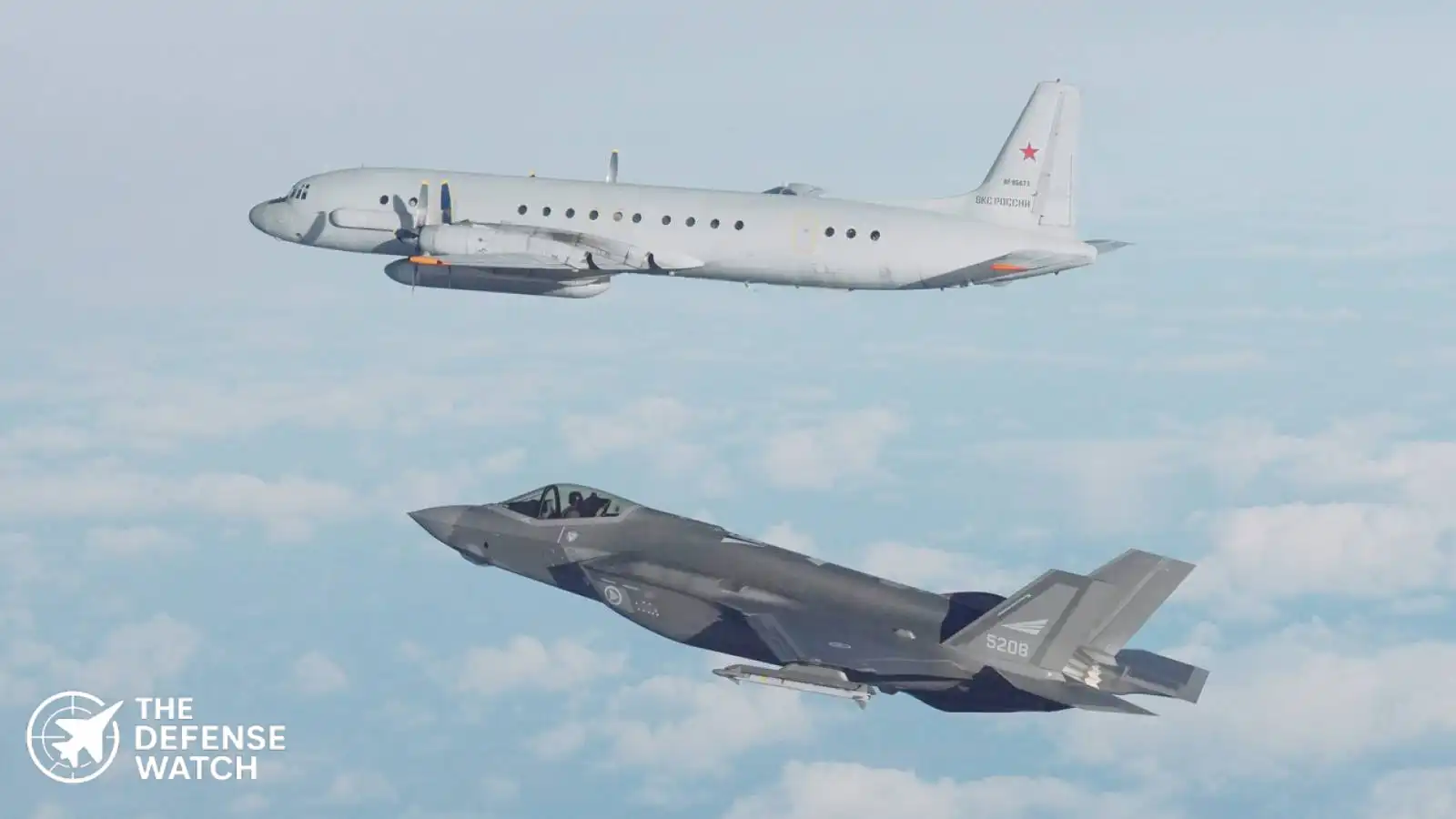
Norwegian F-35 jets were scrambled after Russian maritime patrol aircraft were detected operating near NATO areas of interest in the High North, according to reporting by Army Recognition citing Norwegian defense information. The intercept involved Russian Il-38 and Tu-142 aircraft, both long-range surveillance platforms used to monitor naval activity and submarine movements.
- Norway scrambled F-35 fighter jets to identify Russian aircraft near its airspace.
- Russian aircraft involved were reported as Il-38 and Tu-142 maritime patrol platforms.
- Activity occurred amid heightened NATO naval presence in the High North.
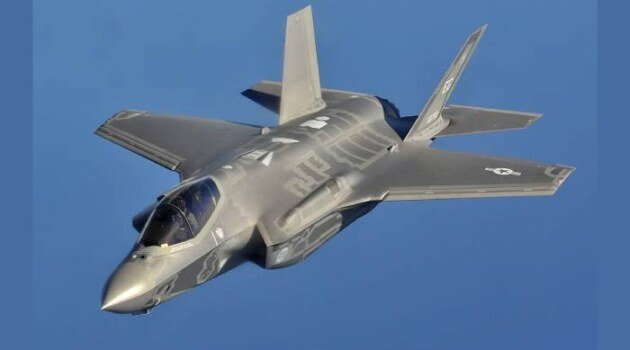
- Norway operates F-35A fighters as its primary quick reaction alert interceptor fleet.
- Incident highlights growing competition over Arctic sea lanes and military access.
The incident reflects a familiar but increasingly important pattern, Russia using long-range patrol aircraft to gather intelligence while NATO strengthens Arctic readiness.
The Big Picture
The High North has become one of NATO’s most strategically sensitive regions. Melting sea ice, growing maritime traffic, undersea cable vulnerability, and expanding military activity have pushed Arctic security higher on alliance planning agendas.
Norway occupies a front-line position in that environment. It borders Russia, controls access routes into the North Atlantic, and hosts key air and maritime infrastructure used by NATO forces. Any increase in Russian reconnaissance flights near Norwegian territory draws close attention because it may indicate wider monitoring of allied naval deployments.
Norwegian F-35 aircraft are central to that mission. Their sensors, range, and networked data-sharing abilities give Oslo stronger situational awareness across vast northern operating areas.
What’s Happening
Norwegian authorities launched a quick reaction alert mission after detecting Russian Il-38 and Tu-142 patrol aircraft approaching areas monitored by Norway’s air defense network.
The Il-38 is a maritime patrol and anti-submarine warfare aircraft derived from the Il-18 airliner. Russia uses it for surface surveillance, submarine hunting, and long-duration patrols.
The Tu-142 is a larger, longer-range platform developed from the Tu-95 bomber family. It is designed for anti-submarine warfare and ocean reconnaissance, making it especially relevant during periods of naval movement.
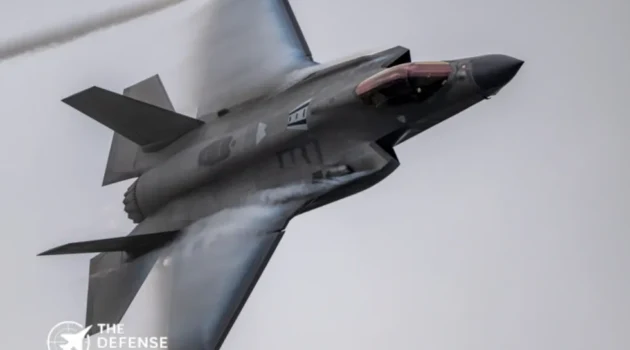
Norwegian F-35 fighters intercepted and visually identified the aircraft, a standard NATO air policing procedure intended to maintain awareness and sovereignty without escalation.
Why It Matters
Russian patrol flights often seek more than symbolic presence. They can collect electronic emissions, track fleet movements, map air defense responses, and observe alliance operating patterns.
That matters in the High North because NATO increasingly relies on northern sea lanes and Arctic staging areas. Allied submarines, carrier groups, maritime patrol aircraft, and reinforcement shipping routes all depend on secure access to the North Atlantic.
A Norwegian F-35 scramble therefore serves two purposes. It protects sovereign airspace, and it signals that NATO can rapidly detect and respond to intelligence-gathering activity.
Strategic Implications
Norway’s transition from F-16s to F-35As has significantly upgraded its deterrence posture. The aircraft combines stealth, advanced radar, passive sensors, and secure data links that are valuable in contested northern environments.
For NATO, Norway’s fleet acts as a forward sensing node. Information gathered by Norwegian F-35s can support wider alliance maritime and air operations.
Russia is also likely testing response times and operational patterns. Repeated patrols can reveal how quickly fighters launch, where they intercept, and which assets are active in theater. That makes routine intercept missions strategically relevant even when no violation of sovereign airspace occurs.
Competitor View
Moscow traditionally views NATO naval concentration in northern waters as a direct challenge to the security of the Kola Peninsula, home to major Russian naval and strategic submarine forces.
From that perspective, maritime patrol flights by Il-38 and Tu-142 aircraft help Russia monitor allied operations near critical bastions used by its Northern Fleet. NATO, however, views these patrols as intelligence collection activity requiring constant monitoring.
This dynamic helps explain why intercepts have become more frequent and more visible.
What To Watch Next
NATO will likely continue expanding Arctic exercises, maritime patrol rotations, and integrated air defense drills. Norway is expected to deepen F-35 integration with allied assets such as P-8 maritime patrol aircraft, naval task groups, and ground-based sensors.
Observers should also watch for:
- More Russian bomber and patrol flights in northern corridors
- Expanded NATO submarine and surface operations
- New Arctic basing investments
- Greater focus on undersea infrastructure security
Capability Gap
The Norwegian F-35 scramble addresses a longstanding Arctic challenge, covering vast distances with limited warning time.
Older aircraft could intercept effectively, but modern operations require more than speed. Commanders need fused sensor data, electronic awareness, and secure networking across sea, air, and land forces. The F-35 helps close that gap.
Limitations remain. Arctic weather, sparse infrastructure, and long logistics lines still complicate sustained operations for any military force.
The Bottom Line
Norway’s F-35 response shows that even routine interceptions in the Arctic now carry growing strategic weight for NATO and Russia.