Executive Summary:
Norway has committed approximately $302 million to support Ukraine’s air defense network, including Patriot missile capabilities, under the PURL initiative. The funding comes as Kyiv continues to face large scale Russian missile and drone attacks targeting cities and critical infrastructure.
Ukraine Air Defense Receives Major Boost From Norway
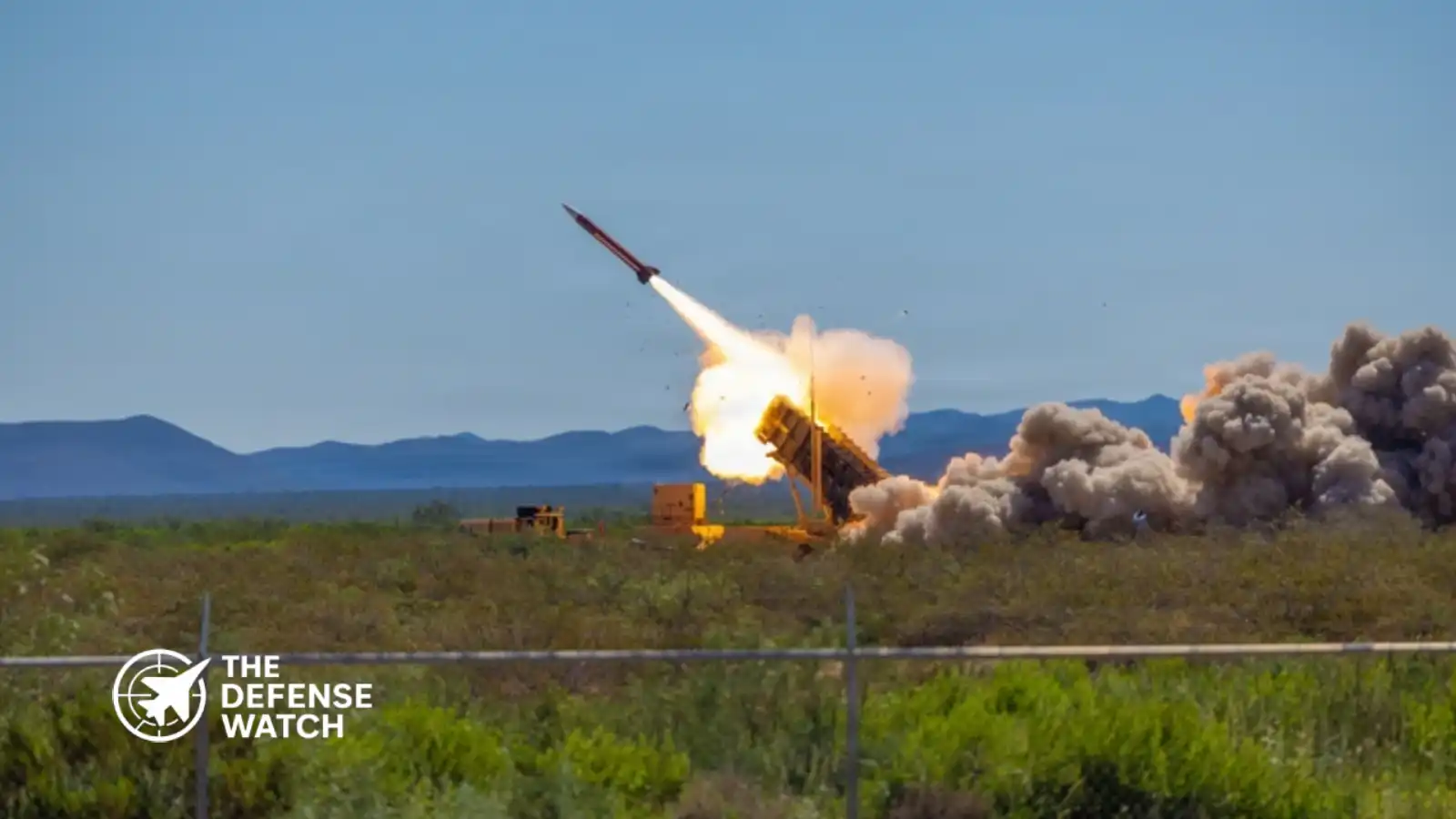
Norway has announced a new military assistance package worth approximately $302 million aimed at strengthening Ukraine air defense capabilities, including support linked to the Patriot Missile System.
The funding will be delivered through the PURL initiative, a multinational framework designed to accelerate the procurement and sustainment of advanced air defense systems for Ukraine as the conflict with Russia continues.
Norwegian officials stated that the package is intended to help Ukraine defend civilian infrastructure, energy facilities, and urban centers from ongoing Russian missile and drone strikes. The announcement reflects a broader European and NATO-backed effort to maintain Ukraine’s layered air defense network amid increasing pressure on interceptor stockpiles.
The Patriot system remains one of the most capable Western air defense platforms supplied to Ukraine since the war began. Designed to intercept ballistic missiles, cruise missiles, and aircraft, the system has become central to Kyiv’s defense against high intensity aerial attacks.
Patriot Missile Systems Remain Critical To Ukraine’s Defense
The Patriot missile package funded by Norway highlights the growing importance of advanced integrated air defense systems in the current operational environment. Since their deployment in Ukraine, Patriot batteries have reportedly been used to counter some of Russia’s most sophisticated missile threats, including ballistic missile attacks against major cities.
Developed by RTX, formerly known as Raytheon Technologies, the Patriot system combines long range radar, command and control assets, and interceptor missiles capable of engaging multiple targets simultaneously.
Military analysts widely regard the Patriot as one of the few operational systems capable of reliably defending against advanced ballistic missile threats. Ukraine has repeatedly requested additional Patriot launchers and interceptor missiles as Russian long range strike campaigns continue.
Norway’s contribution is also strategically significant because sustaining Patriot operations requires more than launcher deliveries alone. Interceptor production, spare parts, radar maintenance, crew training, and logistical support all play critical roles in maintaining operational readiness over time.
The PURL initiative appears designed to address these sustainment challenges by pooling allied financial and industrial resources rather than relying solely on direct equipment transfers from national inventories.
European Allies Expand Long-Term Air Defense Support
The Norwegian announcement comes amid broader allied discussions over long term support for Ukraine’s air defense architecture. European governments and NATO members have increasingly shifted from short term emergency aid toward structured procurement and industrial cooperation models.
This transition reflects growing concern over production capacity limitations across the Western defense industrial base. Patriot interceptors and other advanced air defense munitions remain in high demand globally, particularly as NATO states simultaneously replenish their own stockpiles.
The latest Norwegian funding package also underscores how smaller NATO members continue to play influential roles in sustaining Ukraine’s defense capabilities. While the United States remains the primary supplier of Patriot systems and munitions, European financial contributions have become increasingly important in enabling continued deliveries.
Norway has consistently expanded its military assistance to Ukraine since the start of the conflict, including support for air defense systems, artillery ammunition, and maritime security initiatives.
Russian Missile And Drone Attacks Continue
Ukraine’s need for additional air defense support remains urgent as Russian forces continue conducting combined missile and drone attacks across the country. Ukrainian officials have repeatedly warned that interceptor shortages could leave critical infrastructure increasingly vulnerable.
Recent attack patterns have demonstrated Russia’s continued use of saturation tactics involving cruise missiles, ballistic missiles, and long range one way attack drones launched simultaneously to overwhelm defensive networks.
The sustained pace of attacks has intensified pressure on Western allies to accelerate both production and delivery timelines for air defense interceptors and associated systems.
Norway’s latest funding decision therefore carries operational importance beyond its monetary value. By helping finance Patriot related support under the PURL framework, Oslo contributes to maintaining one of Ukraine’s most strategically important defensive capabilities during a prolonged phase of the war.
Strategic Implications For NATO And European Defense
The Patriot missile funding package also reflects broader lessons emerging from the conflict regarding modern air and missile defense requirements. NATO members are increasingly reassessing their own air defense inventories, procurement plans, and industrial production capacities in response to the war.
For European defense planners, Ukraine has become a real world case study in the importance of layered missile defense systems capable of countering high volume precision strike campaigns.
The continued multinational financing of Patriot support may also serve as a model for future cooperative defense procurement initiatives among allied nations facing growing regional security pressures.
As the conflict enters another prolonged phase, sustained financing mechanisms such as PURL could become increasingly important in ensuring Ukraine maintains operational access to advanced Western defensive systems.
Norwegian F-35 Scramble Responds To Russian Arctic Surveillance Activity
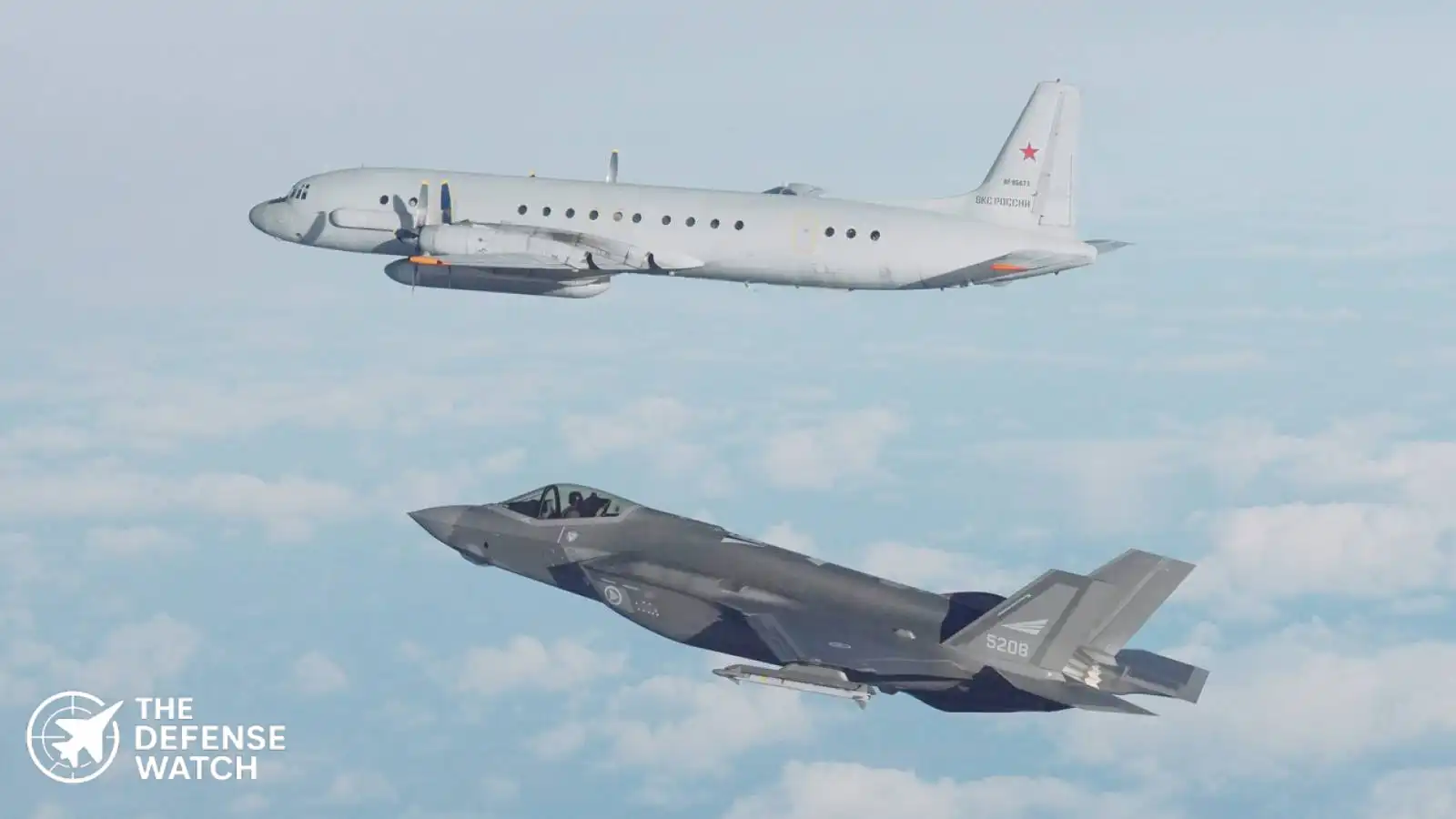
Norwegian F-35 jets were scrambled after Russian maritime patrol aircraft were detected operating near NATO areas of interest in the High North, according to reporting by Army Recognition citing Norwegian defense information. The intercept involved Russian Il-38 and Tu-142 aircraft, both long-range surveillance platforms used to monitor naval activity and submarine movements.
- Norway scrambled F-35 fighter jets to identify Russian aircraft near its airspace.
- Russian aircraft involved were reported as Il-38 and Tu-142 maritime patrol platforms.
- Activity occurred amid heightened NATO naval presence in the High North.
- Norway operates F-35A fighters as its primary quick reaction alert interceptor fleet.
- Incident highlights growing competition over Arctic sea lanes and military access.
The incident reflects a familiar but increasingly important pattern, Russia using long-range patrol aircraft to gather intelligence while NATO strengthens Arctic readiness.
The Big Picture
The High North has become one of NATO’s most strategically sensitive regions. Melting sea ice, growing maritime traffic, undersea cable vulnerability, and expanding military activity have pushed Arctic security higher on alliance planning agendas.
Norway occupies a front-line position in that environment. It borders Russia, controls access routes into the North Atlantic, and hosts key air and maritime infrastructure used by NATO forces. Any increase in Russian reconnaissance flights near Norwegian territory draws close attention because it may indicate wider monitoring of allied naval deployments.
Norwegian F-35 aircraft are central to that mission. Their sensors, range, and networked data-sharing abilities give Oslo stronger situational awareness across vast northern operating areas.
What’s Happening
Norwegian authorities launched a quick reaction alert mission after detecting Russian Il-38 and Tu-142 patrol aircraft approaching areas monitored by Norway’s air defense network.
The Il-38 is a maritime patrol and anti-submarine warfare aircraft derived from the Il-18 airliner. Russia uses it for surface surveillance, submarine hunting, and long-duration patrols.
The Tu-142 is a larger, longer-range platform developed from the Tu-95 bomber family. It is designed for anti-submarine warfare and ocean reconnaissance, making it especially relevant during periods of naval movement.
Norwegian F-35 fighters intercepted and visually identified the aircraft, a standard NATO air policing procedure intended to maintain awareness and sovereignty without escalation.
Why It Matters
Russian patrol flights often seek more than symbolic presence. They can collect electronic emissions, track fleet movements, map air defense responses, and observe alliance operating patterns.
That matters in the High North because NATO increasingly relies on northern sea lanes and Arctic staging areas. Allied submarines, carrier groups, maritime patrol aircraft, and reinforcement shipping routes all depend on secure access to the North Atlantic.
A Norwegian F-35 scramble therefore serves two purposes. It protects sovereign airspace, and it signals that NATO can rapidly detect and respond to intelligence-gathering activity.
Strategic Implications
Norway’s transition from F-16s to F-35As has significantly upgraded its deterrence posture. The aircraft combines stealth, advanced radar, passive sensors, and secure data links that are valuable in contested northern environments.
For NATO, Norway’s fleet acts as a forward sensing node. Information gathered by Norwegian F-35s can support wider alliance maritime and air operations.
Russia is also likely testing response times and operational patterns. Repeated patrols can reveal how quickly fighters launch, where they intercept, and which assets are active in theater. That makes routine intercept missions strategically relevant even when no violation of sovereign airspace occurs.
Competitor View
Moscow traditionally views NATO naval concentration in northern waters as a direct challenge to the security of the Kola Peninsula, home to major Russian naval and strategic submarine forces.
From that perspective, maritime patrol flights by Il-38 and Tu-142 aircraft help Russia monitor allied operations near critical bastions used by its Northern Fleet. NATO, however, views these patrols as intelligence collection activity requiring constant monitoring.
This dynamic helps explain why intercepts have become more frequent and more visible.
What To Watch Next
NATO will likely continue expanding Arctic exercises, maritime patrol rotations, and integrated air defense drills. Norway is expected to deepen F-35 integration with allied assets such as P-8 maritime patrol aircraft, naval task groups, and ground-based sensors.
Observers should also watch for:
- More Russian bomber and patrol flights in northern corridors
- Expanded NATO submarine and surface operations
- New Arctic basing investments
- Greater focus on undersea infrastructure security
Capability Gap
The Norwegian F-35 scramble addresses a longstanding Arctic challenge, covering vast distances with limited warning time.
Older aircraft could intercept effectively, but modern operations require more than speed. Commanders need fused sensor data, electronic awareness, and secure networking across sea, air, and land forces. The F-35 helps close that gap.
Limitations remain. Arctic weather, sparse infrastructure, and long logistics lines still complicate sustained operations for any military force.
The Bottom Line
Norway’s F-35 response shows that even routine interceptions in the Arctic now carry growing strategic weight for NATO and Russia.
UK Expands Arctic Military Footprint With Norwegian Deployment
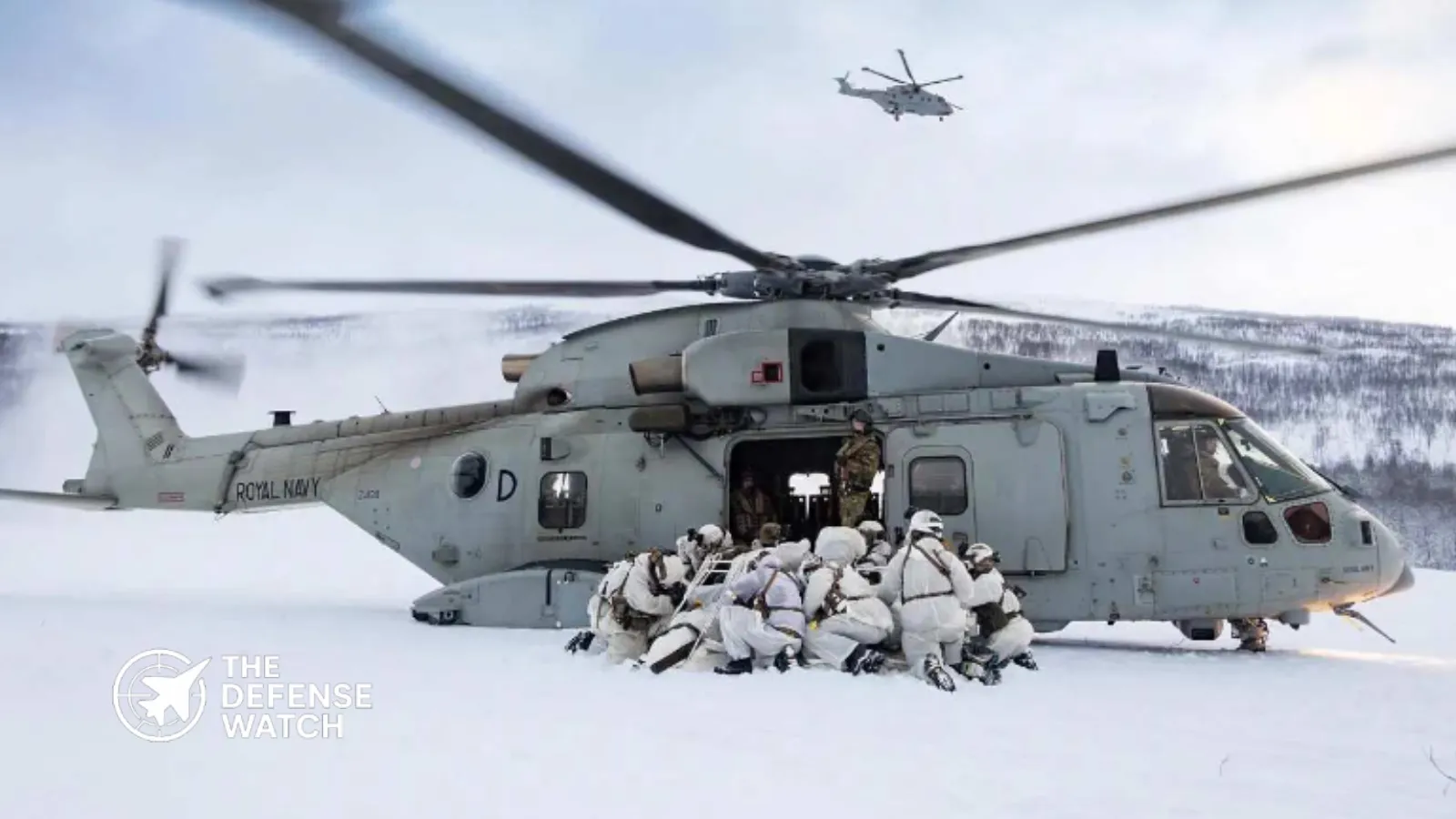
Britain has unveiled plans to double its military presence in Norway from 1,000 to 2,000 troops over the next three years, marking a significant expansion of UK defense commitments in the strategically vital Arctic region.
Defence Secretary John Healey is set to announce the deployment increase during a visit to Royal Marine Commandos stationed at Camp Viking in the Norwegian Arctic on Wednesday, according to an official UK government statement. The move comes as NATO finalizes preparations for its Arctic Sentry mission, designed to enhance alliance surveillance and deterrence capabilities across the High North.
Strategic Response To Russian Arctic Activity
The deployment expansion represents Britain’s direct response to escalating Russian military activity in the Arctic, where Moscow has steadily increased its military infrastructure and operational tempo over recent years. The Arctic has emerged as a critical geopolitical flashpoint as melting ice opens new shipping routes and access to natural resources, while simultaneously providing strategic advantages for military positioning.
The UK Ministry of Defence confirmed that the additional 1,000 troops will primarily consist of Royal Marine Commandos, who specialize in cold-weather and Arctic warfare operations. These elite units have maintained a rotational presence in Norway for decades, but the doubling of force levels signals London’s assessment that the security situation in the High North requires enhanced allied presence.
NATO Arctic Sentry Mission Framework
The UK troop increase aligns with NATO’s broader Arctic Sentry initiative, which aims to strengthen the alliance’s northern flank through improved intelligence gathering, surveillance capabilities, and rapid response forces. Arctic Sentry represents NATO’s most comprehensive effort to date to address security challenges in the region, incorporating assets from multiple member nations.
Norway, which shares a 196-kilometer land border with Russia in the Arctic, serves as a critical ally for NATO’s northern defense posture. The country has consistently advocated for stronger allied presence in the region, particularly following Russia’s 2022 invasion of Ukraine, which fundamentally altered European security calculations.
British Defense Commitment Details
According to the UK government statement, the phased deployment will occur over three years, allowing for infrastructure development and logistical preparation at Norwegian bases. Camp Viking, located in Troms county in northern Norway, serves as the primary training facility for multinational forces operating in Arctic conditions.
The Royal Marines bring specialized capabilities to Arctic operations, including mountain warfare expertise, cold-weather survival skills, and experience operating in extreme environments. Their deployment to Norway includes regular training exercises with Norwegian armed forces and participation in NATO’s Cold Response exercises, which occur biennially.
Defence Secretary Healey emphasized that the deployment reinforces Britain’s commitment to NATO collective defense while demonstrating solidarity with European allies facing Russian pressure. The announcement follows recent UK defense policy reviews that identified the Arctic as an area requiring increased attention and resources.
Geopolitical Context And Regional Security
Russia’s Northern Fleet, headquartered on the Kola Peninsula near Norway’s border, represents one of Moscow’s most strategically important military assets. The region houses nuclear-powered ballistic missile submarines, which form a critical component of Russia’s nuclear deterrent. Russian military modernization efforts have focused heavily on Arctic capabilities, including new icebreakers, airfields, and radar installations.
NATO members with Arctic territories—including the United States, Canada, Denmark (via Greenland), Iceland, and Norway—have expressed growing concern about Russian military buildup in the region. The alliance has responded with increased exercises, intelligence cooperation, and infrastructure investments designed to ensure freedom of navigation and territorial integrity.
The UK deployment joins existing American and other allied forces regularly training in Norway. The U.S. Marine Corps maintains a rotational presence of approximately 700 personnel in Norway, focused on pre-positioning equipment and conducting cold-weather training.
Operational Implications
Military analysts note that the doubled British presence enhances NATO’s ability to conduct sustained operations in Arctic conditions while providing a credible deterrent against potential Russian aggression. The deployment also improves interoperability between British and Norwegian forces, a key objective for alliance readiness.
The Royal Marines’ Arctic warfare expertise makes them particularly valuable for High North operations, where extreme cold, limited daylight during winter months, and challenging terrain require specialized training and equipment. Their presence enables more frequent and complex exercises that test NATO’s ability to operate in contested Arctic environments.
Britain’s commitment also sends a political signal about transatlantic defense cooperation at a time when European nations are reassessing their security requirements. The deployment demonstrates that the UK remains committed to European security despite Brexit and reflects London’s strategy of strengthening bilateral defense relationships with key allies.
Infrastructure And Support Requirements
The troop increase will necessitate expanded facilities and logistics support in Norway. The UK Ministry of Defence indicated that infrastructure investments will accompany the personnel deployment, though specific details about facility upgrades and equipment pre-positioning were not disclosed in the initial announcement.
Norway has invested significantly in military infrastructure in its northern regions, including enhanced radar systems, upgraded air bases, and improved port facilities capable of supporting allied operations. These investments facilitate the integration of partner nation forces and enable rapid reinforcement during crises.
International Response And Future Outlook
The announcement has been welcomed by Norwegian defense officials, who view increased allied presence as essential for maintaining regional stability. Norway’s Defence Minister has previously stated that permanent allied presence serves as a key deterrent factor in the High North.
Other NATO allies are expected to support the British deployment as part of coordinated alliance efforts to strengthen northern defenses. The Arctic Sentry mission framework provides a multilateral structure for coordinating various national contributions to regional security.
As climate change continues to open Arctic waters and increase accessibility to the region, military strategists anticipate that competition for resources and influence will intensify. The UK’s decision to double its Norwegian deployment reflects long-term strategic planning for a region that will likely become increasingly contested in coming decades.
The phased implementation over three years allows for adjustments based on evolving security conditions while demonstrating sustained British commitment to Arctic defense regardless of short-term political changes. Defence Secretary Healey’s visit to Camp Viking will provide additional details about operational timelines and specific force composition.
Norway Could Join Royal Navy Type 26 Frigate Build
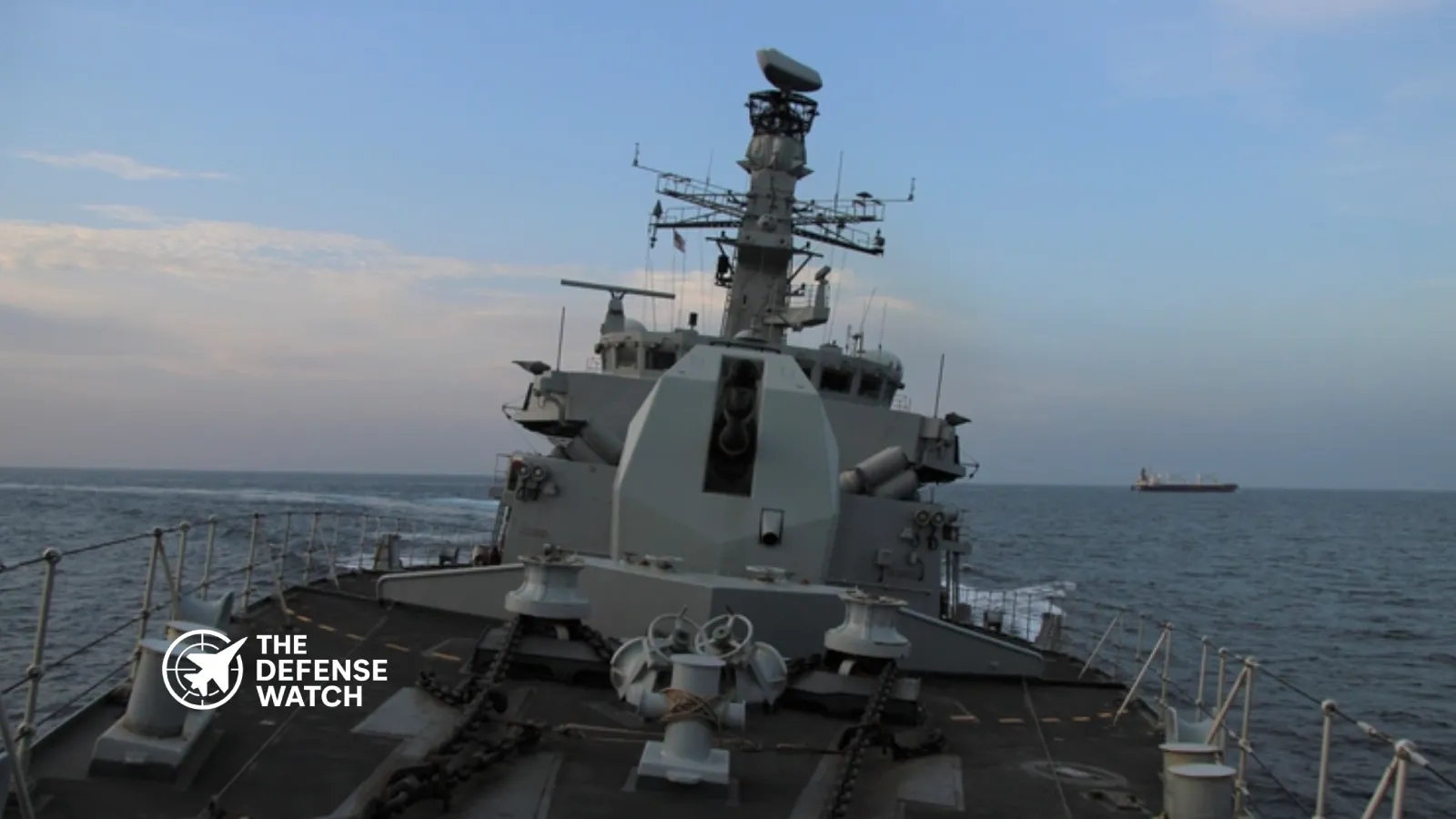
Norway is assessing whether it can take delivery of one or more Type 26 frigates already in build for the United Kingdom, the UK Ministry of Defence confirmed in a written answer this week.
The Type 26, or City-class, is the Royal Navy’s next-generation anti-submarine warfare frigate. The UK plans to build eight vessels to replace its ageing Type 23 frigates through the late 2020s and early 2030s.
Norway has previously selected the Type 26 design as the basis of its future frigate force to replace the Fridtjof Nansen-class, in a deal announced in August 2025. That agreement calls for a minimum of five frigates and represents one of Oslo’s largest defence investments.
UK Confirms Build Slot Talks
In the written parliamentary response, the MoD said it was assessing whether Norway could take “in-build” Royal Navy hulls. The programme remains on schedule to deliver the planned Royal Navy fleet, the ministry said.
Officials noted that all ships are expected to enter service from the late 2020s with the advantage of operating alongside up to six identical Royal Norwegian Navy vessels.
Strategic and Operational Context
Norway’s move to align its frigate procurement with the UK has broader strategic aims. Common platforms enhance interoperability for NATO operations in the North Atlantic and High North, where Russian submarine activity is a key focus.
In December 2025, London and Oslo agreed a wider naval cooperation framework that includes shared training, capability development, and future systems integration under the Lunna House Agreement.
Industrial Partnership and Timelines
The integration of Norwegian ships into the UK production line could shorten Norway’s delivery timeline, which aims for an initial frigate by the late 2020s. Discussions are underway about how UK and Norwegian industrial partners will participate in the extended supply chain.
BAE Systems, the prime contractor for the Type 26 programme, has previously signed memoranda with Norwegian yards to support future cooperation.
NATO Implications
A combined fleet of UK and Norwegian Type 26 frigates strengthens NATO’s anti-submarine posture on its northern flank. Identical designs simplify logistics, maintenance, and joint operations, key advantages in contested maritime environments.
Norway’s order also underscores allied efforts to modernize warship fleets across Europe, with similar programmes under way in Canada and Australia.
The Norwegian Ministry of Defense has put forward a draft proposal to expand the authority of its military police to the remote Arctic island of Jan Mayen, officials confirmed in December 2025. The move seeks to strengthen legal and security measures in a region seeing heightened attention from Norway and its allies amidst evolving strategic pressures.
Background
Jan Mayen, an uninhabited volcanic island in the Arctic Ocean, lies roughly 500 kilometers east of Greenland and falls under Norwegian sovereignty. The island is the site of a small rotating contingent of Norwegian defense personnel and functions as both a meteorological station and military outpost. It also hosts Jan Mayensfield, a modest airstrip used for occasional flights and logistical support.
In recent years, Arctic security has attracted greater focus from Norway and other states as changes in climate, accessibility, and global strategic competition draw attention to the High North. Norway’s Arctic defense efforts have included broader troop deployments, infrastructure investments, and policy actions intended to reinforce sovereignty and deter potential threats.
Details of the Proposal
Under the current plan, the Norwegian government aims to extend the existing Military Police Act to cover Jan Mayen. The proposal, now open for public and stakeholder consultation, would allow the establishment and enforcement of a designated “military area” on the island. ArcticToday
If adopted, the change would give the station commander on Jan Mayen formal military police authority. This includes the power to maintain security, discipline, and order, as well as to prevent or intervene in breaches of law under the Military Police Act. The station commander already holds military responsibilities on the island, but lacks the expanded policing authority envisioned in the new regulations.
According to the ministry’s draft document, the adjustment is justified by what Norwegian officials describe as a more uncertain security environment in the Arctic and the potential for increased activity by Norwegian and allied forces in the future.
Strategic Context
The High North has become a priority for Norway’s defense planning amid broader shifts in Arctic geopolitics. As ice coverage changes and access improves, previously isolated areas like Jan Mayen and the Svalbard archipelago have taken on increased strategic relevance for NATO members and other regional actors.
Norway’s proposed expansion of military police authority on Jan Mayen follows other Arctic defense initiatives. Earlier in 2025, Oslo unveiled an updated northern strategy that aligns defense, economic, and community priorities in the region.
The move also comes against a backdrop of heightened tensions with Russia over military activities in the Arctic. In March 2025, Moscow accused Norway of militarizing the Svalbard archipelago, a claim Norway denied, underlining the delicate balance Norway seeks to maintain in fulfilling alliance commitments while managing diplomatic sensitivities in the region.
Legal and Sovereignty Dimensions
Applying the Military Police Act to Jan Mayen would formalize the legal basis for military and security operations, offering clearer rules for conduct and enforcement in a strategic location. Such legal instruments are part of Norway’s broader effort to protect its sovereignty and manage its territorial responsibilities in the face of evolving regional dynamics.
While Jan Mayen remains uninhabited aside from rotating service members, its facilities and geographic position give it potential value for surveillance, logistics, and support of military or scientific missions. The proposed change would help ensure that any increase in activity is accompanied by clear security rules and authority structures.
What’s Next
The draft proposal is open for comment from stakeholders and the public, with submissions accepted through early 2026. Following the consultation period, the ministry will review feedback and determine whether to proceed with final legislation.
If adopted, the extension of military police authority would mark another step in Norway’s broader efforts to adapt its defense posture in the Arctic. Ongoing developments will likely include continued infrastructure upgrades, international cooperation on surveillance and response capabilities, and policy updates aligned with NATO objectives in the region.