South Korea to Transfer Jang Bogo-Class Submarine to Poland by Late 2025
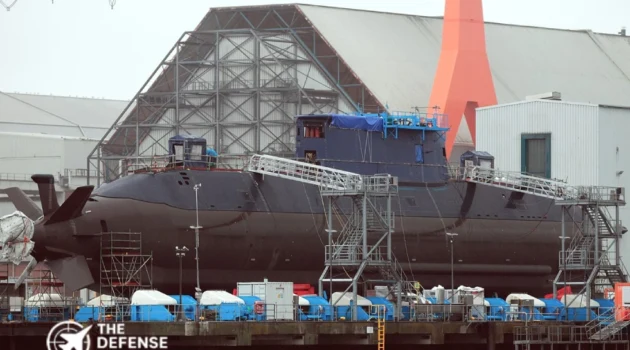
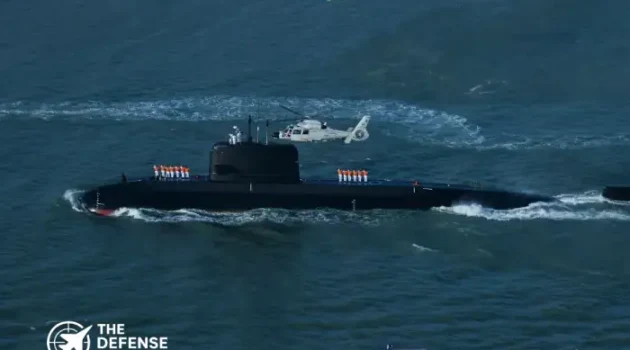
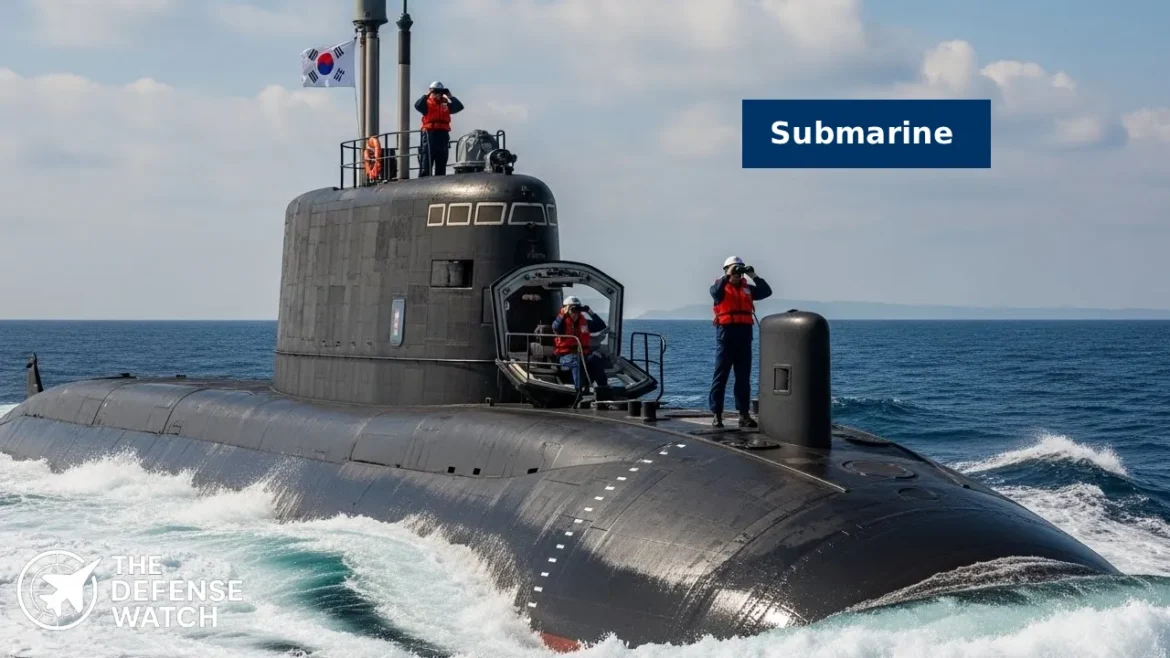
South Korea is preparing to transfer a Jang Bogo-class submarine to Poland by the end of 2025, according to emerging defense reports highlighting the expanding security cooperation between Seoul and Warsaw. The move represents a notable step in Poland’s naval modernization efforts and reinforces South Korea’s growing role as a supplier of defense platforms within Europe.
Background on the Transfer Plan
The initiative follows ongoing discussions between both governments linked to Poland’s broader acquisition of South Korean defense systems. In recent years, Warsaw has purchased a range of K-defense platforms, including K2 main battle tanks, K9 self-propelled howitzers, and FA-50 light combat aircraft. The submarine transfer aligns with this expanding portfolio, signaling diversification beyond land and air systems.
The Jang Bogo-class submarine, derived from the German Type 209/1200 design, has been a core component of the Republic of Korea Navy fleet since the 1990s. While South Korea advances to more modern platforms such as the Dosan Ahn Chang-ho–class submarines, the transfer will enable Poland to enhance its undersea operational capacity at minimal acquisition cost.

Details of the Arrangement
According to the available reporting, the submarine will be provided as a free transfer rather than a sales contract. This approach may facilitate Poland’s ability to reconstitute its submarine force after the decommissioning of legacy vessels, including the aging Kobben-class platforms. The delivery timeline places the handover before the close of 2025, pending refurbishment and readiness assessments.
The transfer is expected to be accompanied by technical support, training provisions, and logistical assistance, enabling Poland to integrate the vessel into its naval structure. The development occurs as Poland reassesses maritime security requirements in the Baltic Sea, where undersea surveillance, deterrence posture, and fleet renewal have become increasing priorities.
Strategic and Policy Implications
Defense analysts note that the arrangement reinforces South Korea’s emergence as an influential defense partner in Europe. Warsaw’s expanding procurement links with Seoul have been driven by rapid delivery schedules, scalable production capability, and the need to respond to evolving regional security dynamics.
For Poland, the submarine transfer may serve as an interim measure while pursuing longer-term acquisition strategies. The nation has explored multiple avenues for future submarine procurement, including potential participation in European collaborative programs or bilateral sourcing options.
The development also highlights shifting naval capability patterns among NATO members bordering the Baltic Sea. Enhanced undersea assets contribute to surveillance coverage, anti-access operations, and resilience against hybrid maritime activity.
What Comes Next
Further details regarding crew training cycles, modernization work, and operational deployment timelines are expected in the coming months. Once integrated, the Jang Bogo-class submarine would provide Poland with renewed undersea capability while informing its long-term fleet planning priorities.
The transfer underscores a continuing trend of strengthened defense ties between South Korea and European partners, with naval cooperation now joining land and air domain collaboration already in progress.

South Korea Close to Securing Deal for Two More “Miguel Malvar” Frigates
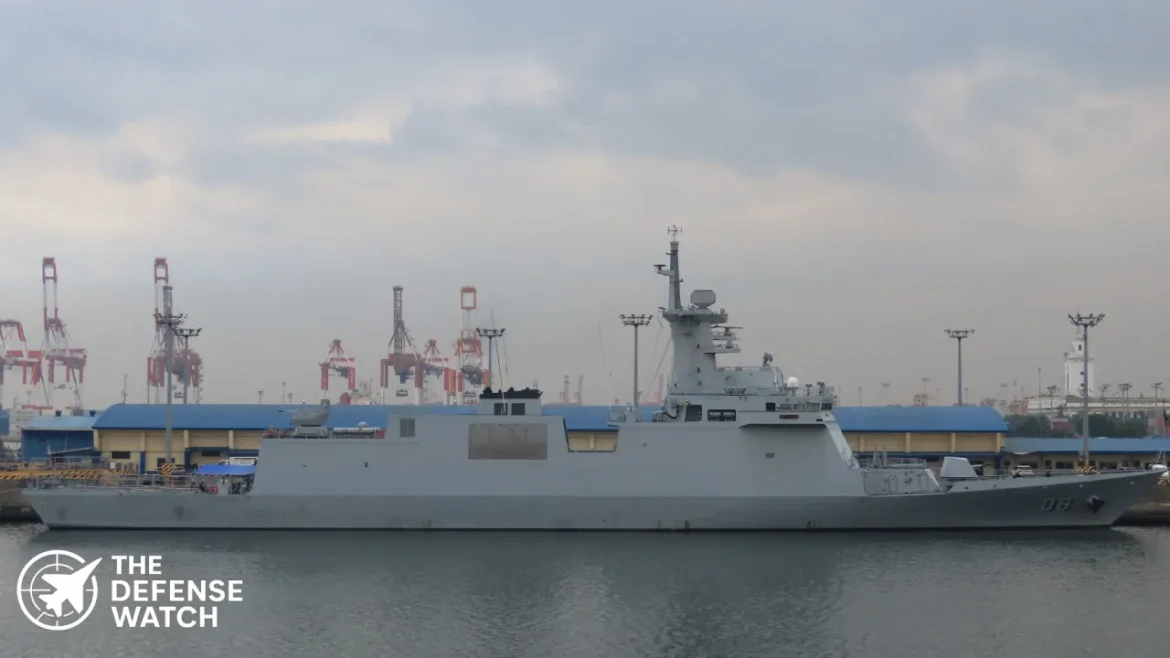
Manila / Seoul, 24 November 2025 — South Korea’s Hyundai Heavy Industries (HHI) is reportedly in final-stage talks to deliver two additional Miguel Malvar-class guided-missile frigates to the Philippine Navy, according to a financial analysis from SK Securities cited via Para Bellum X.
Sources familiar with the negotiations say both Seoul and Manila aim to seal the deal by December 2025, aligning with the Philippines’ broader naval modernization under its Revised AFP Modernization Program.
Background: Modernizing the Philippine Fleet
The original contract for the Miguel Malvar-class frigates dates back to December 2021, when the Philippine Department of National Defense awarded HHI a government-to-government deal for two vessels.
These ships are based on HHI’s HDF-3200 (HDC-3100) design, an enlarged evolution of the earlier HDF-2600 platform used for the Jose Rizal-class.
The first of the class, BRP Miguel Malvar (FFG-06), was delivered in April 2025, ahead of schedule, and was officially received by the Philippine Navy in Subic, Zambales.
The second ship, BRP Diego Silang (FFG-07), was launched on 27 March 2025 at HHI’s Ulsan shipyard, and is scheduled for final outfitting, trials, and commissioning.
In September 2025, Diego Silang arrived in Philippine waters, meeting with BRP Jose Rizal about 14 nautical miles northwest of Botolan, Zambales, and is expected to enter operational service soon.What’s New: The Follow-On Contract
According to SK Securities, the prospective new contract would build on the existing Miguel Malvar-class design, maintaining system commonality with the first two ships.
However, Manila is reportedly pushing for enhanced capabilities. Sources suggest the Philippine Navy is requesting upgraded electronic-warfare suites, improved sonar systems, and a more advanced command and control architecture.
In response, HHI has proposed a more advanced combat management system and modular internal spaces following a “fitted-for-but-not-with” philosophy, allowing for future upgrades.Financial analysts estimate that each new frigate could cost between USD 550 million and USD 600 million, according to SK Securities’ assessment.
Technical Profile: The Miguel Malvar-Class
- Displacement & Size: Approximately 3,200 tonnes; 118.4 m length, 14.9 m beam.
- Propulsion: Combined Diesel and Diesel (CODAD) system; max speed ~25 knots, cruising at 15 knots, with a range of 4,500 nautical miles.
- Endurance: Up to 20 days at sea.
- Aviation Facilities: Flight deck and hangar for a 10–12 ton helicopter.
- Armament:
- 76 mm main naval gun
- 16-cell Vertical Launch System (VLS) for surface-to-air missiles
- Quad launchers for anti-ship missiles (C-STAR)
- Two triple torpedo launchers (e.g., Blue Shark)
- Close-in Weapon System (CIWS) for point defense.
- Sensors & Systems:
- 3D AESA radar (e.g., IAI EL/M-2258 ALPHA)
- Hull-mounted sonar
- Safran PASEO XLR electro-optical system, modern combat management system
Strategic and Policy Implications
Strengthening Philippine Maritime Capability
The addition of two more Miguel Malvar-class frigates would significantly boost the Philippine Navy’s surface combatant fleet, underscoring Manila’s drive to modernize its naval forces under the Revised AFP Modernization Program.
These ships, with multi-mission capabilities (anti-surface, anti-air, anti-submarine), would expand the Philippines’ ability to operate in contested maritime zones, especially in the South China Sea, where security challenges persist.Bilateral Security and Industrial Ties
A new contract would further cement defense-industrial cooperation between the Philippines and South Korea; HHI has emerged as a key, strategic supplier for Manila.
The deal signals trust in Seoul’s shipbuilding capacity and in HHI’s technical design, especially given the Philippines’ earlier procurements: two Jose Rizal-class frigates, followed by the first two Miguel Malvar-class.Future Growth and Training
If the follow-on contract is formalized by December, keel-laying of the third ship could potentially begin in Q2 2026, with a targeted commissioning by late 2028, according to sources close to the discussions.
Preparation for the future vessels would likely include training of Philippine naval crews in South Korea on simulators and combat systems, possibly starting by mid-2027.What Comes Next
- A formal contract signing by late December 2025 is being eyed by both countries.
- Once signed, shipbuilding will probably be carried out at HHI’s Ulsan yard, with possible involvement of Korean, European, and U.S.-sourced systems.
- The two follow-on frigates would raise the total number of Miguel Malvar-class ships in Philippine service to four, significantly enhancing the Navy’s surface fleet.
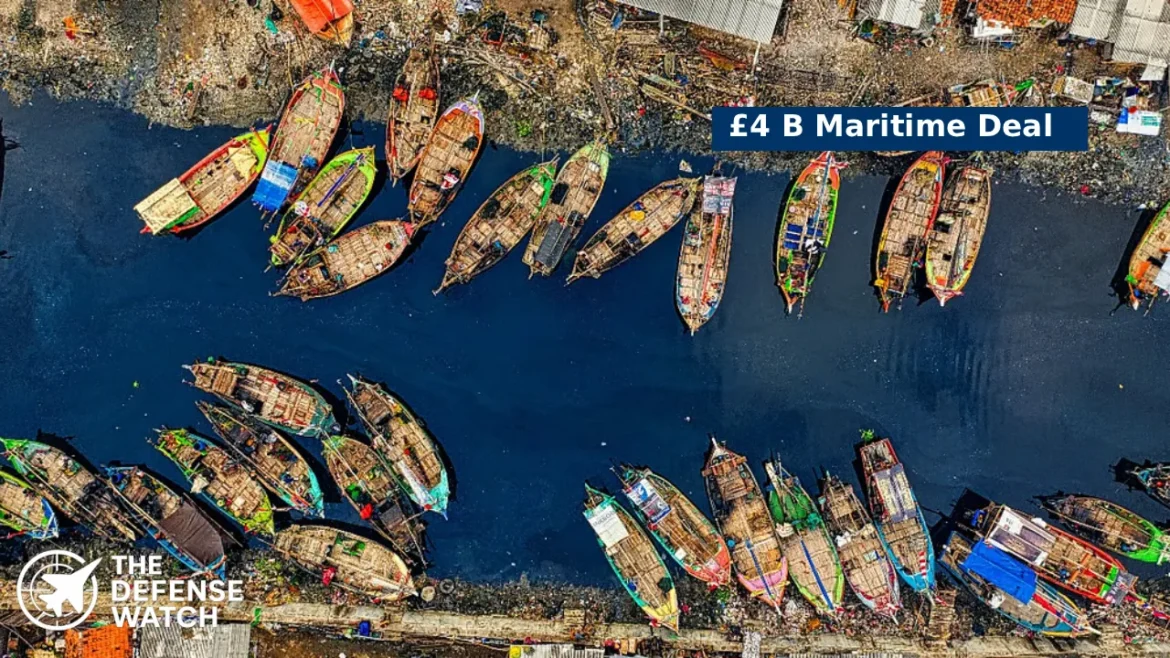
The United Kingdom and Indonesia announced a landmark £4 billion (roughly US$5.24 billion) maritime agreement. The deal, led by British defense firm Babcock, will see vessels built in Indonesia using UK shipbuilding expertise, while also supporting 1,000 jobs back in the UK.
Background: Why This Matters
This agreement builds on a new strategic partnership between the UK and Indonesia, formalized in November 2024. GOV.UK Under that framework, both countries committed to deepen cooperation across defence, maritime security, and sustainable economic development.
For the UK, the deal aligns with efforts to expand its defense exports and industrial base in the Indo-Pacific. For Indonesia, it represents a significant step in strengthening its naval and maritime capabilities — both for security and civilian (fishing) sectors.
Key Details of the Deal
Scope and Structure
- Lead contractor: Babcock International.
- Vessel production: To be carried out in Indonesia, leveraging local shipyards.
- Types of vessels: A mix of naval ships and more than 1,000 fishing vessels, under a joint Maritime Partnership Program (MPP).
- Jobs:
- ~1,000 UK jobs secured — with roles at Babcock’s Rosyth, Bristol, and Devonport sites.
- In Indonesia, construction is expected to catalyze domestic shipbuilding and coastal community development.
Strategic Motivation
- The UK frames the deal as part of its Indo-Pacific security commitment, emphasizing a rules-based maritime order and freedom of navigation.
- Indonesia aims to boost food security by expanding its fishing fleet, while modernizing its coastal and naval infrastructure.
- There is a strong technology-transfer component: the partnership includes joint R&D, and knowledge sharing in automation, AI, and digital ship design.
Sustainability and Environment
- Supported by the UK’s Blue Planet Fund, the program emphasizes environmental sustainability.
- Future vessels will be deployed in a socially and ecologically conscious manner — including dynamic fish-stock assessment, marine conservation, and coastal resilience efforts.
Expert & Policy Perspectives
- From the UK’s viewpoint, Prime Minister Keir Starmer said the deal “reinforces our joint commitment to global stability and bolsters our shared national security.”
- Babcock CEO David Lockwood underscored the economic and industrial benefits: the program “will advance critical Indonesian naval and maritime programs … while stimulating the supply chain and SME opportunities” in the UK.
- Diplomatically, analysts see this as part of a broader Indo-Pacific tilt — not only advancing UK economic interests but also deepening strategic ties with a key ASEAN nation.
On Indonesia’s side, the deal supports President Prabowo Subianto’s priorities: modernizing the navy, enhancing maritime security, and strengthening food security via its fishing industry.
Broader Context
This maritime deal is one in a series of recent UK moves to expand its defense footprint in Southeast Asia.
- Earlier in 2025, the UK-Export Finance (UKEF) agency backed a €157.9 million contract to support Indonesia’s National Maritime Security System (NMSS) using a UK-developed AI-powered surveillance system.
- The HMS Spey, a Royal Navy offshore patrol vessel known for its green propulsion features, visited Jakarta earlier in the year — highlighting a mutual interest in sustainable defense tech.
- Indonesia itself is diversifying its naval procurement: earlier deals involve French Scorpène submarines, indicating that its modernization agenda is technologically and geopolitically broad.
Strategically, this deal also comes amid intensifying geopolitical competition in the Indo-Pacific, where major powers are vying for influence through security partnerships, infrastructure investments, and defense exports.
Implications & What to Watch
- Naval Capacity Building: The MPP could significantly expand Indonesia’s coastal and naval fleet, enhancing its maritime sovereignty in a region with complex security dynamics.
- Industrial Growth: For the UK, the deal secures hundreds of high-value jobs while maintaining shipbuilding relevance. For Indonesia, technology transfer and local build could help strengthen its shipbuilding sector long-term.
- Sustainable Security: The inclusion of environmental and social sustainability aligns with growing global demand for green defense — making this a potential model for future maritime partnerships.
- Geopolitical Strategy: This deepening UK-Indonesia military-industrial cooperation may factor into wider regional strategies involving the US, NATO, and other Indo-Pacific partners.
- Follow-On Deals: Watch for future contracts, particularly in surveillance (building on the NMSS), training, and possibly even more advanced warship construction or dual-use vessels.
Conclusion
The £4 billion UK-Indonesia maritime deal represents a multifaceted strategic win: bolstering Indonesia’s naval and fishing capacity, safeguarding UK jobs, and reinforcing a rules-based order in the Indo-Pacific. It signals a deepening defense-industrial partnership with long-term implications for regional security, economic growth, and technological collaboration. As both nations move into implementation, the broader geopolitical and industrial consequences will warrant close monitoring.
Older Posts