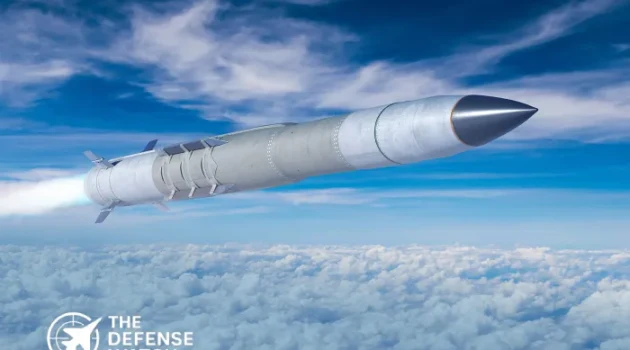
Iranian Assertion on Kowsar in Kuwait Strike
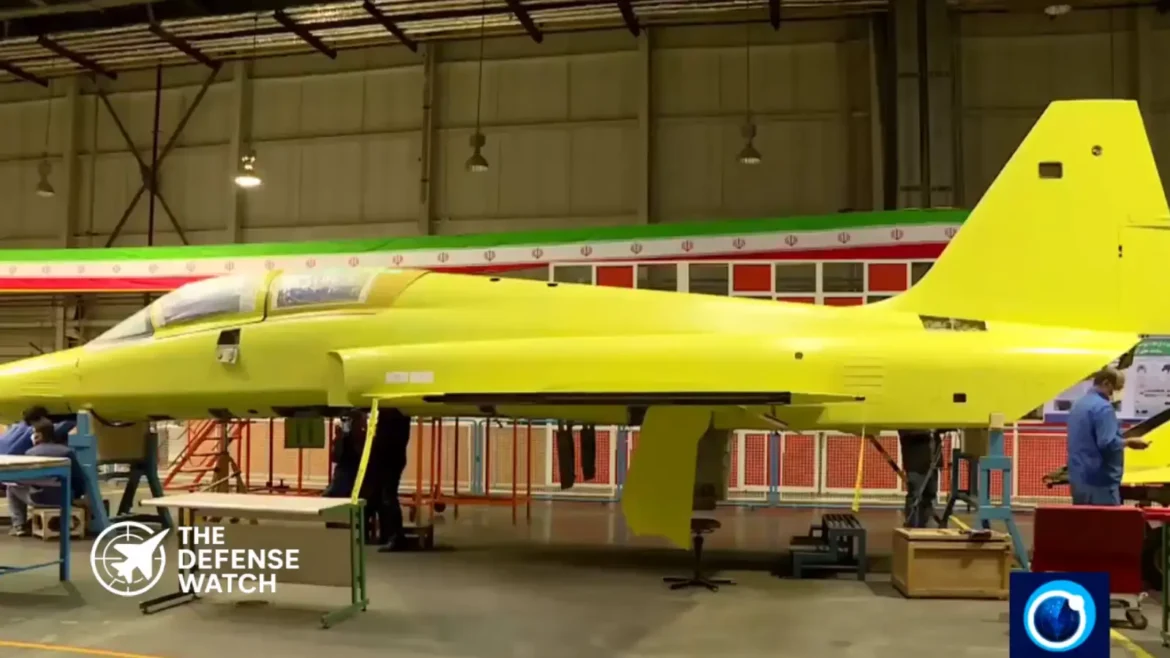
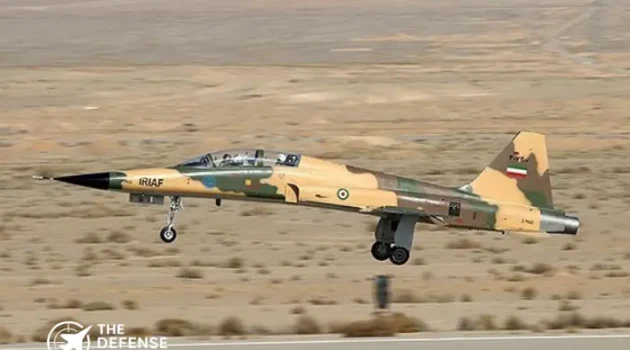
Iran has asserted that the aircraft involved in the reported bombing of Camp Buehring, a major U.S. military installation in Kuwait, was not a vintage F-5 Tiger II but a Kowsar fighter of its own production. According to Iranian statements, the operation demonstrated the capabilities of its indigenous aerospace industry and the skill of a trained pilot who executed a low-altitude strike despite layered air defenses.
- NBC News reported in April 2026 that an Iranian F-5-type fighter jet bombed Camp Buehring in Kuwait during the opening phase of the 2026 conflict.
- Iran claims the aircraft was not an old F-5 but a domestically produced Kowsar fighter, which it has been manufacturing in series since 2018.
- The Kowsar is a reverse-engineered and upgraded version of the pre-1979 Northrop F-5 Tiger II, featuring Iranian-developed avionics.
- The reported low-altitude strike used unguided munitions and reportedly penetrated U.S. air defenses around the base.
- The incident highlights Iran’s efforts to maintain and modernize its aging fighter fleet under long-term international sanctions.
U.S. reporting, primarily from an April 2026 NBC News investigation, described an Iranian F-5-type fighter conducting a rare manned aircraft attack on the base in the initial days of the 2026 hostilities between Iran, the United States, and Israel. The strike formed part of broader Iranian retaliation involving missiles and drones targeting U.S. facilities across seven countries. Details on damage, casualties, and exact tactics remain limited and rely on unnamed officials.
Background on the HESA Kowsar Program
The HESA Kowsar is Iran’s domestically developed single- and twin-seat fighter based on the Northrop F-5 airframe. Iran received F-5s prior to the 1979 Islamic Revolution and has since maintained and modified the fleet through reverse-engineering efforts, including variants such as the Azarakhsh and Saeqeh.
Iran inaugurated a Kowsar assembly line in November 2018, describing the aircraft as featuring “advanced avionics,” a multipurpose radar, and 100% indigenous manufacturing. State media portrayed it as a fourth-generation platform suited for short-range air support and precision targeting missions. Deliveries of small numbers—reportedly three additional aircraft in 2020—have been publicized, but independent assessments indicate production remains constrained by sanctions, component availability, and technical limitations.
Western analysts have consistently noted that the Kowsar retains the core aerodynamic design of the 1960s-era F-5 Tiger II while incorporating Iranian-upgraded cockpit systems and sensors. Its combat radius, payload, and survivability against modern threats are generally assessed as modest compared to contemporary Western or Russian fighters.
Context of the Reported Strike
According to available reporting, the incident at Camp Buehring occurred amid intense opening exchanges following U.S.-Israeli strikes on Iranian targets around late February 2026. Iran launched coordinated attacks using ballistic missiles, cruise missiles, drones, and—at least in this claimed instance—a manned fighter.
U.S. officials cited in media accounts indicated the aircraft approached at low altitude and released unguided (“dumb”) bombs, potentially exploiting temporary gaps or saturation in air defense coverage that included Patriot batteries and shorter-range systems. Such low-level tactics have historically been used to defeat or complicate radar-guided intercepts optimized for higher-altitude or faster threats.
If confirmed as a Kowsar or modified F-5 derivative, the mission would represent an operational validation of Iran’s ability to sustain and employ legacy airframes under sanctions. However, success in a single sortie does not equate to broader force-wide capability against integrated, contested airspace defended by fifth-generation fighters, airborne early warning, and electronic warfare assets.
Analysis: Technical and Operational Realities
From a defense technology perspective, the Kowsar reflects Iran’s long-standing strategy of self-reliance through reverse-engineering and incremental upgrades. Under decades of international sanctions, Tehran has invested in maintaining its pre-revolution F-5 inventory and developing parallel production lines. This approach prioritizes affordability, local maintenance, and numbers over cutting-edge performance.
Key limitations persist: the F-5/Kowsar family lacks modern stealth, advanced sensor fusion, or supercruise capability. Its radar cross-section and infrared signature remain relatively large by today’s standards. Effective employment in contested airspace would likely depend on careful mission planning, terrain masking, coordination with distracting missile and drone salvos, and pilot proficiency in low-level navigation and attack profiles.
The reported low-altitude ingress aligns with classic fighter-bomber tactics designed to minimize exposure time to medium- and long-range surface-to-air missiles. Saturation attacks—combining multiple threat types—can temporarily overwhelm command-and-control networks, creating brief windows for penetration. Whether this occurred at Camp Buehring remains subject to further verification beyond initial reporting.
Iran’s claim emphasizes “serial production since 2018” and attributes success to engineering and pilot heroism. Independent verification of fleet numbers and readiness is challenging due to limited transparency from Tehran. Publicly available imagery and statements suggest modest output rather than large-scale fielding.
Broader Implications for Regional Air Power
The episode underscores ongoing challenges in defending forward bases against diverse, low-technology threats in a high-threat environment. U.S. and allied air defenses in the Gulf are sophisticated but not infallible against massed, multi-axis attacks that include low-flying manned aircraft.
For the Islamic Republic of Iran Air Force (IRIAF), any successful strike bolsters domestic narratives of resilience. However, sustaining such operations against a peer adversary with air superiority would face severe attrition risks given Iran’s limited number of modernized fighters and tanker support.
The incident also occurs against a backdrop of deepening Iran-Russia military ties. A reported December 2025 agreement for Russian Verba MANPADS and associated missiles aims to replenish Iranian short-range air defenses after losses in prior fighting with Israel. This cooperation spans platforms from ground-based systems to potential aviation support.
U.S. Perspective and Force Protection Lessons
From a U.S. standpoint, the reported breach—however limited—highlights the need for persistent, multi-domain surveillance and rapid adaptation of air defense architectures. Layered systems must address not only ballistic and cruise missiles but also low-and-slow threats, including legacy fighters employing visual or basic inertial attack methods.
Pentagon assessments of base resilience, dispersal tactics, and electronic warfare integration will likely inform future posture in the CENTCOM area of responsibility. The dispersal of personnel prior to hostilities reportedly reduced casualties, though infrastructure damage assessments vary between public statements and later reporting.

Escalating Military Posture in Strategic Theater
The US Middle East air defenses are undergoing significant reinforcement as the Pentagon positions advanced missile defense systems across the region, according to multiple defense intelligence sources. This strategic deployment comes as American military planners prepare contingency options for potential strikes against Iranian targets in response to recent attacks on US forces and interests.
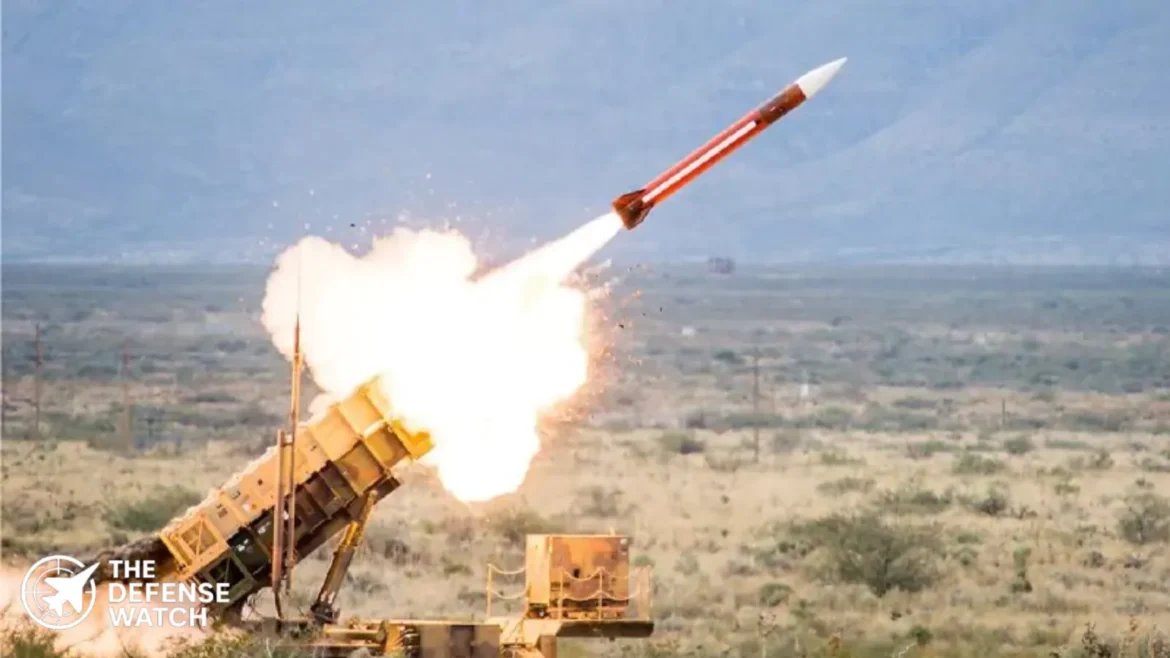
(adsbygoogle = window.adsbygoogle || []).push({});The Biden administration has authorized the repositioning of Patriot missile batteries, THAAD (Terminal High Altitude Area Defense) systems, and additional air defense assets to protect American personnel and regional allies. Defense officials, speaking on condition of anonymity, confirmed the enhanced defensive posture represents one of the most substantial US military buildups in the Middle East since 2020.
Strategic Deployment of Advanced Defense Systems
The Pentagon Iran strike preparations include a comprehensive layered defense architecture designed to counter potential retaliatory capabilities. According to sources familiar with the deployment, the United States has moved at least three Patriot missile battery systems to undisclosed locations in Iraq and the broader Persian Gulf region.
Additionally, a THAAD battery—capable of intercepting ballistic missiles at high altitudes—has been repositioned to enhance coverage of critical infrastructure and coalition bases. The US Central Command (CENTCOM) has not publicly disclosed specific locations for operational security reasons, but defense analysts indicate the systems are strategically placed to provide overlapping coverage zones.
This is a prudent defensive measure to protect our forces and facilities,” a senior defense official stated, emphasizing that the deployments are designed to deter aggression and defend against potential Iranian missile and drone attacks.
Context: Rising Tensions with Iran
The enhanced military posture follows a series of attacks attributed to Iranian-backed militia groups targeting American forces in Iraq and Syria. Over the past six months, US installations have faced more than 150 rocket and drone attacks, resulting in injuries to American service members.
Intelligence assessments suggest Iran has significantly expanded its ballistic missile arsenal and unmanned aerial vehicle capabilities. The Islamic Revolutionary Guard Corps (IRGC) has demonstrated advanced precision-strike capabilities in recent regional operations, raising concerns among US military planners about potential retaliatory strikes should Washington authorize offensive action.
According to the International Institute for Strategic Studies (IISS), Iran’s missile inventory includes medium-range ballistic missiles capable of reaching targets throughout the Middle East, including all US bases in the region.
Air Defense Network Architecture
The Middle East missile defense systems now form a comprehensive defensive umbrella integrating multiple complementary platforms:
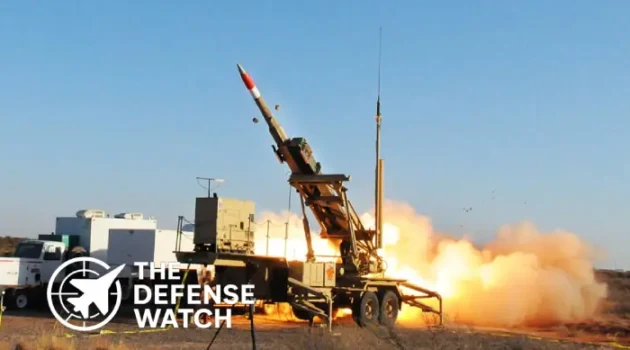
Patriot PAC-3 Systems: Designed to intercept tactical ballistic missiles, cruise missiles, and aircraft at medium to high altitudes. The PAC-3 variant uses hit-to-kill technology for enhanced precision.
THAAD Batteries: Provide upper-tier defense against medium and intermediate-range ballistic missiles during their terminal phase, operating at altitudes up to 150 kilometers.
Aegis-equipped Naval Assets: US Navy destroyers with Aegis Combat Systems provide mobile sea-based missile defense, capable of tracking and intercepting threats across broad areas.
Counter-UAS Platforms: Specialized counter-unmanned aircraft systems have been deployed to address the growing threat from Iranian-made drones and loitering munitions.
This integrated approach creates overlapping defensive layers, increasing the probability of successfully intercepting incoming threats while providing redundancy against saturation attacks.
(adsbygoogle = window.adsbygoogle || []).push({});Regional Allied Coordination
Defense coordination with regional partners has intensified as part of the broader deterrence strategy. The United States has conducted joint air defense exercises with Saudi Arabia, the United Arab Emirates, and Jordan in recent weeks, according to CENTCOM statements.
Israel, which maintains its own sophisticated multi-layered air defense network including Iron Dome, David’s Sling, and Arrow systems, has reportedly increased intelligence sharing with US forces regarding Iranian capabilities and potential threat vectors.
Gulf Cooperation Council (GCC) member states have also enhanced their readiness levels, with several countries activating integrated air defense coordination centers that link national systems with US platforms.
Strategic Implications and Deterrence Calculus
Military analysts emphasize that the US military response to Iran preparations serve dual purposes: protecting American forces while signaling resolve to Tehran. Dr. Michael Knights, a senior fellow at The Washington Institute for Near East Policy, noted that such deployments historically precede either military operations or intensive diplomatic negotiations.
“The United States is demonstrating it can defend its forces while maintaining offensive options,” Knights stated in a recent analysis. “This creates a credible deterrent against Iranian escalation while preserving flexibility for decision-makers.”
The deployment timing coincides with ongoing diplomatic efforts to address Iran’s nuclear program and regional activities. However, defense officials stress that military preparations proceed independently of diplomatic tracks, maintaining readiness for multiple contingencies.
Operational Readiness and Force Protection
The American forces Middle East deployment includes not only defensive systems but also enhanced force protection measures at military installations. CENTCOM has implemented increased security protocols, including expanded perimeter defenses, additional counter-drone capabilities, and hardened shelters for personnel.
Intelligence, surveillance, and reconnaissance (ISR) assets have been augmented to provide early warning of potential attacks. US Air Force RQ-4 Global Hawk high-altitude reconnaissance drones now maintain continuous coverage of critical areas, while space-based surveillance systems track potential launch preparations.
Force protection measures also include dispersing aircraft and critical assets to reduce vulnerability to precision strikes, a tactic employed successfully during previous periods of heightened tension.
Iranian Capabilities and Threat Assessment
Iran’s military posture includes an estimated 3,000 ballistic missiles of various ranges, according to the Defense Intelligence Agency. The Shahab-3 medium-range ballistic missile, with an approximate range of 1,300 kilometers, can reach most US installations in the region.
More concerning to defense planners are Iran’s Fateh-110 and Zolfaghar short-range ballistic missiles, which have demonstrated improved accuracy in recent years. These weapons can be launched from mobile platforms, complicating pre-emptive targeting.
(adsbygoogle = window.adsbygoogle || []).push({});Iran has also proliferated advanced unmanned systems, including the Shahed-136 loitering munition, which has been used extensively in regional conflicts. These relatively low-cost platforms can saturate defenses through swarm tactics, presenting unique challenges for traditional air defense systems.
Historical Precedent and Strategic Patterns
The current buildup mirrors previous US military postures before operations in the region. In January 2020, following the US strike that killed IRGC Quds Force commander Qasem Soleimani, the Pentagon deployed additional Patriot batteries and augmented naval assets to defend against anticipated Iranian retaliation.
Iran responded with ballistic missile strikes against Al-Asad Air Base in Iraq, causing traumatic brain injuries to more than 100 American service members despite no fatalities. The attack demonstrated Iranian precision capabilities and willingness to directly target US forces.
Defense analysts note that current preparations suggest decision-makers are anticipating similar or potentially more severe retaliatory scenarios.
Diplomatic Dimensions and Congressional Oversight
The military buildup has drawn attention from congressional oversight committees. Several members of the Senate Armed Services Committee have requested classified briefings on the scope and objectives of the deployments.
Some lawmakers have expressed concern about potential military escalation absent clear congressional authorization, while others support robust force protection measures for deployed personnel.
The administration has maintained that current deployments fall within existing authorities for force protection and do not necessarily indicate imminent offensive operations. However, defense officials acknowledge that contingency planning includes multiple options across the escalation spectrum.
Impact on Regional Stability
The enhanced US military presence contributes to a complex regional security environment. While intended to deter Iranian aggression, the deployments may also influence calculations by other regional actors, including Israel and Gulf states, regarding their own security postures.
Regional security experts warn that the current trajectory could lead to miscalculation or unintended escalation if not carefully managed through diplomatic channels alongside military preparations.

State Department Clears Major Patriot Missile Sale
The U.S. State Department has approved a potential $9 billion Foreign Military Sale of 730 PAC-3 Missile Segment Enhancement (MSE) interceptors to Saudi Arabia, marking one of the largest air defense transactions in recent years. The Defense Security Cooperation Agency (DSCA) notified Congress of the proposed sale on January 31, according to official notifications.
(adsbygoogle = window.adsbygoogle || []).push({});The comprehensive package includes PAC-3 MSE missiles, associated equipment, technical support, training, logistics services, and classified software documentation. Saudi Arabia requested the advanced interceptors to modernize its integrated air and missile defense architecture against evolving threats in the Gulf region.
Strategic Rationale Behind the Sale
According to DSCA, the proposed sale directly supports U.S. foreign policy objectives by strengthening the defensive capabilities of a major non-NATO ally that contributes to regional stability. The agency stated that enhanced air defense systems will help Saudi Arabia address current and emerging threats while maintaining operational readiness.
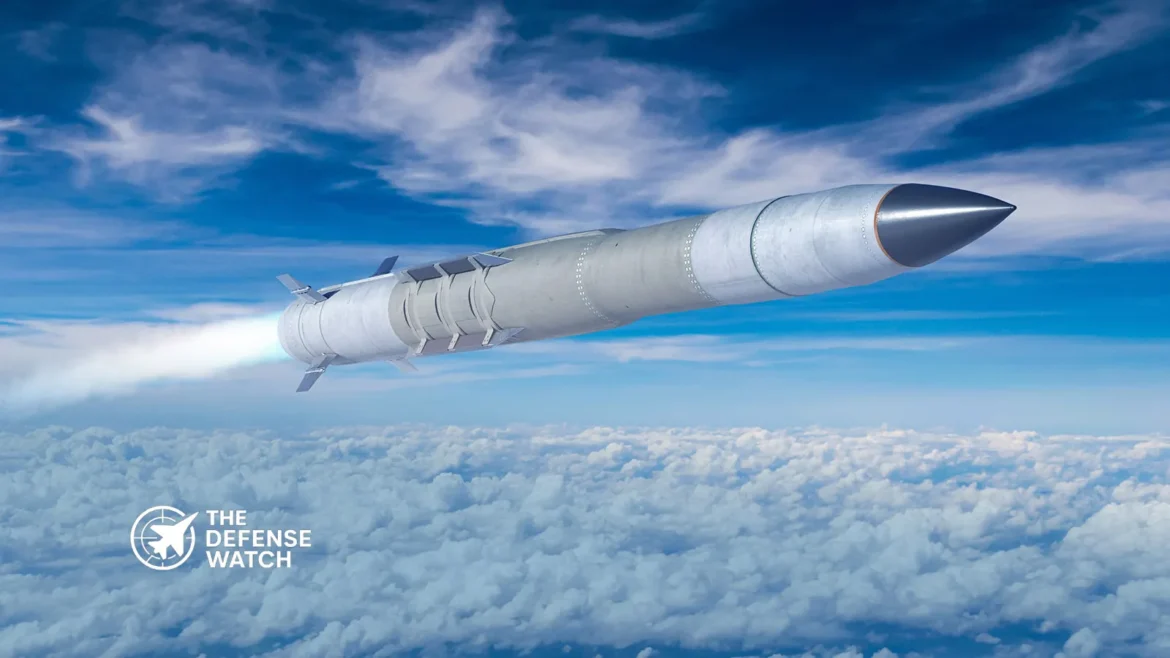
The PAC-3 MSE represents the latest generation of the Patriot missile family, featuring hit-to-kill technology designed to intercept tactical ballistic missiles, cruise missiles, and advanced aircraft threats. The system provides significantly improved range and altitude capabilities compared to earlier Patriot variants.
U.S. officials emphasized that the sale will improve Saudi Arabia’s contribution to integrated air and missile defense operations within the U.S. Central Command area of responsibility. The enhanced capability is expected to protect both Saudi and allied forces operating in the region.
Technical Capabilities and Integration
The PAC-3 MSE employs kinetic energy to destroy incoming threats, eliminating the need for traditional explosive warheads. This hit-to-kill approach provides greater effectiveness against maneuvering targets and reduces collateral damage risks.
Lockheed Martin serves as the prime contractor for PAC-3 MSE production, with Boeing providing critical seeker components. Boeing recently expanded its Huntsville, Alabama facility to increase PAC-3 seeker production capacity by more than 30 percent to meet growing global demand.
The missiles will integrate with Saudi Arabia’s existing Patriot infrastructure, which has been upgraded over multiple decades through previous Foreign Military Sales programs. The Kingdom operates multiple Patriot fire units deployed at strategic locations throughout the country.
Regional Security Context
The approval comes as Gulf states face persistent threats from ballistic missiles, unmanned aerial systems, and cruise missiles. Saudi Arabia has intercepted numerous cross-border attacks in recent years, demonstrating the operational necessity of advanced air defense capabilities.
The DSCA notification stated that the sale will not alter the basic military balance in the region. Officials confirmed that Saudi Arabia possesses the technical capacity and trained personnel to absorb the new systems without difficulty.
Congressional notification marks the beginning of a 30-day review period during which lawmakers can raise objections to the proposed sale. The transaction will only proceed following Congressional approval and completion of final contract negotiations.
Production and Delivery Timeline
While specific delivery schedules were not disclosed in the DSCA notification, PAC-3 MSE production timelines typically extend over several years for large-quantity orders. Lockheed Martin has recently announced capacity expansion initiatives to accelerate interceptor production rates.
The company broke ground on a new production facility designed to increase output of both PAC-3 MSE and Terminal High Altitude Area Defense (THAAD) interceptors. These expansion efforts respond to increased demand from U.S. and allied forces worldwide.
Industry analysts note that the $9 billion package value includes not only the 730 interceptors but also extensive support infrastructure, training programs, spare parts, and multi-year logistics support. The total program cost reflects the comprehensive nature of major Foreign Military Sales.
(adsbygoogle = window.adsbygoogle || []).push({});Allied Air Defense Network
Saudi Arabia’s Patriot modernization aligns with broader regional air defense architecture developments. Multiple Gulf Cooperation Council nations operate Patriot systems, creating an interconnected defensive network across the Arabian Peninsula.
The enhanced capabilities will enable more effective coordination with U.S. forces stationed in the region and support combined air defense operations. Integration with command and control systems allows for rapid threat data sharing across the network.
U.S. Central Command maintains significant air defense assets in the Gulf region, including Patriot batteries, THAAD systems, and naval-based Aegis ballistic missile defense platforms. The Saudi acquisition complements these existing capabilities.
Congressional Review Process
The proposed sale now enters the mandatory Congressional review period, during which the Senate Foreign Relations Committee and House Foreign Affairs Committee will examine the transaction details. Lawmakers typically assess arms sales based on regional security implications, human rights considerations, and strategic alignment with U.S. interests.
Previous Patriot sales to Saudi Arabia have generally received bipartisan Congressional support, reflecting the strategic importance of Gulf security partnerships. However, individual members of Congress may raise specific concerns during the review period.
The State Department must address any Congressional inquiries before final contract implementation can proceed. Once approved, the Defense Security Cooperation Agency will work with Lockheed Martin to establish production schedules and delivery milestones.
(adsbygoogle = window.adsbygoogle || []).push({});Global Patriot Modernization Trend
The Saudi acquisition reflects a global trend toward air defense modernization as nations confront increasingly sophisticated missile threats. Multiple countries have requested PAC-3 MSE upgrades in recent years, including Poland, Romania, Sweden, and Taiwan.
U.S. Army forces are also transitioning their Patriot inventory to the MSE configuration, phasing out older PAC-2 and PAC-3 variants. The Army has emphasized the importance of maintaining common interceptor stocks with key allies to enable interoperability and simplified logistics.
International PAC-3 MSE sales provide important benefits to U.S. defense industrial base sustainment. Larger production runs reduce per-unit costs and help maintain critical manufacturing skills and capacity.