RQ-170 Sentinel Stealth Recon Drone
The RQ-170 Sentinel, often called the “Beast of Kandahar,” is one of the most secretive unmanned aircraft in U.S. service. Developed by Lockheed Martin’s Skunk Works, the drone was designed to meet U.S. Air Force requirements for a low-observable, strategic reconnaissance platform capable of operating against advanced air-defense networks. While many details remain classified, the Sentinel has become synonymous with high-risk intelligence missions where stealth and persistence are essential.
Design & Mission Role
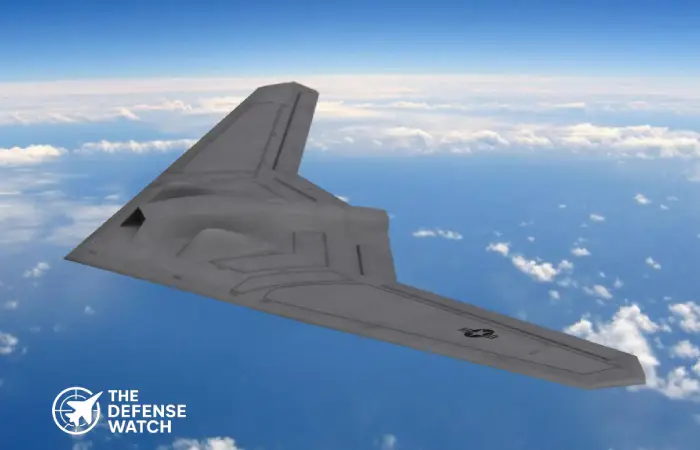
The RQ-170’s sleek, flying-wing configuration highlights its focus on stealth, endurance, and ISR (Intelligence, Surveillance, Reconnaissance) performance. Built for deep-penetration surveillance, it provides real-time intelligence to support counterterrorism operations, strategic monitoring, and sensitive national-level missions. The aircraft reportedly carries advanced electro-optical systems, signals intelligence sensors, and secure data-link capabilities tailored for covert ISR tasks.
Performance & Capability
Although official specifications remain undisclosed, defense analysts estimate that the RQ-170 operates at medium altitudes with long-endurance capability, powered by a single turbofan engine integrated within its stealth airframe. The drone is believed to feature encrypted satellite communications, automated flight control, and radar-absorbent materials that reduce detection probability.
Operationally, the Sentinel has been linked to missions over Afghanistan, South Korea, and Iran, often supporting broader U.S. air and intelligence campaigns. Its combination of stealth technology and advanced sensors makes it a critical asset for environments where conventional UAVs would be vulnerable.
RQ-170 Sentinel Drone Price in US
Due to its classified nature, the exact unit cost of the RQ-170 Sentinel is not publicly available. Analysts suggest it falls within the high-end range of advanced stealth platforms, reflecting its specialized mission systems, composite materials, and low-observable design.