Oreshnik Precision Strike Missile
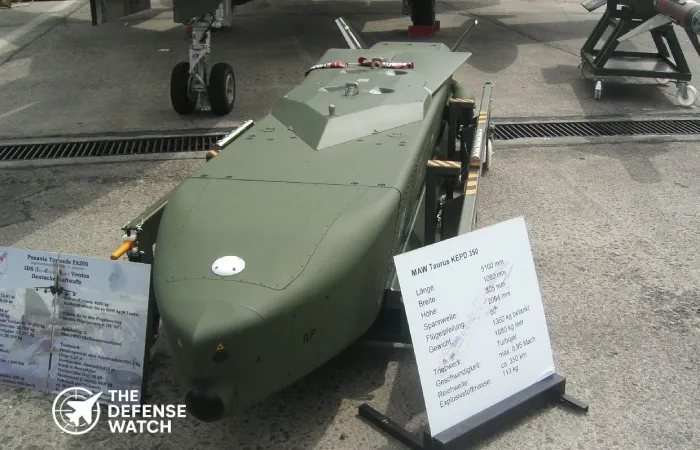
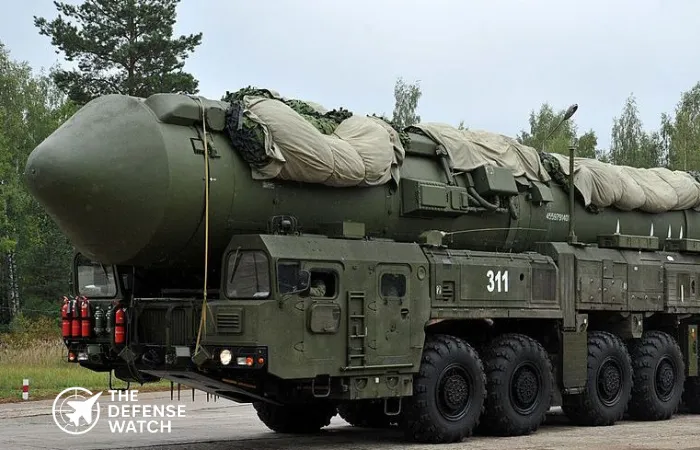
The Oreshnik missile system is a modern Russian-designed precision strike weapon developed for tactical and strategic battlefield roles. Designed to engage armored vehicles, fortifications, and key infrastructure targets, the system reflects advances in guidance, propulsion, and operational versatility. It has attracted attention in international defense circles for its blend of accuracy, range, and adaptability.
Manufacturer and Origin
Oreshnik is produced by Russia’s KB Mashinostroyeniya, a company with decades of experience in missile development. Entering service in the early 2020s, the system was created to provide the Russian armed forces with a modern, rapid-response strike capability, especially in contested areas where precision and survivability are critical.
Capabilities and Features
The Oreshnik missile employs a dual-mode guidance system combining inertial navigation with imaging infrared (IIR) for terminal targeting. It supports fire-and-forget operations, reducing operator exposure while improving hit probability. Its maximum range extends up to 120 kilometers, with a top speed near Mach 2, allowing rapid engagement of distant targets. The missile can penetrate fortified positions or deliver high-explosive payloads with precision, making it suitable for both tactical and operational-level strikes.
The system is compatible with multiple launch platforms, including ground vehicles and coastal batteries, enhancing its operational flexibility. Its compact size and solid-fuel propulsion make it deployable in a variety of theaters, from open plains to urban combat zones.
Why It Matters
For the U.S. audience, Oreshnik represents the type of advanced missile that could challenge NATO armor and infrastructure in future conflicts. Understanding its capabilities helps defense planners assess emerging threats and develop countermeasures.
Oreshnik Missile Price
While exact pricing for the Oreshnik missile system is not publicly disclosed, comparable Russian tactical missiles typically range from $500,000 to $1 million per unit depending on configuration, warhead, and deployment platform. Costs may vary due to import restrictions, logistics, and integration with existing defense systems.